Caleb Wright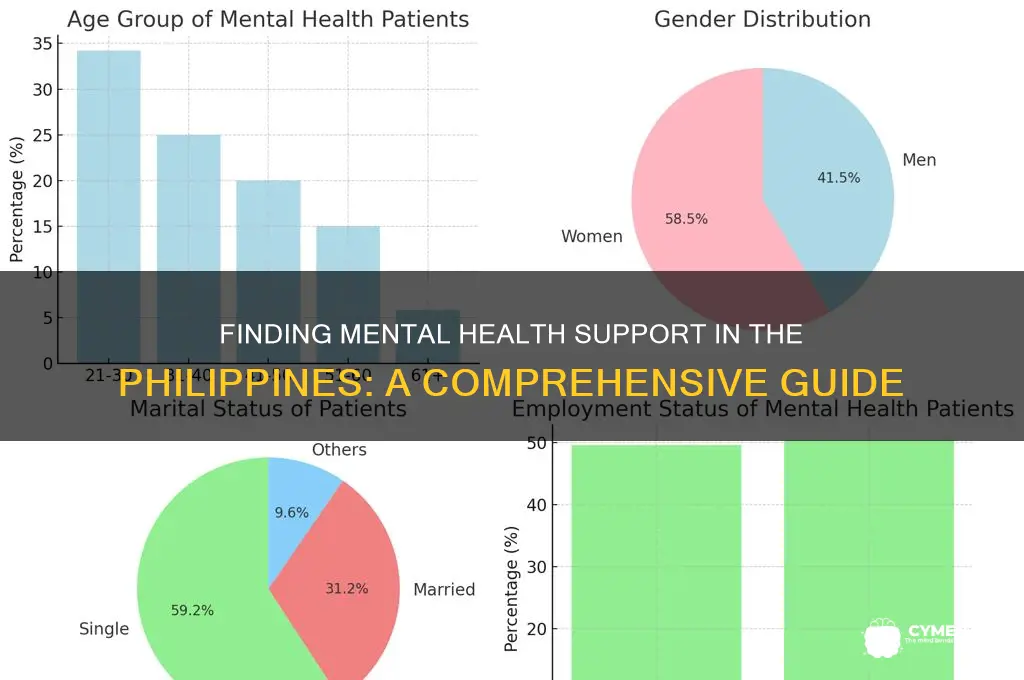
In the Philippines, accessing mental health support has become increasingly important as awareness grows, and fortunately, there are several resources available for those in need. Individuals can seek help from government-run facilities like the National Center for Mental Health (NCMH) and various community mental health centers, which offer affordable or free services. Private clinics and hospitals also provide psychiatric and psychological consultations, though these may come at a higher cost. Additionally, non-profit organizations such as the Philippine Mental Health Association (PMHA) and online platforms like Hopeline PH and TelePsych offer counseling, crisis intervention, and emotional support. Universities and workplaces often have counseling services, and telehealth options have expanded, making mental health care more accessible to Filipinos nationwide. Despite challenges like stigma and limited resources, these avenues ensure that help is available for those seeking mental health assistance.
| Characteristics | Values |
|---|---|
| Government Hotlines | National Center for Mental Health Crisis Hotline (0917-899-8727, 0966-351-4518, 7-989-8727) |
| Online Platforms | In Touch Community Care (www.intouch.org.ph), Hopeline (0917-558-4673 or 2919 for Globe/TM) |
| Non-Profit Organizations | Natasha Goulbourn Foundation, Philippine Mental Health Association (PMHA) |
| Hospitals & Clinics | National Center for Mental Health (NCMH), Philippine General Hospital (PGH) Psychiatry Dept. |
| Teletherapy Services | Mind You PH, KindMind.PH, MentalHealthPH |
| Counseling Centers | Ateneo Bulatao Center, UP Diliman Psychological Services Center |
| Cost | Free (government hotlines), Paid (private clinics/therapists, teletherapy services) |
| Availability | 24/7 (hotlines), Business hours (clinics/centers), Online (teletherapy) |
| Languages Supported | Filipino, English |
| Target Audience | General public, specific groups (e.g., students, LGBTQ+, survivors of trauma) |
| Additional Resources | Mental Health PH (Facebook group), Online support groups, Mental health apps (e.g., Calm, Headspace) |
| Geographical Coverage | Nationwide (hotlines, online services), Metro Manila-focused (some clinics/centers) |
Explore related products


What You'll Learn
- Government Mental Health Services: Free or low-cost clinics, hotlines, and programs offered by DOH and DSWD
- Private Mental Health Clinics: Licensed psychologists, psychiatrists, and therapists in private practice across the Philippines
- Online Therapy Platforms: Accessible mental health support via apps and websites like MindYou and Kindred
- NGO and Community Support: Free counseling and group therapy sessions from NGOs like Natasha Goulbourn Foundation
- University Counseling Services: Mental health resources available for students in Philippine colleges and universities

Government Mental Health Services: Free or low-cost clinics, hotlines, and programs offered by DOH and DSWD
The Philippine government, through the Department of Health (DOH) and the Department of Social Welfare and Development (DSWD), offers a range of mental health services designed to be accessible and affordable for all Filipinos. These services include free or low-cost clinics, hotlines, and community-based programs aimed at addressing various mental health concerns, from mild anxiety to severe psychiatric disorders. Understanding where and how to access these resources can be a lifeline for individuals and families in need.
One of the cornerstone initiatives is the National Center for Mental Health (NCMH), a DOH-operated facility that provides comprehensive psychiatric services, including inpatient and outpatient care. Located in Mandaluyong City, NCMH offers consultations, therapy sessions, and medication management at minimal cost, with fees waived for indigent patients. For those outside Metro Manila, the DOH has established rural health units (RHUs) and district hospitals that integrate mental health services into primary care. These facilities often have mental health professionals on staff or visiting specialists who conduct assessments and provide basic interventions. To access these services, individuals can visit their local RHU or barangay health center for a referral.
In addition to physical clinics, the government operates several mental health hotlines that offer immediate support and crisis intervention. The Hopeline (0917-558-4673 or 2919), managed by the Natasha Goulbourn Foundation in partnership with the DOH, provides 24/7 counseling for individuals experiencing depression, suicidal thoughts, or emotional distress. Another critical resource is the DSWD Crisis Intervention Unit (CIU), which can be reached through the DSWD hotline (931-8101) or local social welfare offices. The CIU offers counseling, case management, and referrals to appropriate mental health facilities, particularly for vulnerable populations such as children, the elderly, and survivors of trauma.
For long-term support, the DSWD implements community-based mental health programs that focus on prevention, early detection, and rehabilitation. The Mental Health Act of 2007 mandates the integration of mental health services into local health systems, leading to initiatives like the Community-Based Rehabilitation Program (CBRP). This program provides psychosocial support, skills training, and livelihood assistance to individuals with mental disabilities, helping them reintegrate into their communities. To enroll in CBRP, individuals or their families can approach their local DSWD office or barangay social worker for an assessment.
While these government services are invaluable, it’s essential to navigate them with awareness of potential challenges. Long wait times, limited resources, and geographic barriers can sometimes hinder access. To maximize the benefits, individuals should prepare necessary documents (e.g., valid IDs, medical records) when seeking services and follow up regularly with their assigned caseworkers or healthcare providers. Additionally, combining government resources with support from NGOs or private practitioners can provide a more holistic approach to mental health care. By leveraging these free or low-cost services, Filipinos can take proactive steps toward mental well-being without the burden of high costs.
Do Psychologists Truly Heal Minds? Exploring Mental Health Support
You may want to see also
Explore related products


Private Mental Health Clinics: Licensed psychologists, psychiatrists, and therapists in private practice across the Philippines
Private mental health clinics in the Philippines offer a vital yet often overlooked resource for individuals seeking personalized care. Unlike public institutions, these clinics provide one-on-one sessions with licensed psychologists, psychiatrists, and therapists, ensuring tailored treatment plans. For instance, a psychologist might employ cognitive-behavioral therapy (CBT) for anxiety disorders, while a psychiatrist could prescribe selective serotonin reuptake inhibitors (SSRIs) like fluoxetine (20–60 mg/day) for depression, depending on the patient’s needs. This individualized approach is particularly beneficial for complex cases or those requiring confidentiality beyond what public settings can offer.
Choosing a private practitioner involves more than a quick online search. Prospective clients should verify credentials through the Philippine Association of Psychologists (PAP) or the Philippine Psychiatric Association (PPA). Additionally, consider the therapist’s specialization—some focus on trauma, others on child psychology. For example, a therapist trained in Eye Movement Desensitization and Reprocessing (EMDR) might be ideal for PTSD cases. Costs vary widely, with sessions ranging from ₱2,000 to ₱8,000 per hour, so inquire about rates and potential sliding scales for financial flexibility.
Geographically, private clinics are concentrated in urban areas like Metro Manila, Cebu, and Davao, but telehealth options have expanded access nationwide. Platforms like MindYou and KonsultaMD connect clients with licensed professionals via video calls, bridging the gap for those in remote regions. However, telehealth may not suit severe cases requiring in-person interventions, such as crisis management or medication adjustments. Always clarify the modality that best fits your situation.
Despite their advantages, private clinics face challenges, including stigma and affordability. To combat this, some practitioners offer group therapy sessions at reduced rates or collaborate with corporate wellness programs. For instance, a therapist might conduct stress management workshops for employees, indirectly normalizing mental health care. Patients can also explore insurance coverage—some providers like Maxicare or PhilHealth reimburse partial costs for psychiatric consultations, though policies vary.
In conclusion, private mental health clinics in the Philippines serve as a cornerstone for individualized, specialized care. By understanding their offerings, verifying credentials, and exploring accessibility options, individuals can navigate this resource effectively. While barriers like cost persist, proactive steps—such as seeking sliding scales or telehealth alternatives—can make professional support more attainable. For those prioritizing privacy, expertise, and tailored treatment, these clinics remain an indispensable option in the country’s mental health landscape.
Seeking Support: Mental Health Treatment Access and Utilization Trends
You may want to see also
Explore related products


Online Therapy Platforms: Accessible mental health support via apps and websites like MindYou and Kindred
The digital age has transformed how Filipinos access mental health support, with online therapy platforms emerging as a convenient and effective solution. Apps and websites like MindYou and Kindred are leading this shift, offering professional counseling services at your fingertips. These platforms connect users with licensed therapists through chat, video calls, or voice messages, breaking down barriers like cost, location, and stigma. For instance, MindYou provides subscription-based plans starting at ₱1,500 per month, while Kindred offers pay-as-you-go sessions from ₱1,200. Both platforms prioritize user privacy, ensuring all interactions are encrypted and confidential.
One of the standout features of these platforms is their accessibility. Unlike traditional therapy, which often requires commuting and rigid schedules, online therapy can be accessed anytime, anywhere. This flexibility is particularly beneficial for busy professionals, students, or those living in remote areas. For example, a working parent in Cebu can schedule a session during their lunch break, while a college student in Davao can seek help late at night when anxiety peaks. However, it’s crucial to note that online therapy may not suit severe cases, such as suicidal ideation or acute psychosis, which require immediate in-person intervention.
Comparing MindYou and Kindred, both platforms cater to diverse needs but differ in approach. MindYou focuses on holistic mental wellness, offering tools like mood tracking and mindfulness exercises alongside therapy sessions. It’s ideal for individuals seeking long-term mental health management. On the other hand, Kindred emphasizes immediate support, with a faster matching process and a broader range of therapists specializing in specific issues like grief, relationships, or workplace stress. Choosing between the two depends on whether you prioritize comprehensive tools or quick, targeted assistance.
To make the most of these platforms, start by setting clear goals for your therapy journey. Are you addressing anxiety, improving relationships, or managing stress? This clarity helps the platform match you with the right therapist. Additionally, treat online sessions with the same seriousness as in-person appointments—find a quiet space, turn off distractions, and be honest with your therapist. While online therapy isn’t a one-size-fits-all solution, its convenience and affordability make it a game-changer for many Filipinos seeking mental health support.
Struggling to Find Adequate Mental Health Support? You're Not Alone
You may want to see also
Explore related products


NGO and Community Support: Free counseling and group therapy sessions from NGOs like Natasha Goulbourn Foundation
In the Philippines, where mental health resources are often limited, NGOs like the Natasha Goulbourn Foundation (NGF) play a pivotal role in bridging the gap. NGF, for instance, offers free counseling and group therapy sessions, making mental health support accessible to those who might otherwise go without. These services are particularly crucial in a country where stigma and financial constraints often prevent individuals from seeking help. By providing a safe space for individuals to share their struggles and receive professional guidance, NGF exemplifies how community-driven initiatives can transform lives.
One of the standout features of NGF’s approach is its emphasis on group therapy sessions. These sessions foster a sense of community and reduce feelings of isolation, which are common among individuals dealing with mental health issues. Participants not only receive professional support but also learn from the experiences of others, creating a network of mutual understanding and encouragement. For example, NGF’s "Hope Group Support Sessions" are open to individuals aged 18 and above, offering a structured environment to discuss challenges like depression, anxiety, and grief. These sessions typically last 90 minutes and are led by trained facilitators who ensure a supportive and non-judgmental atmosphere.
While free counseling and group therapy are invaluable, it’s important to note their limitations. These services are not a substitute for long-term psychiatric care or medication, which may be necessary for severe mental health conditions. However, they serve as a critical first step or supplementary support for many. For instance, someone experiencing mild to moderate anxiety might find NGF’s counseling sessions sufficient to develop coping strategies, while another individual might use these sessions as a stepping stone to seeking more specialized care. Practical tips for maximizing these services include attending sessions consistently, being open to sharing experiences, and actively engaging in the group discussions.
The impact of NGOs like NGF extends beyond individual sessions. By raising awareness and reducing stigma, they contribute to a broader cultural shift in how mental health is perceived in the Philippines. For example, NGF’s "Hopeline" (0917-558-4673), a 24/7 crisis hotline, has become a lifeline for those in immediate distress, demonstrating the organization’s commitment to accessibility. This holistic approach—combining direct support with advocacy—ensures that mental health care is not just available but also normalized within communities.
To access these services, individuals can visit NGF’s website or contact their hotline for scheduling. It’s advisable to prepare a brief description of your concerns beforehand to make the most of the initial consultation. While the services are free, donations are encouraged to sustain the foundation’s operations. By supporting such NGOs, either as a beneficiary or a contributor, you become part of a movement that prioritizes mental well-being in the Philippines. In a society where mental health is often overlooked, initiatives like these are not just helpful—they are essential.
Boosting Mental Health: The Power of a Three-Day Weekend
You may want to see also
Explore related products


![Help![Blu-ray]](https://m.media-amazon.com/images/I/6155cLsT0HL._AC_UY218_.jpg)
University Counseling Services: Mental health resources available for students in Philippine colleges and universities
Philippine universities are increasingly recognizing the critical role of mental health in academic success, leading to the establishment of counseling services tailored to student needs. These services, often housed within student affairs or wellness offices, provide a confidential space for students to address personal, academic, and emotional challenges. For instance, the University of the Philippines Diliman’s Office of Counseling and Psychological Services (UCPS) offers individual counseling, group therapy, and crisis intervention, staffed by licensed psychologists and counselors. Similarly, Ateneo de Manila University’s Counseling and Psychological Services (CPS) integrates mental health programs into student life, including workshops on stress management and resilience-building. These initiatives reflect a growing commitment to holistic student development.
Accessing university counseling services typically begins with a simple step: reaching out. Most institutions allow students to schedule appointments via email, phone, or walk-in visits. Initial sessions often involve an assessment to determine the student’s needs, followed by a personalized plan that may include short-term counseling, referrals to external specialists, or participation in support groups. For example, De La Salle University’s Counseling and Career Services Office provides up to six free counseling sessions per semester, ensuring students receive immediate support without financial burden. It’s crucial for students to know that these services are designed to be approachable, with many counselors trained to handle issues ranging from exam anxiety to more severe conditions like depression.
One notable trend is the integration of technology into counseling services, particularly in response to the COVID-19 pandemic. Many universities now offer telecounseling or online chat services, making mental health support more accessible to students studying remotely or facing mobility constraints. For instance, the University of Santo Tomas’s Office for Student Affairs launched a telehealth platform where students can book virtual counseling sessions. This shift not only broadens reach but also normalizes seeking help in a digitally connected generation. However, students should be aware that online services may have limitations, such as reduced session lengths or technical challenges, and should inquire about the format that best suits their needs.
Despite these advancements, stigma remains a barrier to utilization. Many students hesitate to seek help due to fears of judgment or concerns about confidentiality. Universities are addressing this through awareness campaigns, such as mental health weeks and peer-led initiatives, to foster a culture of openness. For example, the University of San Carlos’s “Mental Health Matters” campaign uses social media and campus events to educate students about available resources and the importance of self-care. Students can contribute by participating in these activities, sharing their experiences, and encouraging peers to prioritize mental well-being.
In conclusion, university counseling services in the Philippines are evolving to meet the diverse needs of students, offering a blend of traditional and innovative support systems. By familiarizing themselves with these resources, students can take proactive steps toward maintaining their mental health. Key takeaways include knowing how to access services, understanding the range of support available, and actively engaging in campus initiatives that promote mental wellness. As institutions continue to invest in these programs, students have an invaluable opportunity to thrive academically and personally.
Supporting Mental Health: Balancing Assistance and Encouraging Independence
You may want to see also
Frequently asked questions
The Philippines offers several hotlines, including the National Center for Mental Health (NCMH) Crisis Hotline (0917-899-8727 or 989-8727), Hopeline (0917-558-4673 or 2919), and the Department of Health’s mental health crisis hotline (1553).
Public hospitals like the National Center for Mental Health (NCMH) and government-run health centers offer affordable or free mental health services. Some NGOs and universities also provide low-cost counseling.
Yes, platforms like *Mind You* and *KindMind* offer online counseling and mental health resources. Additionally, telehealth services through apps like KonsultaMD provide virtual consultations.
You can find licensed professionals through the Philippine Mental Health Association (PMHA), private clinics, or hospitals. Online directories like *Psychology Philippines* also list accredited practitioners.
Many universities offer counseling services for students. Organizations like *In Touch Community Services* and *Yellow Box* also provide youth-focused mental health support and workshops.


![Help! [LP]](https://m.media-amazon.com/images/I/71Lo3XMoSlL._AC_UY218_.jpg)