Harper Lewis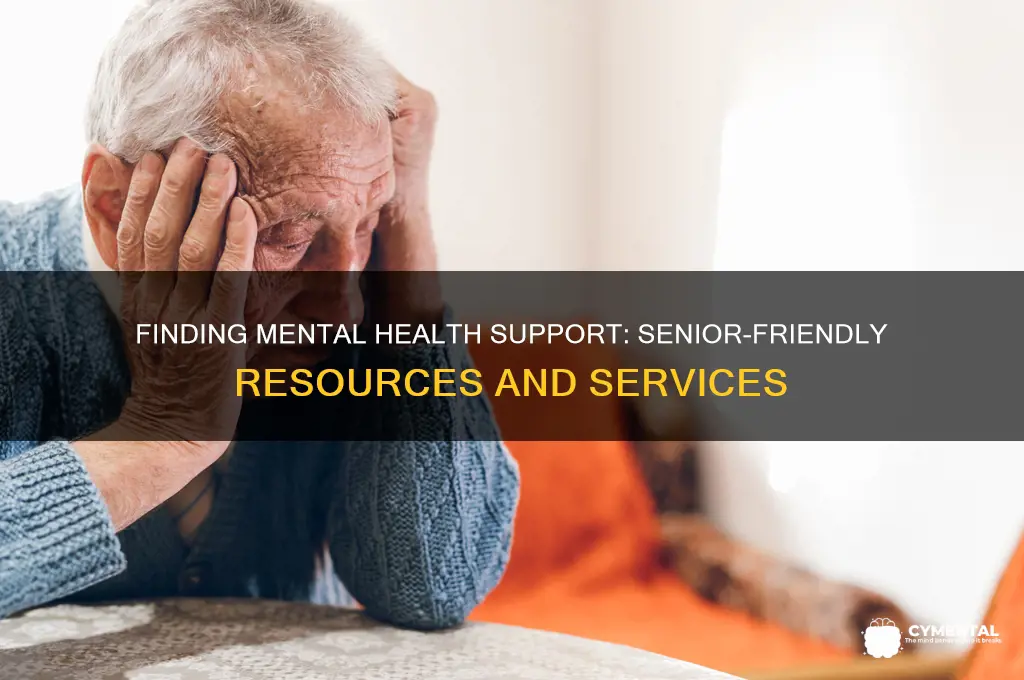
As the senior population continues to grow, addressing their mental health needs has become increasingly important. Many older adults face unique challenges, such as isolation, loss of loved ones, chronic illnesses, and life transitions, which can significantly impact their mental well-being. Fortunately, there are numerous resources available to support seniors in need of mental health assistance. These include local community mental health centers, senior-specific counseling services, telehealth platforms offering virtual therapy sessions, and support groups tailored to aging-related concerns. Additionally, primary care physicians, geriatric psychiatrists, and social workers can provide referrals and guidance. Organizations like the National Alliance on Mental Illness (NAMI) and the Administration for Community Living also offer valuable information and resources. By exploring these options, seniors and their caregivers can find the appropriate support to enhance their mental health and overall quality of life.
Explore related products


What You'll Learn
- Local senior centers offering mental health resources and support groups for older adults
- Medicare and Medicaid coverage for senior mental health services and counseling
- Online therapy platforms tailored for seniors with user-friendly interfaces
- Geriatric psychiatrists specializing in mental health care for aging populations
- Community-based organizations providing free or low-cost mental health programs for seniors

Local senior centers offering mental health resources and support groups for older adults
Senior centers, often seen as hubs for social activities, are increasingly becoming vital resources for mental health support among older adults. These local institutions are uniquely positioned to address the emotional and psychological needs of seniors, who may face challenges such as isolation, grief, or age-related anxiety. By integrating mental health resources into their existing programs, senior centers provide accessible, community-based care that fosters both connection and healing. This approach not only destigmatizes seeking help but also leverages the familiar, welcoming environment seniors already trust.
Consider the structure of these programs: many senior centers now offer weekly support groups led by trained facilitators, covering topics like coping with loss, managing stress, or navigating life transitions. For instance, a center in Portland, Oregon, hosts a "Wisdom Circle" where seniors share experiences and strategies for emotional resilience. Others partner with local mental health organizations to provide workshops on mindfulness, cognitive behavioral techniques, or even art therapy. These offerings are typically free or low-cost, removing financial barriers that might otherwise deter participation. Practical tip: Call ahead to inquire about group schedules and any registration requirements, as some programs may have age restrictions (typically 60+) or limited seating.
One of the most compelling aspects of senior center mental health initiatives is their ability to blend professional guidance with peer support. Unlike clinical settings, these groups often feel more conversational and less intimidating, encouraging seniors to open up in a space where they feel understood. For example, a study by the American Psychological Association found that older adults in community-based support groups reported higher levels of satisfaction and continued participation compared to traditional therapy settings. This model also allows seniors to build social networks, which are critical for combating loneliness—a risk factor for depression and cognitive decline.
However, it’s essential to note that while senior centers can provide valuable support, they are not a substitute for professional mental health treatment when needed. Centers often act as a gateway, offering initial resources and referrals to licensed therapists, psychiatrists, or specialized geriatric mental health services. For seniors with severe or persistent symptoms, staff can assist in navigating insurance coverage or finding affordable care options. Caution: If a senior exhibits signs of acute distress, such as suicidal thoughts or severe withdrawal, immediate professional intervention should be sought.
In conclusion, local senior centers are emerging as cornerstone institutions for mental health support in older adult communities. By combining accessibility, affordability, and a sense of belonging, they address both the emotional and social dimensions of well-being. For seniors and their families, these centers offer a practical, compassionate starting point for navigating the complexities of aging with dignity and resilience. To locate a nearby center with mental health programs, visit the National Council on Aging’s website or contact your local Area Agency on Aging for a directory of resources.
Boosting Mental Health: The Power of Social Connections with Friends
You may want to see also
Explore related products


Medicare and Medicaid coverage for senior mental health services and counseling
Seniors facing mental health challenges often find themselves navigating a complex healthcare landscape. Medicare and Medicaid, two cornerstone programs, offer critical support but with distinct coverage nuances. Understanding these differences is essential for accessing the right care.
Medicare, primarily for individuals 65 and older, covers mental health services under Part B, including outpatient therapy sessions with licensed professionals like psychologists, clinical social workers, and psychiatrists. Notably, Medicare Part B covers up to 80% of the Medicare-approved amount for these services after the annual deductible is met. For inpatient care, Medicare Part A covers psychiatric hospital stays, but with limitations: beneficiaries are responsible for a deductible ($1,600 in 2023) and daily coinsurance after 60 days.
Medicaid, a joint federal-state program for low-income individuals, provides more comprehensive mental health coverage, though specifics vary by state. Most Medicaid programs cover a broader range of services, including outpatient therapy, inpatient treatment, and prescription medications. For seniors, Medicaid often fills gaps left by Medicare, such as covering the 20% coinsurance for outpatient therapy or providing long-term care in psychiatric facilities. Dual-eligible seniors—those enrolled in both Medicare and Medicaid—benefit from both programs, with Medicaid typically covering Medicare premiums, deductibles, and copayments.
A practical tip for seniors and caregivers: verify coverage details with your state’s Medicaid office or Medicare’s 1-800-MEDICARE hotline. For instance, some states offer Medicaid waivers that include case management or home-based mental health services tailored to seniors. Additionally, Medicare Advantage plans (Part C) often include mental health benefits beyond Original Medicare, such as telehealth counseling or reduced copays for therapy sessions.
Comparatively, while Medicare provides standardized coverage nationwide, Medicaid’s variability means seniors in states with expansive programs may access more robust mental health services. For example, a senior in New York might receive Medicaid-covered respite care for caregivers, whereas a senior in Texas may face stricter eligibility criteria. This disparity underscores the importance of researching state-specific benefits.
In conclusion, Medicare and Medicaid are vital resources for senior mental health, but their coverage differs significantly. Medicare offers structured but limited outpatient and inpatient care, while Medicaid provides broader, state-dependent support. Dual-eligible seniors stand to gain the most, but all beneficiaries should proactively explore their options to maximize available benefits. By understanding these programs, seniors can secure the mental health care they need without undue financial burden.
Equine Therapy: How Horses Heal and Improve Mental Health
You may want to see also
Explore related products


Online therapy platforms tailored for seniors with user-friendly interfaces
Seniors face unique mental health challenges, from coping with loss and isolation to managing chronic conditions. Yet, many hesitate to seek help due to stigma, mobility issues, or unfamiliarity with technology. Online therapy platforms tailored for seniors address these barriers by offering accessible, user-friendly interfaces designed with older adults in mind. These platforms prioritize simplicity, clarity, and ease of use, ensuring seniors can navigate sessions confidently, regardless of their tech experience.
Consider the design elements that make these platforms senior-friendly. Large, readable fonts, high-contrast color schemes, and intuitive navigation reduce eye strain and confusion. Features like one-click session scheduling, automated reminders, and step-by-step video tutorials ensure seniors can access care without feeling overwhelmed. Some platforms even offer live technical support tailored to older users, providing immediate assistance if they encounter difficulties. For example, SilverCloud and BetterHelp Senior cater to this demographic by combining therapeutic tools with interfaces optimized for older adults.
Analyzing the effectiveness of these platforms reveals a critical insight: user-friendliness directly impacts engagement. Seniors are more likely to continue therapy when the process feels seamless and non-intimidating. A study by the *Journal of Medical Internet Research* found that seniors who used simplified digital health tools reported higher satisfaction and adherence rates compared to those using standard platforms. This underscores the importance of design choices in fostering trust and long-term use, particularly for a generation often skeptical of digital solutions.
Practical tips for seniors or their caregivers include testing platforms with free trials to assess ease of use, ensuring compatibility with existing devices (e.g., tablets or smartphones), and verifying that therapists specialize in senior-specific issues like grief, retirement adjustment, or age-related anxiety. Additionally, caregivers can assist by setting up accounts, troubleshooting initial sessions, and encouraging consistent use. With the right platform, seniors can access mental health support that respects their needs, preferences, and pace.
In conclusion, online therapy platforms tailored for seniors with user-friendly interfaces are not just convenient—they’re transformative. By removing technological and logistical barriers, these tools empower older adults to prioritize their mental well-being. As the senior population grows, such platforms will play an increasingly vital role in delivering accessible, dignified care.
Supporting Your Daughter's Mental Health: A Guide for Concerned Parents
You may want to see also
Explore related products


Geriatric psychiatrists specializing in mental health care for aging populations
As the global population ages, the demand for specialized mental health care for seniors is rising. Geriatric psychiatrists, trained to address the unique challenges of aging, play a pivotal role in this landscape. These professionals focus on diagnosing and treating mental health conditions in older adults, considering the interplay of physical health, cognitive changes, and social factors. Unlike general psychiatrists, they possess expertise in managing conditions like late-life depression, anxiety disorders, and dementia, often complicated by chronic illnesses or medication interactions.
Finding a geriatric psychiatrist begins with referrals from primary care physicians, who can identify mental health concerns during routine check-ups. Seniors or their caregivers can also contact local hospitals, mental health clinics, or aging services organizations for recommendations. Online directories, such as those provided by the American Association for Geriatric Psychiatry (AAGP), offer searchable databases of board-certified specialists. When selecting a provider, inquire about their experience with specific conditions, treatment approaches (e.g., psychotherapy, medication management), and familiarity with age-related issues like polypharmacy or caregiver stress.
A typical consultation with a geriatric psychiatrist involves a comprehensive assessment, including medical history, cognitive testing, and discussions about daily functioning. Treatment plans are tailored to the individual, often incorporating therapy modalities like cognitive-behavioral therapy (CBT) or interpersonal therapy (IPT). Medication prescriptions, if necessary, are carefully dosed to minimize side effects in older adults, with common antidepressants like selective serotonin reuptake inhibitors (SSRIs) adjusted for renal or hepatic function. Follow-up appointments monitor progress and adjust interventions as needed.
One of the key advantages of geriatric psychiatrists is their ability to collaborate with interdisciplinary teams, including geriatricians, neurologists, and social workers. This holistic approach ensures that mental health care is integrated with physical health management, addressing issues like mobility limitations or sensory impairments that can exacerbate psychological distress. For example, a senior with depression and arthritis may benefit from a combined plan involving antidepressants, physical therapy, and pain management strategies.
Despite their value, access to geriatric psychiatrists remains limited in many areas, particularly rural regions. Telepsychiatry services are bridging this gap, offering remote consultations for seniors who cannot travel. Additionally, some specialists conduct home visits for patients with severe mobility issues. Caregivers can support seniors by advocating for these services, ensuring consistent attendance at appointments, and monitoring treatment adherence. With their specialized knowledge, geriatric psychiatrists are essential allies in promoting mental well-being in the aging population.
Exercise and Mental Health: Unlocking the Mind-Body Connection
You may want to see also
Explore related products


Community-based organizations providing free or low-cost mental health programs for seniors
Seniors often face unique mental health challenges, from isolation to age-related grief, yet many lack access to affordable care. Community-based organizations are stepping in to fill this gap, offering free or low-cost programs tailored to older adults. These initiatives range from peer support groups to professional counseling services, often funded by grants, donations, or partnerships with local governments. For instance, the National Council on Aging (NCOA) collaborates with local centers to provide mental health screenings and workshops at no cost to participants aged 60 and older. Such programs not only address immediate needs but also foster a sense of community, which is vital for long-term emotional well-being.
One standout model is the Senior Peer Counseling Program, available in several U.S. states. Trained volunteers, often seniors themselves, offer one-on-one support for issues like depression, anxiety, or loneliness. Sessions typically last 45–60 minutes and can be conducted in-person, over the phone, or via video call. This approach leverages shared life experiences to build trust and rapport, making it particularly effective for older adults who may be hesitant to seek traditional therapy. Research shows that participants report significant improvements in mood and social connectedness after just 8–10 sessions.
For those seeking structured interventions, organizations like Mental Health America (MHA) offer evidence-based programs such as Healthy IDEAS (Identifying Depression, Empowering Areas of Strength). This 6–8 week course combines education, skill-building, and emotional support to help seniors manage depression and chronic illness. Facilitated by trained professionals, sessions are held in community centers, libraries, or senior living facilities, ensuring accessibility. The program’s low cost—often covered by Medicaid or offered on a sliding scale—makes it an attractive option for seniors on fixed incomes.
While these programs are invaluable, navigating them can be daunting. A practical tip for seniors and caregivers is to start with local Area Agencies on Aging (AAAs), which maintain directories of community resources. Additionally, many organizations offer multilingual services, recognizing the diverse needs of aging populations. For example, the Asian Pacific Islander American Health Forum provides culturally sensitive mental health programs in languages like Mandarin, Tagalog, and Vietnamese. This inclusivity ensures that no senior is left behind due to language or cultural barriers.
In conclusion, community-based organizations are democratizing access to mental health care for seniors through innovative, affordable programs. By combining peer support, professional expertise, and cultural sensitivity, these initiatives address both the emotional and practical challenges older adults face. For seniors and their families, exploring these resources can be a transformative step toward improved mental well-being.
Essential Tools for Streamlining Mental Health Practice Billing Processes
You may want to see also
Frequently asked questions
Common signs include persistent sadness, withdrawal from social activities, changes in sleep or appetite, increased irritability, memory issues, or expressions of hopelessness.
Seniors can access affordable mental health services through Medicare, Medicaid, local community health centers, senior centers, or nonprofit organizations specializing in elder care.
Yes, geriatric psychiatrists, psychologists, and social workers specialize in addressing mental health issues specific to seniors, such as dementia, depression, and anxiety.
Yes, many providers offer in-home counseling, telehealth services, or mobile mental health clinics for seniors who have difficulty traveling.
Family members can assist by identifying signs of mental health issues, researching local resources, accompanying seniors to appointments, and providing emotional support throughout the process.