Noah Parker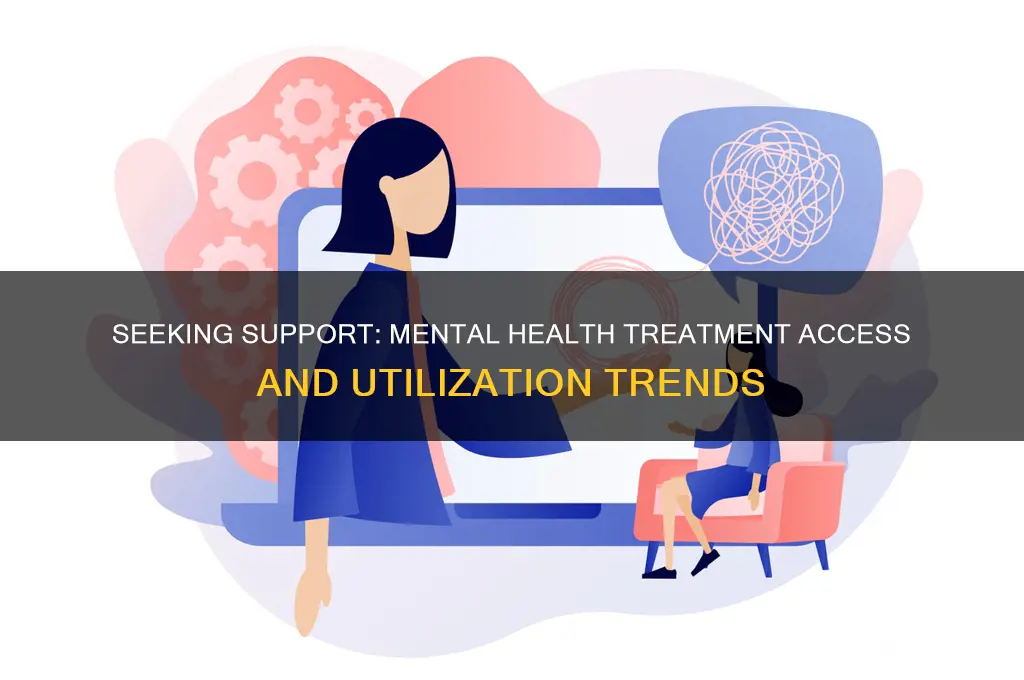
The prevalence of mental illness is a growing global concern, with millions of individuals affected worldwide. Understanding how many people are actively seeking and receiving help for mental health issues is crucial for assessing the effectiveness of healthcare systems and identifying gaps in support. Recent studies indicate that while awareness and access to mental health services have improved, a significant portion of those struggling with conditions like depression, anxiety, and bipolar disorder still do not receive adequate treatment. Factors such as stigma, lack of resources, and limited availability of mental health professionals contribute to this disparity. However, initiatives to destigmatize mental health and expand access to care are gradually encouraging more people to seek help, highlighting the need for continued efforts to address this critical public health issue.
Explore related products


What You'll Learn
- Global Access to Mental Health Services: Statistics on worldwide availability and utilization of mental health care resources
- Barriers to Seeking Help: Common obstacles preventing individuals from accessing mental health treatment and support
- Demographic Disparities in Care: Differences in mental health service usage across age, gender, and socioeconomic groups
- Impact of Telehealth on Access: How virtual mental health services are increasing reach and reducing treatment gaps
- Government and Policy Influence: Role of public policies in improving mental health care accessibility and affordability

Global Access to Mental Health Services: Statistics on worldwide availability and utilization of mental health care resources
Despite global efforts, mental health care remains a privilege rather than a universal right. The World Health Organization (WHO) estimates that nearly 1 billion people worldwide live with a mental health disorder, yet only a fraction receive adequate treatment. This disparity is starkest in low-income countries, where fewer than 1 in 5 people with mental illness receive any care. Even in high-income nations, access is uneven, with rural areas, marginalized communities, and younger age groups often facing significant barriers.
Consider this: In Africa, there is, on average, less than 1 psychiatrist per 100,000 people, compared to over 10 per 100,000 in high-income countries. This shortage of mental health professionals translates to limited diagnosis, treatment, and support for those in need. Even where services exist, stigma, lack of awareness, and financial constraints prevent many from seeking help. For instance, a study in India found that only 10-12% of individuals with common mental disorders like depression and anxiety receive evidence-based treatment.
The digital revolution offers a glimmer of hope. Teletherapy and online mental health platforms are bridging the gap in access, particularly in remote areas. However, this solution is not without challenges. Reliable internet access, digital literacy, and concerns about privacy and data security remain significant hurdles, especially in low-resource settings. Furthermore, online interventions may not be suitable for all conditions or populations, highlighting the need for a multifaceted approach to improving global mental health care.
A closer look at utilization rates reveals a complex picture. While some countries report high rates of antidepressant use, this doesn't necessarily equate to effective treatment. Over-reliance on medication without accompanying psychotherapy can lead to suboptimal outcomes. Conversely, underutilization of medication in regions with limited access to psychiatric care contributes to untreated illness and suffering. Striking a balance between pharmacological and non-pharmacological interventions, tailored to individual needs and cultural contexts, is crucial for improving global mental health outcomes.
Ultimately, addressing the global mental health crisis requires a multi-pronged strategy. This includes increasing investment in mental health infrastructure, training more mental health professionals, and integrating mental health services into primary care settings. Public awareness campaigns aimed at reducing stigma and promoting help-seeking behavior are equally vital. By prioritizing mental health as a fundamental human right and implementing evidence-based solutions, we can move towards a world where everyone, regardless of location or socioeconomic status, has access to the care they need.
Dance Your Way to Mental Wellness: Unlocking Emotional and Cognitive Benefits
You may want to see also
Explore related products


Barriers to Seeking Help: Common obstacles preventing individuals from accessing mental health treatment and support
Stigma remains a formidable barrier to seeking mental health treatment, often silencing individuals before they even consider reaching out for help. Despite growing awareness, societal misconceptions about mental illness persist, labeling those who seek support as weak or flawed. This internalized shame can deter people from acknowledging their struggles, let alone pursuing professional assistance. For example, a 2021 study found that 40% of individuals with depression avoided treatment due to fear of judgment. To combat this, public campaigns emphasizing that mental health is as valid as physical health are essential. Practical steps include sharing personal stories of recovery and educating communities to normalize conversations around mental well-being.
Financial constraints frequently obstruct access to mental health care, particularly in regions where insurance coverage is inadequate or nonexistent. Therapy sessions, medication, and specialized treatments can accumulate costs that many cannot afford. In the U.S., nearly 10% of adults with mental illness report cost as a barrier to treatment. Low-income individuals and those without insurance are disproportionately affected, often relying on overburdened public health systems. Solutions include advocating for policy changes to expand insurance coverage and promoting sliding-scale clinics that offer services based on income. Additionally, digital platforms providing affordable or free mental health resources can bridge gaps for those with limited financial means.
Cultural and linguistic differences create unique challenges for individuals seeking mental health support, particularly in diverse societies. Misunderstandings between providers and patients from different cultural backgrounds can lead to misdiagnosis or inadequate care. For instance, some cultures view mental illness as a spiritual issue rather than a medical one, discouraging traditional treatment methods. Language barriers further complicate access, as many mental health resources are not available in multiple languages. Addressing this requires culturally competent care, including training providers to understand diverse perspectives and employing bilingual staff. Community-based programs that integrate cultural practices into therapy can also foster trust and engagement.
Logistical hurdles, such as lack of transportation or long wait times, often prevent individuals from accessing mental health services. Rural areas, in particular, face shortages of mental health professionals, forcing residents to travel long distances or wait months for appointments. This is exacerbated by the global shortage of mental health providers, with the World Health Organization estimating a gap of 1.18 million professionals worldwide. Telehealth services have emerged as a viable solution, offering remote access to therapy and psychiatric care. However, technological barriers, such as lack of internet access or digital literacy, can limit their effectiveness. Policymakers and healthcare providers must invest in infrastructure and training to ensure equitable access to these services.
Self-awareness and recognition of mental health issues are critical first steps, yet many individuals struggle to identify their need for help. Symptoms of mental illness can be subtle or mistaken for temporary stress, leading people to delay seeking treatment. For example, anxiety disorders often manifest as physical symptoms like headaches or fatigue, which may be attributed to lifestyle factors rather than underlying mental health issues. Encouraging regular mental health check-ins, similar to physical health screenings, can help individuals recognize early signs of distress. Employers and schools can play a role by offering workshops on mental health literacy and providing resources for self-assessment. Ultimately, fostering a culture of proactive self-care is key to overcoming this barrier.
Gratitude's Power: Enhancing Mental Well-being and Emotional Resilience
You may want to see also
Explore related products


Demographic Disparities in Care: Differences in mental health service usage across age, gender, and socioeconomic groups
Access to mental health services is not equitable across all demographics, and understanding these disparities is crucial for addressing gaps in care. For instance, younger adults aged 18–25 are more likely to report mental illness but less likely to receive treatment compared to older adults. This age group often faces barriers such as lack of insurance, stigma, and limited awareness of available resources. In contrast, older adults, particularly those over 65, may underutilize mental health services due to generational attitudes toward mental health, physical health priorities, or difficulty accessing specialized care. These age-related differences highlight the need for tailored interventions that address the unique challenges of each demographic.
Gender plays a significant role in mental health service utilization, with women being more likely than men to seek help for mental health issues. Studies show that women are nearly twice as likely as men to receive mental health treatment, partly due to higher rates of internalizing disorders like depression and anxiety. Men, on the other hand, often face societal pressures to suppress emotions, leading to underreporting and undertreatment of mental health conditions. Additionally, transgender and non-binary individuals face unique barriers, including discrimination and lack of provider competency in LGBTQ+ health, further exacerbating disparities. Addressing these gender-based gaps requires culturally sensitive care and targeted outreach to underserved groups.
Socioeconomic status is a critical determinant of mental health service usage, with lower-income individuals facing significant barriers to care. Financial constraints, lack of insurance, and limited availability of affordable services disproportionately affect this group. For example, individuals living below the poverty line are half as likely to receive mental health treatment compared to those with higher incomes. Furthermore, racial and ethnic minorities, who are more likely to experience socioeconomic disadvantages, often encounter additional barriers such as language differences and systemic discrimination. Bridging these gaps demands policy changes, such as expanding Medicaid coverage and increasing funding for community mental health programs, to ensure equitable access to care.
Practical steps can be taken to mitigate these disparities. For age-related gaps, schools and universities can integrate mental health education and on-campus resources to better support young adults. Workplace programs targeting middle-aged adults and retirement communities offering mental health screenings can address underutilization in older populations. To tackle gender disparities, public health campaigns should challenge stigma and encourage men to seek help, while training providers in LGBTQ+-inclusive care can improve access for marginalized genders. Finally, socioeconomic barriers can be reduced by offering sliding-scale fees, telehealth services, and culturally competent care to reach underserved communities. By implementing these strategies, we can move toward a more equitable mental health care system.
Organized Mind, Healthy Life: Boosting Mental Health Through Structure
You may want to see also
Explore related products


Impact of Telehealth on Access: How virtual mental health services are increasing reach and reducing treatment gaps
Despite growing awareness, millions still struggle to access mental health care due to barriers like geography, cost, and stigma. Telehealth is reshaping this landscape, offering a lifeline to those previously excluded from traditional treatment models. By leveraging digital platforms, virtual mental health services are bridging gaps in access, particularly for underserved populations.
Consider rural communities, where 130 million Americans live, often hours away from the nearest psychiatrist. Telehealth eliminates the need for lengthy travel, enabling real-time therapy sessions via video conferencing. For example, a study published in *JAMA Psychiatry* found that telepsychiatry increased treatment rates by 50% in rural areas, where mental health provider shortages are acute. Similarly, urban dwellers facing long wait times or high costs benefit from the flexibility of virtual care. A 2022 report by the American Psychological Association noted that 70% of therapists offered telehealth services, significantly expanding their reach.
However, telehealth isn’t just about convenience—it’s a game-changer for marginalized groups. For individuals with mobility challenges, anxiety disorders, or those in stigmatized communities, virtual care provides a safe, private alternative to in-person visits. A 2021 survey by the Kaiser Family Foundation revealed that 40% of telehealth users cited privacy concerns as a primary reason for choosing virtual care. Additionally, telehealth platforms often offer multilingual services, breaking down language barriers that previously limited access for non-English speakers.
To maximize the benefits of telehealth, providers and policymakers must address key challenges. Reliable internet access remains a hurdle for many, particularly in low-income areas. Initiatives like the FCC’s Affordable Connectivity Program, which subsidizes internet costs, are critical to ensuring equitable access. Clinicians should also receive training in delivering effective virtual care, as the dynamics of telehealth differ from in-person sessions. For instance, maintaining eye contact, using clear communication, and leveraging digital tools like screen sharing can enhance engagement.
In conclusion, telehealth is revolutionizing mental health care by dismantling barriers and extending services to those who need them most. While challenges remain, its potential to reduce treatment gaps and improve outcomes is undeniable. As technology advances and infrastructure improves, virtual mental health services will continue to play a pivotal role in ensuring that no one is left behind.
Nature Walks: A Powerful Boost for Mental Health and Well-Being
You may want to see also
Explore related products


Government and Policy Influence: Role of public policies in improving mental health care accessibility and affordability
Public policies play a pivotal role in shaping the landscape of mental health care accessibility and affordability. By implementing targeted initiatives, governments can significantly reduce barriers to treatment, ensuring that more individuals receive the support they need. For instance, the Mental Health Parity and Addiction Equity Act in the United States mandates that insurance plans cover mental health services at parity with physical health services, eliminating disparities in care. Such policies not only increase access but also destigmatize seeking help by treating mental health as an integral part of overall well-being.
Consider the impact of funding allocation on mental health services. Governments that prioritize mental health in their budgets can expand resources such as community clinics, telehealth platforms, and crisis hotlines. For example, the UK’s National Health Service (NHS) has invested in Improving Access to Psychological Therapies (IAPT), a program that provides evidence-based treatments for common mental health conditions like depression and anxiety. Since its inception, IAPT has delivered over 5 million treatments, demonstrating how strategic funding can scale care effectively. This approach underscores the importance of financial commitment in bridging the treatment gap.
Policy-driven initiatives also address affordability, a critical factor in determining who can access mental health care. Subsidized therapy sessions, sliding-scale fees, and insurance reforms make treatment financially feasible for low-income individuals. In Australia, the Better Access initiative allows Medicare beneficiaries to claim up to 20 subsidized psychological therapy sessions per year, significantly reducing out-of-pocket costs. Such measures ensure that financial constraints do not prevent individuals from seeking help, particularly in populations where mental health issues are disproportionately prevalent.
However, crafting effective policies requires a nuanced understanding of the diverse needs of different demographics. Age-specific programs, such as school-based mental health services for adolescents or geriatric mental health initiatives for seniors, cater to unique challenges faced by these groups. For instance, Canada’s Wellness Together portal offers free mental health resources tailored to youth, adults, and frontline workers, ensuring inclusivity. Policymakers must also consider cultural competency in service delivery to address disparities in minority communities, where stigma and lack of representation often hinder access.
Ultimately, the role of government and policy in mental health care is transformative but requires ongoing evaluation and adaptation. Policies must be evidence-based, flexible, and responsive to emerging trends, such as the rise of digital mental health tools. By fostering collaboration between policymakers, healthcare providers, and advocacy groups, governments can create sustainable systems that prioritize accessibility and affordability. The goal is clear: to ensure that no one is left behind in the pursuit of mental well-being.
Rage Rooms and Mental Health: Smashing Stress or Just a Trend?
You may want to see also
Frequently asked questions
According to the World Health Organization (WHO), only about 1 in 3 people with mental health conditions receive treatment globally, due to factors like stigma, lack of resources, and limited access to care.
Approximately 43% of adults with mental illness in the U.S. received treatment in 2022, as reported by the Substance Abuse and Mental Health Services Administration (SAMHSA).
Yes, there has been a significant increase in people seeking mental health treatment over the past decade, driven by reduced stigma, improved awareness, and expanded access to telehealth services.
Globally, only about 20% of children and adolescents with mental health disorders receive the care they need, largely due to insufficient child mental health services and underinvestment in this area.
Insurance coverage significantly impacts access to mental health care. In countries with robust healthcare systems, insured individuals are more likely to receive treatment, while those without insurance often face barriers to care.


![Help![Blu-ray]](https://m.media-amazon.com/images/I/6155cLsT0HL._AC_UY218_.jpg)


![Help! [LP]](https://m.media-amazon.com/images/I/71Lo3XMoSlL._AC_UY218_.jpg)