Caleb Wright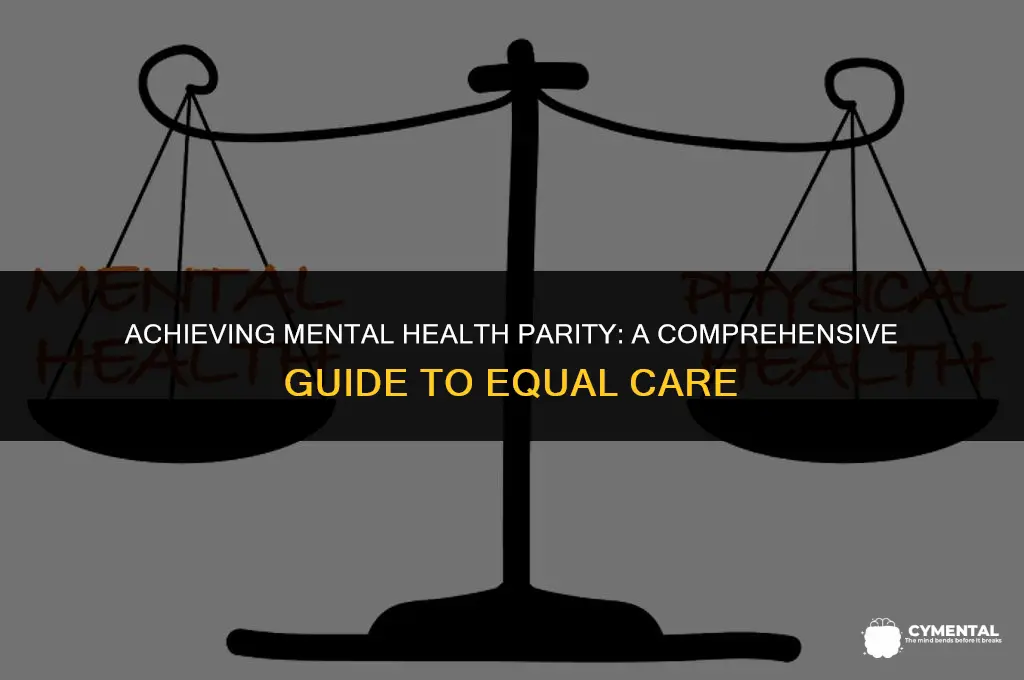
Mental health parity refers to the equal treatment of mental health conditions and substance use disorders in comparison to physical health conditions. It involves ensuring that insurance coverage, benefits, and out-of-pocket costs for mental health services are on par with those for physical health services. One of the best examples of mental health parity is the Mental Health Parity and Addiction Equity Act (MHPAEA) in the United States. Enacted in 2008, this federal law requires insurance plans to provide equal coverage for mental health and substance use disorder treatment as they do for medical and surgical benefits. This includes parity in annual and lifetime benefit limits, as well as parity in cost-sharing requirements such as deductibles, copayments, and coinsurance. The MHPAEA has been instrumental in improving access to mental health care and reducing the stigma associated with mental illness, serving as a model for other countries seeking to achieve mental health parity.
Explore related products


What You'll Learn
- Equal coverage for mental and physical health services in insurance plans
- Comparable copays and deductibles for mental health treatments
- Access to mental health professionals without prior authorization
- In-network mental health facilities with no additional costs
- Mental health screenings and preventive care included in routine check-ups

Equal coverage for mental and physical health services in insurance plans
One of the best examples of mental health parity in action is the implementation of the Mental Health Parity and Addiction Equity Act (MHPAEA) in the United States. Enacted in 2008, this federal law requires health insurance plans to provide equal coverage for mental health and substance use disorder services compared to medical and surgical services. This includes ensuring that there are no differences in benefit limits, deductibles, copays, or coinsurance between mental and physical health services.
To comply with MHPAEA, insurance providers must conduct regular reviews of their plans to ensure that they are meeting the parity requirements. This involves analyzing the benefits provided for mental health services and comparing them to those provided for physical health services. If any disparities are found, the insurance provider must take steps to correct them and ensure that their plans are in compliance with the law.
In addition to federal laws like MHPAEA, many states have also enacted their own mental health parity laws. These state laws often go beyond the federal requirements, providing additional protections and ensuring that mental health services are covered in a way that is consistent with the coverage provided for physical health services. For example, some states have laws that prohibit insurance providers from imposing annual or lifetime limits on mental health services, or that require them to cover certain mental health treatments, such as psychotherapy or medication management.
Achieving mental health parity is not only a legal requirement but also a moral imperative. It is essential to recognize that mental health is just as important as physical health, and that individuals should have access to the care they need to address their mental health concerns. By ensuring that mental health services are covered equally to physical health services, we can help to reduce the stigma associated with mental illness, improve access to care, and promote better overall health outcomes for everyone.
Prioritizing Your Well-being: A Guide to Taking a Mental Health Day
You may want to see also
Explore related products


Comparable copays and deductibles for mental health treatments
One of the key aspects of mental health parity is ensuring that mental health treatments are covered by insurance plans in a manner comparable to physical health treatments. This includes having similar copays and deductibles for mental health services as for other medical services. For instance, if a health plan requires a $20 copay for a primary care physician visit, it should also require a $20 copay for a visit to a mental health professional. Similarly, if the deductible for physical health treatments is $500, the deductible for mental health treatments should also be $500. This parity in cost-sharing helps to reduce the financial barriers that often prevent individuals from seeking necessary mental health care.
Implementing comparable copays and deductibles for mental health treatments involves a careful analysis of existing health insurance plans and policies. Insurers must review their current coverage structures to identify any disparities between mental health and physical health benefits. Once disparities are identified, insurers can adjust their plans to ensure that mental health treatments are covered on par with physical health treatments. This may involve revising policy language, updating reimbursement rates, and retraining staff to ensure proper administration of the new policies.
From a practical standpoint, achieving comparable copays and deductibles for mental health treatments requires collaboration between insurers, healthcare providers, and policymakers. Insurers need to work with mental health professionals to understand the specific needs and challenges of providing mental health care. Policymakers can play a crucial role by enacting legislation that mandates mental health parity and provides guidelines for insurers to follow. By working together, these stakeholders can help to ensure that individuals have access to affordable mental health care.
In addition to reducing financial barriers, comparable copays and deductibles for mental health treatments can also help to reduce stigma associated with mental illness. When mental health treatments are covered in the same way as physical health treatments, it sends a message that mental health is just as important as physical health. This can encourage more individuals to seek help for mental health issues without fear of being treated differently or facing excessive costs.
Overall, ensuring comparable copays and deductibles for mental health treatments is a critical step in achieving mental health parity. By addressing the financial aspects of mental health care, insurers and policymakers can help to improve access to necessary treatments and promote better overall health outcomes for individuals.
Navigating Mental Health Crises: When to Seek Emergency Care
You may want to see also
Explore related products


Access to mental health professionals without prior authorization
One example of this principle in action is the implementation of direct access to mental health services in the United States military. Under this system, service members can seek mental health care from a qualified professional without needing a referral or authorization from their commanding officer. This has helped to increase access to care and reduce stigma associated with seeking mental health treatment.
Another example is the adoption of open access policies by some insurance providers. These policies allow individuals to see mental health professionals without needing prior authorization, reducing the administrative burden on both patients and providers. This can lead to improved outcomes, as individuals are more likely to seek care when they need it, rather than waiting for approval.
However, there are also challenges associated with this approach. One concern is the potential for overutilization of mental health services, which could lead to increased costs for insurance providers. Additionally, there may be concerns about the quality of care provided, as individuals may not always seek care from qualified professionals.
To address these challenges, it is important to implement safeguards, such as utilization review and quality assurance measures. These can help to ensure that individuals are receiving appropriate and high-quality care, while also preventing unnecessary costs.
In conclusion, access to mental health professionals without prior authorization is a key aspect of mental health parity. By reducing barriers to care and ensuring timely access to treatment, this approach can help to improve mental health outcomes and promote overall well-being. However, it is important to balance this access with measures to ensure the quality and appropriateness of care provided.
Holistic Well-being: Beyond Physical, Mental, and Social Health
You may want to see also
Explore related products


In-network mental health facilities with no additional costs
In the realm of mental health parity, the concept of in-network mental health facilities offering services with no additional costs stands out as a beacon of hope for many seeking treatment. This model ensures that individuals can access necessary mental health care without the burden of extra financial strain, which can often be a significant barrier to receiving adequate treatment. By integrating mental health services into the existing network of healthcare providers, this approach promotes a more holistic and inclusive view of health care, where mental well-being is given the same importance as physical health.
One of the key advantages of in-network mental health facilities is the seamless coordination of care. Patients can expect a more streamlined experience, as their mental health care is closely linked with their primary care providers. This integration allows for better communication between healthcare professionals, leading to more comprehensive and effective treatment plans. Additionally, in-network facilities often have established relationships with insurance providers, which can help to simplify the billing process and reduce out-of-pocket expenses for patients.
However, it is important to note that the success of in-network mental health facilities with no additional costs depends on several factors. Firstly, there must be a sufficient number of qualified mental health professionals available to meet the demand for services. Secondly, the facilities must be adequately funded to ensure that they can provide high-quality care without incurring additional costs. Finally, there needs to be a strong commitment from both healthcare providers and policymakers to prioritize mental health care and ensure that these facilities are accessible to all who need them.
In conclusion, in-network mental health facilities with no additional costs represent a promising approach to achieving mental health parity. By removing financial barriers and promoting integrated care, these facilities can help to ensure that individuals receive the mental health support they need to lead healthy and fulfilling lives. However, the success of this model depends on the availability of resources, the commitment of healthcare professionals, and the support of policymakers. With these elements in place, in-network mental health facilities can truly make a difference in the lives of those seeking treatment.
Prioritizing Your Well-being: A Guide to Taking a Mental Health Day
You may want to see also
Explore related products


Mental health screenings and preventive care included in routine check-ups
Including mental health screenings and preventive care in routine check-ups is a pivotal step towards achieving mental health parity. This approach ensures that mental health is treated with the same importance as physical health, allowing for early detection and intervention of potential issues. By integrating these screenings into regular medical visits, healthcare providers can identify and address mental health concerns before they escalate, ultimately improving patient outcomes and reducing the stigma associated with seeking mental health support.
One effective way to implement this is by incorporating standardized mental health assessment tools into routine check-ups. These tools can range from simple questionnaires to more comprehensive evaluations, depending on the patient's age, medical history, and presenting symptoms. For example, the PHQ-9 (Patient Health Questionnaire-9) is a widely used screening tool for depression that can be easily administered during a primary care visit. By using such tools, healthcare providers can systematically assess patients' mental health and provide appropriate referrals or interventions as needed.
Moreover, preventive care measures can be seamlessly integrated into these routine check-ups. This may include educating patients about stress management techniques, promoting healthy lifestyle choices, and providing resources for mental health support. For instance, healthcare providers can offer guidance on mindfulness practices, exercise routines, and dietary recommendations that have been shown to positively impact mental well-being. By addressing both the physical and mental aspects of health during routine visits, providers can foster a holistic approach to patient care.
It is also crucial to ensure that these mental health screenings and preventive care measures are accessible to all patients, regardless of their socioeconomic status or geographic location. This may involve offering telehealth services, providing translation assistance for non-English speaking patients, and collaborating with community organizations to reach underserved populations. By making mental health care more accessible, we can work towards reducing health disparities and promoting equity in mental health outcomes.
In conclusion, incorporating mental health screenings and preventive care into routine check-ups is a critical component of achieving mental health parity. This approach not only allows for early detection and intervention of mental health issues but also promotes a holistic view of patient care. By using standardized assessment tools, providing preventive care measures, and ensuring accessibility for all patients, healthcare providers can make significant strides in improving mental health outcomes and reducing the stigma associated with seeking support.
Understanding LPC: A Guide to Licensed Professional Counselors in Mental Health
You may want to see also
Frequently asked questions
Mental health parity refers to the equal treatment of mental health conditions and substance use disorders in comparison to physical health conditions in terms of insurance coverage, benefits, and access to care.
Mental health parity is crucial because it ensures that individuals with mental health conditions receive the same level of care and coverage as those with physical health conditions, promoting fairness and reducing stigma associated with mental illness.
Examples of mental health parity in practice include insurance plans that cover mental health services at the same rate as physical health services, laws that require equal coverage for mental and physical health, and healthcare providers that offer integrated care for both mental and physical health conditions.
Mental health parity benefits society by improving access to mental health care, reducing the economic burden of untreated mental illness, and promoting overall well-being and productivity.
Challenges in achieving mental health parity include disparities in insurance coverage, limited access to mental health providers, stigma surrounding mental illness, and inadequate funding for mental health services and research.