Ava Ramirez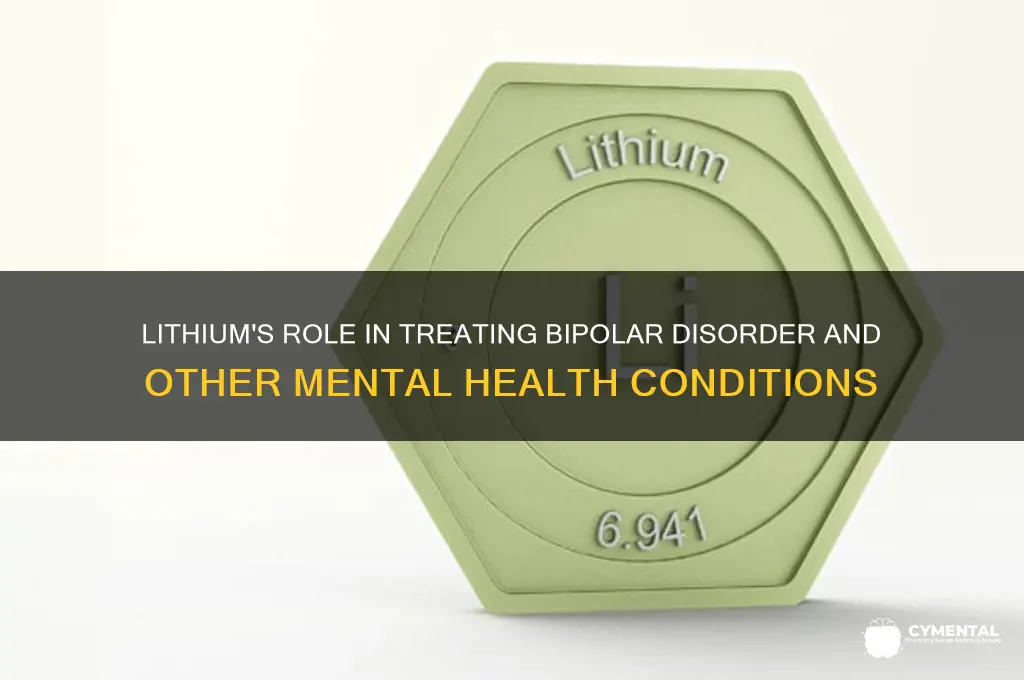
Lithium, a naturally occurring element, has long been recognized as a cornerstone in the treatment of certain mental health disorders, particularly bipolar disorder. As a mood stabilizer, lithium is highly effective in managing the extreme mood swings associated with this condition, including manic and depressive episodes. Its therapeutic benefits extend to reducing the frequency and severity of these episodes, thereby improving overall quality of life for many patients. While primarily used for bipolar disorder, lithium may also be prescribed off-label for other conditions, such as recurrent depression or schizoaffective disorder, though its efficacy in these cases varies. Despite its proven benefits, lithium requires careful monitoring due to its narrow therapeutic window and potential side effects, making it a treatment option that is both powerful and nuanced in its application.
Explore related products


What You'll Learn
- Bipolar Disorder: Lithium stabilizes mood swings, reducing manic and depressive episodes effectively
- Major Depression: Augmentation with lithium can enhance antidepressant treatment outcomes
- Schizoaffective Disorder: Lithium helps manage mood symptoms alongside antipsychotic medications
- Cyclothymia: Lithium reduces mood fluctuations in this milder form of bipolar disorder
- Aggressive Behavior: Lithium may decrease irritability and aggression in certain cases

Bipolar Disorder: Lithium stabilizes mood swings, reducing manic and depressive episodes effectively
Bipolar disorder, characterized by extreme mood swings from manic highs to depressive lows, often leaves individuals and their loved ones searching for effective treatment. Lithium, a naturally occurring element, has emerged as a cornerstone in managing this condition. Its ability to stabilize mood fluctuations is well-documented, offering a lifeline to those grappling with the disorder’s unpredictability. Unlike many other treatments, lithium addresses both manic and depressive episodes, making it a versatile option in long-term management.
The mechanism of lithium’s action is both fascinating and complex. It modulates neurotransmitter activity in the brain, particularly targeting norepinephrine and serotonin, which play critical roles in mood regulation. For individuals with bipolar disorder, this means a reduction in the frequency and intensity of manic episodes, such as heightened irritability, impulsivity, and sleeplessness. Simultaneously, it helps lift the crushing weight of depressive episodes, restoring a sense of normalcy. Dosage is highly individualized, typically starting at 300–600 mg daily and adjusted based on blood levels, with therapeutic ranges falling between 0.6 to 1.2 mEq/L. Regular monitoring is essential to ensure efficacy and minimize side effects like tremors, weight gain, or thyroid dysfunction.
Practical considerations are key when incorporating lithium into a treatment plan. Patients must maintain consistent hydration and dietary habits, as fluctuations in sodium intake can affect lithium levels. It’s also crucial to avoid nonsteroidal anti-inflammatory drugs (NSAIDs) and diuretics, which can interfere with lithium metabolism. For younger patients, particularly adolescents, lithium remains a viable option but requires careful monitoring due to potential impacts on thyroid and kidney function. Combining lithium with psychotherapy, such as cognitive-behavioral therapy, often enhances outcomes by equipping individuals with coping strategies for mood shifts.
Comparatively, lithium stands out among mood stabilizers for its dual efficacy in preventing both manic and depressive episodes. While alternatives like valproate or lamotrigine may be prescribed, lithium’s long-standing track record and robust evidence base make it a preferred choice for many clinicians. However, it’s not without limitations. Its narrow therapeutic window demands meticulous management, and side effects can deter adherence. For those who tolerate it well, though, lithium can transform bipolar disorder from a debilitating condition into a manageable one, allowing individuals to lead stable, fulfilling lives.
In conclusion, lithium’s role in treating bipolar disorder is unparalleled, offering a unique blend of efficacy and versatility. Its ability to stabilize mood swings and reduce episode frequency makes it an indispensable tool in psychiatry. By understanding its mechanisms, adhering to dosage protocols, and addressing practical concerns, patients and providers can maximize its benefits. For those navigating the challenges of bipolar disorder, lithium represents not just a treatment, but a pathway to reclaiming control over their lives.
Setting Boundaries: When to Stop Helping an Adult Child with Mental Illness
You may want to see also
Explore related products


Major Depression: Augmentation with lithium can enhance antidepressant treatment outcomes
Lithium, a mood stabilizer long associated with bipolar disorder, has emerged as a valuable adjunctive treatment for major depression, particularly in cases where standard antidepressants fall short. When antidepressant monotherapy fails to alleviate symptoms, clinicians often consider augmentation strategies, and lithium stands out for its efficacy in this context. Studies have shown that adding lithium to ongoing antidepressant treatment can significantly enhance response rates, particularly in patients with treatment-resistant depression. This approach is supported by meta-analyses, which consistently demonstrate that lithium augmentation outperforms placebo in improving depressive symptoms.
The mechanism behind lithium’s effectiveness in major depression is multifaceted. Lithium modulates neurotransmitter systems, enhances neuroplasticity, and exerts neuroprotective effects, all of which contribute to its antidepressant properties. It increases gray matter volume in key brain regions, such as the prefrontal cortex and hippocampus, which are often compromised in depression. Additionally, lithium inhibits glycogen synthase kinase-3 (GSK-3), a protein implicated in the pathophysiology of mood disorders, further bolstering its therapeutic potential. These biological actions make lithium a compelling option for patients who do not achieve remission with antidepressants alone.
Clinicians typically initiate lithium augmentation at a low dose, such as 300 mg daily, titrating upward based on response and tolerability. The target serum lithium level for depression augmentation is generally lower than for bipolar disorder, ranging from 0.5 to 0.8 mEq/L. Monitoring serum levels is crucial to ensure safety and efficacy, as lithium has a narrow therapeutic index. Common side effects, such as mild tremor, weight gain, and thyroid dysfunction, are usually manageable with dose adjustments or adjunctive medications. Patients should also undergo regular renal function and thyroid tests to mitigate long-term risks.
Practical considerations are essential when implementing lithium augmentation. Patients must be educated about the importance of adherence, as inconsistent dosing can compromise efficacy. Combining lithium with selective serotonin reuptake inhibitors (SSRIs) or serotonin-norepinephrine reuptake inhibitors (SNRIs) is common, but caution is advised with medications that increase lithium levels, such as nonsteroidal anti-inflammatory drugs (NSAIDs). For older adults or those with renal impairment, lower doses and more frequent monitoring are warranted. When used judiciously, lithium augmentation can be a transformative strategy for individuals with major depression who have not responded to conventional treatments.
In conclusion, lithium augmentation represents a valuable tool in the psychiatrist’s arsenal for treating major depression, particularly in treatment-resistant cases. Its unique pharmacological profile, combined with a growing body of evidence supporting its efficacy, positions it as a viable option for enhancing antidepressant outcomes. While careful monitoring and patient education are essential, the potential benefits of lithium augmentation make it a worthwhile consideration for clinicians seeking to optimize depression treatment. By addressing both the biological and practical aspects of this approach, mental health professionals can improve outcomes for patients struggling with this debilitating condition.
Effective Strategies and Support Systems for Managing Mental Health Challenges
You may want to see also
Explore related products




Schizoaffective Disorder: Lithium helps manage mood symptoms alongside antipsychotic medications
Schizoaffective disorder, a complex condition blending psychotic symptoms with mood disorder features, often requires a nuanced treatment approach. Lithium, a mood stabilizer with a long history in psychiatry, plays a pivotal role in managing the mood symptoms of this disorder. When used alongside antipsychotic medications, it can help stabilize the erratic highs and lows that characterize the condition, offering patients a more balanced and manageable daily life.
Consider the case of a 32-year-old patient diagnosed with schizoaffective disorder, bipolar type. Despite antipsychotic treatment, they experienced persistent mood swings, ranging from severe depression to manic episodes. The addition of lithium carbonate, starting at a dose of 300 mg twice daily and titrated to a therapeutic serum level of 0.8–1.0 mEq/L, significantly reduced mood instability. Regular monitoring of renal function and thyroid levels, common precautions with lithium use, ensured safety and efficacy. This example underscores the importance of personalized dosing and vigilant monitoring in achieving optimal outcomes.
From an analytical perspective, lithium’s mechanism of action complements antipsychotics by targeting mood dysregulation, a core feature of schizoaffective disorder. While antipsychotics address hallucinations, delusions, and thought disorganization, lithium modulates neurotransmitter activity in the brain, particularly affecting serotonin and norepinephrine pathways. This dual approach addresses both the psychotic and mood components of the disorder, providing a more comprehensive treatment strategy. However, clinicians must balance the benefits against potential side effects, such as weight gain, tremors, or cognitive dulling, which may require dose adjustments or adjunctive interventions.
For those managing schizoaffective disorder, practical tips can enhance the effectiveness of lithium therapy. Patients should maintain consistent hydration and avoid sudden changes in salt intake, as these factors influence lithium levels. Regular blood tests every 3–6 months are essential to monitor serum concentrations and renal function. Combining lithium with psychoeducation and therapy can further empower patients to recognize mood shifts early and develop coping strategies. Caregivers and family members should also be educated about the treatment plan to provide supportive care during mood episodes.
In conclusion, lithium’s role in treating schizoaffective disorder is both specific and transformative. When integrated thoughtfully with antipsychotic medications, it addresses the mood symptoms that often complicate the disorder, offering patients a more stable and functional life. By adhering to evidence-based dosing, monitoring protocols, and practical lifestyle adjustments, clinicians and patients can maximize the benefits of this time-tested treatment while minimizing risks.
Supporting a 44-Year-Old with Mental Illness: Strategies to Encourage Seeking Help
You may want to see also
Explore related products


Cyclothymia: Lithium reduces mood fluctuations in this milder form of bipolar disorder
Cyclothymia, often overshadowed by its more severe counterpart, bipolar disorder, is a chronic mood disorder characterized by alternating periods of hypomanic and depressive symptoms. While these episodes are less extreme than those in bipolar I or II, they can still significantly disrupt daily life. Lithium, a well-established mood stabilizer, has emerged as a valuable treatment option for cyclothymia, offering relief by reducing the frequency and intensity of mood fluctuations. Its efficacy in this milder form of bipolar disorder highlights its versatility in managing mood disorders across the spectrum.
From an analytical perspective, lithium’s mechanism of action in cyclothymia is particularly noteworthy. It modulates neurotransmitter activity, particularly in the brain’s dopamine and serotonin systems, which play critical roles in mood regulation. For individuals with cyclothymia, lithium helps stabilize these systems, preventing the rapid shifts between hypomania and depression. Studies suggest that even low-dose lithium (300–600 mg/day) can be effective, minimizing the risk of side effects such as tremors or thyroid dysfunction. This makes it a practical choice for long-term management, especially for those who may not tolerate higher doses.
For those considering lithium as a treatment for cyclothymia, it’s essential to approach it with a structured plan. Begin with a thorough consultation with a psychiatrist to determine the appropriate dosage, typically starting low and titrating upward based on response and blood levels. Regular monitoring of lithium levels in the blood is crucial, as therapeutic ranges (0.5–0.8 mEq/L) are narrow, and toxicity can occur with slight overdoses. Practical tips include maintaining consistent dosing times, staying hydrated, and avoiding sudden changes in salt intake, as these factors can influence lithium levels.
Comparatively, lithium stands out from other mood stabilizers like valproate or lamotrigine due to its long-standing track record and dual efficacy in both manic and depressive phases. While alternatives may be preferred in certain cases, lithium’s ability to address the cyclical nature of cyclothymia makes it a unique and often preferred choice. Its cost-effectiveness and availability as a generic medication further enhance its appeal, particularly for long-term use.
In conclusion, lithium offers a promising solution for individuals grappling with cyclothymia, providing a means to reclaim stability in their emotional lives. By understanding its mechanisms, adhering to dosing guidelines, and incorporating practical management strategies, patients and clinicians can harness its benefits effectively. While not a cure, lithium represents a powerful tool in the arsenal against this often-overlooked mood disorder, enabling those affected to lead more balanced and fulfilling lives.
Addressing the Mental Health Crisis: Practical Steps for Collective Support
You may want to see also
Explore related products


Aggressive Behavior: Lithium may decrease irritability and aggression in certain cases
Lithium's role in managing aggressive behavior is a nuanced yet significant aspect of its therapeutic profile. While primarily known for its efficacy in bipolar disorder, lithium has shown promise in reducing irritability and aggression, particularly in conditions where these symptoms are prominent. This effect is not limited to bipolar disorder alone; it extends to other psychiatric and neurodevelopmental conditions, offering a potential intervention for individuals struggling with impulsive or hostile behaviors.
Consider the case of intermittent explosive disorder (IED), characterized by recurrent aggressive outbursts disproportionate to the situation. Studies suggest that lithium may help mitigate these episodes by stabilizing mood and reducing impulsivity. A typical starting dose for adults is 300–600 mg daily, titrated upward based on response and serum levels, which should ideally fall between 0.5–1.2 mEq/L. Monitoring kidney function and thyroid levels is essential, as lithium can affect these systems over time. For adolescents, lower doses are often initiated, with careful monitoring due to their developing physiology.
Instructively, lithium’s mechanism in curbing aggression likely involves its modulation of neurotransmitters like serotonin and norepinephrine, as well as its impact on second messenger systems in the brain. This neurochemical stabilization can reduce the hyperarousal states that often precede aggressive acts. However, it’s critical to note that lithium is not a first-line treatment for aggression in all cases. Its use should be tailored to individuals with comorbid conditions like bipolar disorder or those who have failed other interventions, such as cognitive-behavioral therapy or antipsychotics.
Persuasively, the evidence supporting lithium’s role in aggression reduction is particularly compelling in bipolar disorder, where irritability and hostility are common features of manic or depressive episodes. A comparative analysis reveals that lithium outperforms some anticonvulsant mood stabilizers in this regard, possibly due to its broader neuroprotective effects. For instance, a 2017 meta-analysis found that lithium significantly reduced aggressive behavior in bipolar patients compared to placebo, with effects observable within 4–6 weeks of consistent use.
Practically, incorporating lithium into a treatment plan for aggression requires a multidisciplinary approach. Clinicians should assess for underlying conditions like substance abuse or traumatic brain injury, which may complicate treatment. Patients and caregivers should be educated about side effects, such as hand tremors or weight gain, and the importance of adhering to prescribed dosages. Combining lithium with psychosocial interventions, such as anger management training, can enhance outcomes, particularly in younger populations or those with developmental disorders like autism spectrum disorder (ASD), where aggression is often treatment-resistant.
In conclusion, while lithium is not a panacea for aggressive behavior, its potential to reduce irritability and hostility in specific contexts is noteworthy. Its application should be guided by careful patient selection, dosage optimization, and ongoing monitoring. For individuals with bipolar disorder, IED, or other conditions marked by recurrent aggression, lithium may offer a valuable tool in improving quality of life and reducing the risk of harmful outbursts.
Ginseng's Potential Role in Supporting Mental Health and Wellness
You may want to see also
Frequently asked questions
Lithium is primarily used to treat bipolar disorder, specifically to stabilize mood swings, reduce manic episodes, and prevent depressive episodes.
Yes, lithium can be used as an augmentation therapy for treatment-resistant depression, often in combination with antidepressants, though it is not a first-line treatment for depression alone.
Lithium is not typically prescribed for anxiety disorders as a primary treatment, but it may indirectly help reduce anxiety symptoms in individuals with bipolar disorder by stabilizing mood.