Ava Ramirez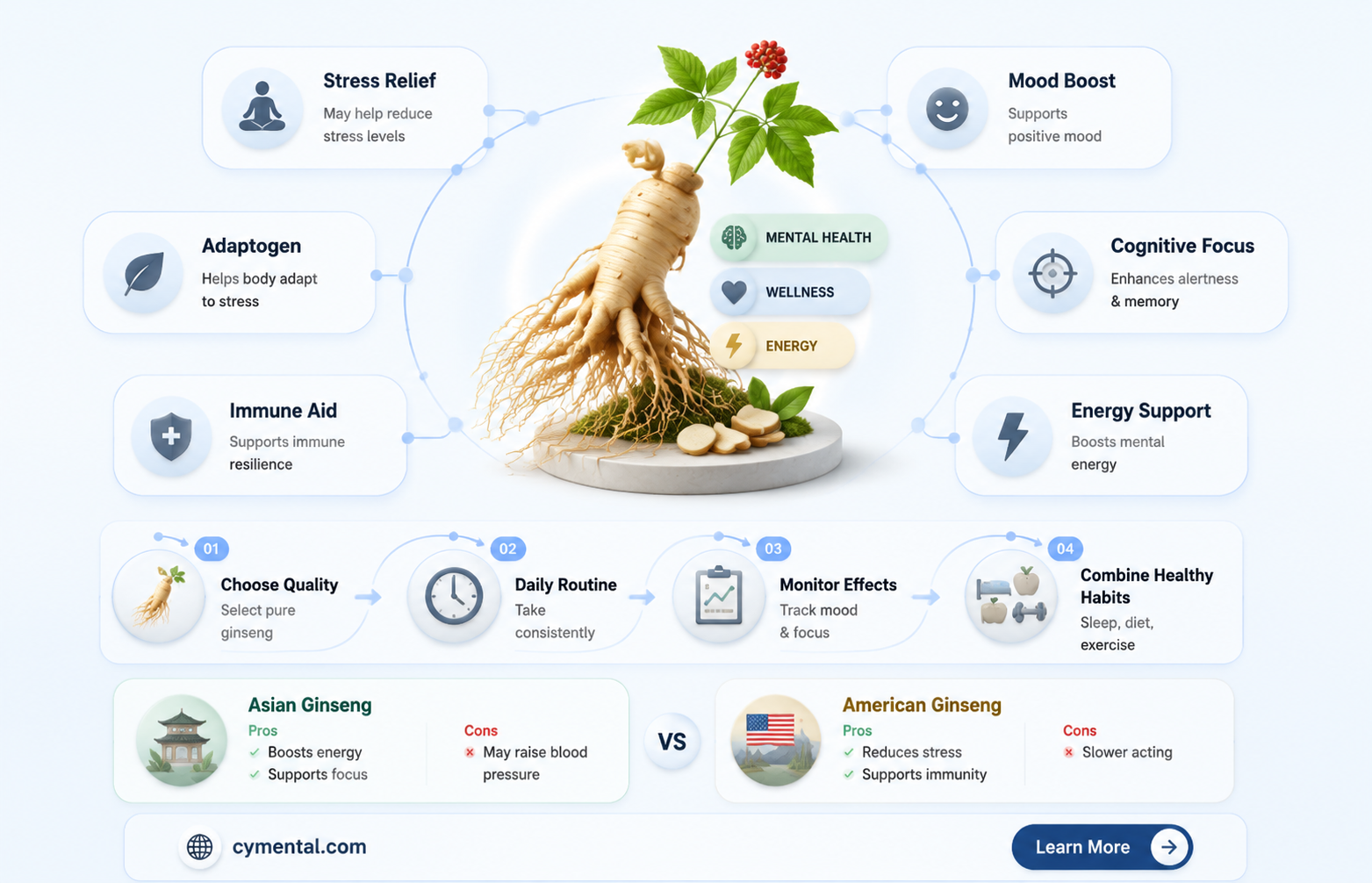
Ginseng, a traditional herbal remedy with a long history of use in Eastern medicine, has garnered attention for its potential benefits in addressing mental health issues. As mental illness continues to affect millions worldwide, researchers and individuals alike are exploring complementary therapies, including ginseng, to alleviate symptoms of conditions such as anxiety, depression, and stress. Studies suggest that ginseng may possess adaptogenic properties, helping the body regulate its response to stress, while its active compounds, like ginsenosides, are believed to influence neurotransmitter activity and promote cognitive function. However, the efficacy of ginseng in treating mental illness remains a subject of ongoing research, with varying results and a need for further investigation to establish its role as a viable adjunctive treatment.
| Characteristics | Values |
|---|---|
| Effect on Anxiety | Some studies suggest ginseng may reduce anxiety symptoms, possibly due to its adaptogenic properties and modulation of stress hormones like cortisol. |
| Effect on Depression | Limited evidence indicates ginseng may improve mood and reduce depressive symptoms, potentially through its impact on neurotransmitters like serotonin and dopamine. |
| Cognitive Function | Ginseng has been linked to enhanced cognitive performance, including improved memory, attention, and mental clarity, possibly due to its antioxidant and neuroprotective effects. |
| Stress Reduction | As an adaptogen, ginseng may help the body adapt to stress by regulating the hypothalamic-pituitary-adrenal (HPA) axis and reducing stress-related symptoms. |
| Mechanism of Action | Ginseng’s active compounds, such as ginsenosides, may influence brain function by modulating neurotransmitters, reducing inflammation, and protecting neurons from oxidative stress. |
| Safety and Side Effects | Generally considered safe for short-term use, but long-term effects are less studied. Possible side effects include insomnia, headaches, and digestive issues. |
| Research Limitations | Most studies are small-scale or preliminary, with mixed results. More rigorous, large-scale clinical trials are needed to confirm ginseng’s efficacy for mental health. |
| Type of Ginseng | Different types (e.g., Panax ginseng, Panax quinquefolius) may have varying effects on mental health, though research is inconsistent across types. |
| Dosage and Form | Optimal dosage varies; common forms include capsules, teas, and extracts. Standardized extracts are often used in studies for consistency. |
| Interaction with Medications | Ginseng may interact with certain medications (e.g., blood thinners, diabetes drugs), so consultation with a healthcare provider is recommended. |
Explore related products


What You'll Learn

Ginseng's impact on anxiety and stress reduction
Ginseng, a root steeped in traditional medicine, has garnered attention for its potential to alleviate anxiety and stress. Scientific studies suggest that ginsenosides, the active compounds in ginseng, may modulate the hypothalamic-pituitary-adrenal (HPA) axis, a key player in the body’s stress response. For instance, a 2012 study published in the *Journal of Ginseng Research* found that participants taking 200–400 mg of ginseng extract daily reported significant reductions in stress levels compared to a placebo group. This evidence positions ginseng as a promising natural remedy for those seeking to manage stress without pharmaceutical intervention.
To harness ginseng’s stress-reducing benefits, consider incorporating it into your daily routine with caution. Start with a low dose, such as 100–200 mg of standardized ginseng extract, and gradually increase to 400 mg if tolerated. Ginseng is available in various forms, including capsules, teas, and tinctures, but capsules are often preferred for precise dosing. Pairing ginseng with a balanced diet and consistent sleep schedule can amplify its effects. However, avoid taking it late in the day, as some users report mild stimulation that could interfere with sleep.
While ginseng’s anxiolytic properties are compelling, it’s not a one-size-fits-all solution. A 2018 meta-analysis in *Nutrients* highlighted that ginseng’s effectiveness varies based on factors like age, dosage, and duration of use. Younger adults (18–35) may experience more pronounced stress relief compared to older demographics, possibly due to differences in metabolic rates. Additionally, long-term use (8–12 weeks) appears more beneficial than short-term supplementation. Always consult a healthcare provider before starting ginseng, especially if you’re on medications like blood thinners or diabetes drugs, as interactions are possible.
Comparatively, ginseng stands out among herbal remedies for its dual action on stress and energy levels. Unlike valerian root, which primarily promotes relaxation, ginseng acts as an adaptogen, helping the body resist stressors while boosting vitality. This makes it particularly appealing for individuals juggling high-pressure lifestyles. For example, a 2017 study in *Planta Medica* found that office workers taking ginseng reported improved focus and reduced burnout symptoms. However, it’s worth noting that ginseng’s effects are subtle and may take weeks to manifest, requiring patience and consistency.
Incorporating ginseng into a stress management regimen requires practical strategies. For tea enthusiasts, simmering 1–2 grams of dried ginseng root in hot water for 10 minutes creates a soothing beverage. Those preferring convenience can opt for pre-measured capsules taken with breakfast. Pair ginseng with mindfulness practices like meditation or deep breathing for a holistic approach. Keep a stress journal to track improvements, noting changes in mood, energy, and sleep patterns. While ginseng isn’t a cure-all, its potential to mitigate anxiety and stress makes it a valuable tool in the mental wellness toolkit.
Legal Boundaries: Can You Mandate Mental Health Treatment for Your Spouse?
You may want to see also
Explore related products


Effects of ginseng on depression symptoms and mood enhancement
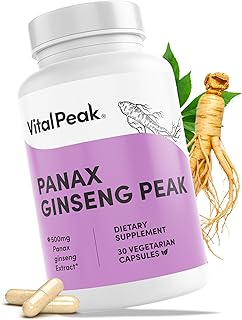
Ginseng, a staple in traditional medicine, has been scrutinized for its potential to alleviate depression symptoms and enhance mood. Research suggests that its active compounds, ginsenosides, may modulate neurotransmitters like serotonin and dopamine, which play critical roles in mood regulation. A 2018 meta-analysis published in *Phytotherapy Research* found that ginseng supplementation significantly reduced symptoms of depression in adults, particularly when used as an adjunct to conventional treatments. However, the efficacy varies based on factors such as dosage, duration, and individual health conditions.
To harness ginseng’s mood-enhancing properties, consider starting with a standardized extract containing 200–400 mg of ginsenosides daily, divided into two doses. This range aligns with clinical studies demonstrating improvements in mood and energy levels without adverse effects. For older adults or those with chronic depression, lower doses (100–200 mg) may be more appropriate to minimize potential side effects like insomnia or anxiety. Always consult a healthcare provider before beginning supplementation, especially if taking antidepressants or other medications.
Comparatively, ginseng’s approach to mood enhancement differs from synthetic antidepressants, which often target single neurotransmitter pathways. Ginseng acts as an adaptogen, helping the body manage stress and restore balance across multiple systems. This holistic mechanism may explain why some users report not only reduced depressive symptoms but also increased resilience to stressors. However, unlike pharmaceuticals, ginseng’s effects are generally milder and may take 4–6 weeks to become noticeable, requiring consistent use for optimal results.
Practical tips for incorporating ginseng into a mental health regimen include pairing it with lifestyle changes such as regular exercise, adequate sleep, and a balanced diet. For those sensitive to caffeine, opt for non-caffeinated forms like American ginseng, as Asian ginseng can be stimulating. Additionally, combining ginseng with other mood-supportive herbs like rhodiola or ashwagandha may enhance its effects, though this should be done under professional guidance to avoid interactions.
In conclusion, while ginseng shows promise for depression and mood enhancement, it is not a one-size-fits-all solution. Its effectiveness depends on proper dosing, individual health status, and complementary strategies. For those seeking natural alternatives or adjuncts to traditional treatments, ginseng offers a compelling option backed by both historical use and emerging scientific evidence.
IQ Tests and Mental Health: Diagnostic Tool or Misleading Measure?
You may want to see also
Explore related products




Ginseng's role in improving cognitive function and focus
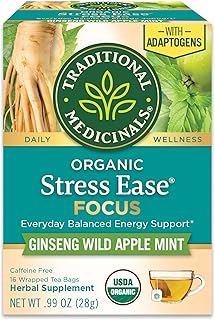
Ginseng, a root steeped in traditional medicine, has garnered modern attention for its potential to enhance cognitive function and focus. Studies suggest that ginsenosides, the active compounds in ginsenosides, interact with brain pathways to improve mental clarity and reduce fatigue. For instance, a 2013 meta-analysis published in *PLOS ONE* found that ginseng supplementation significantly improved cognitive performance in healthy adults, particularly in tasks requiring sustained attention and working memory. This makes ginseng a compelling option for those seeking natural ways to boost mental acuity.
To harness ginseng’s cognitive benefits, dosage and form matter. Standardized extracts containing 200–400 mg of ginsenosides per day are commonly recommended for adults. Ginseng can be consumed as capsules, teas, or tinctures, though absorption varies. For example, ginseng tea may offer a milder effect due to lower bioavailability, while capsules provide a more controlled dose. It’s advisable to start with a lower dose (e.g., 100 mg daily) and gradually increase to assess tolerance, as some individuals may experience mild side effects like insomnia or digestive discomfort.
Comparatively, ginseng’s cognitive effects stand out when contrasted with caffeine, a common focus aid. While caffeine provides a quick energy spike, ginseng offers sustained mental clarity without the jitters or crash. This makes it particularly suitable for long study sessions or demanding workdays. Additionally, ginseng’s adaptogenic properties mean it may help the body manage stress, further supporting focus by reducing mental fatigue. For older adults, ginseng’s potential to improve memory and cognitive function could be especially beneficial, as age-related cognitive decline becomes a concern.
Practical tips for incorporating ginseng into daily routines include pairing it with a balanced diet rich in omega-3 fatty acids and antioxidants, which synergistically support brain health. Avoid taking ginseng late in the day, as its energizing effects may interfere with sleep. For those on medication, particularly blood thinners or diabetes drugs, consulting a healthcare provider is crucial, as ginseng can interact with certain pharmaceuticals. By combining proper dosage, mindful timing, and complementary lifestyle choices, ginseng can be a valuable tool for enhancing cognitive function and focus.
Brahmi's Impact: Enhancing Mental Wellbeing and Cognitive Health Naturally
You may want to see also
Explore related products


Potential benefits of ginseng for ADHD and attention disorders
Ginseng, a traditional herb revered for centuries in Eastern medicine, has recently piqued the interest of researchers exploring its potential benefits for ADHD and attention disorders. While definitive conclusions are still emerging, preliminary studies suggest ginseng may offer a natural adjunctive approach to managing symptoms.
One key area of interest lies in ginseng's potential to enhance cognitive function, particularly focus and concentration. Certain ginsenosides, active compounds found in ginseng, have been shown to interact with neurotransmitter systems like dopamine and norepinephrine, which play crucial roles in attention and impulse control, often impaired in ADHD.
Consider a scenario where a student struggling with focus during lectures incorporates ginseng into their routine. Starting with a low dose of 200-400 mg of standardized Panax ginseng extract daily, they might experience improved sustained attention and reduced mental fatigue over several weeks. It's important to note that individual responses vary, and consulting a healthcare professional before starting any supplement is essential.
Additionally, ginseng's potential anti-inflammatory and antioxidant properties could indirectly benefit individuals with ADHD. Chronic inflammation and oxidative stress have been implicated in the pathophysiology of ADHD, and ginseng's ability to mitigate these factors may contribute to symptom improvement.
However, it's crucial to approach ginseng as a complementary therapy, not a standalone treatment for ADHD. While promising, research is still in its early stages, and more robust clinical trials are needed to establish optimal dosages, long-term effects, and potential interactions with medications commonly used for ADHD.
For those considering ginseng, opting for high-quality, standardized extracts from reputable sources is paramount. Starting with lower doses and gradually increasing under professional guidance allows for monitoring of individual response and potential side effects, which can include insomnia, headaches, and digestive issues.
Social Media's Role in Supporting Mental Health and Well-being
You may want to see also
Explore related products


Ginseng's influence on reducing mental fatigue and burnout
Ginseng, a revered herb in traditional medicine, has been scrutinized for its potential to alleviate mental fatigue and burnout, conditions increasingly prevalent in high-stress environments. Research suggests that ginseng’s adaptogenic properties may enhance cognitive function and resilience to stress by modulating the hypothalamic-pituitary-adrenal (HPA) axis, which regulates the body’s stress response. A 2013 study published in *PLoS One* found that participants taking 200–400 mg of ginseng extract daily reported significant reductions in mental fatigue and improved mental performance compared to a placebo group. This dosage range appears effective for adults aged 18–65, though individual tolerance may vary.
To harness ginseng’s benefits, consider incorporating it into your routine as a supplement or tea. For supplements, start with 200 mg daily and gradually increase to 400 mg if needed, monitoring for side effects such as insomnia or digestive discomfort. Ginseng tea, brewed from 1–2 grams of dried root, offers a milder alternative and can be consumed 1–2 times daily. Pairing ginseng with a balanced diet and consistent sleep schedule amplifies its effects, as mental fatigue often stems from lifestyle imbalances. Avoid combining ginseng with caffeine or stimulants, as this may exacerbate anxiety or restlessness.
Comparatively, ginseng stands out among natural remedies for its dual action: it not only reduces fatigue but also enhances focus and energy without the crash associated with caffeine. Unlike pharmaceutical stimulants, ginseng’s effects are subtler and cumulative, making it suitable for long-term use. However, it is not a standalone solution for burnout. Combining ginseng with mindfulness practices, such as meditation or journaling, can address both physiological and psychological aspects of mental exhaustion. For instance, a 2020 study in *Herbal Medicine* highlighted that participants who paired ginseng supplementation with mindfulness exercises experienced greater reductions in burnout symptoms than those using ginseng alone.
Practical tips for integrating ginseng include taking it in the morning to avoid sleep disturbances and choosing high-quality, standardized extracts to ensure potency. For those with pre-existing conditions like hypertension or diabetes, consult a healthcare provider, as ginseng may interact with medications. Additionally, cyclical use—taking ginseng for 2–3 months followed by a 1-month break—can prevent tolerance buildup. While ginseng is not a cure-all, its evidence-backed ability to reduce mental fatigue and enhance stress resilience makes it a valuable tool in combating burnout, particularly when paired with holistic lifestyle adjustments.
Free Clinics and Mental Health: Accessible Support or Limited Services?
You may want to see also
Frequently asked questions
Ginseng, particularly Panax ginseng, has been studied for its potential to reduce anxiety and stress. It is believed to have adaptogenic properties, which may help the body manage stress responses. Some studies suggest it can lower cortisol levels and improve mood, though more research is needed for definitive conclusions.
Ginseng may offer some benefits for depression due to its potential to enhance mood and energy levels. It is thought to influence neurotransmitters like serotonin and dopamine, which play a role in mood regulation. However, it should not replace prescribed treatments, and consulting a healthcare provider is recommended.
Ginseng has been linked to improved cognitive function, including memory and focus, which may benefit individuals with mental health conditions. Its active compounds, such as ginsenosides, are believed to support brain health. While promising, evidence is limited, and it should be used as a complementary approach, not a primary treatment.