Lucas Bennett
Emotions are complex psychological states that involve a combination of physiological responses, cognitive processes, and subjective experiences. They play a crucial role in our daily lives, influencing our thoughts, behaviors, and interactions with others. Understanding emotions is essential for personal well-being, effective communication, and building strong relationships. In this context, it's important to explore various definitions of emotions to gain a deeper insight into their nature and function.
Explore related products




What You'll Learn
- Emotions as Physical States: Emotions manifest as physiological reactions, such as increased heart rate or sweating
- Emotions as Mental States: Emotions are psychological experiences, like feelings of happiness, sadness, or fear
- Emotions as Social Constructs: Emotions are shaped by cultural and social norms, varying across different societies
- Emotions as Responses to Stimuli: Emotions arise as reactions to internal or external events, such as seeing a loved one
- Emotions as Influencers of Behavior: Emotions drive human actions and decisions, impacting how we interact with the world

Emotions as Physical States: Emotions manifest as physiological reactions, such as increased heart rate or sweating
Emotions are complex psychological states that are often accompanied by distinct physiological reactions. These reactions can include increased heart rate, sweating, trembling, and changes in breathing patterns. For example, when a person experiences fear, their body may go into a state of heightened alertness, preparing them to either fight or flee from the perceived threat. This physiological response is part of the body's natural survival mechanism.
The connection between emotions and physical states is well-documented in psychological research. Studies have shown that emotions can have a significant impact on physical health, with chronic stress and anxiety being linked to a range of health problems, including heart disease, digestive issues, and a weakened immune system. Conversely, positive emotions such as joy and contentment can have beneficial effects on physical well-being, promoting relaxation and reducing the risk of stress-related illnesses.
One interesting aspect of emotions as physical states is the phenomenon of emotional contagion, where the emotions of one person can be transmitted to others through nonverbal cues such as facial expressions, body language, and tone of voice. This can lead to a shared emotional experience, where individuals in a group may feel the same emotions without consciously realizing it. For example, if one person in a group is feeling anxious, their body language and facial expressions may cause others in the group to feel anxious as well.
Understanding emotions as physical states can also have practical applications in fields such as psychology, healthcare, and education. For instance, therapists may use techniques such as biofeedback to help clients become more aware of their physiological responses to emotions and learn to manage them more effectively. In healthcare, recognizing the emotional components of physical symptoms can lead to more holistic and effective treatment plans. In education, teaching students about the physical manifestations of emotions can help them develop emotional intelligence and better understand their own emotional experiences.
In conclusion, emotions are not just abstract psychological states, but are also closely tied to physical reactions in the body. By recognizing and understanding these physical manifestations, we can gain a deeper insight into our emotional experiences and develop more effective strategies for managing and promoting emotional well-being.
Transform Your Life: Simple Steps to Positive Change
You may want to see also
Explore related products


Emotions as Mental States: Emotions are psychological experiences, like feelings of happiness, sadness, or fear
Emotions, as mental states, are complex psychological experiences that encompass a wide range of feelings, such as happiness, sadness, fear, and anger. These states are not merely fleeting sensations but are deeply ingrained in our cognitive processes, influencing our thoughts, behaviors, and interactions with the world around us. Understanding emotions as mental states involves recognizing their multifaceted nature, which includes physiological responses, cognitive appraisals, and subjective experiences.
One key aspect of emotions as mental states is their ability to color our perceptions and shape our decision-making processes. For instance, fear can heighten our awareness of potential threats, while happiness can broaden our attention and make us more receptive to new experiences. Emotions also play a crucial role in social interactions, as they are often communicated through facial expressions, body language, and vocal intonations, enabling us to empathize with others and build meaningful relationships.
Moreover, emotions are not static entities but are dynamic and can change rapidly in response to various stimuli. This fluidity allows us to adapt to changing circumstances and navigate complex social and emotional landscapes. However, the dynamic nature of emotions also means that they can sometimes be overwhelming or difficult to manage, leading to emotional dysregulation and potential mental health issues.
In conclusion, viewing emotions as mental states highlights their intricate relationship with our cognitive processes, social interactions, and overall well-being. By understanding the complexity and dynamism of emotions, we can better appreciate their role in shaping our experiences and develop strategies to effectively manage and harness them in our daily lives.
Understanding Mental Disability Through a Biblical Lens
You may want to see also
Explore related products



Emotions as Social Constructs: Emotions are shaped by cultural and social norms, varying across different societies
Emotions, often perceived as universal and innate, are in fact significantly shaped by cultural and social norms. This perspective, known as the social construction of emotions, posits that emotional experiences and expressions are not fixed but rather vary across different societies and historical periods. For instance, the emotion of 'shame' may be experienced and expressed differently in a collectivist culture, where the emphasis is on the group's perception, compared to an individualist culture, where personal feelings take precedence.
Research in anthropology and sociology has provided ample evidence for this view. For example, studies have shown that the way people express and interpret emotions like anger, fear, and joy can differ markedly between cultures. In some societies, certain emotions may be suppressed or deemed inappropriate, while in others, they might be openly displayed and even encouraged. This variation is not limited to the expression of emotions but also extends to their conceptualization and categorization. Some cultures may have distinct emotional categories that do not exist in others, highlighting the role of language and social norms in shaping emotional experiences.
The social construction of emotions also implies that emotions can change over time within a society. Historical events, shifts in social values, and technological advancements can all influence how emotions are understood and experienced. For example, the rise of social media has introduced new ways of expressing and sharing emotions, potentially altering how individuals and societies relate to emotional experiences.
Understanding emotions as social constructs has important implications for various fields, including psychology, education, and conflict resolution. It suggests that emotional intelligence and empathy are not just about recognizing and managing one's own emotions but also about understanding and respecting the diverse emotional landscapes of others. This perspective can help foster more effective communication and cooperation across cultural boundaries, as well as promote greater tolerance and understanding within societies.
In conclusion, the social construction of emotions challenges the notion that emotions are fixed and universal. Instead, it highlights the dynamic and context-dependent nature of emotional experiences, emphasizing the role of cultural and social norms in shaping how we feel and express ourselves. This understanding can lead to more nuanced and culturally sensitive approaches in various domains, ultimately enhancing our ability to navigate the complex emotional terrain of human interactions.
Navigating Behavioral Crises: A Guide for Patient Assessment
You may want to see also
Explore related products





Emotions as Responses to Stimuli: Emotions arise as reactions to internal or external events, such as seeing a loved one
Emotions are complex psychological states that arise in response to various stimuli, both internal and external. They are often triggered by events or situations that have personal significance to an individual. For instance, seeing a loved one after a long period of separation can evoke strong emotions such as joy, relief, and affection. These emotional responses are not just fleeting feelings but are accompanied by physiological changes, such as increased heart rate, changes in facial expressions, and even alterations in brain chemistry.
The stimuli that trigger emotions can be diverse, ranging from sensory experiences like hearing a favorite song or smelling a familiar scent, to more abstract stimuli like memories, thoughts, or even bodily sensations. For example, the anticipation of a significant life event, such as a job interview or a medical diagnosis, can lead to feelings of anxiety or excitement. Similarly, internal stimuli like hunger or pain can also elicit emotional responses.
Understanding emotions as responses to stimuli is crucial in various fields, including psychology, neuroscience, and even marketing. In psychology, this perspective helps in developing theories and therapies aimed at managing and regulating emotions. For instance, cognitive-behavioral therapy (CBT) often focuses on identifying and challenging negative thought patterns that contribute to emotional distress. In neuroscience, studying the neural correlates of emotions can provide insights into the brain regions and processes involved in emotional experiences.
Moreover, recognizing the role of stimuli in evoking emotions can also inform strategies in marketing and advertising. By understanding what triggers certain emotions in consumers, marketers can design campaigns that effectively appeal to these emotional responses, thereby influencing consumer behavior. For example, an advertisement for a family-oriented product might use imagery and narratives that evoke feelings of warmth, love, and togetherness.
In conclusion, emotions are not random or uncontrollable states but are rather systematic responses to various stimuli. By understanding the nature of these stimuli and the mechanisms underlying emotional responses, we can gain valuable insights into human behavior and develop effective strategies for managing and influencing emotions in different contexts.
Understanding Mental Health Conditions That Qualify for Disability Benefits
You may want to see also
Explore related products
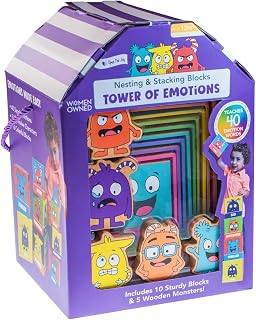


Emotions as Influencers of Behavior: Emotions drive human actions and decisions, impacting how we interact with the world
Emotions play a pivotal role in shaping human behavior, serving as the driving force behind our actions and decisions. This influence is evident in the way emotions can dictate our interactions with the world around us, from the choices we make in our personal lives to the decisions we take in professional settings. For instance, a person experiencing strong feelings of joy and excitement is more likely to engage in social activities and take risks, while someone overwhelmed by fear or anxiety may withdraw from social interactions and avoid challenging situations.
The impact of emotions on behavior is further underscored by the concept of emotional intelligence, which refers to the ability to recognize, understand, and manage one's own emotions and the emotions of others. Individuals with high emotional intelligence are better equipped to navigate complex social situations, resolve conflicts, and make decisions that take into account the emotional well-being of themselves and those around them. In contrast, those with lower emotional intelligence may struggle to understand and regulate their emotions, leading to behaviors that can be detrimental to their personal and professional relationships.
Moreover, emotions can also influence our cognitive processes, such as attention, memory, and problem-solving. For example, a person who is feeling sad or depressed may have difficulty concentrating on tasks and may be more prone to making mistakes. On the other hand, someone who is feeling happy and content may be more creative and better able to think critically. This interplay between emotions and cognition highlights the importance of emotional regulation in maintaining mental health and well-being.
In addition to their role in individual behavior, emotions also play a significant part in shaping societal norms and cultural practices. For instance, certain emotions may be valued or stigmatized in different cultures, influencing how individuals express and manage their feelings. Furthermore, emotions can be a powerful tool for social change, as they can motivate individuals to take action and advocate for causes they believe in. The civil rights movement, for example, was driven in large part by the emotions of anger, frustration, and a desire for justice.
In conclusion, emotions are a fundamental aspect of human experience that exert a profound influence on our behavior, cognition, and social interactions. By understanding and managing our emotions, we can better navigate the complexities of life and make decisions that lead to positive outcomes for ourselves and others.
Exploring the Depths of Mental Imagery: Truths and Myths Unveiled
You may want to see also
Frequently asked questions
Emotions are complex psychological states that involve feelings, thoughts, and physical sensations. They are often triggered by external events or internal thoughts and can influence our behavior and decision-making.
While emotions are complex states that involve feelings, thoughts, and physical sensations, feelings are more specific and refer to the subjective experience of an emotion. For example, happiness is an emotion, while joy and contentment are feelings associated with happiness.
Some common types of emotions include happiness, sadness, anger, fear, surprise, disgust, and shame. These emotions can vary in intensity and can be experienced in different ways by different people.
Emotions can have a significant impact on our behavior. For example, feeling angry may lead someone to act aggressively, while feeling sad may lead someone to withdraw from social interactions. Emotions can also influence our decision-making, as we may make choices based on how we feel in the moment rather than on rational thought.