Madison Cole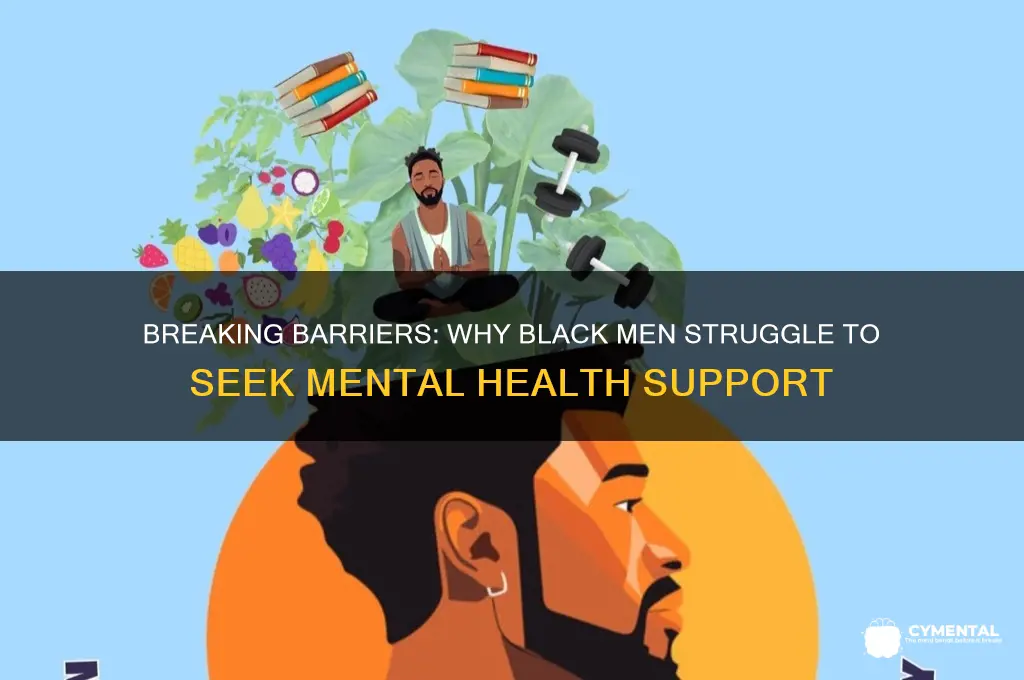
Black men often face significant barriers to accessing mental health support due to a complex interplay of systemic, cultural, and societal factors. Stigma surrounding mental health within the Black community, rooted in historical trauma and a culture of resilience, can discourage men from seeking help, as vulnerability is sometimes perceived as weakness. Additionally, systemic racism and healthcare disparities limit access to affordable, culturally competent care, while mistrust of medical institutions, stemming from a history of exploitation and mistreatment, further deters engagement. Societal expectations of masculinity, which emphasize strength and self-reliance, compound these challenges, leaving many Black men to internalize their struggles rather than seek assistance. Addressing these barriers requires targeted efforts to destigmatize mental health, improve healthcare equity, and create safe, inclusive spaces where Black men feel understood and supported.
Explore related products


What You'll Learn

Stigma in Black Communities
Black men face a unique barrier to mental health support: the weight of stigma within their own communities. This stigma manifests as a complex web of cultural expectations, historical trauma, and societal pressures that discourage vulnerability and seeking help.
"Be strong," "Man up," "Don't show weakness" – these are phrases ingrained in the Black male experience, often passed down through generations. While intended to foster resilience, they can silence conversations about emotional struggles, leaving men feeling isolated and ashamed.
Consider the historical context. Generations of Black men have endured systemic racism, discrimination, and violence. This collective trauma, coupled with the constant pressure to prove their worth in a biased society, fosters a culture of stoicism. Expressing vulnerability is often seen as a threat to the hard-won strength needed to survive. This internalized stigma becomes a self-fulfilling prophecy, preventing men from accessing the very support systems that could help them heal.
A 2019 study by the American Psychological Association found that Black men are significantly less likely than their white counterparts to seek mental health treatment, even when experiencing severe symptoms. This disparity highlights the urgent need to address the stigma within Black communities.
Challenging this stigma requires a multi-pronged approach. Firstly, we need to redefine masculinity within Black communities. Strength should not be equated with silence. Encouraging open dialogue about emotions, vulnerability, and mental health struggles is crucial. Community leaders, religious figures, and influential voices within the Black community must lead by example, sharing their own experiences and normalizing seeking help.
Secondly, mental health services need to be culturally competent and accessible. This means employing therapists who understand the unique challenges faced by Black men, offering services in familiar community settings, and incorporating culturally relevant therapeutic approaches.
Finally, education is key. Dispelling myths about mental illness, promoting awareness of available resources, and fostering a culture of empathy and support within families and communities are essential steps towards breaking down the stigma that prevents Black men from seeking the help they deserve.
Supporting Mental Health: Practical Ways to Aid the Mentally Ill
You may want to see also
Explore related products



Lack of Cultural Competence in Therapy
Black men often avoid therapy because many mental health professionals lack the cultural competence to address their unique experiences. This isn’t merely about being "nice" or "inclusive"; it’s about therapists failing to recognize how systemic racism, generational trauma, and societal expectations shape Black male mental health. For instance, a therapist who interprets a Black man’s stoicism as emotional detachment, rather than a coping mechanism rooted in cultural norms of strength, risks alienating him further. Without this understanding, therapy becomes a space where Black men feel misunderstood, not supported.
Consider the practical steps therapists can take to bridge this gap. First, incorporate culturally relevant frameworks like the Racial Identity Development Model into practice. This tool helps therapists understand how racial identity influences a client’s worldview. Second, use narrative therapy techniques that validate Black men’s stories, allowing them to reframe experiences of discrimination as resilience rather than deficiency. For example, instead of labeling anger as a symptom of a disorder, explore how it may stem from valid responses to systemic injustice. Third, diversify therapeutic modalities by integrating practices like mindfulness or group therapy, which can feel less confrontational and more communal.
A cautionary note: cultural competence isn’t a checklist. It’s an ongoing commitment to self-education and humility. Therapists must actively seek training on topics like microaggressions, intersectionality, and the impact of historical trauma. For instance, a therapist who understands the legacy of the Tuskegee Syphilis Study might better grasp why some Black men distrust medical institutions, including mental health services. Similarly, recognizing the role of code-switching in Black men’s lives can help therapists create a safe space where clients don’t feel pressured to conform to white norms.
The takeaway is clear: therapy must evolve to meet Black men where they are. This means moving beyond generic, one-size-fits-all approaches and embracing strategies that honor their cultural realities. For example, a therapist might collaborate with community leaders or incorporate elements of hip-hop or sports into sessions to make therapy feel more relatable. By doing so, mental health professionals can transform therapy from a place of discomfort into a sanctuary of healing and empowerment.
Supporting My Daughter’s Growth: Navigating Life with Mental Disabilities
You may want to see also
Explore related products




Systemic Barriers to Access
Black men face a labyrinth of systemic barriers when attempting to access mental health services, each obstacle rooted in historical, cultural, and institutional biases. One of the most pervasive barriers is the lack of culturally competent care. Mental health professionals are often trained within a Eurocentric framework, which fails to account for the unique experiences of Black men, such as racial trauma, systemic discrimination, and intersecting identities. For instance, a therapist who doesn’t understand the psychological toll of microaggressions or the impact of generational trauma may misdiagnose or dismiss a Black man’s struggles, leading to mistrust and disengagement. To address this, mental health providers must integrate cultural humility into their practice, actively seeking to understand and validate the lived experiences of their Black male clients.
Another systemic barrier lies in the geographic and financial inaccessibility of mental health services. Many Black communities are located in underserved areas with limited access to mental health clinics, and when services are available, they are often prohibitively expensive. For example, in the U.S., only 1 in 3 Black individuals with mental illness receive treatment, compared to 1 in 2 white individuals. This disparity is exacerbated by the fact that Black men are more likely to be uninsured or underinsured due to systemic economic inequalities. Policymakers and healthcare providers must prioritize funding community-based mental health programs and expanding insurance coverage to bridge this gap. Practical steps include advocating for telehealth options, which can reduce transportation barriers, and pushing for sliding-scale fee structures to make therapy more affordable.
The stigma surrounding mental health within Black communities is another significant barrier, often reinforced by systemic narratives that equate seeking help with weakness. Historically, Black men have been conditioned to suppress emotions as a survival mechanism in the face of oppression, a phenomenon sometimes referred to as the "strong Black man" stereotype. This cultural expectation discourages open dialogue about mental health struggles and perpetuates isolation. To combat this, community leaders and organizations should launch targeted campaigns that normalize vulnerability and reframe seeking help as an act of strength. For example, initiatives like the *Therapy for Black Men* movement use social media and peer support to destigmatize therapy and encourage Black men to prioritize their mental well-being.
Finally, the criminalization of mental health crises disproportionately affects Black men, creating a systemic barrier to access. When Black men experience mental health emergencies, they are more likely to encounter law enforcement rather than healthcare professionals, often with deadly consequences. For instance, studies show that Black individuals are 3-4 times more likely to be fatally shot by police during mental health crises. This reality fosters fear and distrust of institutions that are supposed to provide care, further deterring Black men from seeking help. Addressing this requires a two-pronged approach: training law enforcement in de-escalation techniques and crisis intervention, and investing in mobile crisis units staffed by mental health professionals. Communities can also advocate for policies that divert mental health calls away from police departments, ensuring that Black men receive the care they need without risking their lives.
In summary, dismantling systemic barriers to mental health access for Black men requires a multifaceted approach that addresses cultural incompetence, financial and geographic inaccessibility, community stigma, and institutional biases. By implementing targeted solutions, society can create a more equitable mental health care system that truly serves all.
Jewelry's Healing Power: Enhancing Mental Health and Well-being
You may want to see also
Explore related products


Masculinity and Emotional Suppression
Black men are often socialized to equate emotional expression with weakness, a toxic byproduct of traditional masculinity. This conditioning begins early, with boys being told to "man up" or "toughen up" in response to emotional distress. Such messages create a psychological straitjacket, where vulnerability is seen as a threat to one’s identity rather than a natural part of the human experience. The result? A generation of men who internalize pain, fearing that seeking help for mental health issues will strip them of their perceived strength.
Consider the cultural narratives that reinforce this suppression. In media, black men are frequently portrayed as stoic providers or hyper-masculine figures, leaving little room for emotional complexity. These stereotypes seep into real-life expectations, where showing emotion is often misinterpreted as a sign of inadequacy. For instance, a black man struggling with depression might avoid therapy because he believes it contradicts the image of resilience he feels pressured to maintain. This emotional armor, while seemingly protective, often leads to isolation and untreated mental health conditions.
Breaking this cycle requires intentional unlearning and relearning. Start by redefining masculinity to include emotional intelligence and vulnerability. Encourage open conversations about feelings within families and peer groups, normalizing expressions like "I’m feeling overwhelmed" or "I need support." Practical steps include incorporating mental health discussions into everyday settings, such as barbershops or community centers, where black men already gather. For example, initiatives like the *Akeem Project* use barbershops as safe spaces for mental health dialogue, blending familiarity with accessibility.
However, systemic barriers cannot be ignored. Historically, black men have faced discrimination in healthcare settings, leading to mistrust and avoidance of professional help. To counter this, advocate for culturally competent mental health services that acknowledge and address these experiences. Therapists and counselors should be trained to understand the intersection of race, gender, and mental health, ensuring black men feel seen and heard. Pairing this with community-based programs can create a supportive ecosystem that challenges emotional suppression at its roots.
Ultimately, dismantling the link between masculinity and emotional suppression is a collective effort. It demands a shift in societal norms, individual mindsets, and institutional practices. By fostering environments where vulnerability is celebrated rather than stigmatized, black men can reclaim their emotional well-being without sacrificing their sense of self. The journey is arduous, but the payoff—healthier, more authentic lives—is immeasurable.
Surviving USCG Boot Camp: Mental Resilience Strategies for Recruits
You may want to see also
Explore related products


Mistrust of Healthcare Systems
Historical injustices cast a long shadow over the relationship between Black men and healthcare systems. The Tuskegee Syphilis Study, where Black men were deliberately left untreated for syphilis without their informed consent, stands as a stark example. This betrayal, spanning decades, fostered a deep-seated mistrust that persists generations later. Such systemic abuses, coupled with a history of medical experimentation on marginalized communities, have ingrained a justified wariness towards institutions that were meant to heal.
This mistrust manifests in tangible ways. Black men are less likely to seek preventative care, adhere to treatment plans, or openly discuss mental health concerns with healthcare providers. A 2019 study published in the *Journal of Racial and Ethnic Health Disparities* found that perceived racial bias in healthcare settings significantly predicted lower mental health service utilization among Black men. The fear of being dismissed, misdiagnosed, or subjected to further harm creates a barrier that traditional outreach efforts often fail to address.
To dismantle this mistrust, healthcare systems must actively work to rebuild credibility. Culturally competent care is not optional—it’s imperative. Providers need training in racial bias awareness and the historical context that shapes Black men’s experiences. Community-based initiatives, where mental health services are delivered in trusted spaces like churches or barbershops, can bridge the gap. For instance, the *Barbershop Health Outreach Program* has successfully engaged Black men in health conversations by leveraging the familiarity and safety of these settings.
Transparency and accountability are equally crucial. Healthcare institutions must acknowledge past wrongs and commit to ethical practices moving forward. Involving Black men in the design and implementation of mental health programs ensures that their voices are heard and their needs are met. Small steps, like offering same-gender providers or extended appointment times for deeper conversations, can signal a shift toward genuine care and respect. Rebuilding trust is a slow process, but it begins with recognizing the legitimacy of Black men’s fears and taking concrete actions to address them.
Helping Mental Health: Transforming Lives, Building Resilience, and Fostering Well-being
You may want to see also
Frequently asked questions
Black men often face systemic barriers, including stigma, lack of access to affordable care, and mistrust of healthcare systems due to historical injustices like the Tuskegee experiment. Additionally, societal expectations of masculinity discourage emotional vulnerability.
Cultural stigma often labels seeking mental health help as a sign of weakness, conflicting with traditional expectations of black men to be strong and self-reliant. This internalized stigma can prevent them from reaching out for support.
The healthcare system often lacks cultural competency, leading to misdiagnosis or inadequate care for black men. Additionally, systemic racism and bias can create a hostile environment, discouraging them from engaging with mental health services.





![Race [DVD]](https://m.media-amazon.com/images/I/81Iv2STe6bL._AC_UY218_.jpg)