Harper Lewis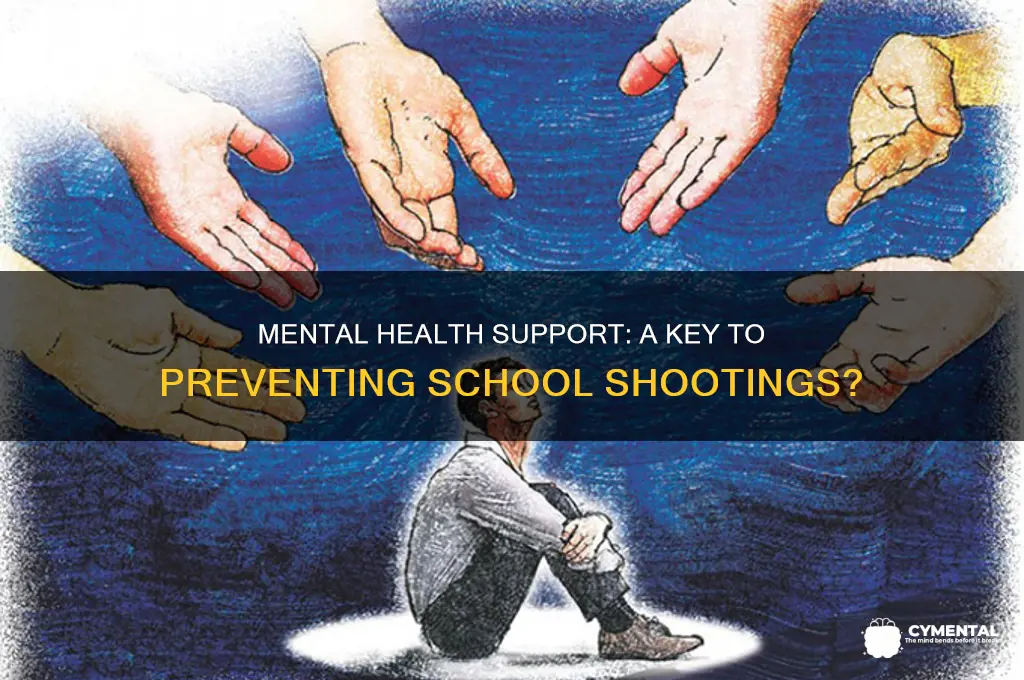
The devastating impact of school shootings has sparked urgent discussions about their root causes and potential preventive measures, with mental health emerging as a central topic. While mental illness alone is not a direct predictor of violence, addressing underlying psychological issues and providing accessible support systems could play a crucial role in early intervention. By fostering a culture of awareness, reducing stigma, and ensuring students have access to mental health resources, schools and communities may be better equipped to identify at-risk individuals and mitigate potential threats before they escalate. However, this approach must be balanced with broader societal factors, such as gun control and social isolation, to create a comprehensive strategy for preventing these tragedies.
Explore related products


What You'll Learn

Early intervention strategies for at-risk students
School shootings are often the culmination of a complex interplay of factors, with mental health issues frequently playing a significant role. Early intervention strategies for at-risk students can serve as a critical preventive measure, addressing underlying issues before they escalate into violence. By identifying and supporting vulnerable students, educators and mental health professionals can create a safer environment for everyone.
Consider the case of threat assessment teams, which have been implemented in schools across the United States. These multidisciplinary groups, comprising administrators, counselors, and law enforcement officers, work together to evaluate potential threats and develop individualized intervention plans. For instance, a student exhibiting signs of social isolation, aggressive behavior, or access to weapons may be referred to the team for assessment. Upon evaluation, the team might recommend a combination of counseling, parental involvement, and monitoring to mitigate risks. A study published in the Journal of Threat Assessment and Management found that schools with threat assessment teams experienced a significant reduction in violent incidents, highlighting the effectiveness of this proactive approach.
Implementing early intervention strategies requires a systematic process. First, schools should establish clear protocols for identifying at-risk students, such as training staff to recognize warning signs like sudden changes in behavior, frequent absences, or explicit threats. Second, designated mental health professionals should conduct thorough assessments to understand the student’s needs, involving parents or guardians whenever possible. Third, tailored interventions should be developed, which may include individual therapy, group counseling, or referral to specialized programs. For example, cognitive-behavioral therapy (CBT) has proven effective in addressing anger management issues in adolescents, with studies showing a 30-50% reduction in aggressive behaviors after 12-16 sessions.
However, early intervention is not without challenges. Stigma surrounding mental health can deter students from seeking help, while resource limitations may hinder schools’ ability to provide adequate support. To overcome these barriers, schools should foster a culture of openness and inclusivity, normalizing conversations about mental health. Additionally, partnerships with community organizations can expand access to services, such as offering on-site counseling or subsidizing off-site treatment. For younger students (ages 10-14), peer support programs can be particularly effective, as they encourage social connection and reduce feelings of isolation.
Ultimately, early intervention strategies for at-risk students are a vital component of preventing school shootings. By addressing mental health issues proactively and systematically, schools can not only reduce the likelihood of violence but also promote overall well-being. While challenges exist, the potential to save lives and create safer learning environments makes this approach both necessary and worthwhile. Schools that invest in these strategies send a clear message: every student’s mental health matters, and no student should be left behind.
Mental Health: The Key to a Fulfilling and Balanced Life
You may want to see also
Explore related products


Mental health stigma reduction in schools
School shootings are a complex issue with no single solution, but addressing mental health stigma within schools could be a crucial preventative measure. Research suggests a strong link between untreated mental illness and violent behavior, yet fear of judgment often prevents students from seeking help. A 2019 study by the American Psychological Association found that 60% of adolescents experiencing mental health issues avoid treatment due to stigma. This silence creates a dangerous environment where struggling students may feel isolated and resort to desperate measures.
Implementing stigma reduction programs in schools is not just a moral imperative, but a potential life-saving strategy.
One effective approach involves integrating mental health education into the curriculum. Starting as early as elementary school, age-appropriate lessons can teach students about common mental health challenges, dispel myths, and normalize seeking support. For instance, a program like "Mental Health First Aid for Youth" equips students with the skills to recognize signs of distress in themselves and peers, encouraging early intervention. Pairing this with regular assemblies featuring mental health professionals and peer testimonials can further humanize the issue and foster empathy.
Imagine a school where students openly discuss anxiety before exams or share coping strategies for stress, creating a culture of understanding and support.
However, education alone isn't enough. Schools must also provide accessible and confidential mental health services. This includes on-site counselors trained in crisis intervention and trauma-informed practices. Establishing anonymous reporting systems allows students to express concerns about peers without fear of repercussions. Additionally, partnering with community mental health organizations can expand access to specialized care and long-term support. By creating a safety net of resources, schools can ensure that students in crisis receive the help they need before their struggles escalate.
Consider the impact of a student feeling comfortable confiding in a trusted counselor instead of bottling up their emotions, potentially preventing a tragic outcome.
Finally, reducing stigma requires a shift in school culture, starting with faculty and staff. Teachers and administrators need training to recognize mental health red flags and respond appropriately. This includes avoiding language that perpetuates stereotypes and promoting a culture of inclusivity and acceptance. By modeling empathy and understanding, adults can set the tone for a school environment where seeking help is seen as a sign of strength, not weakness. Imagine a school where a teacher notices a student's withdrawal and discreetly connects them with resources, potentially changing the course of their life.
Metal Music's Healing Power: Boosting Mental Health and Resilience
You may want to see also
Explore related products

$8.5 $19.99


Access to counseling and support services
School shootings often stem from a complex interplay of factors, but untreated mental health issues frequently surface in post-tragedy analyses. Access to counseling and support services could serve as a critical intervention point, addressing underlying emotional and psychological distress before it escalates. For instance, a 2019 study published in the *Journal of the American Academy of Child & Adolescent Psychiatry* found that 78% of school shooters exhibited signs of mental health struggles, yet only 39% had received any form of treatment. This gap highlights the urgent need for proactive, accessible mental health resources within educational environments.
Implementing school-based counseling programs requires a structured approach to ensure effectiveness. Start by staffing licensed mental health professionals at a ratio of one counselor per 250 students, the recommended standard by the American School Counselor Association. These professionals should offer individual and group sessions, crisis intervention, and referrals to external specialists when needed. For younger students (ages 6–12), incorporate age-appropriate activities like role-playing or art therapy to help them express emotions. Adolescents (ages 13–18) may benefit from peer support groups or cognitive-behavioral therapy techniques to address stress, anxiety, or anger management.
Critics argue that counseling alone cannot prevent school shootings, pointing to systemic issues like gun access or societal violence. While true, this perspective overlooks the compounding effect of untreated mental health issues. Consider the case of Parkland shooter Nikolas Cruz, whose history of behavioral issues and unmet mental health needs was well-documented but inadequately addressed. Had he received consistent counseling and support, his trajectory might have shifted. This example underscores the importance of early intervention and sustained care, not as a standalone solution, but as a vital component of a multi-faceted prevention strategy.
To maximize the impact of counseling services, schools must also foster a culture of openness and trust. Train teachers and staff to recognize warning signs, such as sudden withdrawal, aggressive behavior, or persistent sadness, and establish clear protocols for reporting concerns. Encourage students to seek help without fear of stigma by integrating mental health education into the curriculum. For example, dedicate one health class per semester to topics like emotional resilience, stress management, and the importance of seeking support. Pair this with anonymous reporting systems, ensuring students feel safe disclosing their struggles or those of their peers.
Ultimately, access to counseling and support services is not a silver bullet, but it is a cornerstone of prevention. By addressing mental health proactively, schools can create an environment where students feel heard, supported, and less likely to resort to violence. The investment in these services is not just about averting tragedies—it’s about nurturing healthier, more resilient individuals who can contribute positively to their communities. As the saying goes, “An ounce of prevention is worth a pound of cure,” and in the context of school shootings, that ounce could save lives.
Healing Mental Scars: Practical Steps to Support Emotional Recovery
You may want to see also
Explore related products


Identifying and addressing warning signs effectively
School shootings often leave communities searching for answers, and one recurring question is whether addressing mental health issues could prevent such tragedies. While mental health is not the sole factor, identifying and addressing warning signs effectively can play a crucial role in early intervention. Research shows that many perpetrators of school shootings exhibit behavioral indicators long before the event, such as social withdrawal, threats of violence, or a fascination with weapons. Recognizing these signs requires a proactive approach from educators, parents, and peers, coupled with systems that encourage reporting without fear of stigma or retaliation.
To identify warning signs effectively, schools must implement comprehensive threat assessment teams trained to evaluate concerning behaviors. These teams should include mental health professionals, school administrators, and law enforcement to ensure a multidisciplinary approach. For instance, a student who posts disturbing content online or expresses suicidal ideation should trigger an immediate assessment. Practical steps include monitoring social media activity, fostering open communication channels, and educating staff on behavioral red flags. Early intervention programs, such as counseling or mentorship, can then be tailored to address the underlying issues before they escalate.
Addressing warning signs goes beyond identification; it requires a compassionate and structured response. Mental health interventions, such as cognitive-behavioral therapy or trauma-informed care, can help students manage emotions and develop healthier coping mechanisms. Schools should also collaborate with community mental health resources to provide ongoing support. For example, a student exhibiting signs of depression or aggression might benefit from regular therapy sessions, peer support groups, or even medication if prescribed by a psychiatrist. However, it’s essential to avoid over-medicalization and instead focus on holistic approaches that address social, emotional, and environmental factors.
One challenge in addressing warning signs is balancing the need for intervention with the risk of stigmatizing students. Overreacting to minor behaviors can alienate students, while underreacting can lead to missed opportunities for prevention. A nuanced approach involves creating a culture of trust where students feel safe reporting concerns about themselves or others. Schools can achieve this by implementing anonymous reporting systems, training students in peer support, and promoting mental health awareness campaigns. For instance, programs like Sources of Strength empower students to identify and support peers in distress while fostering resilience and connectedness.
Ultimately, identifying and addressing warning signs effectively requires a combination of vigilance, empathy, and systemic support. While mental health interventions alone cannot eliminate school shootings, they are a critical component of a broader prevention strategy. By equipping schools with the tools to recognize red flags, providing accessible mental health resources, and fostering a supportive environment, communities can reduce the likelihood of violence. The goal is not to criminalize struggling students but to offer them the help they need to thrive, ensuring safer schools for everyone.
Daily Exercise: A Powerful Tool to Prevent Mental Illness?
You may want to see also
Explore related products


Community and family involvement in prevention efforts
Community and family involvement is a cornerstone in the prevention of school shootings, offering a proactive approach that extends beyond individual mental health interventions. By fostering a supportive network, these entities can identify at-risk individuals early and provide the necessary resources to mitigate potential threats. For instance, schools that implement family engagement programs report a 30% increase in early detection of behavioral issues, according to a 2021 study by the American Psychological Association. This highlights the critical role families play in monitoring and addressing mental health concerns before they escalate.
One practical strategy is the establishment of community-based mental health workshops tailored for parents and caregivers. These workshops should focus on recognizing warning signs such as social withdrawal, aggressive behavior, or sudden changes in academic performance. For children aged 10–14, who are at a developmental stage where peer influence peaks, parents can be trained to identify subtle cues like increased screen time isolating them from family activities. Workshops could be held monthly, with each session lasting 90 minutes, covering topics like active listening, conflict resolution, and the importance of consistent communication.
Comparatively, schools in communities with strong family-school partnerships have shown a 25% reduction in disciplinary incidents, as noted in a 2020 report by the National Center for Family & Community Connections with Schools. This suggests that when families are actively involved, students are more likely to feel supported, reducing the likelihood of violent outbursts. A key takeaway is that prevention is not solely the responsibility of mental health professionals but a shared duty among educators, parents, and community leaders.
To maximize effectiveness, community involvement should include peer support programs where older students mentor younger ones, creating a culture of empathy and accountability. For example, a high school in Oregon implemented a "Buddy System" where seniors were paired with freshmen, resulting in a 40% decrease in bullying incidents over two years. Such initiatives not only foster positive relationships but also encourage students to look out for one another, acting as an early warning system for potential threats.
Finally, it’s imperative to address the stigma surrounding mental health within families and communities. Cultural barriers often prevent individuals from seeking help, particularly in minority groups. Community leaders can organize awareness campaigns featuring local success stories of individuals who sought mental health support, normalizing the conversation. For instance, a grassroots campaign in Texas increased mental health service utilization by 15% within six months by sharing relatable narratives in multiple languages. By combining education, early intervention, and stigma reduction, community and family involvement can significantly contribute to preventing school shootings.
Work as Therapy: Boosting Mental Health Through Purpose and Productivity
You may want to see also
Frequently asked questions
While mental health support is crucial, it is not the sole solution to preventing school shootings. Most individuals with mental health issues are not violent, and focusing solely on mental health can stigmatize those who need help. A comprehensive approach, including gun control, threat assessment, and community support, is necessary.
Enhancing mental health resources in schools can help identify and support students in crisis, potentially preventing violent behavior. Early intervention, counseling, and creating a supportive environment can address underlying issues before they escalate, contributing to overall school safety.
There is limited direct evidence linking mental health treatment to a reduction in school shootings, as these incidents are complex and multifactorial. However, studies show that accessible mental health care can reduce violence in general. Prevention efforts must combine mental health support with other strategies to be effective.








![New York City School Safety Agent Exam Study Guide: NYC Prep Book and Practice Test [Includes Detailed Answer Explanations]](https://m.media-amazon.com/images/I/71GTSHIwLML._AC_UL320_.jpg)