Noah Parker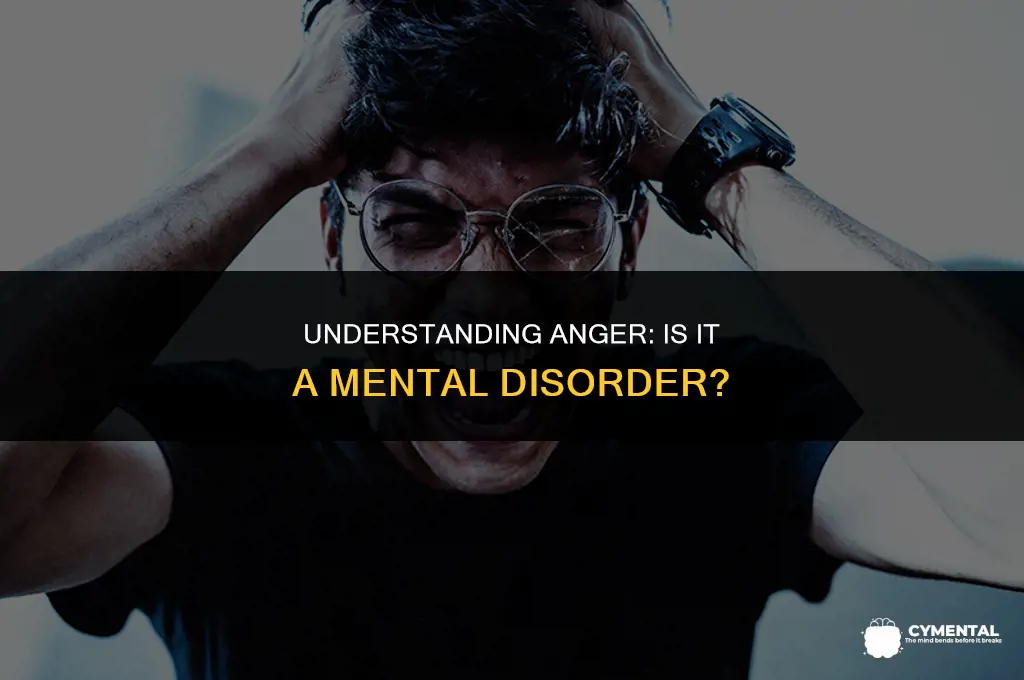
Anger issues can significantly impact an individual's mental health and well-being. While experiencing anger is a normal human emotion, persistent and uncontrolled anger can lead to various problems, including strained relationships, workplace issues, and even physical health complications. The question of whether anger issues constitute a mental disorder is complex and has been the subject of ongoing debate among mental health professionals. Some argue that anger issues can be a symptom of underlying mental health conditions, such as anxiety or depression, while others believe that anger can be a primary disorder in itself. Understanding the nature of anger issues and their potential classification as a mental disorder is crucial for developing effective treatment strategies and promoting overall mental health.
Explore related products


What You'll Learn
- Definition of Anger Issues: Understanding what constitutes anger issues and how they manifest in behavior
- Mental Disorder Classification: Exploring whether anger issues meet the criteria for a mental disorder according to psychological manuals
- Causes of Anger Issues: Investigating the potential underlying causes, including genetic, environmental, and psychological factors
- Impact on Daily Life: Discussing how anger issues can affect personal relationships, work, and overall well-being
- Treatment and Management: Reviewing therapeutic approaches and strategies for managing and treating anger issues effectively

Definition of Anger Issues: Understanding what constitutes anger issues and how they manifest in behavior
Anger issues refer to a pattern of behavior where an individual experiences intense and uncontrollable feelings of anger that interfere with their daily life and relationships. These issues can manifest in various ways, including frequent outbursts, physical aggression, verbal abuse, and destructive behavior. People with anger issues may find it challenging to manage their emotions, leading to conflicts with others and negative consequences in their personal and professional lives.
Understanding anger issues involves recognizing the underlying causes and triggers that contribute to these intense emotional responses. Common factors include stress, frustration, fear, and past traumatic experiences. Additionally, certain mental health conditions, such as depression, anxiety, and bipolar disorder, can exacerbate anger problems. It is essential to identify these contributing factors to develop effective strategies for managing and treating anger issues.
One approach to addressing anger issues is through cognitive-behavioral therapy (CBT), which helps individuals learn to recognize and change negative thought patterns and behaviors associated with anger. CBT techniques may include relaxation exercises, problem-solving skills, and communication strategies to improve emotional regulation and interpersonal relationships. In some cases, medication may also be prescribed to help manage symptoms of anger, particularly when it is associated with an underlying mental health condition.
It is important to note that while anger itself is a normal emotion, anger issues can have serious consequences if left untreated. Chronic anger can lead to physical health problems, such as high blood pressure and heart disease, as well as social isolation and legal issues resulting from aggressive behavior. Therefore, seeking professional help is crucial for individuals who struggle with managing their anger and experience negative impacts on their well-being and relationships.
In conclusion, anger issues are characterized by persistent and intense feelings of anger that disrupt daily life and relationships. These issues can stem from various factors, including stress, trauma, and mental health conditions. Effective treatment options, such as CBT and medication, are available to help individuals manage their anger and improve their overall quality of life. Recognizing the signs of anger issues and seeking appropriate support is essential for preventing the negative consequences associated with unmanaged anger.
Unveiling the Psychological Struggles of Disney Princesses
You may want to see also
Explore related products


Mental Disorder Classification: Exploring whether anger issues meet the criteria for a mental disorder according to psychological manuals
The classification of mental disorders is a complex and evolving field, with various psychological manuals offering different criteria and perspectives. When examining whether anger issues qualify as a mental disorder, it's essential to consult these authoritative sources. The Diagnostic and Statistical Manual of Mental Disorders (DSM-5), published by the American Psychiatric Association, is one such manual that provides a framework for diagnosing mental health conditions. According to the DSM-5, anger issues may be classified under the category of "Other Specified Disorder of Impulse Control" or "Unspecified Disorder of Impulse Control" if they do not meet the specific criteria for other disorders like Intermittent Explosive Disorder.
However, the DSM-5 is not the only manual used in the field of psychology. The International Classification of Diseases (ICD-11), developed by the World Health Organization, offers an alternative perspective on mental disorder classification. In the ICD-11, anger issues might be categorized under "Disorders of Impulse Control" or "Other Specified Disorders of Impulse Control." The ICD-11 emphasizes a more dimensional approach to classification, considering the severity and impact of symptoms on an individual's daily life.
It's important to note that the classification of anger issues as a mental disorder can have significant implications for treatment and support. If anger issues are recognized as a mental disorder, individuals may be more likely to seek professional help and receive appropriate interventions. On the other hand, some argue that labeling anger issues as a mental disorder may stigmatize individuals and overlook the social and environmental factors that contribute to anger problems.
In conclusion, the classification of anger issues as a mental disorder depends on the criteria outlined in various psychological manuals. While the DSM-5 and ICD-11 provide frameworks for diagnosing anger-related disorders, the debate surrounding the classification of anger issues highlights the need for a nuanced understanding of the complex factors that contribute to anger problems. Ultimately, a comprehensive approach that considers both individual and contextual factors is essential for addressing anger issues effectively.
Understanding Borderline Personality Disorder: A Mental Health Perspective
You may want to see also
Explore related products


Causes of Anger Issues: Investigating the potential underlying causes, including genetic, environmental, and psychological factors
Anger issues can stem from a complex interplay of genetic, environmental, and psychological factors. Research suggests that genetics play a significant role in predisposing individuals to anger problems. Studies have identified specific genes that influence aggression and impulsivity, which are key components of anger issues. For instance, variations in the MAOA gene, which regulates the breakdown of neurotransmitters like serotonin and dopamine, have been linked to increased aggression in certain individuals.
Environmental factors also contribute significantly to the development of anger issues. Childhood experiences, such as abuse, neglect, or witnessing violence, can shape an individual's emotional responses and coping mechanisms. Additionally, societal and cultural influences, including media portrayals of violence and aggression, can normalize and even encourage angry behavior. Chronic stress, whether from personal relationships, work, or financial problems, can further exacerbate anger issues by overwhelming an individual's ability to manage emotions effectively.
Psychological factors are another critical component in understanding anger issues. Mental health conditions such as depression, anxiety, and bipolar disorder often co-occur with anger problems. Cognitive distortions, such as catastrophizing or jumping to conclusions, can fuel angry responses by creating a sense of injustice or threat. Furthermore, personality traits like impulsivity and low frustration tolerance can make it more challenging for individuals to control their anger.
It's important to note that anger issues are not simply a result of one or two factors but rather a multifaceted problem that requires a comprehensive approach to address. By understanding the underlying causes, whether genetic, environmental, or psychological, individuals can better equip themselves with the tools and strategies needed to manage their anger effectively.
Exploring the Complex Relationship Between Gambling and Mental Health
You may want to see also
Explore related products


Impact on Daily Life: Discussing how anger issues can affect personal relationships, work, and overall well-being
Anger issues can have a profound impact on an individual's daily life, affecting various aspects of their personal and professional well-being. One of the most significant areas of impact is on personal relationships. Frequent outbursts of anger or a consistently irritable demeanor can lead to strained relationships with family members, friends, and romantic partners. Loved ones may feel hurt, threatened, or exhausted by the individual's anger, leading to a breakdown in communication and trust. In extreme cases, anger issues can contribute to the dissolution of relationships, leaving the individual feeling isolated and misunderstood.
In the workplace, anger issues can also cause significant disruptions. Angry outbursts or a hostile attitude can create a tense and uncomfortable environment for colleagues, potentially leading to conflicts and decreased productivity. Supervisors may view the individual as a liability, impacting their career advancement opportunities. Furthermore, anger issues can affect an individual's ability to concentrate and make sound decisions, ultimately compromising their job performance.
The overall well-being of an individual with anger issues is also at risk. Chronic anger has been linked to various physical health problems, including high blood pressure, heart disease, and gastrointestinal issues. Additionally, anger can exacerbate mental health conditions such as anxiety and depression, creating a vicious cycle of negative emotions. Individuals with anger issues may also engage in unhealthy coping mechanisms, such as substance abuse or overeating, which can further deteriorate their physical and mental health.
To mitigate the impact of anger issues on daily life, individuals can seek professional help from therapists or counselors who specialize in anger management. These professionals can provide strategies and techniques for managing anger, such as deep breathing exercises, cognitive restructuring, and relaxation techniques. Additionally, individuals can benefit from support groups, where they can share their experiences and learn from others who are struggling with similar issues. By addressing anger issues proactively, individuals can improve their relationships, enhance their work performance, and promote their overall well-being.
Exploring the Complex Relationship Between Religion and Mental Health
You may want to see also
Explore related products


Treatment and Management: Reviewing therapeutic approaches and strategies for managing and treating anger issues effectively
Cognitive Behavioral Therapy (CBT) is a frontline treatment for anger issues, focusing on identifying and challenging negative thought patterns that contribute to anger. In CBT, individuals learn to recognize their anger triggers and develop strategies to manage their responses. This might include techniques such as deep breathing, progressive muscle relaxation, and mindfulness practices. CBT is often conducted in a structured, goal-oriented manner, with sessions tailored to the individual's specific needs and circumstances.
Another effective therapeutic approach is Dialectical Behavior Therapy (DBT), which combines CBT with mindfulness and acceptance-based strategies. DBT emphasizes the importance of emotional regulation and teaches skills such as distress tolerance and interpersonal effectiveness. This approach is particularly beneficial for individuals who struggle with intense emotional responses and have difficulty managing their anger in the context of relationships.
In addition to individual therapy, group therapy can also be a valuable component of anger management treatment. Group settings provide a supportive environment where individuals can learn from others' experiences, practice communication skills, and receive feedback on their progress. Groups may focus on specific anger management techniques, such as assertiveness training or conflict resolution strategies.
Medication can sometimes be used in conjunction with therapy to help manage anger issues. For example, antidepressants or mood stabilizers may be prescribed to address underlying conditions that contribute to anger, such as depression or bipolar disorder. However, medication should always be used under the guidance of a healthcare professional and in combination with therapeutic interventions.
Self-help strategies can also play a role in managing anger issues. This might include keeping an anger journal to track triggers and responses, practicing relaxation techniques, and engaging in regular physical activity to reduce stress. Additionally, lifestyle changes such as improving sleep habits, maintaining a balanced diet, and limiting substance use can contribute to overall emotional well-being and help manage anger.
In conclusion, effective treatment and management of anger issues often involve a combination of therapeutic approaches, self-help strategies, and, in some cases, medication. By working with a healthcare professional and committing to a comprehensive treatment plan, individuals can learn to manage their anger and improve their overall quality of life.
Navigating the Labyrinth: Understanding the Challenges of Complex Mental Disorders
You may want to see also
Frequently asked questions
Anger issues themselves are not typically classified as a mental disorder in diagnostic manuals like the DSM-5. However, they can be a symptom of underlying mental health conditions such as depression, anxiety, or bipolar disorder. Persistent and uncontrolled anger can significantly impact daily life and relationships, warranting professional evaluation and treatment.
Common signs of anger issues include frequent irritability, outbursts of rage, physical symptoms like headaches or stomachaches, avoidance of social situations due to fear of anger, and using substances to cope with angry feelings. These signs can indicate an underlying problem that needs addressing.
Effective anger management strategies include practicing relaxation techniques like deep breathing or meditation, engaging in regular physical activity, identifying and avoiding triggers, using cognitive restructuring to change negative thought patterns, and seeking therapy or counseling to address underlying issues.
Someone should seek professional help for anger issues if their anger is impacting their daily life, causing problems in relationships, leading to legal issues, or if they feel unable to control their anger despite trying self-help strategies. A mental health professional can provide a thorough assessment and recommend appropriate treatment options.


![Anger Management [Full Screen Special Edition]](https://m.media-amazon.com/images/I/51N16JSBXDL._AC_UY218_.jpg)