Ava Ramirez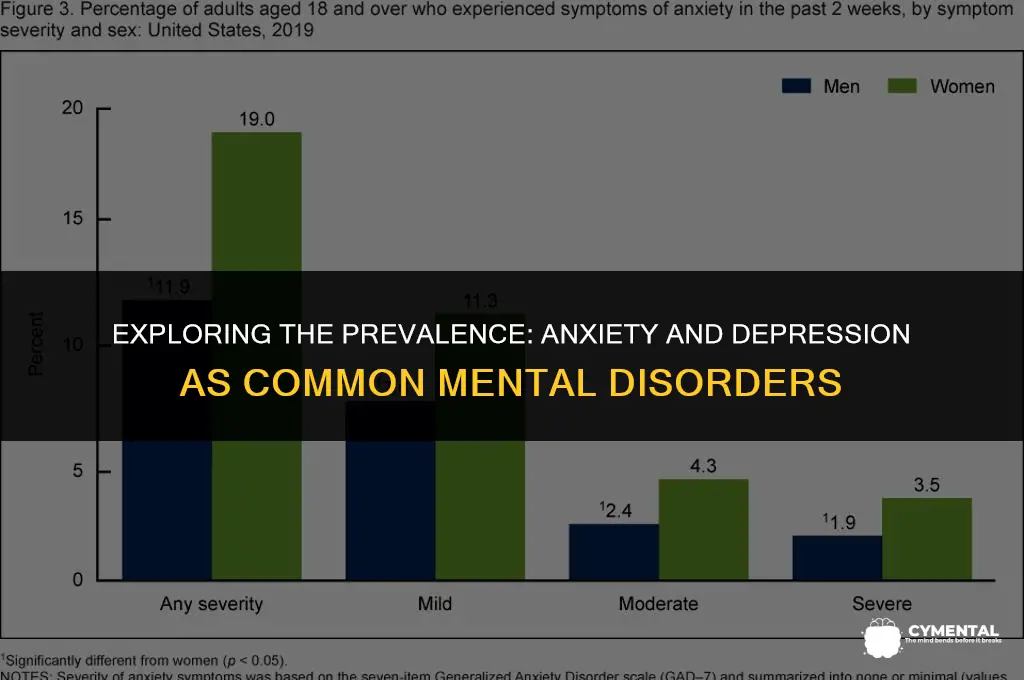
Anxiety and depression are indeed among the most prevalent mental health disorders globally, affecting millions of individuals across various demographics. According to the World Health Organization (WHO), anxiety disorders are the most common mental health condition worldwide, with an estimated 260 million people affected. Depression follows closely, impacting approximately 264 million individuals. These disorders can significantly impair daily functioning, relationships, and overall quality of life. While they are distinct conditions, anxiety and depression often co-occur, complicating diagnosis and treatment. Understanding the symptoms, causes, and available treatments for these disorders is crucial for promoting mental health awareness and supporting those affected.
| Characteristics | Values |
|---|---|
| Prevalence | Anxiety disorders are among the most common mental health conditions, affecting approximately 4% of the global population. Depression is also highly prevalent, with around 3.8% of the global population experiencing it. |
| Symptoms | Anxiety: Excessive worry, restlessness, fatigue, difficulty concentrating, irritability, sleep disturbances. Depression: Persistent sadness, loss of interest in activities, changes in appetite and sleep, fatigue, feelings of worthlessness, suicidal thoughts. |
| Risk Factors | Both anxiety and depression can be influenced by genetic predisposition, environmental factors, traumatic life events, and imbalances in brain chemistry. |
| Comorbidity | Anxiety and depression often co-occur. It's common for individuals with depression to also experience anxiety symptoms and vice versa. |
| Treatment | Both conditions are treatable. Common treatments include cognitive-behavioral therapy (CBT), medication (such as SSRIs for depression and benzodiazepines for anxiety), and lifestyle changes. |
| Impact | Anxiety and depression can significantly impact daily life, relationships, and overall well-being. They can lead to social isolation, reduced productivity, and increased risk of physical health problems. |
| Diagnosis | Diagnosis is typically made by a mental health professional through a combination of clinical interviews, questionnaires, and sometimes physical examinations to rule out other conditions. |
| Prognosis | With appropriate treatment, many individuals with anxiety and depression can experience significant improvement in their symptoms and quality of life. However, both conditions can be chronic and may require ongoing management. |
| Prevention | While it's not always possible to prevent anxiety and depression, strategies such as maintaining a healthy lifestyle, practicing stress management techniques, and seeking early intervention can help reduce the risk. |
| Public Awareness | There is growing public awareness and efforts to reduce the stigma associated with anxiety and depression, encouraging more people to seek help and support. |
Explore related products


$79.96 $99.95


What You'll Learn
- Prevalence Statistics: Anxiety and depression are among the most frequently diagnosed mental health conditions globally
- Symptom Overlap: Both disorders share common symptoms, such as persistent worry, fatigue, and difficulty concentrating
- Treatment Approaches: Therapy and medication are common treatments, with cognitive-behavioral therapy often used for both conditions
- Impact on Daily Life: Both anxiety and depression can significantly affect daily functioning, relationships, and overall quality of life
- Stigma and Awareness: Despite their prevalence, stigma remains a barrier to seeking help for these mental health issues

Prevalence Statistics: Anxiety and depression are among the most frequently diagnosed mental health conditions globally
According to the World Health Organization (WHO), anxiety and depression are indeed among the most prevalent mental health conditions worldwide. As of 2023, it is estimated that over 300 million people globally suffer from anxiety disorders, making it the most common mental health condition. Depression follows closely, affecting approximately 280 million individuals. These statistics underscore the significant impact of these disorders on global health and well-being.
The high prevalence of anxiety and depression can be attributed to various factors, including genetic predisposition, environmental stressors, and socioeconomic conditions. The WHO notes that these disorders are more common in low- and middle-income countries, where access to mental health services is often limited. Additionally, the stigma associated with mental health issues can prevent individuals from seeking help, further exacerbating the problem.
Recent studies have also highlighted the increasing prevalence of anxiety and depression among younger populations. The COVID-19 pandemic, in particular, has been linked to a rise in mental health issues, with lockdowns, social isolation, and economic uncertainty contributing to heightened levels of stress and anxiety. This trend is concerning, as untreated anxiety and depression can have severe long-term consequences, including impaired cognitive function, reduced quality of life, and increased risk of suicide.
Despite the high prevalence of these disorders, there is a growing awareness of the importance of mental health, and efforts are being made to improve access to care and reduce stigma. Governments, non-governmental organizations, and private sector entities are collaborating to develop and implement mental health strategies, increase funding for research, and promote public awareness campaigns. These initiatives are crucial in addressing the mental health needs of populations worldwide and improving overall well-being.
In conclusion, the prevalence statistics of anxiety and depression highlight the urgent need for increased attention to mental health issues globally. By understanding the factors contributing to these disorders and implementing comprehensive strategies to address them, we can work towards reducing the burden of anxiety and depression on individuals and societies worldwide.
Exploring the Intricacies: Is Love a Mental Disorder?
You may want to see also
Explore related products

$24 $29.95


$64.04 $139.99


Symptom Overlap: Both disorders share common symptoms, such as persistent worry, fatigue, and difficulty concentrating
Persistent worry, fatigue, and difficulty concentrating are symptoms commonly associated with both anxiety and depression, making it challenging to differentiate between the two disorders. This symptom overlap can lead to misdiagnosis or delayed treatment, as healthcare professionals may struggle to pinpoint the exact condition. For instance, a patient presenting with persistent worry might be initially diagnosed with anxiety, but upon further evaluation, it could become clear that the worry is a symptom of underlying depression.
One unique angle to explore is the impact of this symptom overlap on treatment strategies. Since many symptoms are shared, some treatment approaches may be effective for both disorders. Cognitive-behavioral therapy (CBT), for example, is a common treatment for anxiety that focuses on identifying and changing negative thought patterns. Interestingly, CBT can also be beneficial for depression, as it helps individuals develop coping mechanisms and improve their overall mood. Medications like selective serotonin reuptake inhibitors (SSRIs) are another example, as they are often prescribed for both anxiety and depression due to their ability to regulate serotonin levels in the brain.
However, it's crucial to note that while some treatments may be effective for both disorders, a one-size-fits-all approach is not always the best. Each individual's experience with anxiety or depression is unique, and treatment plans should be tailored to address their specific needs and symptoms. For instance, a person with severe depression may require a combination of medication and therapy, while someone with mild anxiety might benefit from lifestyle changes and relaxation techniques.
In conclusion, the symptom overlap between anxiety and depression highlights the importance of comprehensive diagnosis and personalized treatment plans. By understanding the complexities of these disorders and their shared symptoms, healthcare professionals can better support individuals on their journey to recovery.
Understanding Mental Health in America: Prevalence and Perspectives
You may want to see also
Explore related products


Treatment Approaches: Therapy and medication are common treatments, with cognitive-behavioral therapy often used for both conditions
Cognitive-behavioral therapy (CBT) stands as a frontline treatment for both anxiety and depression, addressing the underlying thought patterns and behaviors that contribute to these conditions. This therapeutic approach involves a collaborative effort between the therapist and the patient to identify and challenge negative thought processes, known as cognitive distortions, and to develop healthier coping mechanisms. Typically, CBT sessions are structured and goal-oriented, with a focus on teaching practical skills that patients can apply in their daily lives. The duration of CBT treatment can vary, but it often consists of weekly sessions over a period of several months.
Medication is another common treatment modality for anxiety and depression, often used in conjunction with therapy. Selective serotonin reuptake inhibitors (SSRIs) are a class of antidepressants that are frequently prescribed for both conditions. These medications work by increasing the levels of serotonin, a neurotransmitter that plays a key role in regulating mood, in the brain. It is important to note that medication should be prescribed and monitored by a qualified healthcare professional, as it can have side effects and may not be suitable for everyone.
In addition to CBT and medication, other therapeutic approaches may be employed depending on the individual's needs and preferences. For example, interpersonal therapy (IPT) focuses on improving communication skills and relationships, while mindfulness-based cognitive therapy (MBCT) incorporates mindfulness practices to help patients become more aware of their thoughts and emotions. In some cases, a combination of different therapies may be most effective.
It is also worth noting that lifestyle changes can play a significant role in managing anxiety and depression. Regular exercise, a balanced diet, adequate sleep, and stress management techniques can all contribute to improved mental health. Furthermore, social support from friends, family, or support groups can provide additional help and encouragement for those dealing with these conditions.
In conclusion, while anxiety and depression are indeed common mental disorders, there are a variety of effective treatment approaches available. By working with a healthcare professional and exploring different therapeutic options, individuals can find the help they need to manage their symptoms and improve their overall well-being.
Unraveling the Complexities: Hoarding and Mental Health Disorders
You may want to see also
Explore related products


Impact on Daily Life: Both anxiety and depression can significantly affect daily functioning, relationships, and overall quality of life
Anxiety and depression are not just abstract concepts or fleeting emotions; they are pervasive conditions that can deeply impact an individual's daily life. From the moment a person wakes up, these disorders can influence their ability to perform routine tasks, maintain relationships, and find joy in activities they once loved. For instance, a person with depression might struggle to get out of bed, facing a sense of dread or hopelessness that makes even the simplest tasks feel insurmountable. Similarly, someone with anxiety might find themselves constantly on edge, unable to concentrate or relax, and perpetually worried about the future.
The effects of anxiety and depression extend beyond personal well-being to affect social interactions and professional life. Relationships can suffer as individuals may withdraw from friends and family, feeling unable to connect or share their experiences. In the workplace, productivity can decline as concentration wanes and the motivation to complete tasks diminishes. Over time, this can lead to strained relationships with colleagues and supervisors, and even job loss. Furthermore, the physical health of individuals with anxiety and depression can also be impacted, as these conditions often manifest in somatic symptoms such as chronic pain, digestive issues, and sleep disturbances.
One of the most insidious aspects of anxiety and depression is their ability to distort a person's perception of reality. Negative thought patterns can become so ingrained that individuals may start to believe they are inherently flawed or that their situation is hopeless. This can lead to a vicious cycle of self-blame and despair, making it even more challenging to seek help and find a way forward. It's crucial to recognize that these disorders are not a reflection of personal weakness but are instead complex conditions that can affect anyone, regardless of their background or circumstances.
Breaking the cycle of anxiety and depression requires a multifaceted approach that includes professional treatment, self-care, and support from loved ones. Therapy and medication can provide essential tools for managing symptoms, while lifestyle changes such as regular exercise, healthy eating, and mindfulness practices can help improve overall well-being. Additionally, reaching out to friends and family can offer a sense of connection and support that is vital for recovery. By addressing these disorders comprehensively, individuals can begin to reclaim their lives and find a path towards healing and resilience.
Understanding Tourette Syndrome: Mental Health Perspectives
You may want to see also
Explore related products




Stigma and Awareness: Despite their prevalence, stigma remains a barrier to seeking help for these mental health issues
Stigma remains a pervasive barrier to seeking help for mental health issues, despite their prevalence. This is particularly true for anxiety and depression, which are often shrouded in misconceptions and societal judgments. Individuals may fear being labeled as "weak" or "crazy," leading them to suffer in silence rather than seek the help they need. This stigma can be especially damaging in certain cultures or communities where mental illness is viewed as a personal failing or a sign of shame.
One of the key factors contributing to this stigma is a lack of awareness and understanding about mental health issues. Many people do not recognize the signs and symptoms of anxiety and depression, or they may dismiss them as simply "feeling sad" or "being nervous." This lack of recognition can lead to individuals being ostracized or misunderstood by their friends, family, and even healthcare providers.
To combat this stigma, it is essential to increase awareness and education about mental health issues. This can be done through public campaigns, school programs, and community initiatives that aim to destigmatize mental illness and promote understanding. By providing accurate information about the causes, symptoms, and treatments of anxiety and depression, we can help to break down the barriers that prevent individuals from seeking help.
In addition to increasing awareness, it is also important to address the systemic issues that contribute to stigma. This includes ensuring that mental health services are accessible and affordable, and that healthcare providers are trained to recognize and treat mental health issues with compassion and understanding. By creating a more supportive and inclusive environment, we can encourage individuals to seek help without fear of judgment or discrimination.
Ultimately, overcoming the stigma associated with anxiety and depression will require a multifaceted approach that involves education, awareness, and systemic change. By working together to create a more understanding and supportive society, we can help to ensure that individuals struggling with mental health issues are able to seek the help they need and deserve.
Exploring the Complex Relationship Between Stress and Mental Health
You may want to see also
Frequently asked questions
Yes, anxiety and depression are among the most common mental disorders. According to the World Health Organization (WHO), depression is a leading cause of disability worldwide, affecting more than 300 million people. Anxiety disorders are also prevalent, with various forms such as generalized anxiety disorder, panic disorder, and social anxiety disorder affecting millions of individuals globally.
Symptoms of anxiety may include persistent worry, fear, restlessness, irritability, difficulty concentrating, and sleep disturbances. Depression symptoms can include persistent sadness, loss of interest in activities, changes in appetite and sleep patterns, fatigue, feelings of worthlessness, and thoughts of suicide. It's important to note that symptoms can vary from person to person, and both conditions can have a significant impact on daily life.
Treatment for anxiety and depression often involves a combination of psychotherapy, medication, and lifestyle changes. Cognitive-behavioral therapy (CBT) is a common form of psychotherapy that helps individuals identify and change negative thought patterns. Medications such as antidepressants and anti-anxiety drugs may be prescribed by a healthcare provider. Additionally, regular exercise, a balanced diet, and stress management techniques can help alleviate symptoms of both conditions. Seeking professional help is crucial for an accurate diagnosis and effective treatment plan.