Caleb Wright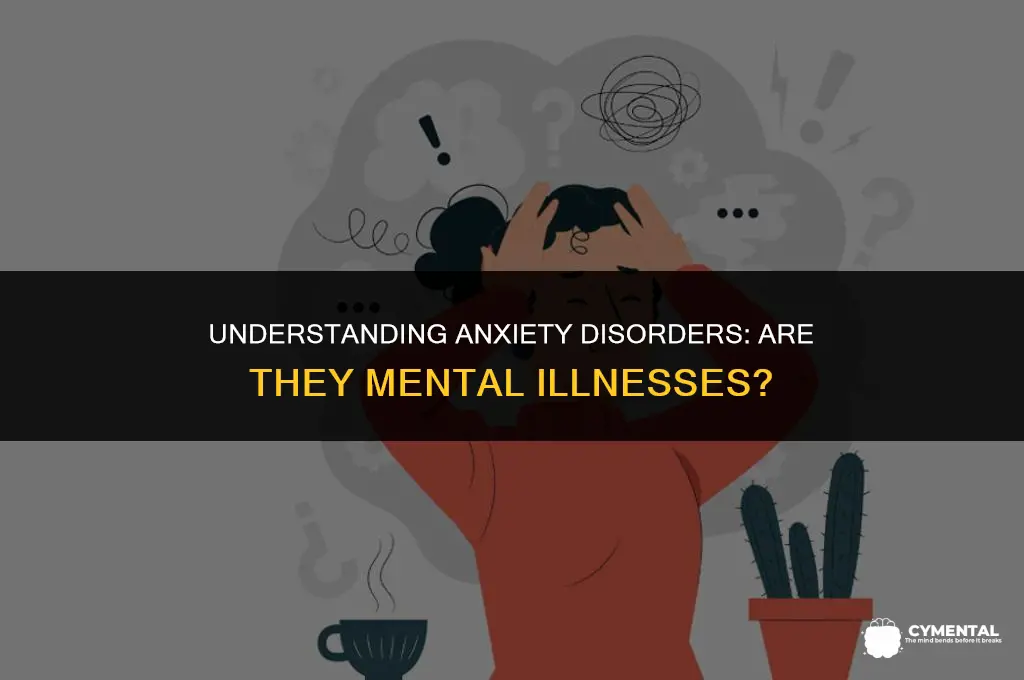
Anxiety disorders are a prevalent category of mental health conditions characterized by excessive and persistent worry, fear, or anxiety that interfere with daily life. These disorders manifest in various forms, including generalized anxiety disorder, panic disorder, social anxiety disorder, and specific phobias. While experiencing anxiety is a normal human emotion, anxiety disorders represent a more severe and chronic state that can significantly impact an individual's well-being and functioning. Understanding the nature of anxiety disorders is crucial for recognizing their signs, seeking appropriate treatment, and fostering a supportive environment for those affected.
| Characteristics | Values |
|---|---|
| Definition | Anxiety disorders are a group of mental illnesses characterized by excessive and persistent worry, fear, or anxiety that interfere with daily life. |
| Types | Generalized Anxiety Disorder (GAD), Panic Disorder, Social Anxiety Disorder, Specific Phobias, Obsessive-Compulsive Disorder (OCD), Post-Traumatic Stress Disorder (PTSD). |
| Symptoms | Common symptoms include restlessness, irritability, difficulty concentrating, excessive worry, fear, and physical symptoms like rapid heartbeat and sweating. |
| Causes | Anxiety disorders can be caused by a combination of genetic, environmental, and psychological factors. |
| Diagnosis | Diagnosed by a mental health professional through a combination of physical exams, psychological evaluations, and criteria outlined in the DSM-5. |
| Treatment | Treatment options include psychotherapy (such as cognitive-behavioral therapy), medications (like selective serotonin reuptake inhibitors), and lifestyle changes. |
| Prevalence | Anxiety disorders are among the most common mental illnesses, affecting approximately 40 million adults in the United States alone. |
| Impact | Can significantly impact daily functioning, relationships, and overall quality of life if left untreated. |
| Prognosis | With proper treatment, many individuals with anxiety disorders can experience significant improvement in their symptoms and lead fulfilling lives. |
| Research | Ongoing research aims to better understand the underlying causes of anxiety disorders and develop more effective treatments. |
| Awareness | Increasing public awareness and reducing stigma are crucial steps in encouraging individuals to seek help for anxiety disorders. |
| Support | Support groups and resources are available to help individuals cope with anxiety disorders and provide a sense of community. |
| Prevention | While not always preventable, early intervention and addressing risk factors can help reduce the likelihood of developing an anxiety disorder. |
| Comorbidity | Anxiety disorders often co-occur with other mental illnesses, such as depression and substance use disorders. |
| Cultural Considerations | Cultural factors can influence the expression and perception of anxiety disorders, highlighting the importance of culturally sensitive treatment approaches. |
Explore related products


What You'll Learn

Definition and Classification
Anxiety disorders are a group of mental health conditions characterized by excessive and persistent worry, fear, or anxiety that interfere with daily life. These disorders are classified under the broader category of mental illnesses, which are defined as conditions that affect a person's thinking, feeling, behavior, or mood. Anxiety disorders are distinct from other mental illnesses in that they are primarily characterized by anxiety as the main symptom.
The classification of anxiety disorders has evolved over time, and currently, the Diagnostic and Statistical Manual of Mental Disorders (DSM-5) lists several specific types of anxiety disorders. These include generalized anxiety disorder, panic disorder, social anxiety disorder, separation anxiety disorder, and specific phobias. Each type of anxiety disorder has its own set of diagnostic criteria, which are based on the nature and severity of the anxiety symptoms, as well as their impact on the individual's functioning.
In addition to the DSM-5, other classification systems, such as the International Classification of Diseases (ICD-10), also recognize anxiety disorders as a distinct category of mental health conditions. These classification systems provide a framework for healthcare professionals to diagnose and treat anxiety disorders, and they also facilitate research and communication about these conditions.
The classification of anxiety disorders is important because it helps to ensure that individuals receive appropriate treatment for their specific symptoms and needs. For example, someone with generalized anxiety disorder may benefit from different treatment approaches than someone with panic disorder. By understanding the specific type of anxiety disorder, healthcare professionals can develop a tailored treatment plan that addresses the individual's unique challenges.
In conclusion, anxiety disorders are a group of mental health conditions that are characterized by excessive and persistent anxiety. They are classified under the broader category of mental illnesses and are distinguished by their primary symptom of anxiety. The classification of anxiety disorders is important for ensuring that individuals receive appropriate treatment and for facilitating research and communication about these conditions.
Exploring the Complexities of Mental Health: Am I Faking It?
You may want to see also
Explore related products


Types of Anxiety Disorders
Anxiety disorders encompass a range of mental health conditions characterized by excessive and persistent worry, fear, or anxiety that interfere with daily life. One of the most common types is Generalized Anxiety Disorder (GAD), where individuals experience chronic anxiety and worry about various aspects of life, such as work, relationships, and health, without a specific trigger. Another prevalent form is Social Anxiety Disorder (SAD), also known as social phobia, which involves an intense fear of social situations and being judged or embarrassed in public.
Panic Disorder is another significant type of anxiety disorder, marked by recurrent panic attacks—sudden episodes of intense fear or discomfort that peak within minutes and can include physical symptoms like chest pain, heart palpitations, and shortness of breath. Specific Phobias are characterized by an irrational fear of a particular object, situation, or activity, such as heights, flying, or spiders, which can lead to avoidance behaviors that impact daily functioning.
Obsessive-Compulsive Disorder (OCD) is often categorized under anxiety disorders, though it has distinct features. It involves unwanted and intrusive thoughts (obsessions) that lead to repetitive behaviors (compulsions), such as handwashing, checking, or counting, performed in an attempt to relieve the anxiety caused by these thoughts. Post-Traumatic Stress Disorder (PTSD) can also be classified as an anxiety disorder, developing after exposure to a traumatic event and characterized by symptoms like flashbacks, nightmares, and severe anxiety.
Each type of anxiety disorder has unique diagnostic criteria and treatment approaches. Cognitive-behavioral therapy (CBT) and medication, such as selective serotonin reuptake inhibitors (SSRIs), are commonly used interventions. Lifestyle changes, stress management techniques, and support groups can also play a crucial role in managing symptoms and improving quality of life for individuals with anxiety disorders.
Understanding Comorbidity: When Multiple Mental Disorders Co-Occur
You may want to see also
Explore related products

$24.9 $34.99


Symptoms and Diagnosis
Anxiety disorders manifest through a variety of symptoms that can be both physical and psychological. Common physical symptoms include rapid heartbeat, sweating, trembling, and muscle tension. Psychological symptoms may encompass excessive worry, restlessness, difficulty concentrating, and sleep disturbances. These symptoms can vary in intensity and may interfere with daily activities, relationships, and overall well-being.
Diagnosing anxiety disorders typically involves a combination of clinical evaluation and psychological assessments. Healthcare professionals may use criteria outlined in diagnostic manuals, such as the DSM-5, to determine the presence of an anxiety disorder. This process often includes a thorough medical history, physical examination, and possibly laboratory tests to rule out other conditions that may mimic anxiety symptoms.
In addition to clinical evaluation, self-report measures and psychological tests can provide valuable insights into the nature and severity of anxiety symptoms. These assessments may include questionnaires, such as the Generalized Anxiety Disorder 7-item scale (GAD-7), and structured interviews, like the Anxiety Disorders Interview Schedule (ADIS). By combining these different approaches, clinicians can develop a comprehensive understanding of the individual's symptoms and make an accurate diagnosis.
It is essential to recognize that anxiety disorders are treatable conditions, and seeking professional help is crucial for effective management. Treatment options may include psychotherapy, medication, or a combination of both. Cognitive-behavioral therapy (CBT) is a common psychotherapeutic approach that helps individuals identify and change negative thought patterns and behaviors contributing to their anxiety. Medications, such as selective serotonin reuptake inhibitors (SSRIs) and benzodiazepines, can also be effective in reducing anxiety symptoms.
In conclusion, understanding the symptoms and diagnosis of anxiety disorders is vital for recognizing and addressing these common mental health conditions. By seeking professional evaluation and appropriate treatment, individuals can learn to manage their anxiety and improve their overall quality of life.
Understanding Depression: A Complex Mental Health Condition
You may want to see also
Explore related products


Causes and Risk Factors
Anxiety disorders, like many mental health conditions, arise from a complex interplay of genetic, environmental, and psychological factors. Research indicates that individuals with a family history of anxiety disorders are more likely to develop such conditions themselves, suggesting a genetic predisposition. Additionally, certain environmental stressors, such as traumatic events, chronic stress, or significant life changes, can trigger anxiety disorders in susceptible individuals.
Neurobiological factors also play a crucial role. Imbalances in neurotransmitters like serotonin and gamma-aminobutyric acid (GABA) have been linked to anxiety disorders. Furthermore, structural abnormalities in brain regions involved in emotion regulation, such as the amygdala and prefrontal cortex, may contribute to the development of these conditions.
Personality traits can also influence the risk of developing anxiety disorders. For instance, individuals with perfectionistic tendencies or those who are overly cautious may be more prone to anxiety. Social factors, such as social isolation or a lack of support, can exacerbate anxiety symptoms and increase the risk of developing a disorder.
Substance abuse and certain medical conditions can also contribute to the development of anxiety disorders. For example, the use of stimulants like caffeine or drugs like cocaine can induce anxiety symptoms. Additionally, chronic illnesses such as heart disease or diabetes can increase the risk of developing an anxiety disorder due to the ongoing stress and uncertainty associated with managing these conditions.
In conclusion, anxiety disorders are multifaceted conditions influenced by a variety of factors. Understanding these causes and risk factors can help individuals and healthcare professionals develop effective strategies for prevention and treatment.
Understanding ADHD: Is Attention Deficit Disorder a Mental Illness?
You may want to see also
Explore related products


$6.99 $10.99


Treatment and Management
Cognitive-behavioral therapy (CBT) is a frontline treatment for anxiety disorders, focusing on identifying and challenging negative thought patterns and behaviors. This structured, goal-oriented approach typically involves weekly sessions over several months, where individuals learn coping strategies and gradually confront feared situations. For instance, someone with social anxiety disorder might practice public speaking in a controlled environment, starting with small groups and progressing to larger audiences.
Medication can also play a crucial role in managing anxiety disorders. Selective serotonin reuptake inhibitors (SSRIs) and benzodiazepines are commonly prescribed, with SSRIs being preferred for long-term use due to their fewer side effects and lower risk of dependence. It's essential to consult a healthcare professional for proper diagnosis and medication management, as dosages and treatment plans vary widely based on individual needs and medical history.
Lifestyle modifications can complement traditional treatments, enhancing overall well-being and reducing anxiety symptoms. Regular physical activity, a balanced diet, and sufficient sleep are fundamental components of a healthy lifestyle. Mindfulness practices, such as meditation and deep-breathing exercises, can help individuals stay grounded in the present moment and reduce feelings of overwhelm. Additionally, limiting caffeine and alcohol intake can alleviate anxiety symptoms, as these substances can exacerbate feelings of nervousness and restlessness.
Support groups and online resources provide valuable connections and information for those managing anxiety disorders. Sharing experiences with others who understand the challenges of anxiety can foster a sense of community and reduce feelings of isolation. Online platforms offer a wealth of educational materials, coping strategies, and access to mental health professionals, making it easier for individuals to seek help and support from the comfort of their own homes.
In severe cases, residential treatment programs may be necessary, providing intensive therapy and support in a structured environment. These programs typically involve a multidisciplinary team of mental health professionals, offering a comprehensive approach to treatment that addresses the physical, emotional, and social aspects of anxiety disorders. Length of stay varies depending on individual needs, but such programs can be life-changing for those struggling with debilitating anxiety symptoms.
Exploring the Complex Psyche: Norman Bates' Mental Health
You may want to see also
Frequently asked questions
Yes, anxiety disorders are classified as mental illnesses. They are characterized by excessive and persistent worry, fear, or anxiety that interfere with daily life and can cause significant distress.
Some common types of anxiety disorders include generalized anxiety disorder (GAD), panic disorder, social anxiety disorder, separation anxiety disorder, and specific phobias.
Yes, anxiety disorders can be treated. Treatment options may include psychotherapy, such as cognitive-behavioral therapy (CBT), medication, or a combination of both. Lifestyle changes and self-help strategies can also be helpful in managing symptoms.
Symptoms of anxiety disorders can vary depending on the specific type, but common symptoms include feelings of worry, fear, or anxiety that are out of proportion to the situation, difficulty concentrating, sleep disturbances, and physical symptoms such as headaches or stomachaches.
Anxiety disorders can significantly impact daily life by causing individuals to avoid certain situations or activities, experience difficulty in relationships, and struggle with work or school performance. They can also lead to physical health problems and a decreased quality of life.