Harper Lewis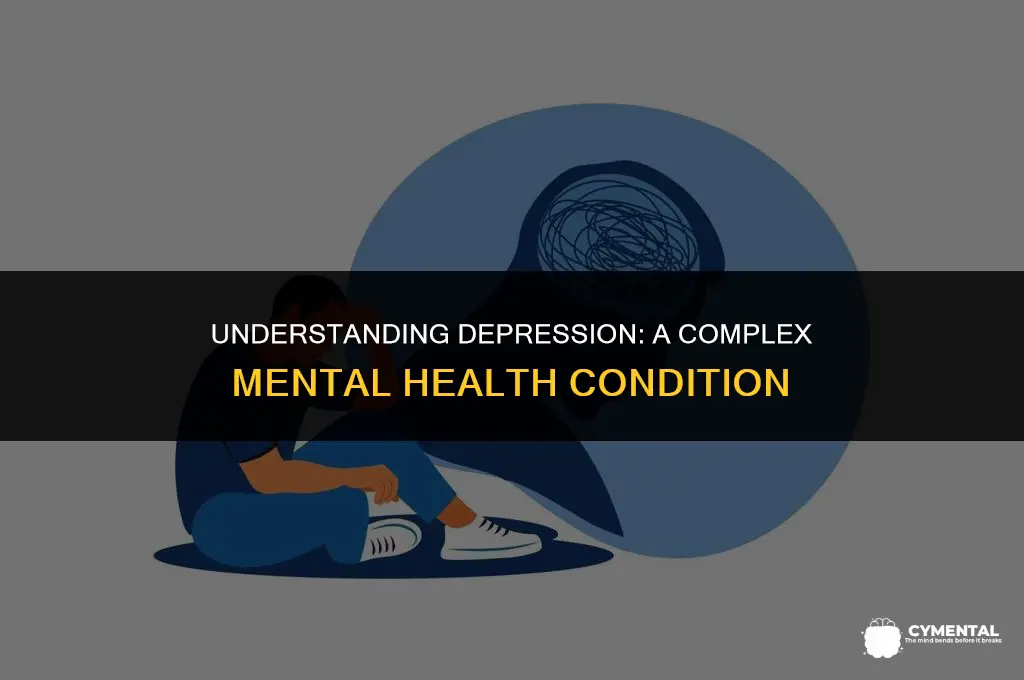
Depression is a complex and multifaceted condition that has been the subject of extensive debate and research in the field of mental health. While it is widely recognized as a serious mental health issue, there is ongoing discussion about whether it should be classified as a mental disorder. This debate centers around various factors, including the nature of depression, its causes, and the most effective approaches to treatment. Understanding depression requires a nuanced exploration of its symptoms, which can range from persistent feelings of sadness and hopelessness to physical manifestations such as fatigue and changes in appetite. Additionally, the role of societal factors, personal experiences, and biological processes in contributing to depression must be considered. By examining these aspects, we can gain a deeper understanding of depression and its place within the broader context of mental health and well-being.
Explore related products

$13.93 $14.95


$6.79 $14.99


What You'll Learn
- Definition and Classification: Understanding depression as a mental health condition classified in diagnostic manuals
- Symptoms and Diagnosis: Recognizing the signs and symptoms of depression, and how it is diagnosed by professionals
- Causes and Risk Factors: Exploring the potential biological, psychological, and environmental factors that contribute to depression
- Treatment Options: Discussing various therapies and medications used to treat depression and manage its symptoms
- Impact and Prognosis: Considering the effects of depression on daily life and the outlook for recovery with appropriate treatment

Definition and Classification: Understanding depression as a mental health condition classified in diagnostic manuals
Depression is a complex mental health condition that has been extensively studied and classified in various diagnostic manuals. These manuals, such as the Diagnostic and Statistical Manual of Mental Disorders (DSM) and the International Classification of Diseases (ICD), provide a standardized framework for understanding and diagnosing depression.
The DSM, currently in its fifth edition, defines depression as a mood disorder characterized by a persistent feeling of sadness or loss of interest. It further classifies depression into different subtypes, such as major depressive disorder, persistent depressive disorder, and seasonal affective disorder. Each subtype has specific criteria that must be met for a diagnosis to be made.
Similarly, the ICD, maintained by the World Health Organization, categorizes depression under the broader category of mental and behavioral disorders. It uses a coding system to classify different types of depression, such as F32 for major depressive disorder and F33 for persistent depressive disorder.
Understanding depression through these diagnostic manuals is crucial for healthcare professionals, as it allows them to accurately diagnose and treat the condition. By using a standardized classification system, clinicians can communicate effectively with each other and ensure that patients receive appropriate care.
However, it is important to note that these manuals are not without limitations. They are based on a consensus of experts and may not fully capture the complexity of depression. Additionally, cultural and societal factors can influence how depression is perceived and diagnosed, leading to potential biases in the classification system.
In conclusion, while diagnostic manuals provide a valuable framework for understanding depression, they should be used in conjunction with clinical judgment and consideration of individual circumstances. By doing so, healthcare professionals can ensure that patients receive the most appropriate and effective treatment for their specific needs.
Exploring the Link Between Cannabis Use and Mental Health
You may want to see also
Explore related products


Symptoms and Diagnosis: Recognizing the signs and symptoms of depression, and how it is diagnosed by professionals
Depression manifests through a variety of symptoms that can affect an individual's mood, behavior, and physical health. Common signs include persistent feelings of sadness, loss of interest in activities once enjoyed, changes in appetite and sleep patterns, fatigue, and difficulty concentrating. These symptoms can vary in intensity and duration, making it crucial for professionals to conduct a thorough evaluation to distinguish depression from other mental health conditions or normal emotional fluctuations.
Diagnosing depression typically involves a combination of clinical interviews, psychological assessments, and sometimes physical examinations. Mental health professionals, such as psychiatrists and psychologists, use standardized criteria from diagnostic manuals like the DSM-5 to determine if a patient meets the specific requirements for a depressive disorder. This process includes assessing the severity and duration of symptoms, as well as their impact on the patient's daily functioning and overall well-being.
In addition to clinical evaluations, professionals may also consider the patient's medical history, family history of mental illness, and any current medications or substances that could be contributing to their symptoms. Laboratory tests may be conducted to rule out underlying medical conditions that could be causing or exacerbating the depression, such as thyroid disorders or vitamin deficiencies.
Once a diagnosis of depression is made, the next step is to develop an appropriate treatment plan. This may involve a combination of psychotherapy, medication, lifestyle changes, and support from family and friends. The goal of treatment is to alleviate symptoms, improve functioning, and enhance the patient's overall quality of life. Regular monitoring and adjustments to the treatment plan are essential to ensure the best possible outcomes.
In conclusion, recognizing the signs and symptoms of depression is crucial for early diagnosis and effective treatment. By conducting a comprehensive evaluation and considering various factors that could be contributing to the patient's symptoms, mental health professionals can provide the necessary support and guidance to help individuals manage their depression and improve their well-being.
Understanding BPD: Is It a Mental Disorder?
You may want to see also
Explore related products


$32.99 $32.99


Causes and Risk Factors: Exploring the potential biological, psychological, and environmental factors that contribute to depression
Depression is a complex mental health condition influenced by a multitude of factors. Biological factors play a significant role, with research indicating that imbalances in neurotransmitters such as serotonin, norepinephrine, and dopamine can contribute to the development of depressive symptoms. Additionally, genetic predispositions can increase an individual's susceptibility to depression, as certain genetic variations have been linked to the disorder.
Psychological factors also contribute to the onset of depression. Cognitive distortions, such as negative thought patterns and pessimistic outlooks, can perpetuate feelings of sadness and hopelessness. Furthermore, individuals who have experienced trauma, abuse, or neglect may be more prone to developing depression due to the lasting impact of these experiences on their mental health.
Environmental factors can exacerbate or mitigate the risk of depression. Chronic stress, social isolation, and lack of access to resources and support can all contribute to the development of depressive symptoms. Conversely, a supportive social network, regular physical activity, and engagement in meaningful activities can help protect against depression.
It is important to note that depression is not caused by a single factor, but rather by a complex interplay of biological, psychological, and environmental influences. Understanding these factors can help individuals and healthcare professionals develop more effective strategies for preventing and treating depression.
In conclusion, depression is a multifaceted condition influenced by a variety of biological, psychological, and environmental factors. By exploring these factors, we can gain a better understanding of the disorder and develop more targeted interventions to support those affected by it.
Understanding Autism: Illness, Disorder, or Neurodiversity?
You may want to see also
Explore related products


Treatment Options: Discussing various therapies and medications used to treat depression and manage its symptoms
Depression, a prevalent mental health condition, can be effectively managed through a variety of treatment options. These treatments aim to alleviate symptoms, improve quality of life, and help individuals regain a sense of control and well-being. The most common approaches include psychotherapy, medication, and lifestyle changes, often used in combination for optimal results.
Psychotherapy, also known as talk therapy, involves working with a mental health professional to identify and change negative thought patterns and behaviors. Cognitive-behavioral therapy (CBT) is one of the most widely used forms of psychotherapy for depression. It focuses on helping individuals recognize distorted thinking and replace it with more balanced, constructive thoughts. Other forms of therapy, such as interpersonal therapy (IPT) and psychodynamic therapy, may also be beneficial, depending on the individual's specific needs and circumstances.
Medications, particularly antidepressants, can be highly effective in treating depression. These drugs work by balancing chemicals in the brain that affect mood and emotion. Selective serotonin reuptake inhibitors (SSRIs), such as fluoxetine (Prozac) and sertraline (Zoloft), are among the most commonly prescribed antidepressants. They are generally considered safe and have fewer side effects than older medications like tricyclic antidepressants (TCAs). However, it is important to note that finding the right medication and dosage may require some trial and error, and individuals should work closely with their healthcare provider to monitor side effects and adjust treatment as needed.
In addition to psychotherapy and medication, lifestyle changes can play a significant role in managing depression. Regular exercise, a healthy diet, and adequate sleep are essential for maintaining overall well-being and can help mitigate symptoms of depression. Mindfulness practices, such as meditation and yoga, have also been shown to be beneficial in reducing stress and improving mood. Furthermore, social support from friends, family, and support groups can provide emotional comfort and help individuals feel less isolated.
For some individuals, alternative treatments may be considered as adjuncts to traditional therapies. These may include acupuncture, herbal remedies, and light therapy, particularly for seasonal affective disorder (SAD). However, it is crucial to consult with a healthcare provider before starting any alternative treatments, as they may interact with other medications or have potential side effects.
In conclusion, treating depression involves a multifaceted approach that may include psychotherapy, medication, lifestyle changes, and alternative therapies. By working closely with healthcare providers and mental health professionals, individuals can develop a personalized treatment plan that addresses their unique needs and helps them achieve a better quality of life.
Understanding Body Dysmorphic Disorder: A Mental Health Perspective
You may want to see also
Explore related products


$9.99


Impact and Prognosis: Considering the effects of depression on daily life and the outlook for recovery with appropriate treatment
Depression significantly impacts daily life, affecting a person's ability to function normally. It can lead to difficulties in maintaining relationships, performing at work or school, and even carrying out basic daily tasks. The condition can also have physical manifestations, such as changes in appetite, sleep disturbances, and unexplained aches and pains. These symptoms can further exacerbate the challenges faced by individuals with depression, creating a vicious cycle that can be hard to break without proper intervention.
The prognosis for recovery from depression is generally positive with appropriate treatment. This often involves a combination of medication and psychotherapy. Antidepressants can help balance chemicals in the brain that affect mood, while therapy provides a supportive environment for individuals to explore their feelings and develop coping strategies. It's important to note that treatment is not one-size-fits-all, and what works for one person may not work for another. Therefore, a personalized approach to treatment is crucial for the best outcomes.
In addition to professional treatment, lifestyle changes can also play a significant role in managing depression. Regular exercise, a healthy diet, and adequate sleep can all contribute to improved mood and overall well-being. Mindfulness practices and stress reduction techniques can also be beneficial in helping individuals cope with the symptoms of depression. By adopting these healthy habits, individuals can take an active role in their recovery and improve their long-term prognosis.
It's also important to recognize that recovery from depression is not always linear. There may be setbacks and relapses along the way, but with continued treatment and support, individuals can learn to manage their symptoms and lead fulfilling lives. Seeking help is the first step towards recovery, and it's crucial for individuals to reach out to healthcare professionals, friends, or family members if they are struggling with depression. With the right support and treatment, it is possible to overcome the challenges posed by this condition and regain a sense of control and well-being.
Exploring the Intricacies: Is Oddity a Mental Disorder?
You may want to see also
Frequently asked questions
Yes, depression is classified as a mental disorder. It is a common and serious condition that affects how a person feels, thinks, and behaves. Depression can lead to a variety of emotional and physical problems, and it can decrease a person's ability to function in daily life.
Symptoms of depression can vary from person to person, but common signs include persistent feelings of sadness, emptiness, or hopelessness; loss of interest in activities that were once enjoyable; changes in appetite or sleep patterns; fatigue; difficulty concentrating; and thoughts of suicide or self-harm.
Depression is typically treated with a combination of medication and psychotherapy. Antidepressant medications can help to balance chemicals in the brain that affect mood, while psychotherapy can help individuals identify and change negative thought patterns and behaviors. In some cases, other treatments such as electroconvulsive therapy (ECT) may also be used.