Lucas Bennett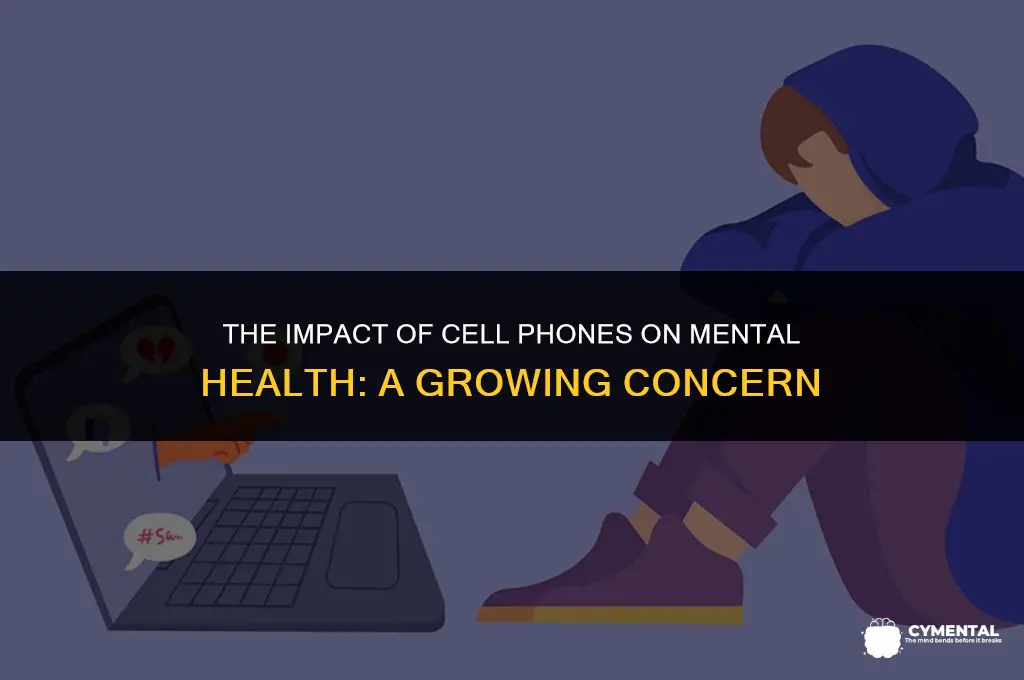
The proliferation of cell phones has sparked a growing concern about their potential impact on mental health. With the constant connectivity and barrage of notifications, many are beginning to question whether these devices are contributing to the rise of mental disorders such as anxiety, depression, and ADHD. Research suggests that excessive screen time can lead to sleep disturbances, social isolation, and a decrease in physical activity, all of which are known risk factors for various mental health issues. Furthermore, the addictive nature of social media and online gaming can exacerbate these problems, leading to a vicious cycle of dependency and negative psychological effects. As the debate surrounding the role of cell phones in mental health continues, it is crucial to examine the latest scientific evidence and consider the implications for individuals and society as a whole.
Explore related products




What You'll Learn
- Social Media Addiction: Excessive use of social media platforms on cell phones leading to addictive behaviors
- Sleep Deprivation: Exposure to blue light and late-night usage disrupting sleep patterns and contributing to mental health issues
- Cyberbullying: Harassment and bullying through digital communication channels causing emotional distress and psychological harm
- Information Overload: Constant influx of notifications and information leading to anxiety, stress, and decreased attention span
- Decreased Face-to-Face Interaction: Reduced in-person communication due to reliance on cell phones affecting social skills and emotional well-being

Social Media Addiction: Excessive use of social media platforms on cell phones leading to addictive behaviors
Social media addiction is a growing concern as cell phone usage becomes increasingly ubiquitous. This phenomenon is characterized by an excessive and compulsive reliance on social media platforms, often leading to negative consequences on an individual's mental health and daily functioning. Research suggests that the constant stream of notifications, likes, and comments can activate the brain's reward system, creating a cycle of dependency similar to that seen in substance abuse disorders.
One unique angle to consider is the role of social media algorithms in perpetuating addictive behaviors. These algorithms are designed to maximize user engagement by tailoring content to individual preferences and behaviors. While this personalization can enhance the user experience, it can also contribute to a reinforcing cycle of consumption, as users are continually presented with content that aligns with their existing interests and behaviors.
Furthermore, the fear of missing out (FOMO) and the pressure to present a curated online persona can exacerbate social media addiction. Users may feel compelled to constantly check their accounts to stay updated on social events or to maintain a certain image, leading to increased anxiety and stress when they are unable to do so.
To address social media addiction, it is essential to implement strategies that promote healthy usage habits. This may include setting boundaries for screen time, disabling notifications, and engaging in alternative activities that provide a sense of fulfillment and connection. Additionally, raising awareness about the potential risks of excessive social media use and encouraging open conversations about mental health can help to reduce the stigma associated with seeking help for addiction.
In conclusion, social media addiction is a complex issue that requires a multifaceted approach. By understanding the underlying mechanisms and implementing targeted interventions, individuals can take steps to mitigate the negative impacts of excessive social media use and cultivate a healthier relationship with technology.
Exploring the Complex Link Between Eating Disorders and Mental Health
You may want to see also
Explore related products


Sleep Deprivation: Exposure to blue light and late-night usage disrupting sleep patterns and contributing to mental health issues
The pervasive use of cell phones, particularly before bedtime, has been linked to sleep deprivation, a condition that can significantly impact mental health. Exposure to blue light emitted by screens can suppress the production of melatonin, the hormone responsible for regulating sleep-wake cycles. This disruption can lead to difficulty falling asleep, staying asleep, and achieving restorative sleep, which is essential for cognitive function and emotional well-being.
Research has shown that individuals who use their cell phones late at night are more likely to experience symptoms of insomnia, daytime fatigue, and irritability. Over time, chronic sleep deprivation can contribute to the development of mental health disorders such as anxiety, depression, and even psychosis. The impact is particularly pronounced among adolescents, whose brains are still developing and are more sensitive to the effects of sleep loss.
To mitigate these risks, experts recommend establishing a consistent sleep schedule, creating a relaxing bedtime routine, and avoiding screen time for at least an hour before bed. Additionally, using blue light filtering apps or wearing blue light blocking glasses can help reduce the impact of screen exposure on sleep. It is also important to create a sleep-conducive environment by ensuring the bedroom is dark, quiet, and cool.
In conclusion, while cell phones have revolutionized the way we communicate and access information, their late-night use can have detrimental effects on sleep patterns and mental health. By adopting healthy sleep habits and minimizing screen time before bed, individuals can reduce their risk of sleep deprivation and its associated mental health consequences.
Understanding Self-Harm: A Complex Mental Health Issue
You may want to see also
Explore related products


Cyberbullying: Harassment and bullying through digital communication channels causing emotional distress and psychological harm
Cyberbullying is a pervasive issue that has emerged with the widespread use of digital communication channels. It involves the use of electronic devices, such as cell phones, computers, and tablets, to harass, intimidate, or bully others. This form of bullying can take many shapes, including sending threatening messages, sharing personal information, or excluding someone from online social groups. The anonymity and distance provided by digital platforms can embolden bullies, making it easier for them to target their victims without fear of immediate consequences.
The impact of cyberbullying on mental health can be severe. Victims often experience emotional distress, anxiety, depression, and in some cases, even suicidal thoughts. The constant connectivity of cell phones means that victims can be targeted at any time, leading to a sense of helplessness and vulnerability. Moreover, the permanence of digital messages and images can lead to long-lasting psychological harm, as victims may feel that their reputation has been irreparably damaged.
One unique aspect of cyberbullying is the role of bystanders. Unlike traditional bullying, where bystanders are often physically present and can intervene, cyberbullying can occur in private, making it difficult for others to step in. However, bystanders can still play a crucial role by reporting incidents of cyberbullying to the appropriate authorities or supporting the victim emotionally.
Preventing cyberbullying requires a multifaceted approach. Education is key, as many young people may not be aware of the severity of their actions or the impact they can have on others. Parents, teachers, and policymakers must work together to create safe online environments and teach digital citizenship. Additionally, technology companies have a responsibility to develop tools and policies that can help prevent and address cyberbullying.
In conclusion, cyberbullying is a serious issue that can have profound effects on mental health. Addressing this problem requires a combination of education, policy changes, and technological solutions. By working together, we can create a safer digital world where everyone can communicate freely without fear of harassment or bullying.
Understanding Mental Health: A Guide to Common Disorders
You may want to see also
Explore related products


Information Overload: Constant influx of notifications and information leading to anxiety, stress, and decreased attention span
The constant barrage of notifications and information from cell phones can lead to a state of information overload, where the brain is unable to process the sheer volume of data being thrown at it. This can result in feelings of anxiety and stress, as the individual struggles to keep up with the demands of their digital environment. Furthermore, the constant switching between tasks and the interruptions caused by notifications can decrease attention span, making it difficult to focus on any one task for an extended period of time.
One of the main contributors to information overload is the fear of missing out (FOMO), which drives individuals to constantly check their phones for updates and notifications. This can lead to a vicious cycle, where the more notifications one receives, the more anxious one becomes about missing something important. Additionally, the blue light emitted by cell phones can interfere with sleep patterns, further exacerbating feelings of stress and anxiety.
To combat information overload, it is important to set boundaries and establish healthy habits around cell phone use. This can include setting specific times for checking notifications, turning off unnecessary alerts, and taking regular breaks from digital devices. Mindfulness practices, such as meditation and deep breathing exercises, can also help to reduce stress and anxiety caused by information overload.
Moreover, it is crucial to prioritize tasks and focus on the most important information, rather than trying to process everything at once. This can involve using tools such as to-do lists and productivity apps to help manage the influx of information and stay organized. By taking a proactive approach to managing information overload, individuals can reduce their stress levels and improve their overall mental well-being.
In conclusion, information overload is a significant issue that can contribute to mental disorders such as anxiety and stress. By understanding the causes and effects of information overload, and implementing strategies to manage it, individuals can take control of their digital environment and improve their mental health.
Understanding Psychiatric Disorders: A Comprehensive Guide to Mental Health Conditions
You may want to see also
Explore related products


![Tracfone, TCL FLIP 3, 16GB, Flip Phone, Stone Gray, 5MP Video Capable Camera, Locked [Sim Card Included - Separate Purchase Not Necessary]](https://m.media-amazon.com/images/I/71pHd1TnzWL._AC_UY218_.jpg)


Decreased Face-to-Face Interaction: Reduced in-person communication due to reliance on cell phones affecting social skills and emotional well-being
The proliferation of cell phones has led to a significant reduction in face-to-face interactions, a trend that is impacting social skills and emotional well-being. This decrease in in-person communication is particularly concerning among younger generations, who are growing up in a world where digital interactions often supersede real-life connections. Research indicates that this shift can lead to difficulties in developing essential social skills, such as empathy, active listening, and nonverbal communication.
One of the primary reasons for this decline in face-to-face interaction is the convenience and constant availability of cell phones. With the ability to communicate instantly through text messages, social media, and video calls, many individuals are opting for digital interactions over in-person meetings. This can result in a lack of opportunities to practice and refine social skills that are crucial for building and maintaining relationships.
Furthermore, the reliance on cell phones for communication can also affect emotional well-being. The absence of physical presence and the limitations of digital communication can lead to misunderstandings and a lack of emotional connection. This can contribute to feelings of isolation and loneliness, even among individuals who are frequently connected to others through their devices.
To mitigate these effects, it is essential to encourage and prioritize face-to-face interactions whenever possible. This can involve setting aside time for in-person meetings, engaging in activities that promote social interaction, and being mindful of the limitations of digital communication. By fostering a balance between digital and in-person connections, individuals can develop healthier social skills and emotional well-being.
In conclusion, the decreased face-to-face interaction resulting from the reliance on cell phones is a significant issue that warrants attention. By understanding the impact of this trend and taking steps to promote in-person communication, we can help to mitigate its negative effects on social skills and emotional well-being.
Exploring Mental Health Through the Lens of Scripture
You may want to see also
Frequently asked questions
The relationship between cell phone use and mental disorders is complex and still under research. While cell phones themselves are not a direct cause of mental disorders, excessive use and dependency can contribute to issues such as anxiety, depression, and sleep disturbances.
Social media use on cell phones can have both positive and negative impacts on mental health. On one hand, it can provide a sense of connection and community. On the other hand, excessive use, comparison with others, and exposure to negative content can lead to feelings of inadequacy, anxiety, and depression.
Signs of cell phone addiction may include compulsive checking of the phone, feeling anxious when not using it, neglecting other activities and responsibilities, and experiencing withdrawal symptoms when trying to cut down on usage.
To reduce the negative impact of cell phones on mental health, one can set boundaries on usage, engage in other offline activities, practice mindfulness, and seek professional help if experiencing persistent mental health issues related to cell phone use.