Madison Cole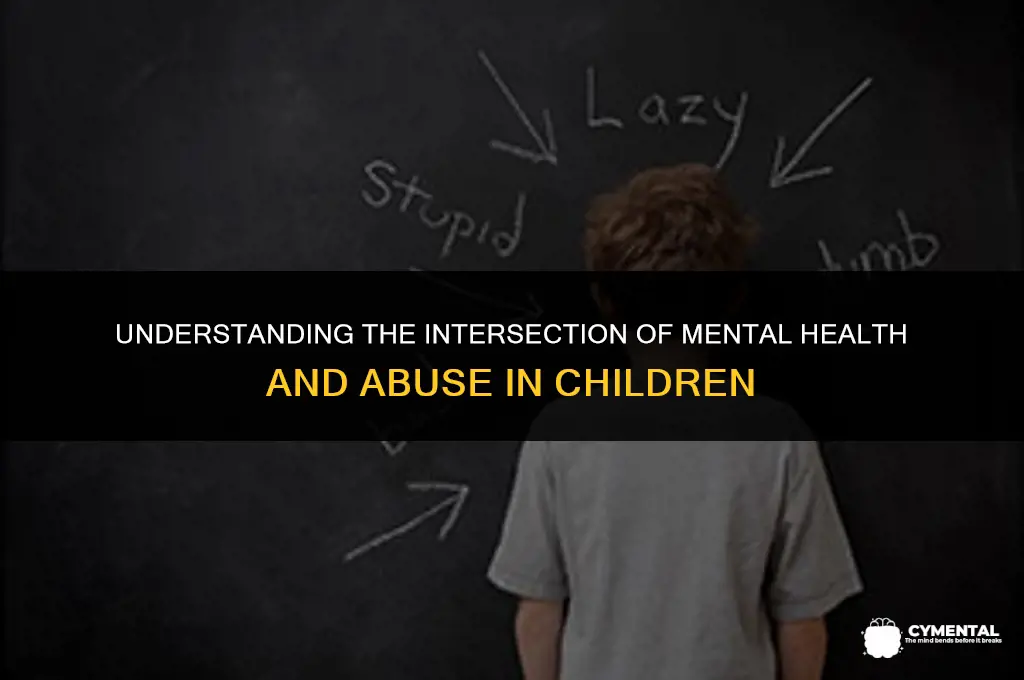
The question of whether children with mental disorders are more likely to be abused is a complex and sensitive topic that requires careful consideration. Research indicates that children with mental health challenges may be at a higher risk of experiencing abuse due to various factors, including their vulnerability, potential difficulties in communication, and the stigma surrounding mental illness. However, it is crucial to approach this topic with nuance, recognizing that the presence of a mental disorder does not inherently make a child more susceptible to abuse. Instead, it is the interplay of multiple factors, such as the child's environment, support system, and the presence of protective factors, that ultimately influences their risk of experiencing abuse.
| Characteristics | Values |
|---|---|
| Increased Vulnerability | Children with mental disorders may exhibit behaviors or have needs that make them more susceptible to abuse. For example, a child with a learning disability might be more easily manipulated or less able to report abuse. |
| Communication Barriers | Mental disorders can sometimes impair a child's ability to communicate effectively, making it harder for them to express their needs or report abuse. This can be particularly true for children with autism spectrum disorders or those with severe anxiety. |
| Social Isolation | Children with mental health issues might have fewer social connections, reducing the likelihood that abuse will be noticed and reported by peers or other adults in their lives. |
| Difficulty in Recognizing Abuse | Some mental disorders can affect a child's perception of reality or their ability to recognize harmful situations. This could make it harder for them to identify abuse or understand its severity. |
| Higher Risk of Placement in Foster Care or Institutions | Children with significant mental health needs are more likely to be placed in foster care or institutional settings, where the risk of abuse can be higher due to factors like staff shortages or inadequate training. |
| Increased Stress and Trauma | Children with mental disorders may experience heightened stress and trauma in response to abuse, potentially exacerbating their mental health symptoms and making recovery more challenging. |
| Perpetrator's Knowledge of Child's Vulnerabilities | Abusers may target children with mental disorders because they are aware of the child's vulnerabilities and know how to exploit them. This can include using the child's disorder against them or manipulating their perceptions. |
| Lack of Support Systems | Children with mental health issues might lack strong support systems, making it easier for abusers to isolate them and prevent them from seeking help. |
| Stigma and Discrimination | The stigma surrounding mental illness can lead to discrimination against children with mental disorders, potentially making them more vulnerable to abuse and less likely to receive appropriate support and protection. |
| Need for Specialized Care | Children with mental disorders often require specialized care and support, which may not always be available or adequately provided, increasing their risk of being abused. |
Explore related products




What You'll Learn
- Vulnerability Factors: Children with mental disorders may exhibit behaviors that make them more susceptible to abuse
- Parental Stress: Parents of children with mental disorders may experience higher stress levels, potentially leading to abusive behaviors
- Social Isolation: Children with mental disorders might face social isolation, reducing their ability to seek help from peers or authorities
- Communication Barriers: Mental disorders can impair a child's ability to communicate effectively, making it harder to report abuse
- Systemic Failures: Gaps in mental health support and child protection systems can contribute to the risk of abuse for these children

Vulnerability Factors: Children with mental disorders may exhibit behaviors that make them more susceptible to abuse
Children with mental disorders may exhibit behaviors that increase their vulnerability to abuse due to several factors. One significant factor is their potential difficulty in recognizing and interpreting social cues, which can make them more susceptible to manipulation by abusive individuals. For instance, a child with autism spectrum disorder might struggle to understand the nuances of body language and facial expressions, making it harder for them to detect when someone is being insincere or threatening.
Another vulnerability factor is the tendency of some mental disorders to impair a child's ability to communicate effectively. Children with speech or language disorders, for example, might find it challenging to express their feelings or report instances of abuse, leaving them more exposed to ongoing harm. Additionally, children with anxiety or depression may be more likely to internalize their experiences and suffer in silence, fearing that they will not be believed or that speaking out will make the situation worse.
Children with mental disorders may also be more prone to risky behaviors, which can further increase their vulnerability to abuse. For example, a child with attention deficit hyperactivity disorder (ADHD) might engage in impulsive actions without fully considering the consequences, potentially putting themselves in dangerous situations. Similarly, children with conduct disorder may exhibit aggressive or antisocial behaviors, which can lead to conflicts with peers or authority figures and create opportunities for abuse to occur.
Moreover, the social isolation that often accompanies mental disorders can make children more susceptible to abuse. Children who struggle with social interactions or have difficulty forming relationships may be more likely to seek attention and validation from anyone, including individuals who may have harmful intentions. This can create a power imbalance that abusive individuals can exploit, as the child may feel dependent on the abuser for emotional support or social connection.
In conclusion, children with mental disorders may face a heightened risk of abuse due to a combination of factors, including difficulties in recognizing social cues, impaired communication abilities, risky behaviors, and social isolation. It is crucial for caregivers, educators, and mental health professionals to be aware of these vulnerability factors and take proactive steps to protect and support children with mental disorders, ensuring their safety and well-being.
Understanding Mental Health Disorders That Qualify for Disability Benefits
You may want to see also
Explore related products


Parental Stress: Parents of children with mental disorders may experience higher stress levels, potentially leading to abusive behaviors
Parents of children with mental disorders often find themselves navigating a complex and challenging landscape. The stress associated with caring for a child with mental health needs can be overwhelming, leading to a range of emotional and psychological responses. Research indicates that these parents may experience higher levels of stress compared to parents of children without mental disorders. This heightened stress can manifest in various ways, including increased anxiety, depression, and feelings of isolation.
One of the concerning outcomes of parental stress is the potential for abusive behaviors. When parents are under significant stress, they may be more likely to react impulsively or aggressively to their child's behaviors, leading to verbal or physical abuse. It is important to note that this does not excuse abusive behavior, but rather highlights the need for support systems and interventions to help parents manage their stress effectively.
Several factors contribute to the elevated stress levels experienced by parents of children with mental disorders. These include the child's symptoms, the demands of caregiving, and the societal stigma associated with mental illness. Parents may also struggle with feelings of guilt, shame, or inadequacy, further exacerbating their stress.
To mitigate the risk of abusive behaviors, it is crucial to provide parents with adequate support and resources. This may include access to mental health services, respite care, and educational programs that help parents understand and manage their child's condition. Additionally, fostering a supportive community environment can help reduce the stigma and isolation that often accompany parenting a child with mental health needs.
In conclusion, the stress experienced by parents of children with mental disorders is a significant issue that requires attention and intervention. By addressing the root causes of this stress and providing appropriate support, we can work towards creating a safer and more nurturing environment for both parents and children.
Exploring the Thin Line: Abnormalities vs. Mental Disorders
You may want to see also
Explore related products


Social Isolation: Children with mental disorders might face social isolation, reducing their ability to seek help from peers or authorities
Children with mental disorders often experience social isolation, which can significantly impact their ability to seek help from peers or authorities. This isolation can stem from various factors, including stigma associated with mental health issues, difficulty in forming and maintaining relationships, and the internalized belief that they are different or unworthy of social interaction. As a result, these children may find themselves increasingly withdrawn and disconnected from their social environment.
The consequences of social isolation for children with mental disorders are multifaceted. Firstly, it can exacerbate their mental health symptoms, as the lack of social support and understanding can lead to increased feelings of loneliness, anxiety, and depression. Secondly, social isolation can hinder their ability to develop important social skills, such as communication, empathy, and conflict resolution, which are crucial for navigating relationships and seeking help when needed. Thirdly, isolated children may be more vulnerable to abuse, as they may not have the support network to recognize and report abusive behavior.
To address social isolation in children with mental disorders, it is essential to create inclusive and supportive environments that foster social connections and promote mental health awareness. This can be achieved through various strategies, such as implementing mental health education programs in schools, providing access to peer support groups, and training educators and caregivers to recognize and respond to signs of social isolation. Additionally, efforts should be made to reduce stigma surrounding mental health issues and to promote a culture of acceptance and understanding.
In conclusion, social isolation is a significant challenge faced by children with mental disorders, and it can have far-reaching consequences for their well-being and ability to seek help. By addressing this issue through education, support, and stigma reduction, we can help create a more inclusive and supportive society for all children.
Understanding Suicidal Ideation: Is It a Mental Health Disorder?
You may want to see also
Explore related products

$11.99 $29.99


Communication Barriers: Mental disorders can impair a child's ability to communicate effectively, making it harder to report abuse
Children with mental disorders often face significant challenges in communication, which can exacerbate their vulnerability to abuse. This impairment in communication ability can manifest in various ways, such as difficulty in verbal expression, non-verbal cues, or understanding social interactions. For instance, a child with autism spectrum disorder might struggle to interpret facial expressions or body language, making it harder for them to recognize and respond to abusive behavior.
The inability to communicate effectively can also hinder a child's capacity to report abuse. They might not have the words to describe what is happening to them or may not understand that their experiences are harmful. Additionally, mental disorders can affect a child's memory and cognitive abilities, further complicating their ability to recall and articulate instances of abuse.
Moreover, communication barriers can lead to social isolation, making children with mental disorders more susceptible to abuse. When children are unable to interact with their peers or caregivers effectively, they may become withdrawn and less likely to seek help or support. This isolation can create an environment where abuse can thrive, as the child has fewer opportunities to disclose their experiences or receive assistance.
It is crucial for caregivers, educators, and healthcare professionals to be aware of these communication barriers and take steps to address them. By providing children with mental disorders with alternative means of communication, such as augmentative and alternative communication (AAC) devices or therapy focused on improving social skills, we can empower them to express themselves and seek help when needed. Furthermore, educating adults on how to recognize and respond to the unique communication needs of children with mental disorders can help create a safer environment for these vulnerable individuals.
Aging and Mental Health: Do Disorders Intensify Over Time?
You may want to see also
Explore related products





Systemic Failures: Gaps in mental health support and child protection systems can contribute to the risk of abuse for these children
Children with mental disorders are often more vulnerable to abuse due to systemic failures in mental health support and child protection systems. These gaps can leave children without the necessary safeguards and support, increasing their risk of being exploited or harmed. For instance, a lack of adequate mental health services can lead to children being misdiagnosed or undiagnosed, leaving them without the appropriate treatment and support. This can make them more susceptible to abuse, as they may not have the tools or resources to cope with their condition or to seek help.
Furthermore, child protection systems may not be equipped to handle cases involving children with mental disorders. This can lead to a lack of understanding and empathy for the child's situation, resulting in inadequate protection and support. For example, a child with a mental disorder may be more likely to be blamed for their own abuse, or their symptoms may be dismissed as attention-seeking behavior. This can further exacerbate the child's vulnerability and increase the risk of abuse.
To address these systemic failures, it is essential to improve mental health support and child protection systems. This can be achieved by providing training and education to professionals working with children, ensuring that they are equipped to identify and respond to the needs of children with mental disorders. Additionally, it is important to increase funding for mental health services and child protection programs, to ensure that they have the resources necessary to provide adequate support and protection.
In conclusion, systemic failures in mental health support and child protection systems can significantly contribute to the risk of abuse for children with mental disorders. By addressing these gaps and improving the support and protection available to these children, we can help to reduce their vulnerability and ensure their safety and well-being.
Understanding Gender Identity: Is Transgenderism a Mental Disorder?
You may want to see also
Frequently asked questions
Research indicates that children with mental disorders may be at a higher risk of abuse due to various factors, including their vulnerability and the challenges they may present to caregivers. However, it's crucial to note that having a mental disorder does not inherently cause abuse, and many children with mental health issues are not abused.
Several factors can contribute to the heightened risk of abuse for children with mental disorders. These may include the child's vulnerability, difficulty in communication, dependence on caregivers, and the stress that caregivers may experience in managing the child's condition. Additionally, societal stigma and lack of understanding about mental health issues can also play a role.
Preventing abuse of children with mental disorders involves a multifaceted approach. This includes providing support and resources to caregivers, promoting awareness and education about mental health issues, ensuring access to mental health services for children, and implementing policies and programs that protect vulnerable children.
Signs of abuse in children with mental disorders can be complex and may include changes in behavior, increased anxiety or depression, withdrawal from social interactions, unexplained injuries, and regression in developmental milestones. It's essential to be vigilant and seek professional help if there are concerns about a child's well-being.