Ava Ramirez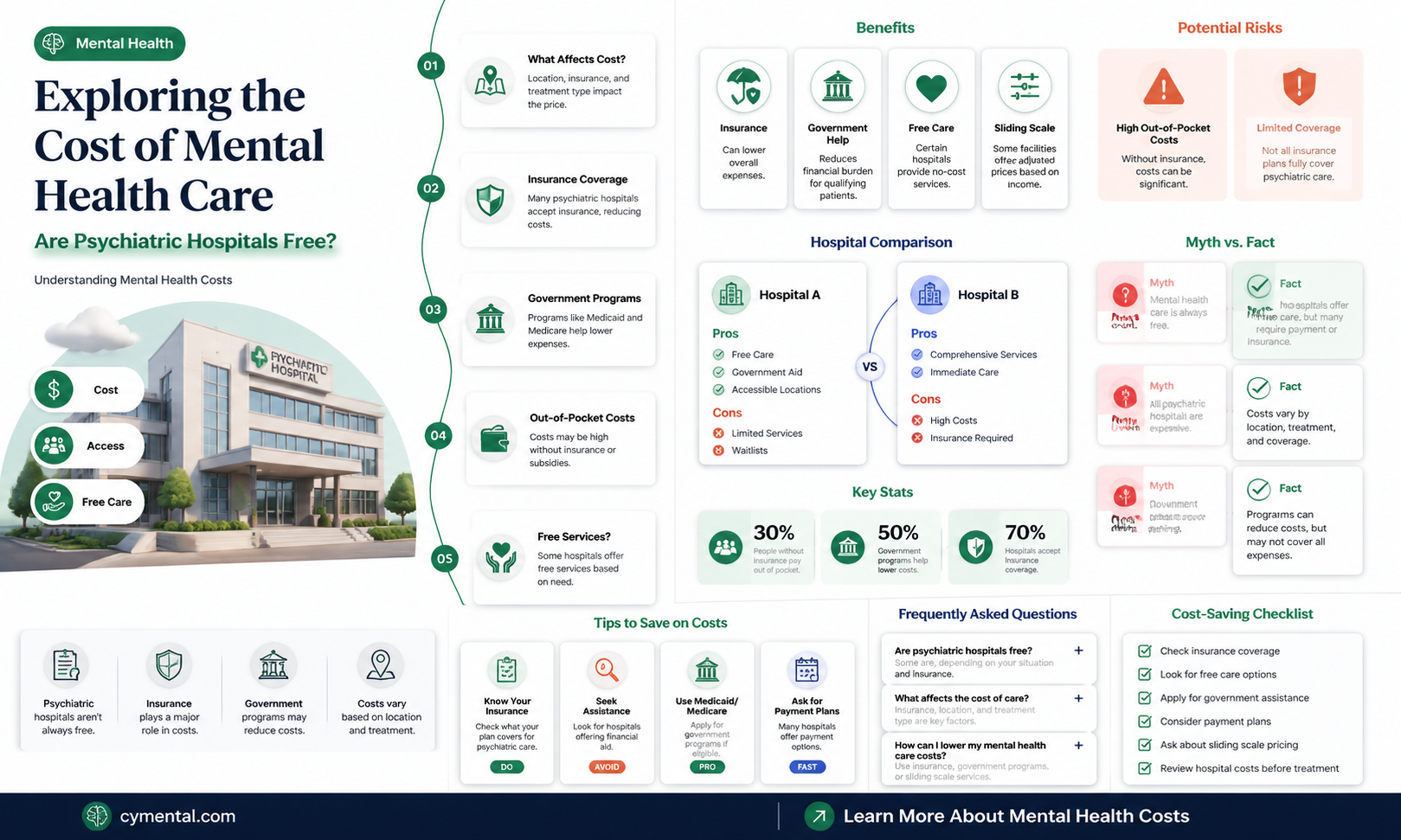
Mental hospitals, also known as psychiatric hospitals, are specialized healthcare facilities designed to provide treatment and care for individuals with mental health disorders. The cost of treatment in these facilities can vary widely depending on several factors, including the type of hospital, the duration of stay, the specific treatments provided, and the patient's insurance coverage. While some mental hospitals may offer free or low-cost services, particularly those run by government agencies or non-profit organizations, others can be quite expensive, especially private for-profit institutions. It's important to note that in many countries, mental health treatment is covered under national health insurance plans, which can significantly reduce the out-of-pocket costs for patients. However, the availability and extent of such coverage can differ greatly from one country to another and even within different regions of the same country.
Explore related products


What You'll Learn
- Eligibility Criteria: Requirements for admission, including financial and medical assessments
- Insurance Coverage: Extent to which different insurance plans cover mental hospital stays
- Out-of-Pocket Costs: Potential expenses patients may incur beyond insurance coverage
- Government Funding: Role of state and federal funds in supporting mental health facilities
- Sliding Scale Fees: Availability of reduced costs based on patients' financial situations

Eligibility Criteria: Requirements for admission, including financial and medical assessments
Admission to mental health facilities often hinges on meeting specific eligibility criteria, which can vary widely depending on the institution and the country. In many cases, both financial and medical assessments are required to determine whether an individual qualifies for treatment. These assessments are designed to ensure that the facility can provide the necessary care while also considering the financial implications for both the patient and the institution.
Financial assessments typically involve evaluating the patient's insurance coverage, income, and assets to determine their ability to pay for treatment. This may include verifying the patient's insurance policy to see if mental health services are covered, as well as assessing any out-of-pocket expenses they may incur. In some cases, financial assistance or sliding scale fees may be available for those who cannot afford the full cost of treatment.
Medical assessments, on the other hand, are conducted to determine the patient's mental health needs and whether the facility is equipped to provide the appropriate level of care. This may involve a thorough psychiatric evaluation, including a review of the patient's medical history, current symptoms, and any previous mental health treatments. The assessment may also include physical examinations and laboratory tests to rule out any underlying medical conditions that could be contributing to the patient's mental health issues.
Eligibility criteria may also include age restrictions, residency requirements, and specific diagnoses or conditions that the facility is equipped to treat. For example, some facilities may only accept patients who are over a certain age or who reside within a particular geographic area. Others may specialize in treating specific mental health conditions, such as depression, anxiety, or substance abuse disorders.
Navigating the eligibility criteria for mental health facilities can be a complex and overwhelming process, particularly for individuals who are already struggling with their mental health. It is important for patients and their families to carefully review the requirements of each facility and to seek assistance from mental health professionals or advocacy organizations if needed. By understanding the eligibility criteria and the assessment process, individuals can better navigate the mental health system and find the care they need.
Seeking Help: A Guide to Voluntary Psychiatric Admission
You may want to see also
Explore related products


Insurance Coverage: Extent to which different insurance plans cover mental hospital stays
The extent to which different insurance plans cover mental hospital stays varies significantly, often depending on the specific policy and the insurance provider. Generally, many health insurance plans do cover mental health services, including hospital stays, but the coverage may be limited or come with certain conditions. For instance, some plans may require pre-authorization for mental health treatments or may only cover a certain number of days per year. It's crucial for individuals to review their insurance policies carefully to understand what mental health services are covered and to what extent.
One key factor influencing coverage is the parity law, which requires insurance plans to cover mental health services to the same extent as medical services. However, the interpretation and enforcement of these laws can vary by state and insurance provider. Additionally, some insurance plans may have separate deductibles or co-pays for mental health services, which can impact the out-of-pocket costs for individuals seeking treatment.
Another important consideration is the network of providers. Insurance plans often have a network of preferred mental health providers, and seeking treatment from an in-network provider can result in lower costs. However, individuals may face challenges if they need to see a specialist or if their preferred provider is not in the network. In such cases, they may need to seek pre-authorization or pay higher out-of-pocket costs.
Individuals should also be aware of the potential for denials of coverage. Insurance companies may deny coverage for mental health treatments if they determine that the treatment is not medically necessary or if it exceeds the plan's limits. In such cases, individuals have the right to appeal the decision, but the appeals process can be complex and time-consuming.
To navigate these complexities, individuals can seek assistance from their insurance company's customer service or from a mental health advocate. These resources can help individuals understand their coverage options, navigate the appeals process, and find affordable mental health treatments. Additionally, many mental health organizations offer resources and support for individuals seeking treatment, including information on insurance coverage and financial assistance programs.
Exploring the Landscape of Mental Health Facilities in the United States
You may want to see also
Explore related products


Out-of-Pocket Costs: Potential expenses patients may incur beyond insurance coverage
Even with comprehensive insurance coverage, patients may still face significant out-of-pocket costs when seeking mental health treatment. These expenses can arise from various sources, including copayments, deductibles, and uncovered services. For instance, some insurance plans may require a copayment for each therapy session or psychiatric medication, which can quickly add up over time. Additionally, patients may need to meet a deductible before their insurance coverage kicks in, leaving them responsible for the full cost of treatment until that threshold is reached.
Another potential source of out-of-pocket costs is uncovered services. Insurance plans often have specific coverage limitations, and certain mental health treatments or medications may not be included. In such cases, patients would be responsible for the full cost of these services. Furthermore, patients may incur additional expenses if they need to travel for treatment, take time off work, or arrange for childcare during appointments.
To mitigate these costs, patients can take several steps. First, they should carefully review their insurance plan's coverage details to understand what services are included and what their financial responsibilities may be. They can also consider seeking treatment from providers who offer sliding scale fees or participate in their insurance network to reduce out-of-pocket expenses. Additionally, patients may be able to negotiate payment plans with providers or explore alternative funding sources, such as health savings accounts or flexible spending accounts.
Ultimately, while mental health treatment can be costly, there are strategies patients can employ to manage their out-of-pocket expenses. By being proactive and informed, individuals can access the care they need while minimizing the financial burden.
Understanding the Financial Impact: A Week in a Mental Hospital
You may want to see also
Explore related products





Government Funding: Role of state and federal funds in supporting mental health facilities
Government funding plays a crucial role in supporting mental health facilities, ensuring that they can provide essential services to those in need. State and federal funds are allocated to mental health care through various programs and initiatives, each with its own specific goals and requirements. For example, the Substance Abuse and Mental Health Services Administration (SAMHSA) is a federal agency that provides funding for mental health and substance abuse treatment services.
One of the primary ways that government funding supports mental health facilities is through the provision of grants. These grants can be used to cover a wide range of expenses, including staffing, equipment, and facility maintenance. Additionally, government funding can help to offset the costs of providing care to uninsured or underinsured individuals, ensuring that mental health facilities can continue to operate even in the face of financial challenges.
Another important aspect of government funding for mental health facilities is the establishment of standards and regulations. These guidelines help to ensure that mental health facilities are providing high-quality care and are operating in a safe and ethical manner. For example, the Joint Commission is a non-profit organization that accredits mental health facilities based on their compliance with specific standards.
Despite the critical role that government funding plays in supporting mental health facilities, there are challenges associated with this funding model. For instance, funding levels can fluctuate depending on political and economic factors, which can make it difficult for mental health facilities to plan for the future. Additionally, the application process for government grants can be complex and time-consuming, which can deter some facilities from seeking funding.
In conclusion, government funding is essential for supporting mental health facilities and ensuring that they can provide high-quality care to those in need. However, there are challenges associated with this funding model, and it is important for policymakers and mental health professionals to work together to address these issues and ensure that mental health facilities have the resources they need to thrive.
Understanding Visitation Policies in Mental Health Facilities
You may want to see also
Explore related products


Sliding Scale Fees: Availability of reduced costs based on patients' financial situations
Sliding scale fees are a payment model used by some mental health providers to make therapy more accessible to individuals with limited financial resources. This approach allows patients to pay for services based on their income level, ensuring that those who cannot afford full-price treatment still have access to necessary care. The availability of sliding scale fees varies widely among mental health professionals and institutions, with some offering this option and others adhering to a fixed fee structure.
One of the primary benefits of sliding scale fees is that they help to reduce financial barriers to mental health care. This can be particularly important for individuals who are uninsured or underinsured, as well as those who are struggling with low income or high expenses. By providing a more affordable option, sliding scale fees can encourage more people to seek the help they need, potentially leading to better mental health outcomes overall.
To determine eligibility for sliding scale fees, patients typically need to provide proof of income, such as pay stubs or tax returns. The provider will then use this information to calculate a reduced fee that is based on the patient's ability to pay. In some cases, additional factors such as family size and monthly expenses may also be taken into account. It is important to note that sliding scale fees are not the same as free care; patients are still expected to contribute to the cost of their treatment, albeit at a reduced rate.
While sliding scale fees can be a valuable resource for those in need, they are not without their limitations. One potential drawback is that they may not be widely advertised or consistently applied, which can make it difficult for patients to find providers who offer this option. Additionally, the reduced fees may not always be sufficient to cover the full cost of treatment, which could lead to financial strain for both patients and providers.
In conclusion, sliding scale fees represent an important tool for making mental health care more accessible to individuals with limited financial resources. By offering reduced costs based on a patient's income level, this payment model can help to break down financial barriers and ensure that more people have access to the care they need. However, it is important to be aware of the potential limitations and challenges associated with sliding scale fees, and to consider other options for affording mental health care when necessary.
Understanding Involuntary Psychiatric Holds: When Can Police Detain You?
You may want to see also
Frequently asked questions
Mental hospital care can vary greatly in cost and accessibility depending on the country, region, and specific facility. In some places, public mental health services may be available at no cost or at a reduced fee for those who qualify based on financial need. However, private mental hospitals typically charge fees that may be covered by insurance or out-of-pocket payments.
Several factors can influence the cost of mental hospital care, including the type of facility (public vs. private), the length of stay, the level of care required, and the specific treatments or services provided. Additionally, geographic location and the individual's insurance coverage can also impact the overall cost.
To find affordable mental hospital care, individuals can start by researching public mental health services in their area, which may offer free or low-cost options. They can also contact their insurance provider to understand their coverage for mental health services and explore private facilities that accept their insurance. Furthermore, some mental health organizations and non-profits may offer financial assistance or resources to help individuals access affordable care.