Caleb Wright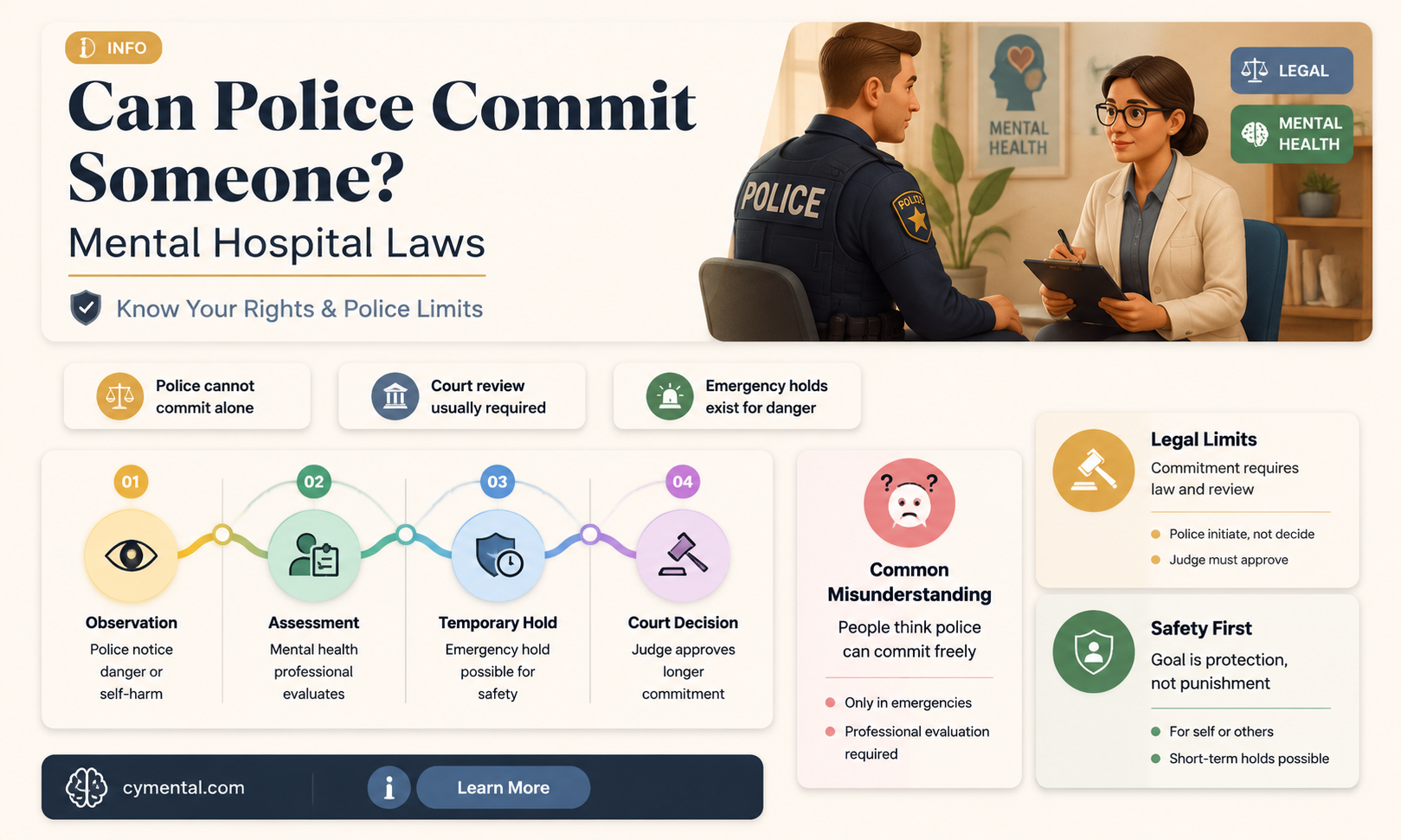
The question of whether the police can commit someone to a mental hospital is a complex and sensitive issue that intersects with legal, medical, and ethical considerations. In many jurisdictions, law enforcement officers are authorized to detain individuals who appear to be a danger to themselves or others due to mental health concerns. This process, often referred to as an involuntary commitment or a mental health hold, is typically governed by specific statutes and regulations that outline the criteria for such detentions. While the intent behind these laws is to provide necessary care and protection, there are ongoing debates about the balance between individual rights and public safety, as well as concerns about the potential for abuse or misuse of such powers. It is crucial to understand the nuances of these laws and the safeguards in place to ensure that any intervention by the police is conducted in a manner that respects the dignity and autonomy of the individual while also addressing legitimate safety concerns.
| Characteristics | Values |
|---|---|
| Legal Authority | Police officers may have the authority to detain individuals for mental health evaluations under certain state laws. |
| Criteria for Commitment | Typically requires a demonstration that the individual is a danger to themselves or others, or is gravely disabled. |
| Process | Involves filing a petition with a court, presenting evidence, and obtaining a judge's order for commitment. |
| Duration of Commitment | Varies by state and individual circumstances, can range from a few days to several months. |
| Rights of the Individual | Individuals have the right to legal representation, to contest the commitment, and to receive a fair hearing. |
| Emergency Procedures | In some cases, police may use emergency procedures to detain individuals without a court order if there is an imminent risk of harm. |
| Mental Health Evaluation | Conducted by qualified mental health professionals to assess the individual's condition and determine the need for commitment. |
| Facilities | Individuals may be committed to state psychiatric hospitals, private facilities, or other appropriate settings. |
| Cost | Commitment proceedings and treatment can be costly, often covered by state funds or private insurance. |
| Stigma | There may be social stigma associated with mental health commitments, impacting the individual's reputation and future opportunities. |
| Legal Consequences | Commitment may result in a criminal record, depending on the circumstances and state laws. |
| Family Involvement | Family members may be involved in the commitment process, providing support or contesting the commitment. |
| Medical Treatment | Individuals may receive medication, therapy, and other treatments while committed. |
| Discharge Procedures | Discharge typically requires a court order, based on a recommendation from mental health professionals. |
| Follow-up Care | Individuals may be required to participate in outpatient treatment or other support services after discharge. |
What You'll Learn
- Legal authority: Police powers to detain individuals for mental health evaluation under specific laws
- Criteria for commitment: Conditions and behaviors that may lead to police-initiated mental health holds
- Due process: Rights of individuals during police-led mental health commitment proceedings
- Role of mental health professionals: How clinicians assist in assessing and placing individuals in mental health facilities
- Controversies and concerns: Debates around police discretion, potential abuses, and the impact on community relations

Legal authority: Police powers to detain individuals for mental health evaluation under specific laws
Under certain circumstances, police officers are legally authorized to detain individuals for mental health evaluations. This authority is typically granted by specific laws that outline the conditions under which such detentions can occur. For instance, in many jurisdictions, police can detain someone if they believe the person poses a danger to themselves or others due to a mental health crisis. This power is often referred to as a "mental health hold" or "psychiatric hold."
The process usually involves the police officer taking the individual into custody and transporting them to a designated mental health facility. Once at the facility, the individual is assessed by mental health professionals to determine if they meet the criteria for involuntary commitment. This assessment typically includes an evaluation of the person's mental state, behavior, and any potential risks they may pose.
It's important to note that the laws governing these detentions vary significantly by jurisdiction. Some areas have very specific criteria that must be met, while others grant police broader discretion. In many cases, the detention is temporary, lasting only until a formal hearing can be held to determine if the individual should be involuntarily committed to a mental health facility.
One unique aspect of these laws is the balance they attempt to strike between public safety and individual rights. While the goal is to prevent harm to the individual or others, there are also safeguards in place to ensure that people are not wrongfully detained or committed. For example, many laws require that the detention be based on probable cause and that the individual be informed of their rights and the reasons for their detention.
In practice, the use of these laws can be complex and controversial. There are concerns about potential abuses of power, as well as debates about the most effective way to address mental health crises. However, these laws also play a critical role in ensuring that individuals who are experiencing severe mental health issues receive the care and treatment they need.
Overall, the legal authority of police to detain individuals for mental health evaluations is a nuanced and important aspect of mental health law. It requires careful consideration of the individual's rights, the potential risks they pose, and the need to provide appropriate mental health care.
Navigating Mental Health: When to Consider Inpatient Care
You may want to see also
Criteria for commitment: Conditions and behaviors that may lead to police-initiated mental health holds
Police-initiated mental health holds, often referred to as "5150" holds in some jurisdictions, are a critical tool for law enforcement to address individuals experiencing mental health crises. These holds allow police officers to detain a person and transport them to a mental health facility for evaluation and treatment if certain criteria are met. The primary conditions and behaviors that may lead to such holds include:
- Imminent Danger to Self or Others: If an individual is deemed to be an imminent danger to themselves or others due to their mental state, police may initiate a mental health hold. This can include suicidal ideation, homicidal thoughts, or aggressive behavior that poses a significant risk.
- Grave Disability: In some cases, individuals may be unable to care for themselves due to their mental health condition, leading to a grave disability. This can manifest as an inability to provide for basic needs such as food, shelter, and hygiene, or a lack of awareness of one's surroundings and potential dangers.
- Acute Psychiatric Episode: Police may also initiate a mental health hold if an individual is experiencing an acute psychiatric episode, such as a psychotic break or severe depression, which impairs their ability to function in daily life.
- History of Mental Health Issues: A known history of mental health issues, especially if accompanied by non-compliance with treatment, can be a factor in determining the need for a mental health hold. This may include past hospitalizations, outpatient treatment, or medication regimens.
- Behavioral Indicators: Certain behaviors can signal the need for a mental health hold, such as disorganized speech, delusions, hallucinations, or extreme agitation. These indicators can help police officers identify individuals who may require immediate mental health intervention.
It is important to note that the criteria for police-initiated mental health holds can vary by jurisdiction, and officers are typically required to undergo specialized training to recognize and respond to mental health crises appropriately. The goal of these holds is to provide individuals with the necessary care and support to address their mental health needs and ensure their safety and well-being.
Understanding the Cost of Mental Health Care: A Comprehensive Guide
You may want to see also
Due process: Rights of individuals during police-led mental health commitment proceedings
Individuals facing police-led mental health commitment proceedings are entitled to due process rights, which are fundamental legal protections designed to ensure fairness and prevent wrongful deprivation of liberty. These rights include the right to a fair hearing, the right to legal representation, and the right to present evidence on their behalf. It is crucial for individuals to understand these rights and how to assert them effectively during the proceedings.
One key aspect of due process is the requirement that the police must establish probable cause to believe that the individual is a danger to themselves or others, or is unable to care for their own basic needs, before they can be committed to a mental health facility. This standard is higher than mere suspicion and requires the police to present specific facts or evidence to support their claim. Individuals should be aware of this standard and challenge any attempts by the police to commit them without meeting this threshold.
Another important due process right is the right to a fair hearing before a neutral decision-maker. This hearing should provide the individual with an opportunity to present their side of the story, cross-examine witnesses, and introduce evidence to refute the police's claims. It is essential for individuals to prepare for this hearing by gathering evidence, such as witness statements or medical records, that can support their case.
Furthermore, individuals have the right to legal representation during these proceedings. If they cannot afford an attorney, one should be appointed to them at no cost. Legal representation can be invaluable in navigating the complex legal system and ensuring that the individual's rights are protected. It is important for individuals to cooperate with their attorney and provide them with all relevant information to build a strong case.
In addition to these rights, individuals should also be aware of the potential consequences of a mental health commitment. Commitment can result in the loss of certain freedoms, such as the right to refuse medical treatment or the right to possess firearms. It can also have long-term impacts on an individual's employment, housing, and social relationships. Therefore, it is crucial for individuals to take these proceedings seriously and assert their due process rights to the fullest extent possible.
In conclusion, due process rights are essential protections for individuals facing police-led mental health commitment proceedings. By understanding these rights and how to assert them, individuals can increase their chances of a favorable outcome and minimize the potential negative consequences of a commitment. It is important for individuals to educate themselves about their rights and seek legal representation to ensure that they are fully protected during these proceedings.
Exploring Self-Admission to Mental Health Facilities: A Guide
You may want to see also
Role of mental health professionals: How clinicians assist in assessing and placing individuals in mental health facilities
Mental health professionals play a crucial role in the process of assessing and placing individuals in mental health facilities. This is particularly important in situations where law enforcement officers may be involved in the initial apprehension of a person who appears to be experiencing a mental health crisis. While police officers are trained to handle a variety of situations, they are not equipped to provide the specialized care and evaluation that a mental health professional can offer.
When an individual is brought to a mental health facility, clinicians are responsible for conducting a thorough assessment to determine the person's mental state and the appropriate level of care. This assessment typically involves a combination of interviews, behavioral observations, and sometimes psychological testing. The goal is to understand the individual's symptoms, their history, and any potential risks they may pose to themselves or others.
Based on the assessment, mental health professionals can then make recommendations for the individual's care. This may include inpatient hospitalization, outpatient treatment, or other forms of support. In some cases, the individual may be deemed a danger to themselves or others and may be involuntarily committed to a mental health facility. However, this decision is typically made by a judge or a designated mental health authority, not by the police officers who initially apprehended the person.
Throughout this process, mental health professionals work closely with other members of the healthcare team, including psychiatrists, psychologists, social workers, and nurses. They also collaborate with law enforcement and other community agencies to ensure that the individual receives the appropriate care and support. This multidisciplinary approach is essential for providing comprehensive care and addressing the complex needs of individuals experiencing mental health crises.
In summary, mental health professionals are vital in assessing and placing individuals in mental health facilities. Their expertise and specialized training enable them to provide the necessary care and support to individuals in crisis, while also working within the legal framework to ensure that the rights and safety of all parties are protected.
Understanding Mental Health Care Options for Preteens
You may want to see also
Controversies and concerns: Debates around police discretion, potential abuses, and the impact on community relations
Police discretion in mental health commitments has sparked intense debates, with critics arguing that it can lead to abuses of power and disproportionately affect marginalized communities. One major concern is the potential for racial bias, as studies have shown that people of color are more likely to be involuntarily committed to mental health facilities by law enforcement. This disparity raises questions about whether police officers are adequately trained to assess mental health crises or if they rely on stereotypes and assumptions.
Another issue is the lack of transparency and accountability in the commitment process. In many cases, police officers have broad discretion to decide whether to take someone into custody for a mental health evaluation, and their decisions are rarely challenged or reviewed. This can lead to situations where individuals are committed unnecessarily or without proper justification, potentially violating their civil liberties.
The impact of these controversies on community relations cannot be overstated. When police officers are perceived as having too much power or acting unfairly, it can erode trust and cooperation between law enforcement and the communities they serve. This can make it more difficult for police to effectively address mental health crises and other public safety concerns, as individuals may be less likely to seek help or report incidents.
To address these concerns, some jurisdictions have implemented reforms aimed at increasing transparency and accountability in the mental health commitment process. For example, some areas require police officers to undergo specialized training in mental health crisis intervention, while others have established independent review boards to oversee commitment decisions. These reforms can help to ensure that police officers are better equipped to handle mental health crises and that their actions are subject to appropriate scrutiny.
Ultimately, the controversies surrounding police discretion in mental health commitments highlight the need for a more nuanced and compassionate approach to addressing mental health issues in the criminal justice system. By fostering greater understanding and collaboration between law enforcement, mental health professionals, and community members, we can work towards creating a more just and effective system for supporting individuals in crisis.
Understanding the Purpose of Grippy Socks in Mental Health Facilities
You may want to see also
Frequently asked questions
Yes, in many jurisdictions, the police have the authority to detain individuals they believe are a danger to themselves or others due to mental illness and take them to a mental health facility for evaluation and possible commitment.
The specific criteria vary by jurisdiction, but generally, the police must have probable cause to believe the individual is mentally ill and poses a significant risk of harm to themselves or others. This often involves observable behavior that indicates a mental health crisis.
The duration of detention varies by jurisdiction and the specific circumstances of the case. It can range from a few hours for evaluation to several days or even longer if a court orders continued hospitalization.
Individuals committed to a mental hospital by the police are entitled to certain legal protections, including the right to a hearing to contest the commitment, the right to legal representation, and the right to be informed of the reasons for their detention. These protections are designed to ensure that the individual's rights are not violated and that the commitment is justified.