Ava Ramirez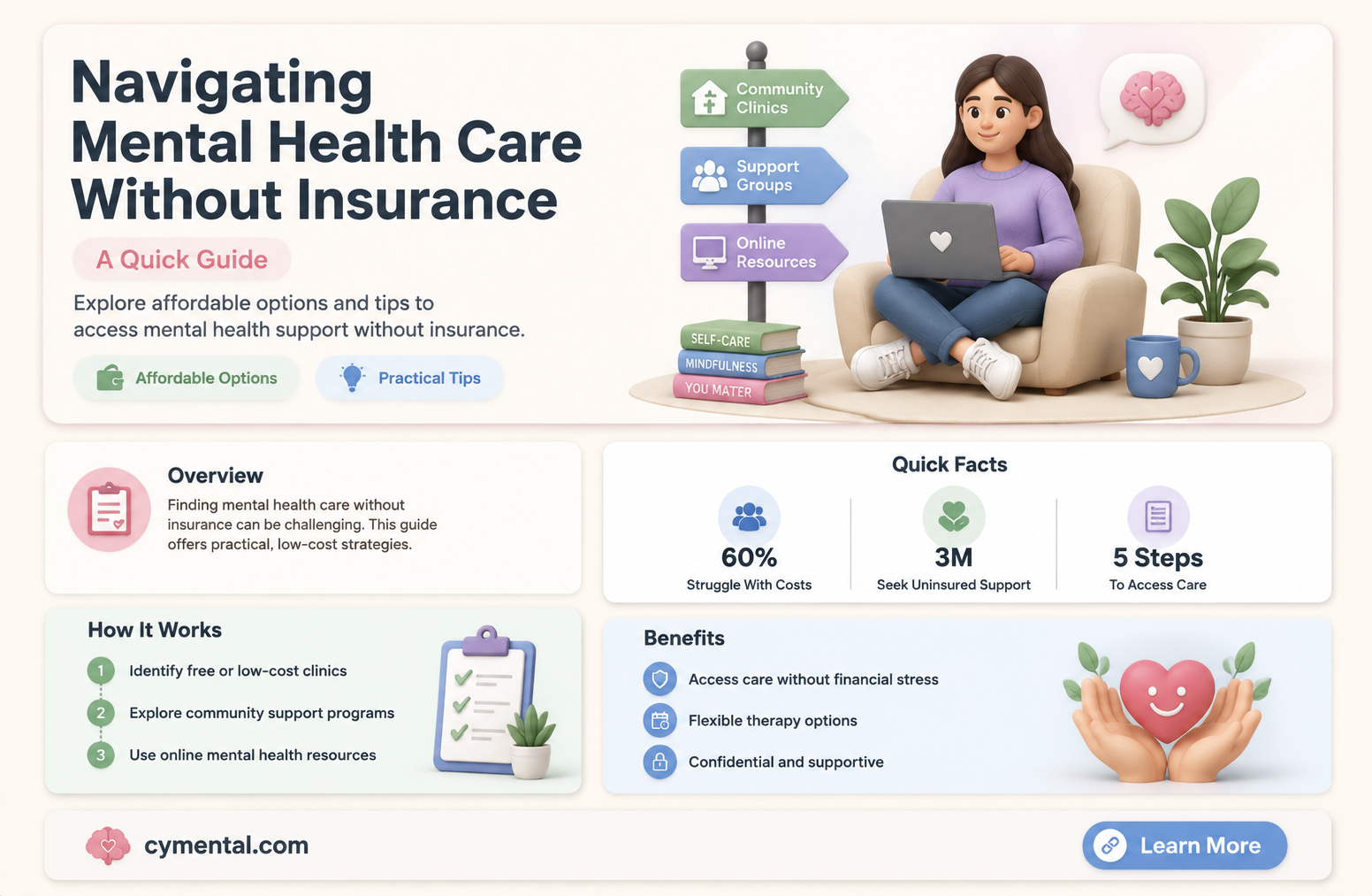
Navigating the complexities of mental health care can be challenging, especially when insurance coverage is a concern. The question of whether one can go to a mental hospital without insurance is a critical issue that many individuals face. In the United States, the answer is nuanced and depends on various factors, including the severity of the mental health crisis, the availability of emergency services, and the specific policies of the mental health facility in question. Generally, emergency rooms and crisis centers are required to provide immediate care regardless of insurance status, but long-term treatment and hospitalization may require insurance or result in significant out-of-pocket expenses. Understanding the available resources and options is essential for anyone seeking mental health care without insurance.
Explore related products


What You'll Learn
- Eligibility for Medicaid: Check if you qualify for Medicaid, which covers mental health services for low-income individuals
- Sliding Fee Scale: Many mental health facilities offer sliding fee scales based on income for uninsured patients
- Community Mental Health Centers: These centers often provide affordable or free mental health services regardless of insurance
- Non-Profit Organizations: Some non-profits offer free or low-cost mental health care to those without insurance
- Emergency Services: In crisis situations, emergency rooms and psychiatric hospitals may provide immediate care without upfront payment

Eligibility for Medicaid: Check if you qualify for Medicaid, which covers mental health services for low-income individuals
Medicaid is a joint federal and state program that provides health coverage to low-income individuals, including mental health services. To determine if you qualify for Medicaid, you must meet certain eligibility criteria, which vary by state. Generally, Medicaid is available to adults with incomes up to 138% of the federal poverty level (FPL), pregnant women, children, and individuals with disabilities.
To check your eligibility for Medicaid, you can visit your state's Medicaid website or contact your local Medicaid office. You will need to provide information about your income, household size, and other personal details. If you are eligible, you can apply for Medicaid online, by phone, or in person.
Once you are enrolled in Medicaid, you can access mental health services such as therapy, counseling, and psychiatric care. Medicaid also covers prescription medications, including those used to treat mental health conditions.
It's important to note that Medicaid eligibility and coverage can change over time, so it's essential to stay informed about any updates or changes to the program. Additionally, some states have expanded Medicaid under the Affordable Care Act, which may provide additional coverage options for low-income individuals.
If you are experiencing a mental health crisis and do not have insurance, Medicaid can be a vital resource for accessing the care you need. By understanding the eligibility criteria and application process, you can take steps to obtain the mental health services you require.
Navigating Mental Health Crises: When Hospitalization Becomes Necessary
You may want to see also
Sliding Fee Scale: Many mental health facilities offer sliding fee scales based on income for uninsured patients
For uninsured individuals seeking mental health care, a sliding fee scale can be a vital option. This payment model adjusts the cost of services based on the patient's income, making treatment more accessible for those without insurance coverage. Many mental health facilities, including hospitals and outpatient clinics, offer this flexible payment arrangement to ensure that financial constraints do not prevent people from receiving necessary care.
To take advantage of a sliding fee scale, patients typically need to provide proof of income, such as recent pay stubs or tax returns. The facility will then assess the patient's financial situation and determine the appropriate fee for services. This fee is usually a percentage of the patient's income, with lower-income individuals paying a smaller percentage. In some cases, facilities may also consider other factors, such as family size and monthly expenses, when calculating the sliding fee.
One of the key benefits of a sliding fee scale is that it allows patients to receive care without the burden of high upfront costs. This can be particularly important for individuals experiencing a mental health crisis, as it enables them to access treatment quickly and without financial stress. Additionally, sliding fee scales can help to reduce the overall cost of mental health care for uninsured patients, making it more affordable and sustainable over time.
However, it is important to note that sliding fee scales are not universally available, and the specific terms and conditions can vary significantly between facilities. Patients should always inquire about payment options when seeking mental health care and should be prepared to provide detailed financial information if a sliding fee scale is offered. By understanding how sliding fee scales work and what to expect, uninsured individuals can better navigate the mental health care system and access the treatment they need.
Decoding the Significance of Green Scrubs in Mental Health Facilities
You may want to see also
Community Mental Health Centers: These centers often provide affordable or free mental health services regardless of insurance
Community Mental Health Centers often serve as vital resources for individuals seeking mental health care without the barrier of insurance costs. These centers are typically funded by a combination of government grants, private donations, and sliding scale fees based on the client's income. This funding model allows them to offer a wide range of services, including therapy, counseling, medication management, and crisis intervention, to those who might otherwise be unable to afford such care.
One of the key benefits of Community Mental Health Centers is their accessibility. They are often located in central, easily reachable areas within communities, making them convenient for individuals without reliable transportation. Additionally, these centers usually have extended hours, including evenings and weekends, to accommodate clients with busy schedules or those in crisis situations.
The services provided at Community Mental Health Centers are typically delivered by a multidisciplinary team of professionals, including psychiatrists, psychologists, social workers, and licensed counselors. This team approach ensures that clients receive comprehensive care tailored to their specific needs. Furthermore, these centers often prioritize a holistic approach to mental health, incorporating strategies such as mindfulness, exercise, and nutrition counseling alongside traditional therapeutic methods.
Despite the many advantages of Community Mental Health Centers, there are some limitations to consider. Due to funding constraints, these centers may have limited capacity, resulting in waitlists for services. Additionally, the range of services offered can vary significantly between centers, with some providing more specialized care than others. It is essential for individuals seeking services to research their local Community Mental Health Center to understand the specific offerings and any potential limitations.
In conclusion, Community Mental Health Centers play a crucial role in providing accessible, affordable mental health care to uninsured individuals. Their unique funding models, convenient locations, extended hours, and multidisciplinary approach make them invaluable resources for those in need of mental health support. While there may be some limitations, these centers remain a vital part of the mental health care system, ensuring that no one is denied access to necessary care due to financial constraints.
Navigating Mental Health: Self-Admission to Psychiatric Care
You may want to see also
Non-Profit Organizations: Some non-profits offer free or low-cost mental health care to those without insurance
Non-profit organizations play a crucial role in providing mental health care to individuals who lack insurance coverage. These organizations often operate on donations and grants, allowing them to offer services at reduced costs or even for free. This can be a lifeline for those in need of mental health support but who are unable to afford it through traditional means.
One of the key benefits of non-profit mental health organizations is their ability to reach underserved communities. They can set up clinics in areas where there is a high demand for mental health services but a low availability of providers. This helps to address disparities in mental health care access and ensures that more people can receive the help they need.
Another advantage of non-profit organizations is their flexibility in terms of the services they offer. Unlike for-profit entities, non-profits are not driven by the need to generate revenue, which means they can focus on providing a wide range of services tailored to the specific needs of their clients. This can include everything from individual therapy sessions to group counseling, support groups, and even medication management.
However, it's important to note that non-profit mental health organizations may have limited resources, which can impact the availability and scope of their services. They may also have longer wait times for appointments compared to private practices. Despite these challenges, non-profits remain a vital option for those seeking mental health care without insurance.
In conclusion, non-profit organizations offer a valuable solution for individuals in need of mental health care who do not have insurance. They provide accessible, affordable services that can make a significant difference in people's lives. If you are in need of mental health support and do not have insurance, it's worth exploring the options available through non-profit organizations in your area.
Navigating Mental Health Facilities: Phone Policies Explained
You may want to see also
Emergency Services: In crisis situations, emergency rooms and psychiatric hospitals may provide immediate care without upfront payment
In times of acute mental health crises, emergency services can be a vital lifeline. Emergency rooms and psychiatric hospitals are equipped to handle urgent situations, providing immediate care and stabilization for individuals experiencing severe symptoms. This can include suicidal ideation, psychosis, or other life-threatening conditions. One of the key benefits of these services is that they often do not require upfront payment, making them accessible even to those without insurance coverage.
The process typically begins with an assessment by trained medical professionals who will evaluate the severity of the crisis and determine the appropriate level of care. This may involve a brief stay in the emergency room for stabilization, followed by a transfer to a psychiatric hospital for more intensive treatment. During this time, patients will receive a variety of interventions, including medication management, therapy sessions, and 24-hour monitoring.
It's important to note that while emergency services can provide critical short-term care, they are not a substitute for long-term treatment and support. After the initial crisis has passed, patients will often need to follow up with outpatient services, such as therapy and medication management, to maintain their mental health and prevent future crises.
In some cases, individuals may be hesitant to seek emergency care due to concerns about cost or stigma. However, it's crucial to remember that mental health crises are medical emergencies and should be treated as such. Seeking help when needed is a sign of strength, not weakness, and can be the first step towards recovery and improved mental health outcomes.
Overall, emergency services play a vital role in the mental health care system, providing immediate and life-saving care to those in need. By understanding the process and the resources available, individuals can better navigate the system and access the help they need during a crisis.
Exploring Hurley and Libby's Mental Health Journeys Together
You may want to see also
Frequently asked questions
Yes, you can go to a mental hospital without insurance, but it may be costly. Many hospitals offer financial assistance or sliding scale fees based on your income.
Options for mental health treatment without insurance include community mental health centers, free clinics, support groups, online therapy platforms, and telehealth services.
To find affordable mental health care, you can contact your local health department, search for sliding scale clinics, apply for Medicaid or other government assistance programs, and explore online resources.
In a mental health emergency, you can call 911, go to your nearest emergency room, or contact a crisis hotline. They will provide immediate assistance regardless of your insurance status.
Yes, there are legal protections for mental health patients without insurance. The Emergency Medical Treatment and Active Labor Act (EMTALA) requires hospitals to provide emergency care to all patients, regardless of their ability to pay.