Noah Parker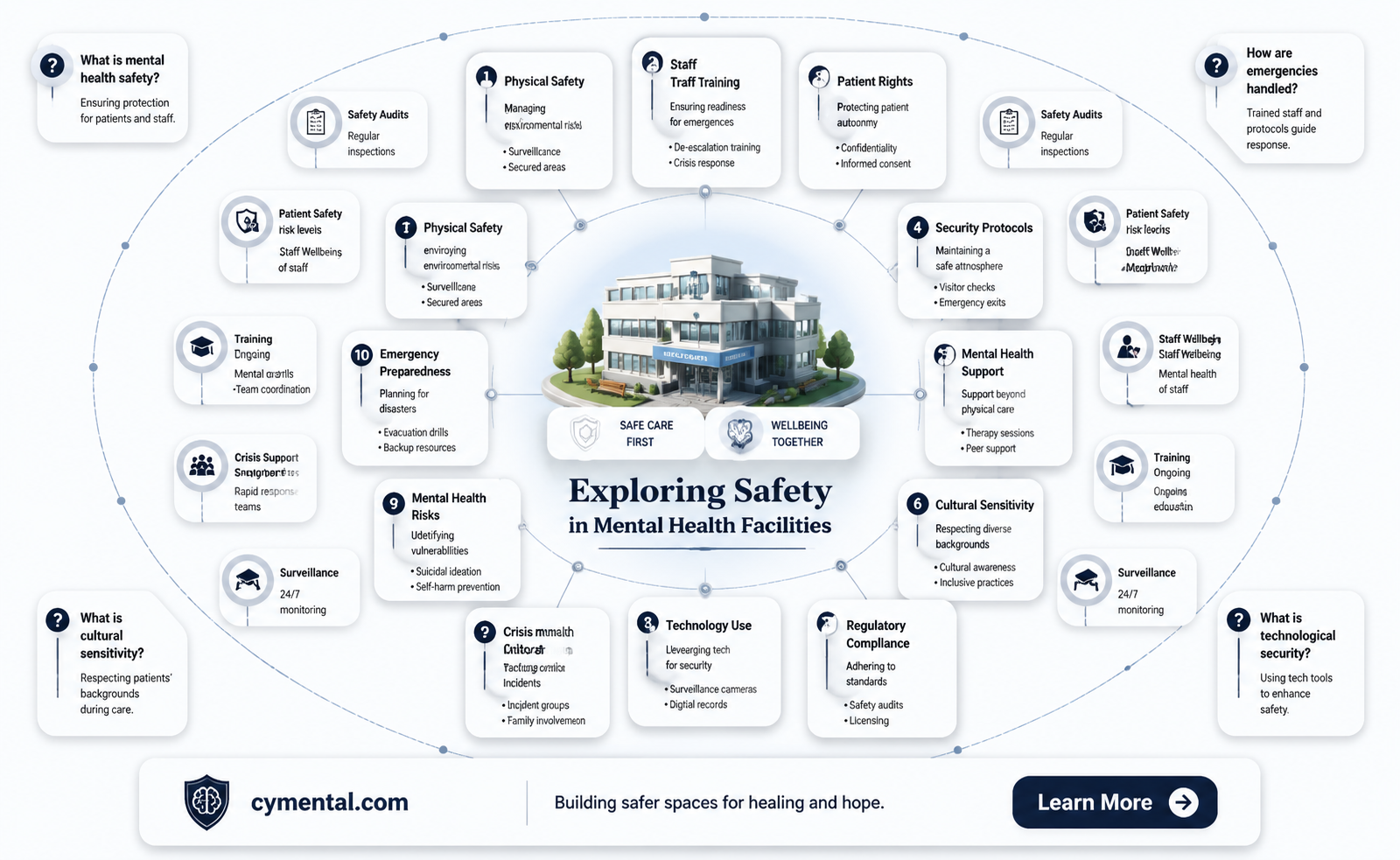
Mental hospitals, also known as psychiatric hospitals, are specialized healthcare facilities designed to provide intensive care and treatment for individuals experiencing severe mental health issues. These institutions play a critical role in supporting patients who require a higher level of care than what can be provided in outpatient settings. However, the safety of mental hospitals is a topic of ongoing debate and concern. While many modern facilities prioritize patient safety and well-being, historical incidents and ongoing challenges such as understaffing, inadequate training, and insufficient resources have raised questions about the overall safety of these environments. It is essential to examine both the positive aspects and the potential risks associated with mental hospitals to gain a comprehensive understanding of their role in mental healthcare.
Explore related products


What You'll Learn
- Patient Safety Measures: Protocols and practices to ensure the well-being of individuals in mental health facilities
- Staff Training and Competency: The importance of qualified and trained personnel in maintaining a secure environment
- Facility Security: Physical and procedural safeguards to prevent unauthorized access and ensure patient containment
- Patient Rights and Advocacy: Balancing safety with the rights of patients to autonomy and dignified treatment
- Emergency Preparedness: Plans and procedures for handling crises, such as natural disasters or violent incidents

Patient Safety Measures: Protocols and practices to ensure the well-being of individuals in mental health facilities
Mental health facilities have implemented various patient safety measures to ensure the well-being of individuals under their care. One critical protocol is the establishment of a comprehensive risk assessment upon admission. This assessment evaluates the patient's potential for self-harm, harm to others, and risk of elopement. Based on this evaluation, individualized safety plans are developed, outlining specific interventions and monitoring strategies to mitigate identified risks.
Another key safety measure is the implementation of a secure environment. This includes the use of locked units, restricted access to potentially dangerous items, and the presence of security personnel. Additionally, staff are trained in de-escalation techniques and crisis intervention to manage potentially volatile situations without resorting to physical restraints or seclusion, which are used only as a last resort and under strict guidelines.
Medication management is also a crucial aspect of patient safety in mental health facilities. Protocols are in place to ensure that medications are administered correctly, monitored for side effects, and adjusted as necessary. Patients are educated about their medications, including potential risks and benefits, and are encouraged to report any concerns or adverse reactions.
Furthermore, mental health facilities prioritize the prevention of falls and other accidents. This involves regular assessments of patients' mobility and balance, the use of assistive devices when needed, and the implementation of fall prevention strategies such as bed rails and non-slip flooring. Staff are also trained to recognize and respond to signs of distress or discomfort that may indicate a risk of falling.
In addition to these measures, mental health facilities often have protocols in place for emergency situations, such as fires, natural disasters, or medical emergencies. These protocols include evacuation plans, emergency communication systems, and the availability of first aid and medical supplies. Staff are trained in emergency response procedures to ensure a swift and effective reaction to any crisis.
Overall, patient safety measures in mental health facilities are designed to create a secure and supportive environment that promotes the well-being and recovery of individuals under care. By implementing these protocols and practices, facilities can minimize risks and provide a safe space for patients to receive the treatment they need.
Understanding the Cost of Mental Health Hospitalization: A Comprehensive Guide
You may want to see also
Explore related products


Staff Training and Competency: The importance of qualified and trained personnel in maintaining a secure environment
Effective staff training and competency are critical components in ensuring the safety and security of mental health facilities. Qualified and trained personnel play a pivotal role in maintaining a secure environment, which is essential for the well-being of both patients and staff. Inadequate training can lead to a multitude of issues, including increased risk of patient harm, staff injuries, and legal liabilities for the facility.
One of the primary responsibilities of mental health facility administrators is to ensure that all staff members receive comprehensive training that equips them with the necessary skills and knowledge to perform their duties effectively. This includes training on crisis intervention, de-escalation techniques, and the proper use of restraints when necessary. Additionally, staff should be well-versed in the facility's policies and procedures, as well as relevant laws and regulations governing mental health care.
Competency assessments should be conducted regularly to ensure that staff members are proficient in their roles and responsibilities. These assessments can help identify areas where additional training or support may be needed, allowing facility administrators to address potential issues proactively. Furthermore, ongoing training and professional development opportunities should be provided to staff to keep their skills up-to-date and to foster a culture of continuous improvement.
The importance of qualified and trained personnel in maintaining a secure environment cannot be overstated. When staff members are well-trained and competent, they are better equipped to handle challenging situations, make informed decisions, and provide high-quality care to patients. This, in turn, contributes to a safer and more supportive environment for all individuals within the mental health facility.
Exploring the Complexities: Are Mental Hospitals Harmful?
You may want to see also
Explore related products


Facility Security: Physical and procedural safeguards to prevent unauthorized access and ensure patient containment
Effective facility security in mental hospitals is paramount to ensuring the safety of both patients and staff. Physical safeguards such as secure fencing, surveillance cameras, and restricted access points are essential to prevent unauthorized entry and exit. These measures must be meticulously maintained and regularly inspected to ensure their integrity. Procedural safeguards complement physical security by establishing clear protocols for patient movement, visitor access, and emergency response. Staff training is crucial to ensure that all personnel are well-versed in these procedures and can respond appropriately to security breaches.
One unique aspect of facility security in mental hospitals is the need to balance patient containment with the therapeutic environment. Unlike prisons, mental hospitals aim to provide a healing atmosphere, which requires a delicate balance between security and comfort. For instance, while secure fencing is necessary, it should not create a claustrophobic or oppressive environment for patients. Similarly, surveillance cameras should be placed strategically to monitor for safety without invading patients' privacy.
Another critical consideration is the management of patient belongings and personal items. Mental hospitals must implement strict policies regarding the storage and handling of patients' possessions to prevent the introduction of contraband or dangerous items. This includes thorough searches of all items brought into the facility and the use of secure storage areas for patient belongings.
In addition to these measures, mental hospitals should also focus on environmental design as a key component of facility security. The layout of the hospital should facilitate easy monitoring and quick response to incidents. For example, corridors should be wide enough to allow for the passage of gurneys and emergency equipment, and patient rooms should be designed to minimize the risk of self-harm or escape.
Regular risk assessments and security audits are also essential to identify potential vulnerabilities and implement corrective measures. These assessments should be conducted by trained professionals who can evaluate the effectiveness of both physical and procedural security measures. By continuously monitoring and improving facility security, mental hospitals can provide a safe and supportive environment for patients while also protecting staff and visitors.
Seeking Help Voluntarily: A Guide to Mental Health Hospitalization
You may want to see also
Explore related products


Patient Rights and Advocacy: Balancing safety with the rights of patients to autonomy and dignified treatment
In the realm of mental health care, the balance between patient safety and patient rights is a delicate and critical issue. Mental hospitals, designed to provide a safe environment for patients struggling with mental health issues, must also respect the autonomy and dignity of those they treat. This dual responsibility requires careful navigation and a deep understanding of both the legal and ethical frameworks that govern mental health care.
One of the key challenges in balancing safety with patient rights is the issue of involuntary treatment. Mental health laws often permit the involuntary hospitalization and treatment of individuals deemed to be a danger to themselves or others. However, this practice raises significant ethical concerns, as it can infringe upon a patient's right to self-determination and bodily autonomy. Advocates for patient rights argue that involuntary treatment should be a last resort, used only when all other options have been exhausted, and that patients should be involved in the decision-making process regarding their care whenever possible.
Another important aspect of patient rights in mental hospitals is the right to dignified treatment. This includes the right to be treated with respect, to have one's privacy protected, and to be free from abuse or neglect. Ensuring dignified treatment requires not only adherence to legal standards but also a commitment to creating a culture of respect and empathy within mental health care facilities. Staff training, patient feedback mechanisms, and regular oversight are essential components of maintaining a dignified and respectful environment for patients.
Advocacy plays a crucial role in promoting and protecting patient rights in mental hospitals. Patient advocates, who may be family members, friends, or professional advocates, can help ensure that patients' voices are heard and that their rights are upheld. They can assist patients in navigating the mental health care system, provide emotional support, and advocate for changes in policy and practice that promote patient rights and safety.
In conclusion, balancing safety with patient rights in mental hospitals is a complex and ongoing challenge. It requires a multifaceted approach that includes legal safeguards, ethical considerations, staff training, patient advocacy, and a commitment to creating a culture of respect and dignity within mental health care facilities. By addressing these issues, we can work towards ensuring that mental hospitals provide safe, effective, and rights-respecting care for all patients.
Unraveling the Complex Reasons Behind the Closure of Mental Hospitals in the 1980s
You may want to see also
Explore related products


Emergency Preparedness: Plans and procedures for handling crises, such as natural disasters or violent incidents
In the context of mental health facilities, emergency preparedness is a critical aspect of ensuring patient and staff safety. Mental hospitals must have comprehensive plans in place to handle a variety of crises, including natural disasters like earthquakes and hurricanes, as well as violent incidents such as assaults or hostage situations. These plans should be regularly reviewed and updated to reflect current best practices and the specific needs of the facility.
One key component of emergency preparedness in mental hospitals is the development of a crisis response team. This team should be composed of trained professionals who are equipped to handle a range of emergency situations. They should receive regular training on crisis intervention techniques, de-escalation strategies, and the use of any necessary equipment or tools. The team should also be familiar with the facility's emergency procedures and protocols, and should be able to quickly and effectively coordinate a response to any crisis situation.
Another important aspect of emergency preparedness in mental hospitals is the establishment of clear communication channels. In the event of a crisis, it is essential that staff members are able to quickly and easily communicate with each other and with external emergency services. This may involve the use of two-way radios, emergency call systems, or other communication technologies. The facility should also have a designated spokesperson who is responsible for communicating with the media and the public during a crisis.
Mental hospitals should also have procedures in place for evacuating patients and staff in the event of an emergency. This may involve transferring patients to other facilities or setting up temporary shelters on-site. The facility should have a plan for ensuring that patients' medical needs are met during an evacuation, and should also have procedures in place for reuniting patients with their families or caregivers after the crisis has passed.
Finally, mental hospitals should regularly conduct emergency drills and exercises to test their preparedness for crisis situations. These drills should simulate a variety of scenarios, including natural disasters and violent incidents, and should involve all staff members and patients. The facility should use these drills as an opportunity to identify areas for improvement in their emergency procedures and to ensure that all staff members are familiar with their roles and responsibilities during a crisis.
By taking these steps, mental hospitals can help to ensure the safety and well-being of their patients and staff during emergency situations. Emergency preparedness is a critical component of overall facility safety, and should be given the highest priority by all mental health professionals.
Recognizing the Signs: When It's Time to Seek Inpatient Mental Health Care
You may want to see also
Frequently asked questions
Mental hospitals prioritize patient safety and have protocols in place to ensure a secure environment. These include trained staff, secure facilities, and individualized treatment plans. However, like any healthcare setting, incidents can occur, and it's essential to research and choose reputable institutions.
Mental hospitals implement various safety measures such as 24/7 supervision, emergency response plans, de-escalation techniques, and secure units for high-risk patients. They also conduct regular safety audits and provide ongoing training for staff to maintain a safe environment.
To find a safe mental hospital, start by researching accredited facilities in your area. Look for hospitals with a good reputation, experienced staff, and a focus on patient safety. You can also ask for recommendations from healthcare professionals or support groups. Visiting the hospital and speaking with staff and patients can provide valuable insights into the facility's safety and overall environment.