Ava Ramirez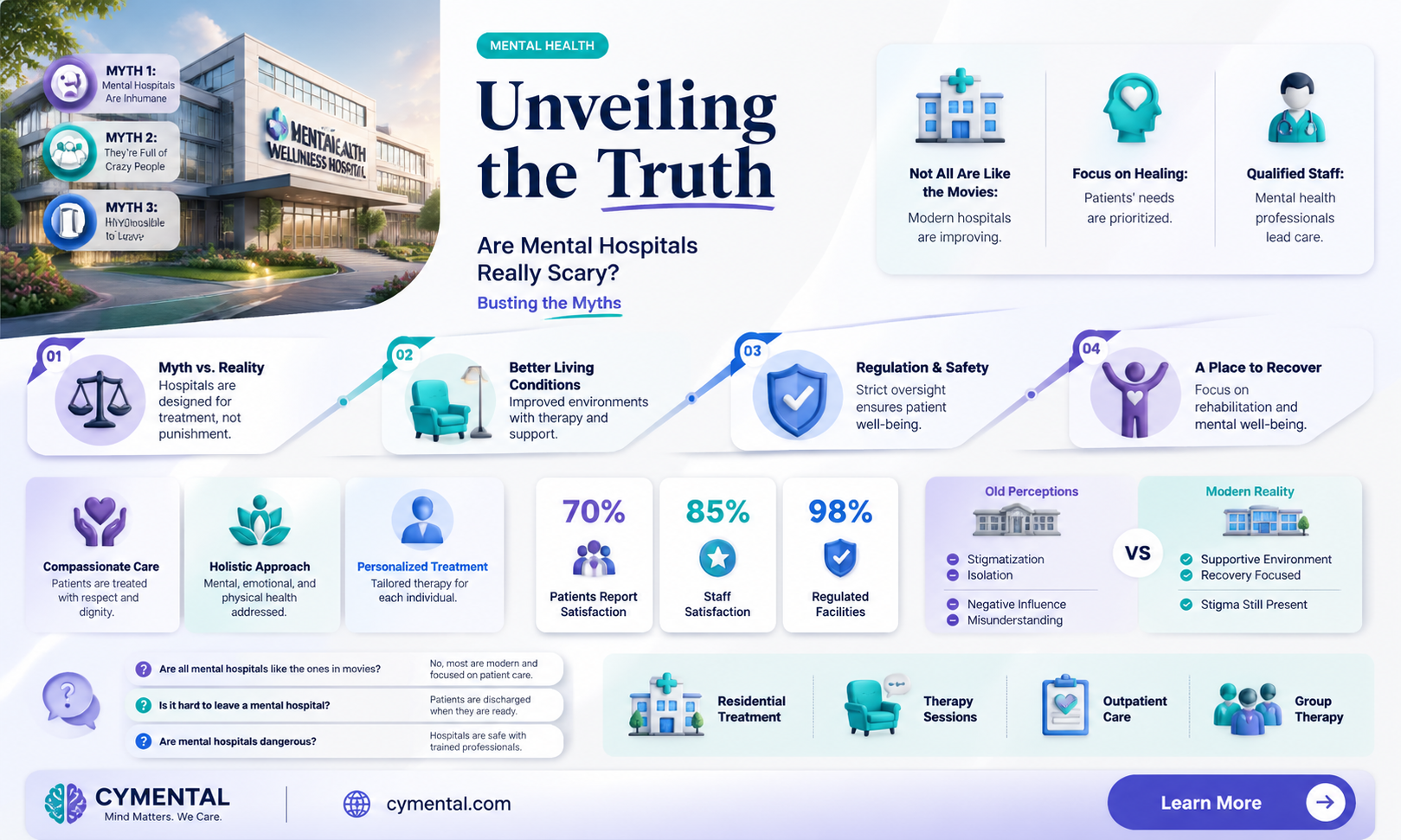
Mental hospitals, also known as psychiatric hospitals, have long been a subject of fascination and fear in popular culture. Often depicted in movies and literature as dark, foreboding places where patients are confined against their will, these institutions have garnered a reputation that can be intimidating to many. However, it's important to separate fact from fiction and understand the true purpose and atmosphere of modern mental health facilities. While the past may have seen some abuses and neglect, contemporary mental hospitals are designed to provide a safe, supportive environment for individuals struggling with mental health issues. They offer a range of treatments and therapies aimed at helping patients recover and regain control of their lives. Despite this, the stigma surrounding mental illness and its treatment persists, leading many to view mental hospitals as scary or undesirable places. It's crucial to challenge these misconceptions and promote a more compassionate understanding of mental health care.
Explore related products


What You'll Learn
- Stigma and Perception: Societal views and misconceptions about mental hospitals contribute to fear and apprehension
- Environment and Atmosphere: Descriptions of the physical setting, including rooms, corridors, and outdoor spaces
- Patient Experiences: Personal stories and testimonials from individuals who have stayed in mental hospitals
- Media Representation: How movies, TV shows, and literature portray mental hospitals, influencing public opinion
- Safety and Security: Measures taken to ensure patient and staff safety, addressing concerns about potential risks

Stigma and Perception: Societal views and misconceptions about mental hospitals contribute to fear and apprehension
Societal views and misconceptions about mental hospitals play a significant role in perpetuating fear and apprehension. One of the primary contributors to this stigma is the portrayal of mental hospitals in media and popular culture. Often, these institutions are depicted as places of horror, where patients are subjected to inhumane treatments and confined against their will. Such representations can be traced back to films like "One Flew Over the Cuckoo's Nest" and literature such as Edgar Allan Poe's "The Tell-Tale Heart," which have ingrained a sense of dread and mistrust in the public psyche.
Another factor that fuels stigma is the lack of understanding about mental health and the treatments provided in these hospitals. Many people believe that mental hospitals are only for those who are severely ill or dangerous, which is not always the case. In reality, mental hospitals serve a wide range of patients with various mental health conditions, offering them a safe environment to receive care and support. The misconception that mental hospitals are places of last resort or only for the most desperate cases contributes to the fear and apprehension surrounding them.
Furthermore, the language used to describe mental hospitals and their patients can also perpetuate stigma. Terms like "crazy," "insane," or "lunatic" are often used pejoratively, reinforcing negative stereotypes and attitudes. This kind of language can be hurtful and alienating, making it more difficult for individuals to seek help and for society to view mental hospitals as places of healing rather than fear.
To combat these misconceptions and reduce stigma, it is essential to educate the public about mental health and the role of mental hospitals. This can be achieved through awareness campaigns, educational programs, and open discussions about mental health issues. By fostering a better understanding of mental health and the treatments available, we can work towards creating a more supportive and compassionate society, where mental hospitals are seen as vital resources for those in need rather than places to be feared.
In conclusion, societal views and misconceptions about mental hospitals contribute significantly to fear and apprehension. By addressing these misconceptions through education and awareness, we can work towards reducing stigma and creating a more supportive environment for individuals seeking mental health care.
The President's Decision: Shutting Down Mental Hospitals
You may want to see also
Explore related products


Environment and Atmosphere: Descriptions of the physical setting, including rooms, corridors, and outdoor spaces
The stark, institutional corridors of a mental hospital can evoke a sense of unease, their sterile, white walls reflecting the harsh fluorescent lighting overhead. The floors, often made of linoleum or another easy-to-clean material, echo with the sound of footsteps, creating an unsettling atmosphere. Rooms within these facilities are typically sparse, furnished with minimal amenities to prevent potential harm to patients. The windows, if present, are often barred or secured, limiting the view to the outside world and reinforcing the feeling of confinement.
Outdoor spaces in mental hospitals are equally foreboding. Fenced-in courtyards with little to no vegetation can feel more like prison yards than therapeutic environments. The lack of natural elements and the presence of security features such as barbed wire or high fences contribute to a sense of isolation and entrapment. These physical settings can exacerbate the anxiety and distress experienced by patients, making the mental hospital environment feel even more intimidating.
The atmosphere within these facilities is further influenced by the routines and regulations that govern daily life. The rigid structure, with its emphasis on medication schedules, therapy sessions, and limited personal freedom, can create a feeling of powerlessness and loss of control. The constant presence of staff and the monitoring of patients' activities add to the sense of surveillance and intrusion, which can be particularly unsettling for those who are already struggling with mental health issues.
Moreover, the historical stigma associated with mental hospitals can linger in the public imagination, contributing to the perception of these facilities as scary or dangerous places. This stigma can be perpetuated by media portrayals of mental hospitals as settings for horror stories or tales of abuse and neglect. Such representations can distort the reality of modern mental health care, but they nonetheless shape public opinion and influence the way people think about these institutions.
In conclusion, the environment and atmosphere of mental hospitals can indeed be scary, both for patients and for those who have never experienced them firsthand. The physical setting, with its institutional and often bleak appearance, combined with the rigid routines and the lingering stigma, can create a formidable and intimidating atmosphere. However, it is important to recognize that modern mental health care has evolved significantly, and many facilities now strive to provide more humane and therapeutic environments for their patients.
Understanding Dress Codes: What to Wear in a Mental Health Facility
You may want to see also
Explore related products


Patient Experiences: Personal stories and testimonials from individuals who have stayed in mental hospitals
Sarah's story is one of resilience and hope. After struggling with severe depression for years, she finally sought help and was admitted to a mental hospital. Her initial fears were quickly alleviated by the compassionate staff and the supportive environment she found. "I was surprised by how welcoming everyone was," she recalls. "The doctors and nurses genuinely cared about my well-being, and the other patients became like a family to me." Sarah's experience was transformative; she received the treatment she needed and left the hospital with a renewed sense of purpose and a toolkit to manage her mental health.
John's journey was more challenging. Diagnosed with schizophrenia, he had been in and out of mental hospitals for over a decade. His experiences varied greatly, from facilities that felt more like prisons than places of healing, to others that offered innovative therapies and genuine support. "The worst part was feeling like I had no control over my life," he says. "But the best hospitals gave me back that sense of agency. They helped me understand my condition and taught me how to cope with it." John now advocates for better mental health care, using his experiences to inform and inspire others.
For many, the fear of mental hospitals stems from a lack of understanding and the stigma surrounding mental illness. Stories like Sarah's and John's can help dispel these myths and show that mental hospitals can be places of healing and hope. While not every experience will be positive, and there are certainly challenges and setbacks, these testimonials highlight the potential for growth and recovery within these facilities. By sharing their stories, individuals like Sarah and John are helping to break down the barriers and encourage others to seek the help they need.
Exploring the Myths and Realities of Psychiatric Care Facilities
You may want to see also
Explore related products

$40.95 $68.95


Media Representation: How movies, TV shows, and literature portray mental hospitals, influencing public opinion
The portrayal of mental hospitals in media has a profound impact on public perception. Movies, TV shows, and literature often depict these institutions as places of fear, danger, and mystery. This sensationalized representation can lead to misconceptions and stigma surrounding mental health care. For instance, films like "One Flew Over the Cuckoo's Nest" and "Girl, Interrupted" showcase mental hospitals as oppressive environments, reinforcing the idea that they are places to be avoided.
Television series, such as "American Horror Story: Asylum," further perpetuate this narrative by combining elements of horror and psychological thriller to create a chilling atmosphere. These portrayals often focus on the worst-case scenarios, ignoring the many positive aspects of mental health treatment and the compassionate care provided by professionals in these settings.
Literature also plays a significant role in shaping public opinion. Novels like "The Bell Jar" by Sylvia Plath and "Prozac Nation" by Elizabeth Wurtzel offer personal accounts of mental illness and hospitalization, but they can also contribute to the perception of mental hospitals as daunting and isolating places. The use of vivid, sometimes disturbing imagery in these works can leave a lasting impression on readers, influencing their views on mental health care.
It is essential to recognize that these media representations are often exaggerated and do not accurately reflect the reality of mental hospitals. In fact, many modern mental health facilities prioritize patient-centered care, offering a supportive and therapeutic environment. By challenging the negative stereotypes perpetuated by media, we can work towards reducing the stigma associated with mental illness and hospitalization.
To combat these misconceptions, it is crucial to promote more accurate and nuanced portrayals of mental hospitals in media. This can be achieved by consulting with mental health professionals and individuals with lived experience when creating content related to mental health. Additionally, media creators should strive to depict a broader range of experiences, including successful treatment outcomes and the positive impact of mental health care. By doing so, we can help to shift public opinion and foster a more compassionate and understanding attitude towards mental illness and hospitalization.
Taking the First Step: Self-Admission to a Mental Health Hospital
You may want to see also
Explore related products





Safety and Security: Measures taken to ensure patient and staff safety, addressing concerns about potential risks
Ensuring safety and security in mental health facilities is paramount to providing a therapeutic environment for patients and a safe working space for staff. One of the primary measures taken is the implementation of comprehensive risk assessments upon patient admission. These assessments evaluate the potential for self-harm, harm to others, and other safety risks, allowing staff to develop individualized care plans that mitigate these risks.
Physical security measures also play a crucial role. Many facilities are equipped with secure entry systems, surveillance cameras, and alarms to monitor and control access to different areas of the hospital. Patient rooms may have safety features such as breakaway furniture, non-slip flooring, and tamper-resistant electrical outlets to prevent accidents and self-harm.
Staff training is another critical component of maintaining safety and security. Healthcare professionals are trained in de-escalation techniques, crisis intervention, and the use of restraints when necessary. Regular drills and simulations help staff prepare for emergency situations, ensuring they can respond effectively and efficiently.
Addressing concerns about potential risks involves transparency and communication. Facilities often have protocols in place for reporting incidents and conducting thorough investigations. Feedback from patients and staff is encouraged to identify areas for improvement and implement changes that enhance safety measures.
In addition to these proactive measures, mental health facilities also focus on creating a supportive and calming environment. This can include the use of soothing colors, natural light, and comfortable furnishings. Therapeutic activities and programs are designed to promote emotional well-being and reduce stress, which can contribute to a safer and more secure atmosphere for all.
Overall, the multifaceted approach to safety and security in mental health facilities is designed to provide a protective and nurturing environment that supports the healing process while minimizing potential risks.
Understanding Mental Health Facilities: Are Psychiatric Hospitals and Wards the Same?
You may want to see also
Frequently asked questions
Mental hospitals, like any medical facility, can be intimidating due to the unfamiliar environment and the stigma surrounding mental health. However, they are designed to be safe and supportive spaces for individuals seeking treatment.
Upon admission, you will typically undergo an assessment to determine your needs. You will then be provided with a treatment plan, which may include therapy, medication, and other supportive services. The goal is to help you stabilize and improve your mental health.
The ability to leave a mental hospital depends on the circumstances of your admission. If you were admitted voluntarily, you may be able to leave when you and your treatment team agree that you are ready. However, if you were admitted involuntarily due to a crisis or safety concerns, there may be legal processes that need to be followed before you can be discharged.
Mental hospitals provide a structured environment where individuals can receive intensive treatment and support for their mental health conditions. Benefits include access to specialized care, a safe space to address crises, and the opportunity to develop coping strategies and improve overall well-being.