Caleb Wright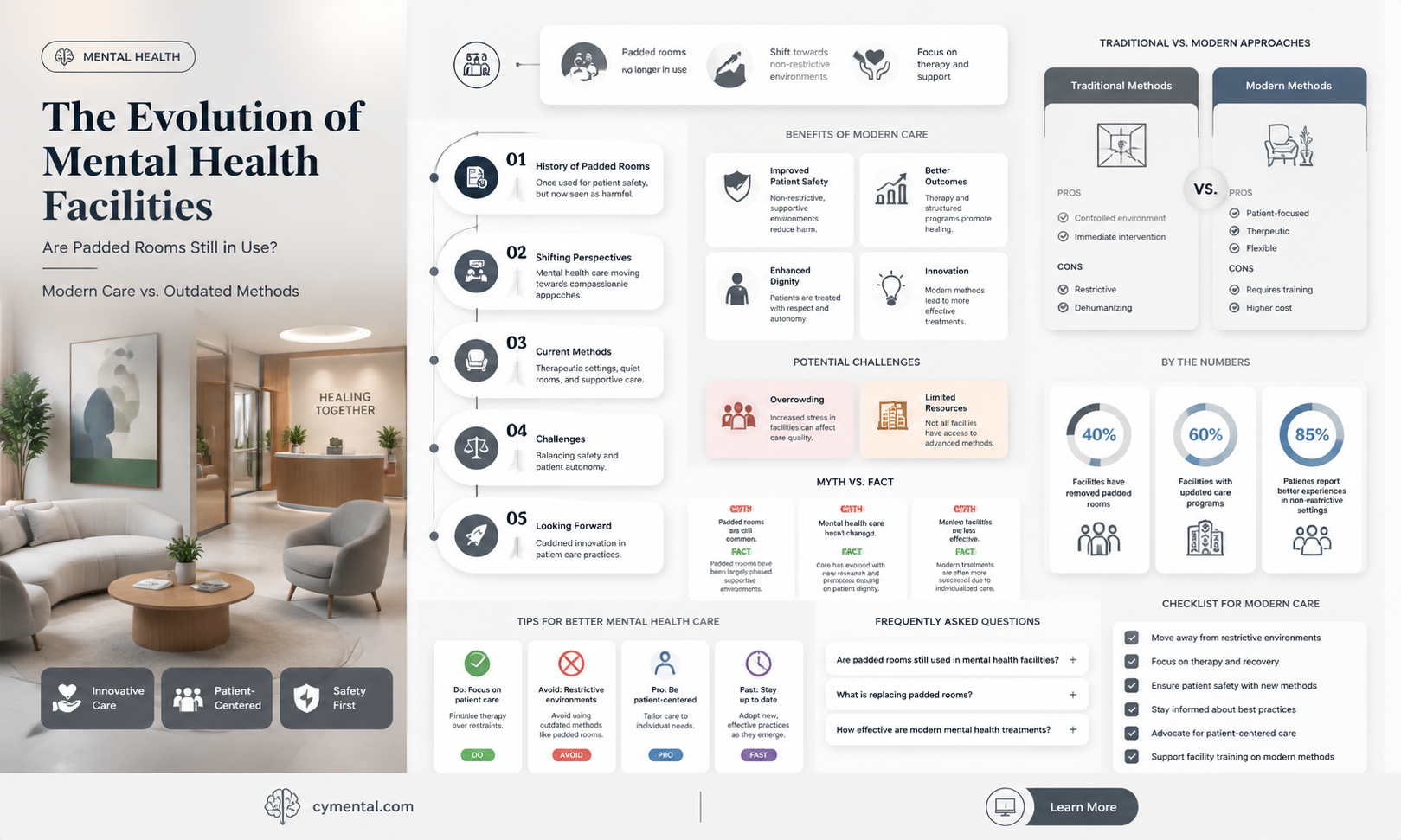
Padded rooms, once a common feature in mental hospitals, were designed to provide a safe environment for patients experiencing acute psychiatric episodes. These rooms were typically stripped of any hard surfaces or objects that could be used to cause harm, and the walls and floors were covered in thick padding. While the intention behind padded rooms was to protect patients from injury, their use has become increasingly controversial over the years. Critics argue that these rooms can be isolating, stigmatizing, and even traumatic for patients, potentially exacerbating their mental health struggles. As a result, many mental health professionals and advocates have called for the elimination of padded rooms in favor of more humane and therapeutic approaches to crisis intervention. Today, the use of padded rooms is heavily regulated and varies widely from one facility to another, with some hospitals opting to phase them out entirely.
| Characteristics | Values |
|---|---|
| Purpose | Padded rooms are designed to provide a safe environment for patients who may be at risk of harming themselves or others. |
| Construction | Walls, floors, and ceilings are covered with thick padding, often made of foam or other shock-absorbing materials. |
| Safety Features | May include reinforced doors and windows, as well as built-in furniture to prevent objects from being used as weapons. |
| Usage | Typically used in psychiatric hospitals, crisis centers, and other mental health facilities. |
| Patient Population | Often used for patients with severe mental illnesses, such as schizophrenia or bipolar disorder, who may experience acute episodes of psychosis. |
| Duration of Use | Patients are usually placed in padded rooms for short periods, only until the immediate crisis has passed and they are deemed safe. |
| Controversy | The use of padded rooms is controversial, with some arguing that they are inhumane and others maintaining that they are necessary for patient safety. |
| Alternatives | Some facilities have moved away from using padded rooms, opting instead for other safety measures such as seclusion rooms or crisis intervention teams. |
| Regulations | The use of padded rooms is regulated by various laws and guidelines, which vary by country and jurisdiction. |
| Training | Staff who work in facilities with padded rooms receive specialized training in their use and the management of patients in crisis. |
| Cost | Padded rooms are expensive to construct and maintain, due to the specialized materials and safety features required. |
| Effectiveness | Studies have shown mixed results regarding the effectiveness of padded rooms in reducing patient harm and improving outcomes. |
| Patient Experience | Patients' experiences with padded rooms vary widely, with some reporting feelings of safety and others describing the experience as traumatic. |
| Historical Context | Padded rooms have been used in mental health facilities for decades, but their use has evolved over time in response to changing attitudes and regulations. |
| Current Trends | There is a growing trend towards de-escalation techniques and crisis intervention strategies that aim to reduce the need for padded rooms. |
Explore related products


What You'll Learn

History and Evolution of Padded Rooms
The concept of padded rooms in mental health facilities has a complex and often controversial history. Initially introduced in the 19th century, these rooms were designed as a form of restraint for patients deemed to be a danger to themselves or others. The early versions were rudimentary, often little more than cells with padded walls and floors to prevent injury. Over time, the design evolved to include more humane features, such as windows and basic furnishings, but the primary function remained the same: to contain and control.
In the mid-20th century, the use of padded rooms began to decline as the mental health community shifted towards more therapeutic approaches. The introduction of antipsychotic medications and the growing emphasis on talk therapy led to a decrease in the need for physical restraints. However, padded rooms did not disappear entirely. Instead, they were repurposed and modernized to serve as safe spaces for patients in crisis.
Today, padded rooms are still used in some mental health facilities, but their role has changed significantly. They are now often referred to as "safety rooms" or "crisis rooms" and are designed to provide a calming environment for patients who are experiencing acute symptoms. These rooms may feature soft lighting, comfortable seating, and soundproofing to help reduce stress and anxiety. The focus is on creating a supportive space that promotes de-escalation and recovery, rather than on containment and control.
Despite these changes, the use of padded rooms remains a contentious issue. Critics argue that they can still be used as a form of punishment or that they may traumatize patients. Advocates, on the other hand, maintain that when used appropriately, these rooms can be a valuable tool in helping patients manage their symptoms and avoid more invasive interventions.
In conclusion, the history and evolution of padded rooms reflect broader changes in the mental health field. From their origins as a means of restraint to their current role as therapeutic spaces, these rooms have undergone significant transformations. While their use is still debated, it is clear that the modern approach prioritizes patient safety and well-being in a way that earlier versions did not.
Exploring Alternatives: Mental Health Treatment vs. Incarceration
You may want to see also
Explore related products


Current Usage in Mental Health Facilities
In mental health facilities today, the use of padded rooms has significantly evolved. While they were once a common sight in psychiatric hospitals, their usage has become more nuanced and regulated. Padded rooms are now typically reserved for situations where a patient poses an immediate risk to themselves or others, and other de-escalation techniques have been unsuccessful.
The design of these rooms has also undergone changes to improve patient safety and comfort. Modern padded rooms often feature softer, more durable materials that reduce the risk of injury. They may also include features like reinforced doors and windows to prevent escape or self-harm.
One of the key considerations in the current use of padded rooms is the balance between patient safety and their rights. Mental health professionals must carefully assess each situation to ensure that the use of a padded room is necessary and does not infringe upon the patient's dignity or autonomy. This often involves a multidisciplinary approach, including input from psychiatrists, psychologists, social workers, and other healthcare providers.
Another important aspect of padded room usage is the duration of confinement. Regulations typically limit the amount of time a patient can be held in a padded room, emphasizing the need for rapid de-escalation and transition to a less restrictive environment. This approach aligns with the broader goal of mental health care, which is to provide the least restrictive environment possible while ensuring patient safety.
In conclusion, while padded rooms are still used in mental health facilities, their role has shifted significantly. They are now seen as a last resort, used only in specific, high-risk situations. The focus has moved towards creating safer, more therapeutic environments that prioritize patient dignity and autonomy while still addressing the need for crisis intervention.
Taking the First Step: Self-Admission to a Mental Health Facility
You may want to see also
Explore related products


Safety vs. Patient Rights Debate
The debate surrounding safety versus patient rights in mental health facilities is a complex and contentious issue. On one hand, ensuring the safety of both patients and staff is paramount, particularly in acute psychiatric settings where individuals may be at risk of harming themselves or others. Padded rooms, also known as seclusion rooms, have historically been used as a measure to prevent such incidents, providing a secure environment for patients to be monitored and treated without the risk of injury.
On the other hand, the use of padded rooms raises significant concerns about patient rights and dignity. Critics argue that these rooms can be akin to solitary confinement, potentially causing psychological distress and exacerbating the patient's condition. The debate centers around whether the benefits of enhanced safety outweigh the potential harm to patient well-being and autonomy.
Recent trends in mental health care have shifted towards a more patient-centered approach, emphasizing the importance of creating therapeutic environments that promote recovery and empowerment. As a result, many facilities have moved away from the use of padded rooms, opting instead for alternative strategies such as de-escalation techniques, crisis intervention teams, and increased staff training to manage challenging behaviors.
However, the complete elimination of padded rooms is not universally advocated. Some argue that in certain cases, such as when a patient is experiencing a severe psychotic episode or is deemed a high risk to themselves or others, the use of a padded room may be necessary as a last resort. The key, they contend, is to ensure that such measures are used judiciously and in accordance with strict guidelines that prioritize patient rights and dignity.
Ultimately, the safety versus patient rights debate highlights the need for a balanced approach to mental health care that takes into account the unique needs and circumstances of each individual. While the use of padded rooms may be decreasing, the discussion surrounding their role in ensuring safety while respecting patient rights remains an important and ongoing conversation in the field of mental health.
Understanding Mental Health Facilities: Are Psychiatric Hospitals and Wards the Same?
You may want to see also
Explore related products


Alternatives to Padded Rooms in Psychiatry
In the realm of psychiatric care, the evolution of treatment environments has led to a reevaluation of traditional padded rooms. One prominent alternative is the use of seclusion rooms, which are designed to provide a calm and secure environment for patients experiencing acute distress. Unlike padded rooms, seclusion rooms often feature reinforced doors and windows, as well as minimal furnishings to prevent self-harm. These rooms are typically used for short-term stabilization rather than long-term confinement.
Another innovative approach is the implementation of sensory rooms, which are tailored to address the sensory needs of individuals with mental health conditions. These rooms may include features such as dimmed lighting, soft textures, and soothing sounds to create a therapeutic atmosphere. Sensory rooms are often used to help patients regulate their emotions and reduce anxiety without the need for physical restraints or isolation.
Additionally, some psychiatric facilities have adopted the use of crisis stabilization units, which are specialized areas designed to provide intensive, short-term treatment for individuals in acute crisis. These units typically offer a higher staff-to-patient ratio, allowing for more personalized care and support. Crisis stabilization units may also incorporate elements of milieu therapy, where the environment itself is used as a therapeutic tool to promote healing and recovery.
In recent years, there has been a growing emphasis on the use of de-escalation techniques and training for psychiatric staff. This approach focuses on teaching staff how to effectively communicate with and calm patients in distress, thereby reducing the need for physical interventions such as padded rooms. De-escalation training often includes strategies for active listening, empathy, and non-verbal communication, as well as techniques for managing aggressive or suicidal behavior.
Finally, some mental health professionals are exploring the use of virtual reality (VR) as a potential alternative to padded rooms. VR technology can create immersive, controlled environments that allow patients to confront and manage their fears or anxieties in a safe and supportive setting. This approach has shown promise in treating a variety of mental health conditions, including post-traumatic stress disorder (PTSD) and phobias.
In conclusion, the alternatives to padded rooms in psychiatry represent a shift towards more humane and therapeutic approaches to managing acute psychiatric crises. By providing patients with environments that are calming, secure, and supportive, these alternatives aim to promote healing and recovery while minimizing the use of restrictive or coercive measures.
Understanding Mental Health Care Options for Young Children
You may want to see also
Explore related products




Impact on Patient Care and Recovery
The use of padded rooms in mental hospitals has a profound impact on patient care and recovery. These rooms, designed to prevent self-harm and protect patients from injury, can be both a sanctuary and a source of distress. On one hand, they provide a safe space for patients to calm down and regain control during acute episodes of mental illness. On the other hand, the isolation and confinement can exacerbate feelings of loneliness, anxiety, and depression, potentially hindering the recovery process.
One of the key considerations in the use of padded rooms is the balance between safety and therapeutic benefit. While these rooms can prevent physical harm, they must be used in conjunction with other therapeutic interventions to address the underlying mental health issues. This includes regular monitoring by trained staff, access to medication, and opportunities for patients to engage in talk therapy and other evidence-based treatments. Without these additional supports, padded rooms can become a warehousing solution rather than a tool for recovery.
Another important factor is the design and maintenance of padded rooms. These spaces should be comfortable, clean, and free from hazards. They should also be equipped with necessary amenities, such as a bed, chair, and access to natural light. Unfortunately, in some cases, padded rooms can be poorly maintained, leading to unsanitary conditions and increased risk of infection. This can further compromise patient care and recovery.
In recent years, there has been a growing movement towards deinstitutionalization and community-based care for individuals with mental illness. This shift has led to a decrease in the use of padded rooms in some regions. However, for those who require inpatient care, padded rooms can still play a vital role in ensuring safety and facilitating recovery. It is essential that mental health professionals and policymakers continue to evaluate the use of these rooms and work towards improving patient outcomes.
Ultimately, the impact of padded rooms on patient care and recovery is complex and multifaceted. While they can provide a necessary level of safety, they must be used thoughtfully and in conjunction with other therapeutic interventions to promote healing and well-being. By striking the right balance between safety and treatment, mental health professionals can help patients navigate their journey towards recovery.
Understanding Mental Health Facilities: What Is a Mental Hospital Called?
You may want to see also
Frequently asked questions
Padded rooms are not commonly used in modern mental health facilities. They have largely been replaced by other safety measures and therapeutic environments that prioritize patient comfort and dignity.
Padded rooms were originally designed to provide a safe space for patients experiencing acute psychiatric episodes. They were intended to prevent patients from harming themselves or others during periods of high agitation or confusion.
Contemporary mental health care facilities use a variety of alternatives to padded rooms, including de-escalation rooms, sensory rooms, and crisis stabilization units. These spaces are designed to provide a calming environment and support patients in managing their symptoms without the use of physical restraints.
Attitudes towards mental health care have evolved significantly since the use of padded rooms was more widespread. There is now a greater emphasis on patient-centered care, trauma-informed practices, and the use of least restrictive environments. Mental health professionals increasingly recognize the importance of creating supportive and empowering spaces that promote recovery and well-being.