Lucas Bennett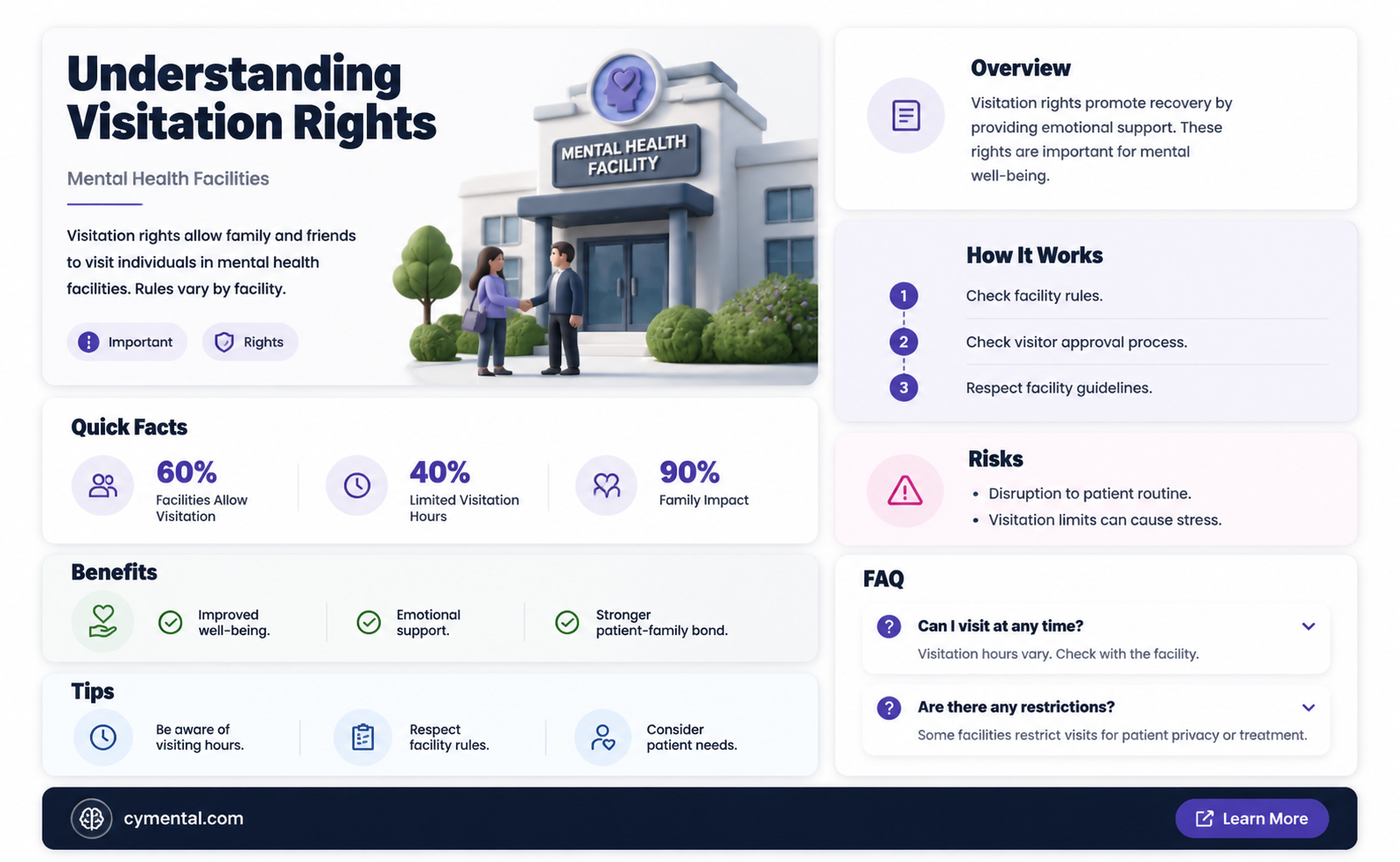
When it comes to mental health facilities, one of the most common questions people have is whether visitors are allowed. The answer to this question can vary depending on the specific hospital or treatment center, as well as the individual circumstances of the patient. In general, many mental hospitals do allow visitors, but there may be certain restrictions or guidelines that need to be followed. For example, some facilities may limit the number of visitors a patient can have at one time, or may require visitors to go through a screening process before being allowed to see the patient. Additionally, there may be specific times designated for visiting, and visitors may be required to adhere to certain rules and regulations while on the premises. Ultimately, the goal of most mental health facilities is to provide a safe and supportive environment for patients, while also allowing them to maintain connections with their loved ones.
Explore related products


What You'll Learn
- Visitor Policies: Varying rules on visitors in mental health facilities, including restrictions and allowances
- Patient Consent: Importance of patient consent for visitors, ensuring patient comfort and privacy
- Visiting Hours: Specific times designated for visitors to ensure structured and safe interactions
- Security Measures: Procedures and checks for visitors to maintain safety and security within the facility
- Support Networks: Role of visitors in providing emotional support and aiding in the recovery process

Visitor Policies: Varying rules on visitors in mental health facilities, including restrictions and allowances
Visitor policies in mental health facilities can vary widely, reflecting the diverse needs and priorities of different institutions and patient populations. Some facilities may impose strict limitations on visitors, while others may have more lenient policies. These variations can depend on factors such as the facility's size, the types of patients it serves, and its overall approach to treatment and care.
In some cases, mental health facilities may restrict visitors to immediate family members or legal guardians, while in other cases, they may allow friends, clergy, or other support persons to visit. Some facilities may also have specific rules about the frequency and duration of visits, or may require visitors to undergo background checks or attend orientation sessions before being allowed to see patients.
The rationale behind these varying policies is often rooted in the facility's commitment to patient safety and well-being. For example, a facility that serves patients with severe mental illnesses may have more restrictive visitor policies to minimize the risk of harm or disruption. On the other hand, a facility that focuses on outpatient care or rehabilitation may have more open visitor policies to encourage social support and integration.
It is important for individuals seeking to visit patients in mental health facilities to be aware of and respect these varying policies. By understanding and adhering to the rules and guidelines set forth by the facility, visitors can help ensure a safe and supportive environment for patients, while also minimizing the risk of conflicts or misunderstandings.
In conclusion, visitor policies in mental health facilities are complex and multifaceted, reflecting the unique needs and priorities of different institutions and patient populations. By being aware of and respectful towards these policies, visitors can play an important role in supporting the recovery and well-being of patients in mental health care.
Exploring Quality Mental Health Care Facilities in Dallas: A Comprehensive Guide
You may want to see also
Explore related products


Patient Consent: Importance of patient consent for visitors, ensuring patient comfort and privacy
Patient consent is paramount when it comes to visitation in mental health facilities. It ensures that patients have control over who enters their personal space, which is crucial for their comfort and privacy. Without explicit consent, visitors, even if they are family or friends, should not be allowed to see the patient. This respect for autonomy is a fundamental aspect of ethical healthcare practice and is legally mandated in many jurisdictions.
In practical terms, obtaining patient consent involves clear communication between the patient, healthcare providers, and potential visitors. Healthcare providers must inform patients of their rights regarding visitation and ensure that they understand the implications of allowing or denying visitors. Patients should be encouraged to express their preferences and any conditions they may have for visitation. For instance, a patient may consent to visits from immediate family members but not from extended family or friends.
Ensuring patient comfort and privacy during visits is also essential. Visitors should be educated on the importance of respecting the patient's boundaries and maintaining confidentiality. They should be aware of the facility's rules and regulations regarding visitation, including visiting hours, duration of visits, and any restrictions on bringing in personal items. Healthcare providers should monitor visits to ensure that they are conducted in a manner that is respectful and supportive of the patient's recovery.
In cases where patients are unable to give consent due to their mental state, healthcare providers must act in the patient's best interest. This may involve limiting or restricting visitation to protect the patient from potential harm or distress. However, such decisions should be made with caution and in consultation with the patient's legal guardian or next of kin.
In conclusion, patient consent is a critical component of visitation policies in mental health facilities. It empowers patients to make decisions about their personal space and interactions, which is essential for their well-being and recovery. Healthcare providers and visitors alike must respect and uphold these consent guidelines to ensure a supportive and therapeutic environment for all patients.
Understanding the Process: Voluntary Admission to a Mental Health Facility
You may want to see also
Explore related products


Visiting Hours: Specific times designated for visitors to ensure structured and safe interactions
Visiting hours in mental health facilities are carefully structured to balance the need for patient safety, staff operational efficiency, and visitor accessibility. Typically, these hours are set during daytime to early evening, avoiding late-night visits that could disrupt the facility's routine and potentially compromise security. For instance, a common visiting schedule might be from 1 PM to 4 PM and 7 PM to 9 PM, with specific days allocated for different wards or patient groups.
The rationale behind such structured visiting hours is multifaceted. Firstly, it ensures that patients have a predictable routine, which is crucial for their mental well-being and stability. Knowing when to expect visitors can help reduce anxiety and provide a sense of normalcy. Secondly, it allows staff to manage their workload more effectively, as they can plan for medication rounds, therapy sessions, and other activities around these designated times. This organization helps maintain a safe and controlled environment for both patients and staff.
Moreover, specific visiting hours can help in monitoring and regulating the interactions between patients and visitors. This is particularly important in mental health settings where the emotional dynamics of visits can significantly impact a patient's condition. By having set times, staff can better supervise these interactions, intervene if necessary, and provide support to both patients and visitors.
Visitors are usually required to adhere to these schedules strictly. Deviations may be allowed in exceptional circumstances, such as when a patient is critically ill or nearing the end of life. In such cases, the facility may grant special visiting privileges outside of regular hours, but this is typically done on a case-by-case basis and with careful consideration of the patient's and facility's needs.
In conclusion, visiting hours in mental health facilities are a critical component of maintaining a structured, safe, and supportive environment for patients. They are designed to balance various needs and ensure that interactions between patients and visitors are managed effectively. Understanding and respecting these schedules is essential for anyone wishing to visit a loved one in such a facility.
Exploring Mental Health Facilities in California: A Comprehensive Guide
You may want to see also
Explore related products


Security Measures: Procedures and checks for visitors to maintain safety and security within the facility
Visitors to a mental health facility are typically subject to a range of security measures designed to ensure the safety of both the patients and the visitors themselves. These measures can include background checks, identity verification, and searches of personal belongings. The facility may also have specific rules regarding the items that visitors can bring in, such as restrictions on sharp objects, weapons, or substances that could be harmful to patients.
In addition to these initial security checks, visitors may be required to follow certain procedures while in the facility. This could include being escorted by staff at all times, staying within designated visiting areas, and adhering to rules regarding physical contact with patients. The facility may also have protocols in place for responding to emergencies or incidents that occur during visits, such as aggressive behavior from a patient or a medical emergency.
One important aspect of security measures for visitors is the need to balance safety with the therapeutic goals of the facility. While it is crucial to maintain a secure environment, it is also important to allow patients to have meaningful interactions with their loved ones. Facilities may therefore implement measures such as supervised visits or video calls to enable patients to maintain connections with the outside world while still ensuring safety.
Another consideration is the potential impact of security measures on the mental health of patients. For some patients, the presence of security personnel or the need to undergo searches may be distressing or triggering. Facilities must therefore carefully consider the potential psychological effects of their security measures and strive to implement them in a way that minimizes harm to patients.
Overall, the security measures in place for visitors to a mental health facility are critical to maintaining a safe and therapeutic environment for all involved. By carefully balancing the need for safety with the therapeutic goals of the facility and the mental health needs of patients, facilities can create a secure and supportive space for patients and their loved ones to connect and heal.
Exploring the Fate of Byberry Mental Hospital's Historic Structures
You may want to see also
Explore related products


Support Networks: Role of visitors in providing emotional support and aiding in the recovery process
Visitors play a crucial role in the recovery process of individuals in mental health facilities. Their presence can provide emotional support, alleviate feelings of isolation, and help maintain a connection to the outside world. This support can be instrumental in aiding patients' recovery by fostering a sense of hope and belonging.
The benefits of visitors are multifaceted. They can offer a listening ear, share personal experiences, and provide encouragement. Visitors can also help patients feel more grounded and connected to their community, which can be particularly important for those who may feel disconnected from society due to their mental health struggles.
However, it's important to note that the role of visitors should be balanced with the need for professional care. While visitors can provide emotional support, they should not be relied upon to fulfill the role of mental health professionals. It's crucial for visitors to understand their limitations and to respect the boundaries set by the facility and the patient's treatment team.
In some cases, visitors may need to be educated about the patient's condition and the best ways to provide support. This can include understanding the importance of medication adherence, recognizing signs of relapse, and knowing how to communicate effectively with the patient. By working in collaboration with the treatment team, visitors can become an integral part of the patient's support network.
Ultimately, the role of visitors in providing emotional support and aiding in the recovery process should be viewed as a complementary component to professional care. Their presence can enhance the patient's overall treatment experience and contribute to a more holistic approach to mental health recovery.
Understanding Your Rights: Can You Leave a Mental Hospital?
You may want to see also
Frequently asked questions
Generally, yes, visitors are allowed in mental hospitals, but there may be restrictions based on the patient's condition and the hospital's policies.
Common restrictions may include limited visiting hours, supervised visits, and prohibitions on bringing certain items into the facility.
To find out the specific visiting policies of a mental hospital, one can contact the hospital directly and ask to speak with someone in the admissions or visitor services department.