Caleb Wright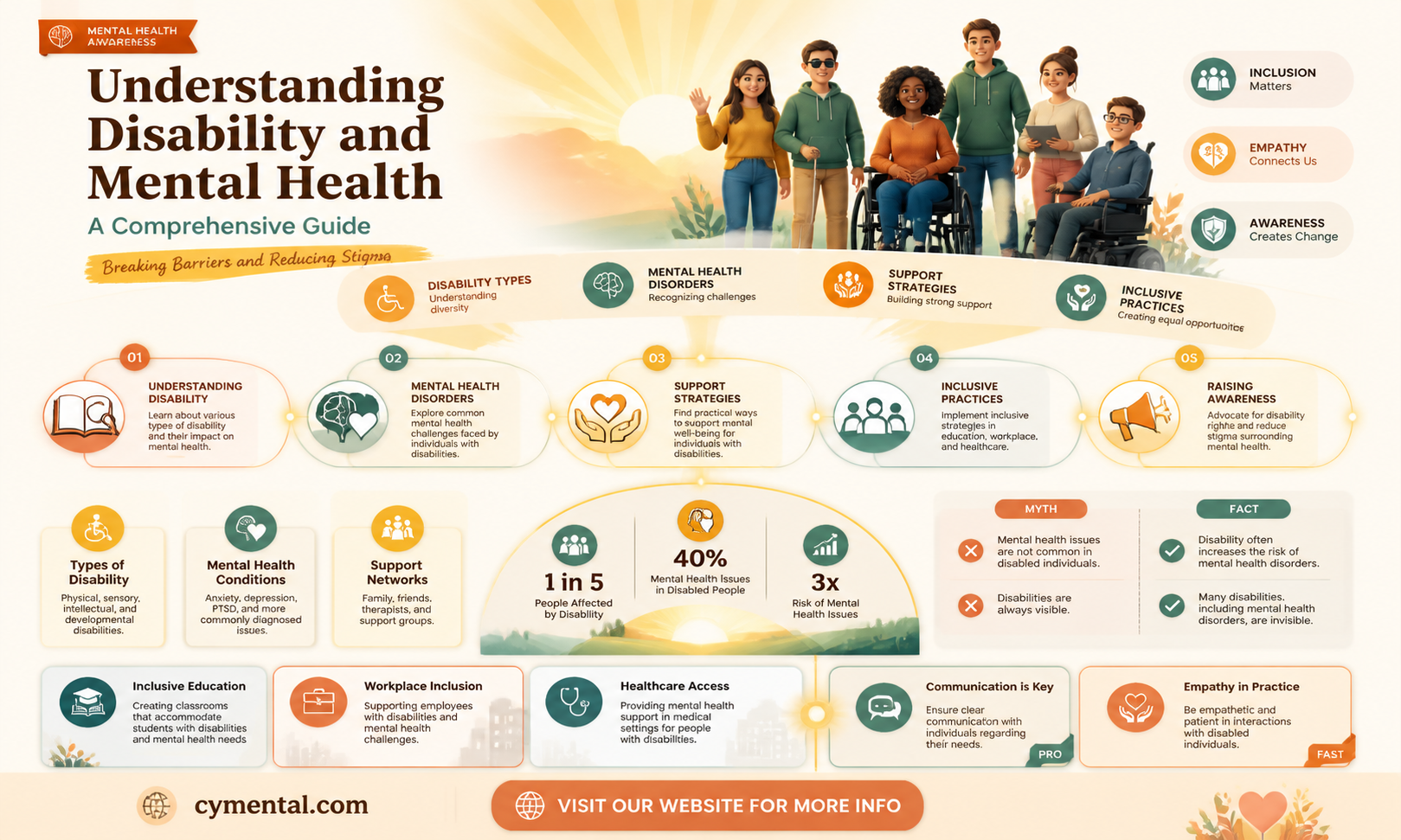
The question of whether an individual is considered disabled if they are in a mental hospital is complex and multifaceted. It touches upon issues of mental health, legal definitions of disability, and societal perceptions. In many jurisdictions, mental illness alone does not automatically qualify someone as disabled; rather, it depends on the specific circumstances and the impact of the illness on the individual's daily life and ability to function. Mental hospitals, also known as psychiatric hospitals, provide intensive care and treatment for individuals experiencing severe mental health issues. While some patients may be considered disabled due to their condition, others may not meet the legal criteria for disability. It's important to approach this topic with sensitivity and an understanding of the nuances involved.
| Characteristics | Values |
|---|---|
| Definition | Being in a mental hospital does not automatically classify someone as disabled. Disability is a complex concept that encompasses physical, mental, and social dimensions. |
| Legal Perspective | Legally, disability is defined by various laws and regulations, such as the Americans with Disabilities Act (ADA) in the United States, which protects individuals with disabilities from discrimination. |
| Mental Health Context | Mental hospitals provide treatment and care for individuals with mental health conditions. While some mental health conditions may qualify as disabilities under certain criteria, not all do. |
| Functional Capacity | Disability is often assessed based on an individual's ability to perform daily tasks and participate fully in society. Mental health conditions can impact this capacity, but the extent varies widely. |
| Individualized Assessment | Each person's situation is unique, and an individualized assessment is necessary to determine if they meet the criteria for disability benefits or protections. |
| Psychiatric Disorders | Certain psychiatric disorders, such as schizophrenia, bipolar disorder, or major depressive disorder, may be considered disabilities if they significantly impair daily functioning. |
| Treatment and Recovery | Mental health conditions can be treated, and many individuals recover or manage their symptoms effectively, which may impact their disability status. |
| Social and Environmental Factors | Disability is not just a medical condition but also a social construct. Environmental barriers and societal attitudes can contribute to the experience of disability. |
| Rights and Protections | Individuals in mental hospitals retain their rights and are protected by various laws, including the right to receive appropriate treatment and to be free from discrimination. |
| Stigma and Misconceptions | There is often stigma and misconceptions surrounding mental health conditions and disability, which can lead to unfair treatment and discrimination. |
| Support and Resources | Various support systems and resources are available for individuals with mental health conditions, including therapy, medication, and community support programs. |
| Employment and Education | Mental health conditions can impact employment and educational opportunities, but accommodations and support services are available to help individuals succeed. |
| Accessibility | Ensuring accessibility in all areas of life, including physical environments, communication, and technology, is crucial for individuals with mental health conditions. |
| Self-Advocacy | Empowering individuals to self-advocate and participate in decisions about their care and support is essential for promoting their rights and well-being. |
| Research and Awareness | Ongoing research and awareness efforts are necessary to improve understanding and support for individuals with mental health conditions and disabilities. |
Explore related products


What You'll Learn
- Definition of Disability: Understanding what constitutes a disability in the context of mental health
- Mental Hospital Stays: Exploring the reasons for hospitalization and its impact on daily life
- Legal Protections: Discussing the rights and protections afforded to individuals in mental health facilities
- Social Stigma: Addressing the societal perceptions and stigma associated with mental illness and hospitalization
- Recovery and Support: Highlighting the pathways to recovery and the support systems available post-hospitalization

Definition of Disability: Understanding what constitutes a disability in the context of mental health
A disability, in the context of mental health, refers to a condition that significantly impacts an individual's cognitive, emotional, or social functioning. This definition is crucial in understanding whether someone in a mental hospital is considered disabled. Mental health disabilities can manifest in various ways, including but not limited to, mood disorders, anxiety disorders, psychotic disorders, and personality disorders. These conditions must be severe enough to interfere with daily life activities, such as work, school, or social interactions, to be classified as a disability.
Determining if someone in a mental hospital is disabled involves assessing the extent to which their mental health condition affects their ability to perform essential tasks and engage in societal roles. This assessment is typically conducted by mental health professionals using standardized criteria and diagnostic tools. The process involves a comprehensive evaluation of the individual's symptoms, their impact on functioning, and the presence of any co-occurring conditions that may further complicate the disability determination.
It's important to note that being in a mental hospital does not automatically equate to being disabled. Hospitalization may be necessary for acute treatment or crisis intervention, but it does not necessarily indicate a long-term disability. Conversely, some individuals with mental health disabilities may never require hospitalization but still experience significant impairments in their daily lives.
The legal and social implications of being labeled as disabled due to mental health conditions are substantial. Disability status can affect eligibility for certain benefits, accommodations, and protections under the law. It can also influence societal perceptions and attitudes towards the individual, potentially leading to stigma or discrimination. Therefore, it is essential to approach the definition and assessment of mental health disabilities with sensitivity, accuracy, and a commitment to reducing stigma and promoting inclusivity.
In conclusion, understanding what constitutes a disability in the context of mental health is a complex and multifaceted issue. It requires careful consideration of the individual's symptoms, their impact on functioning, and the broader social and legal implications of disability status. By adopting a nuanced and informed approach, we can work towards ensuring that individuals with mental health disabilities receive the support and accommodations they need to lead fulfilling lives.
Navigating Mental Health Crises: When Inpatient Care Becomes Necessary
You may want to see also
Explore related products


Mental Hospital Stays: Exploring the reasons for hospitalization and its impact on daily life
Individuals may be hospitalized for a variety of reasons, including but not limited to, acute psychiatric episodes, suicidal ideation, or the need for medication adjustment and monitoring. The decision to hospitalize is typically made by a mental health professional and is often a collaborative effort involving the patient, their family, and other healthcare providers. Hospitalization can provide a safe and supportive environment for individuals to receive intensive treatment, stabilize their condition, and develop a plan for ongoing care.
The impact of a mental hospital stay on daily life can be significant. Patients may experience disruptions to their work, school, or social routines, and may require support from family and friends during their recovery. Additionally, hospitalization can lead to changes in medication regimens, therapy schedules, and overall treatment plans. It is important for individuals to work closely with their healthcare team to ensure a smooth transition back to their daily lives and to minimize any potential disruptions.
One unique aspect of mental hospital stays is the opportunity for patients to engage in group therapy and other therapeutic activities. These can provide valuable insights and coping strategies, as well as a sense of community and support. Patients may also have access to educational resources and workshops aimed at improving their understanding of their condition and developing healthy coping mechanisms.
Another important consideration is the potential for stigma associated with mental hospital stays. It is crucial for individuals to remember that seeking treatment is a sign of strength, not weakness, and that they should not feel ashamed or embarrassed about their decision to seek help. Healthcare providers and mental health advocates are working to reduce stigma and promote a more supportive and understanding environment for those struggling with mental health issues.
In conclusion, mental hospital stays can be a critical component of treatment for individuals experiencing acute psychiatric symptoms or other mental health concerns. While hospitalization can have a significant impact on daily life, it can also provide valuable opportunities for intensive treatment, support, and personal growth. It is important for individuals to work closely with their healthcare team to ensure a smooth transition back to their daily routines and to minimize any potential disruptions or challenges.
Comfort in Care: The Role of Stuffed Animals in Mental Health Hospitals
You may want to see also
Legal Protections: Discussing the rights and protections afforded to individuals in mental health facilities
Individuals in mental health facilities are afforded a range of legal protections to ensure their rights are upheld. These protections are crucial in safeguarding against potential abuses and ensuring that patients are treated with dignity and respect. One of the primary legal frameworks providing these protections is the Mental Health Act, which varies by jurisdiction but generally outlines the rights of patients and the responsibilities of mental health professionals.
Under these legal protections, individuals in mental health facilities have the right to receive appropriate treatment and care. This includes the right to a thorough assessment of their mental health needs, the development of a personalized treatment plan, and access to necessary medical and therapeutic interventions. Patients also have the right to be informed about their treatment options, including the potential risks and benefits of each, and to participate in decisions about their care.
In addition to the right to treatment, patients in mental health facilities have the right to privacy and confidentiality. This means that their personal information and medical records must be kept confidential and that they have the right to control who has access to this information. Patients also have the right to communicate with others, including family members and legal representatives, and to have visitors, subject to certain restrictions that may be necessary for safety and security reasons.
Another important legal protection is the right to appeal decisions about their care. If a patient disagrees with a decision made by their treatment team, they have the right to seek a review of that decision through an appeals process. This process typically involves an independent panel that will consider the patient's perspective and make a ruling on the matter.
Finally, individuals in mental health facilities have the right to be free from discrimination and abuse. This includes the right to be treated without regard to their race, gender, religion, or any other protected characteristic, and the right to be free from physical, emotional, or sexual abuse. Facilities that fail to uphold these rights can face legal consequences, including fines and sanctions.
In conclusion, legal protections play a vital role in ensuring that individuals in mental health facilities are treated fairly and with respect. These protections encompass a wide range of rights, including the right to appropriate treatment, privacy, communication, appeal, and freedom from discrimination and abuse. By understanding and advocating for these rights, patients can help to ensure that they receive the care and support they need to recover and lead fulfilling lives.
Understanding Mental Health Hospitalization Costs: What to Expect
You may want to see also
Social Stigma: Addressing the societal perceptions and stigma associated with mental illness and hospitalization
Mental illness and hospitalization often carry a significant social stigma, which can exacerbate the challenges faced by individuals seeking treatment. This stigma can manifest in various forms, including discrimination, prejudice, and negative stereotypes. Addressing these societal perceptions is crucial in promoting a more supportive and inclusive environment for those affected by mental health issues.
One approach to combating stigma is through education and awareness campaigns. By providing accurate information about mental illness, its causes, and its treatments, we can dispel myths and misconceptions that contribute to stigmatization. Engaging with communities, schools, and workplaces to foster open conversations about mental health can also help reduce the fear and misunderstanding surrounding these issues.
Another strategy is to promote positive representations of mental illness in media and popular culture. By showcasing individuals with mental health conditions in a realistic and empathetic light, we can challenge harmful stereotypes and encourage greater empathy and understanding from the public. This can involve supporting media projects that focus on mental health stories, as well as advocating for more diverse and accurate portrayals of mental illness in film, television, and literature.
In addition to these broader efforts, it is also important to address the specific needs of individuals who have been hospitalized for mental health reasons. Providing support and resources for those transitioning out of hospital care can help them navigate the challenges of reintegration into society and reduce the risk of further stigmatization. This may include access to counseling, job training, and housing assistance, as well as legal protections against discrimination in employment and other areas of life.
Ultimately, addressing the social stigma associated with mental illness and hospitalization requires a multifaceted approach that involves education, awareness, media representation, and targeted support for affected individuals. By working together to challenge negative perceptions and promote a more compassionate and understanding society, we can help ensure that those struggling with mental health issues receive the care and support they need to thrive.
Unveiling the Truth: Are Mental Hospitals Really Scary?
You may want to see also
Recovery and Support: Highlighting the pathways to recovery and the support systems available post-hospitalization
Upon leaving a mental health hospital, individuals are often faced with the daunting task of rebuilding their lives and managing their mental health in the community. This transition can be challenging, but with the right support and resources, recovery is possible. One of the key pathways to recovery is through outpatient treatment, which may include therapy, medication management, and support groups. These services can help individuals develop coping strategies, manage symptoms, and improve their overall well-being.
In addition to outpatient treatment, there are a variety of support systems available to individuals post-hospitalization. These may include case management services, which can help individuals navigate the mental health system and access resources; peer support programs, which connect individuals with others who have experienced similar challenges; and vocational rehabilitation services, which can help individuals return to work or school. Housing support is also crucial, as stable housing can provide a foundation for recovery. This may include transitional housing programs, which offer temporary housing and support services, or permanent supportive housing, which provides ongoing housing and services.
It is important to note that recovery is not a linear process, and individuals may face setbacks and challenges along the way. However, with the right support and resources, it is possible to overcome these challenges and achieve a fulfilling life. One of the most important factors in successful recovery is the individual's own motivation and engagement in the recovery process. This may involve setting goals, developing a support network, and actively participating in treatment and support services.
Family and friends can also play a crucial role in supporting individuals post-hospitalization. They can provide emotional support, help with daily tasks, and encourage the individual to stay engaged in treatment. It is important for family and friends to educate themselves about the individual's mental health condition and the recovery process, so that they can provide informed support. Community organizations and advocacy groups can also be valuable resources, providing information, support, and opportunities for individuals to connect with others and advocate for their rights.
In conclusion, recovery and support post-hospitalization are critical components of the mental health journey. With the right resources and support systems in place, individuals can overcome the challenges of mental illness and achieve a fulfilling life. It is important to remember that recovery is a unique and personal process, and that there is no one-size-fits-all approach. By working together with mental health professionals, support networks, and community resources, individuals can find the path to recovery that works best for them.
Exploring the Presence of Royals in Mental Health Facilities
You may want to see also
Frequently asked questions
Being in a mental hospital does not automatically mean you are considered disabled. Disability is determined by the impact of a condition on daily life and work, not solely by hospitalization.
It depends on individual circumstances and the nature of the treatment. Some people may be able to work part-time or remotely while receiving treatment, while others may need to focus solely on their recovery.
Patients in mental hospitals have the right to receive humane treatment, participate in their care planning, access their medical records, and have their confidentiality protected. They also have the right to refuse treatment in some cases, although this may be subject to legal and medical constraints.