Caleb Wright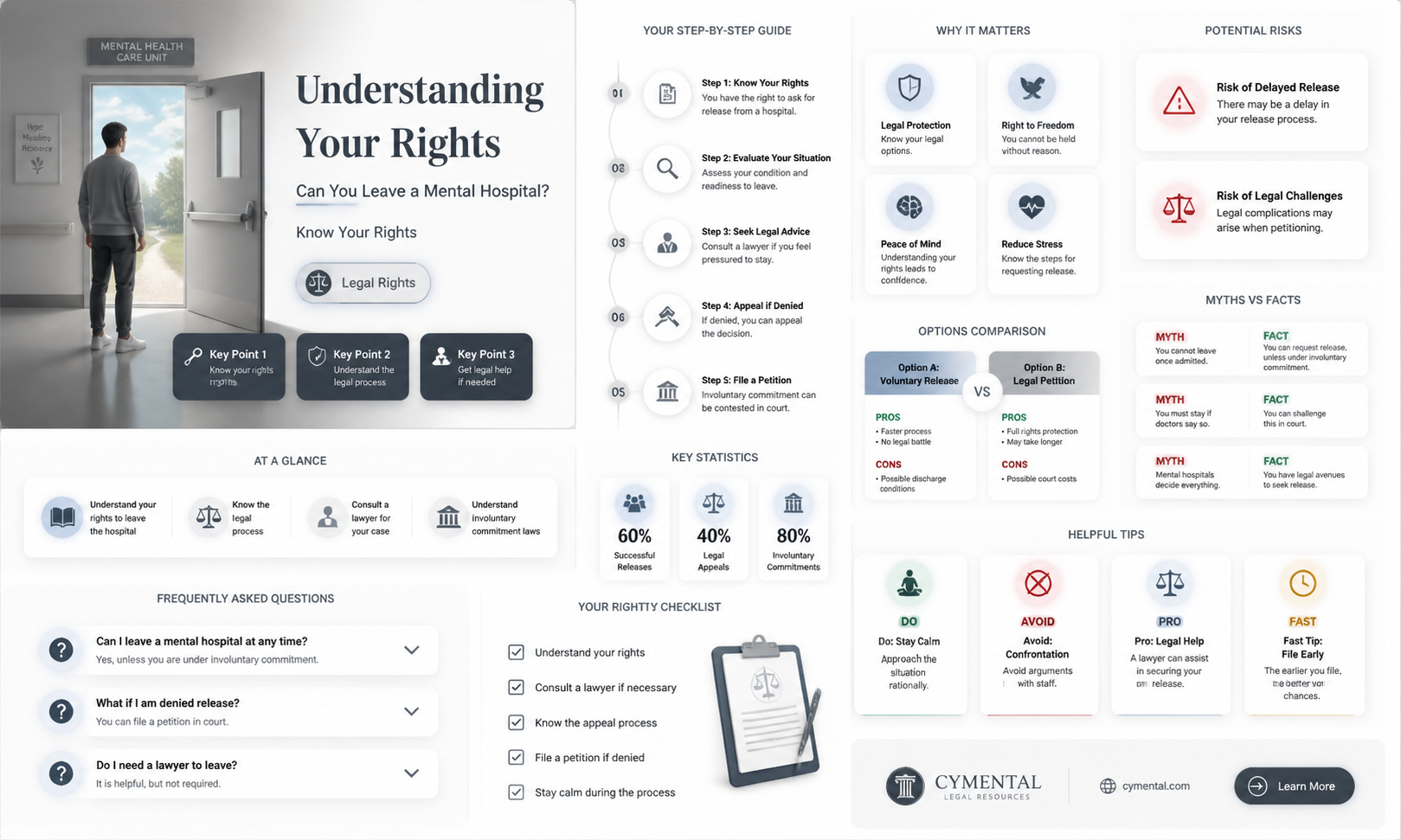
The question of whether patients are allowed to leave mental hospitals is a complex and sensitive topic that intersects with issues of personal autonomy, medical ethics, and legal rights. In many jurisdictions, mental health laws and regulations govern the circumstances under which individuals can be involuntarily committed to a psychiatric facility and the conditions for their release. Generally, patients who are deemed a danger to themselves or others, or who are unable to care for their basic needs due to a mental illness, may be involuntarily hospitalized. However, the criteria for involuntary commitment and the duration of such commitments vary widely by country and even by state or province within a country. In some cases, patients may be able to leave the hospital against medical advice, while in others, they may require a court order or a specific treatment plan to be followed before release is considered. It is essential to approach this topic with a nuanced understanding of the legal and ethical considerations involved, as well as the potential impact on the well-being of the individuals in question.
Explore related products


What You'll Learn
- Voluntary Admission: Patients who admit themselves can typically leave at any time, unless deemed a danger
- Involuntary Commitment: Individuals committed against their will may need a court order or doctor's approval to leave
- Emergency Holds: Short-term detentions for individuals posing an immediate threat to themselves or others
- Patient Rights: Mental health patients retain certain rights, including the right to refuse treatment and request discharge
- Discharge Planning: Hospitals often require a discharge plan to ensure patients have adequate support and resources upon leaving

Voluntary Admission: Patients who admit themselves can typically leave at any time, unless deemed a danger
In the context of mental health care, voluntary admission to a psychiatric facility is a significant decision that patients make when seeking treatment. Unlike involuntary commitments, where patients are admitted against their will due to concerns about their safety or the safety of others, voluntary admissions are based on the patient's own recognition of their need for care. This distinction is crucial because it directly impacts the patient's rights and the conditions under which they can leave the facility.
Patients who voluntarily admit themselves to a mental hospital typically retain the right to leave at any time, provided they do not pose an imminent danger to themselves or others. This right is grounded in the principle of autonomy and the belief that individuals should have control over their own medical treatment. However, it is important to note that the specific policies and procedures regarding voluntary admissions and discharges can vary depending on the jurisdiction and the individual facility's guidelines.
In some cases, a patient's decision to leave may be subject to a brief assessment by the treatment team to ensure that they are stable enough to be discharged safely. This assessment might include a review of the patient's current mental status, their treatment plan, and any potential risks associated with their discharge. If the treatment team determines that the patient is not a danger and is capable of making an informed decision, they will generally be allowed to leave.
It is also worth mentioning that in certain situations, a patient's voluntary admission may be revoked if they are deemed to be a danger. This can happen if the patient's condition deteriorates significantly or if they exhibit behaviors that suggest they might harm themselves or others. In such cases, the facility may need to take steps to ensure the patient's safety, which could include involuntary commitment proceedings.
Overall, the ability of patients to leave mental hospitals voluntarily is an important aspect of their rights and autonomy. It reflects the understanding that mental health treatment should be patient-centered and that individuals should have the freedom to make decisions about their own care, whenever possible. However, it is also essential to balance these rights with the need to ensure patient safety and to provide appropriate care for those who may be at risk.
Exploring Free Mental Health Hospital Options in California
You may want to see also
Explore related products


Involuntary Commitment: Individuals committed against their will may need a court order or doctor's approval to leave
Individuals who are involuntarily committed to a mental hospital are typically those who are deemed a danger to themselves or others, or who are unable to care for themselves due to a mental illness. In such cases, the individual may be held against their will, and their ability to leave the hospital is restricted. This restriction is often in place to ensure the safety of the individual and others, as well as to provide the necessary treatment and care.
In order to leave a mental hospital, an involuntarily committed individual may need to obtain a court order or a doctor's approval. The specific requirements for leaving will vary depending on the jurisdiction and the individual's circumstances. In some cases, a court may determine that the individual is no longer a danger to themselves or others, and may order their release. In other cases, a doctor may determine that the individual has received sufficient treatment and is capable of caring for themselves, and may grant them permission to leave.
It is important to note that the process of leaving a mental hospital can be complex and time-consuming. Individuals who are involuntarily committed may need to demonstrate that they are no longer a danger to themselves or others, and that they are capable of caring for themselves. This may involve undergoing evaluations, attending therapy sessions, and participating in treatment programs.
In some cases, individuals who are involuntarily committed may feel that their rights are being violated, or that they are being unfairly detained. In such cases, it is important for the individual to seek legal advice and to understand their rights and options. Mental health advocates and legal professionals can provide guidance and support to individuals who are seeking to leave a mental hospital.
Overall, the process of leaving a mental hospital for an involuntarily committed individual is often complex and challenging. However, with the right support and guidance, it is possible for individuals to successfully navigate this process and to regain their freedom.
Exploring Gender Disparities in Mental Health Care Facilities
You may want to see also
Explore related products


Emergency Holds: Short-term detentions for individuals posing an immediate threat to themselves or others
In situations where individuals pose an immediate threat to themselves or others, mental health facilities may implement emergency holds. These are short-term detentions designed to ensure the safety of the individual and those around them. Emergency holds are typically used when a person is experiencing a severe mental health crisis, such as suicidal ideation, homicidal thoughts, or severe psychosis.
The process of initiating an emergency hold varies by jurisdiction, but it generally involves a mental health professional or law enforcement officer. The individual is then taken to a designated mental health facility where they are assessed and monitored. The duration of the hold can vary, but it is usually brief, lasting only until the immediate crisis has passed and the individual is deemed stable enough for release or transfer to a longer-term care facility.
During an emergency hold, the individual's rights are limited. They may not be allowed to leave the facility, and their access to communication and personal belongings may be restricted. However, these measures are taken to ensure the individual's safety and the safety of others. Once the hold is lifted, the individual may be released, transferred to a different level of care, or petitioned for involuntary commitment if they continue to pose a significant risk.
It is important to note that emergency holds are a last resort and are only used when other interventions have failed. Mental health professionals strive to provide the least restrictive environment possible while still ensuring the individual's safety. Emergency holds are a critical tool in the mental health system, providing a temporary solution to manage severe crises and prevent potential harm.
Considering a Mental Health Facility: Weighing the Pros and Cons
You may want to see also
Explore related products


Patient Rights: Mental health patients retain certain rights, including the right to refuse treatment and request discharge
Mental health patients possess a fundamental right to autonomy, which encompasses the ability to make decisions regarding their own treatment and care. This right is enshrined in various international human rights instruments and national laws, ensuring that individuals are not subjected to involuntary treatment or detention without their consent. In the context of mental hospitals, this means that patients generally have the right to refuse treatment and request discharge, subject to certain conditions and safeguards.
One of the key aspects of this right is the ability to make informed decisions about one's own mental health care. This includes being provided with accurate and comprehensive information about the proposed treatment, its potential benefits and risks, and alternative options that may be available. Patients must also be able to communicate their wishes and preferences clearly, without fear of coercion or reprisal. In situations where a patient's capacity to make decisions is impaired, due to the severity of their mental illness, legal frameworks often provide for the appointment of a legal representative or guardian to act on their behalf.
The right to refuse treatment and request discharge is not absolute, however, and may be subject to certain limitations. For example, in cases where a patient poses a significant risk to themselves or others, or where their refusal of treatment would result in a deterioration of their mental health, mental health professionals may be authorized to provide treatment without consent. Additionally, in some jurisdictions, patients may be required to undergo a certain period of involuntary treatment or observation before they are permitted to request discharge.
Despite these limitations, the right to autonomy remains a cornerstone of mental health law and practice. It is essential for ensuring that mental health patients are treated with dignity and respect, and that their individual needs and preferences are taken into account in the provision of care. By upholding this right, mental health professionals can help to promote recovery, reduce stigma, and improve the overall quality of mental health services.
Exploring Gender Segregation in Psychiatric Facilities: A Comprehensive Overview
You may want to see also
Explore related products


$69.99 $84.99


Discharge Planning: Hospitals often require a discharge plan to ensure patients have adequate support and resources upon leaving
Discharge planning is a critical component of the healthcare process, particularly in mental health settings. It involves a collaborative effort between healthcare providers, patients, and their support networks to ensure a smooth transition from hospital care to community living. This plan typically outlines the patient's ongoing treatment needs, medication regimens, therapy appointments, and support services. It may also include emergency contact information and a crisis management plan.
The importance of discharge planning cannot be overstated. Without a well-structured plan, patients may face significant challenges upon leaving the hospital, such as difficulty accessing follow-up care, managing their medications, or coping with the stressors of daily life. This can lead to a higher risk of readmission or even more severe consequences.
In the context of mental hospitals, discharge planning takes on additional complexity. Patients may require intensive outpatient therapy, medication management, and social support to maintain their stability. The plan must be tailored to the individual's specific needs and circumstances, taking into account factors such as their diagnosis, treatment history, and available support systems.
Effective discharge planning involves clear communication between all parties involved. Healthcare providers must ensure that patients understand their treatment plans and are aware of the resources available to them. Patients, in turn, should be encouraged to ask questions and express any concerns they may have. This collaborative approach helps to empower patients and promote their active participation in their own care.
Ultimately, discharge planning is a crucial step in the journey towards recovery and wellness. By ensuring that patients have the necessary support and resources in place, healthcare providers can help to facilitate a successful transition from hospital care to community living, thereby improving patient outcomes and reducing the likelihood of readmission.
Navigating Mental Health: Self-Admission to Psychiatric Care for Depression
You may want to see also
Frequently asked questions
Patients in mental hospitals are generally allowed to leave when they are deemed medically stable and no longer a danger to themselves or others. However, this can vary depending on the specific policies of the hospital and the legal requirements of the jurisdiction.
Factors that determine when a patient can leave a mental hospital include their mental and physical stability, the effectiveness of their treatment, their ability to function independently, and whether they pose a risk to themselves or others.
In some cases, patients may be able to leave mental hospitals against medical advice, but this can be risky and may have legal consequences. It is important for patients to discuss their concerns with their healthcare providers and to follow the recommended treatment plan.
If a patient leaves a mental hospital without permission, they may be considered AWOL (absent without leave) and could be subject to legal action. In some cases, they may be involuntarily committed to another facility or required to return to the original hospital.
Patients can prepare for leaving a mental hospital by working with their healthcare providers to develop a discharge plan, which may include arranging for follow-up care, medication management, and support services. They should also make sure they have a safe and stable living environment and a plan for managing any ongoing mental health issues.