Lucas Bennett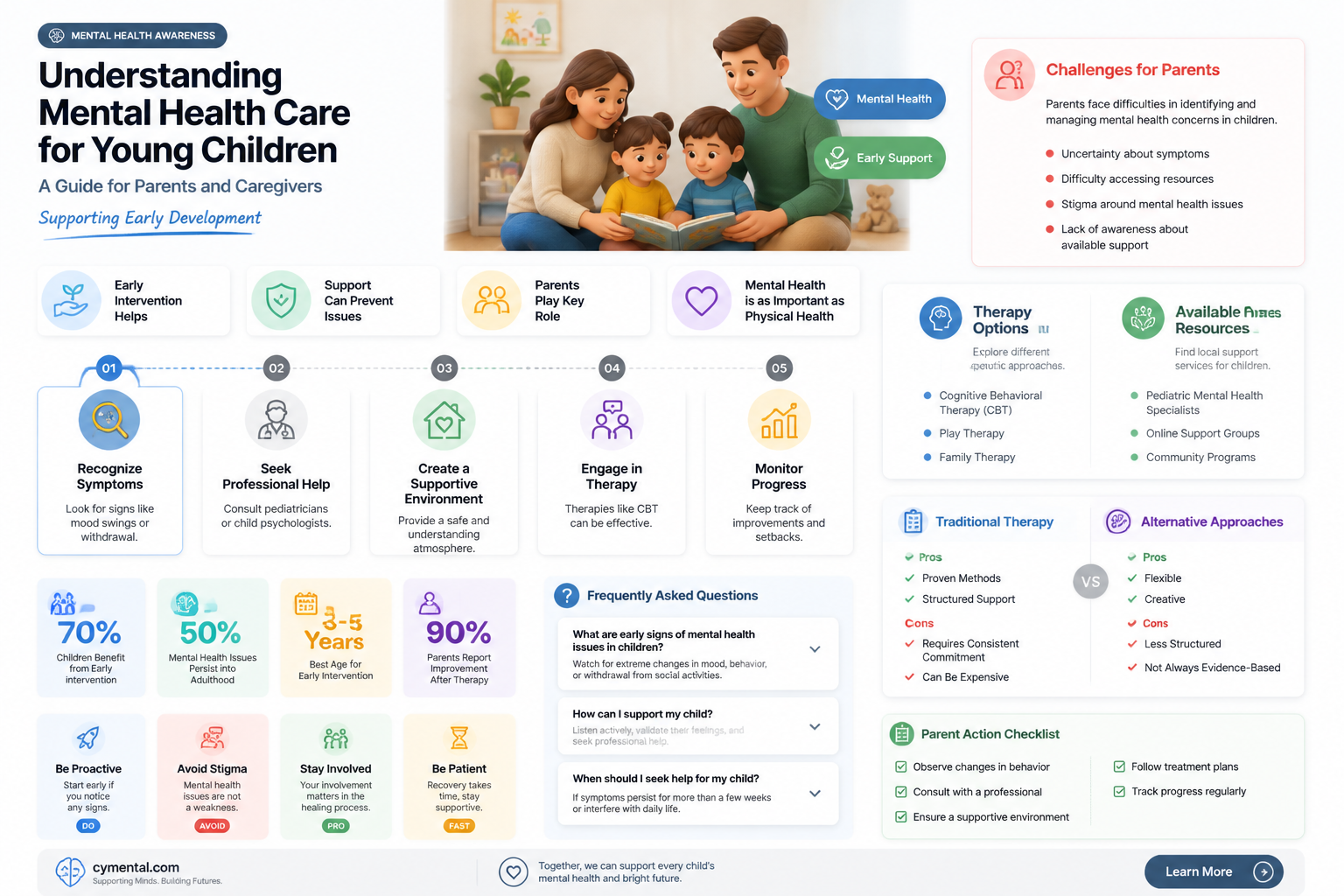
The question of whether a 5-year-old can be admitted to a mental hospital is a complex and sensitive issue that involves careful consideration of the child's well-being and the availability of appropriate resources. In general, mental health treatment for young children is approached with caution, as their developmental stage and limited ability to communicate can make it challenging to accurately diagnose and address their needs. While inpatient care is typically reserved for older children and adolescents with more severe mental health concerns, there are circumstances where a younger child might require intensive intervention. This could include situations where the child is experiencing severe behavioral issues, is at risk of harming themselves or others, or has a medical condition that necessitates close monitoring and treatment. However, such cases are relatively rare, and mental health professionals usually explore alternative treatment options, such as outpatient therapy and support services, before considering hospitalization for a child of this age.
Explore related products


What You'll Learn
- Assessment Process: Evaluating a child's mental health to determine the need for hospitalization
- Legal and Ethical Considerations: Understanding the rights and protections in place for minor patients
- Types of Mental Health Disorders: Identifying conditions that may require inpatient care in children
- Alternatives to Hospitalization: Exploring outpatient treatments and support systems available for young children
- Role of Parents and Guardians: Involving family in the decision-making and treatment process

Assessment Process: Evaluating a child's mental health to determine the need for hospitalization
The assessment process for evaluating a child's mental health to determine the need for hospitalization involves several critical steps. Initially, a thorough clinical evaluation is conducted by a qualified mental health professional, such as a child psychiatrist or psychologist. This evaluation typically includes a detailed review of the child's medical and psychiatric history, as well as an assessment of their current symptoms and behaviors.
During the evaluation, the mental health professional will often use standardized assessment tools and questionnaires to gather objective data about the child's mental health status. These tools may include behavioral rating scales, symptom checklists, and cognitive assessments. Additionally, the professional will likely conduct interviews with the child, their parents or guardians, and other relevant individuals, such as teachers or caregivers, to gain a comprehensive understanding of the child's functioning in various settings.
The assessment process also involves a risk evaluation to determine if the child poses a danger to themselves or others. This is a crucial step in deciding whether hospitalization is necessary. Factors considered during the risk evaluation may include the presence of suicidal ideation, homicidal thoughts, or a history of violent behavior.
Based on the findings of the clinical evaluation and risk assessment, the mental health professional will then determine whether hospitalization is the appropriate course of action. If hospitalization is deemed necessary, the professional will typically discuss the reasons for this decision with the child's parents or guardians and explain the expected benefits and potential risks of inpatient treatment.
In cases where hospitalization is not recommended, the mental health professional will often develop an outpatient treatment plan that may include therapy, medication, and other supportive services. This plan will be tailored to address the child's specific mental health needs and will be regularly reviewed and adjusted as needed.
Throughout the assessment process, it is essential to involve the child and their family in the decision-making process and to ensure that they understand the reasons behind any recommendations made. This collaborative approach helps to promote trust and engagement in the treatment process, which is critical for achieving positive outcomes.
Addressing the Mental Health Crisis: Are There Enough Hospitals?
You may want to see also
Explore related products


Legal and Ethical Considerations: Understanding the rights and protections in place for minor patients
In the realm of mental health care for minors, legal and ethical considerations play a paramount role in ensuring the well-being and rights of young patients. One fundamental aspect is the concept of informed consent, which, in the case of minors, typically requires the consent of a parent or legal guardian. This ensures that any treatment or hospitalization is carried out with the understanding and agreement of a responsible adult.
Another critical consideration is the protection of the minor's privacy and confidentiality. Mental health records are highly sensitive, and strict regulations, such as the Health Insurance Portability and Accountability Act (HIPAA) in the United States, govern the handling and sharing of such information. This is to safeguard the minor from potential stigma or discrimination that could arise from the disclosure of their mental health status.
Moreover, the legal framework surrounding the hospitalization of minors often includes provisions for the least restrictive environment. This means that, whenever possible, efforts are made to provide treatment in the least restrictive setting that is appropriate for the minor's needs. This could range from outpatient therapy to inpatient care, with the goal of minimizing the disruption to the minor's life and promoting their overall well-being.
Ethical considerations also come into play when determining the appropriateness of certain treatments for minors. For instance, the use of psychotropic medications in young patients is a topic of ongoing debate and scrutiny. While these medications can be effective in managing certain mental health conditions, they also carry risks and potential side effects that must be carefully weighed against the benefits.
In conclusion, the legal and ethical considerations surrounding the mental health care of minors are multifaceted and complex. They are designed to protect the rights and well-being of young patients while also ensuring that they receive the necessary care and support. Navigating these considerations requires a nuanced understanding of the relevant laws, regulations, and ethical principles, as well as a commitment to prioritizing the best interests of the minor patient.
Exploring Gender Segregation in Psychiatric Facilities: A Comprehensive Overview
You may want to see also
Types of Mental Health Disorders: Identifying conditions that may require inpatient care in children
In the realm of pediatric mental health, certain disorders may necessitate inpatient care, even for young children as early as five years old. These conditions often manifest with severe symptoms that significantly impair a child's daily functioning, safety, or well-being. Inpatient treatment provides a structured environment where children can receive intensive therapy, medication management, and 24-hour supervision.
One such disorder that may require inpatient care is severe depression. In children, this can present as persistent sadness, loss of interest in activities, changes in appetite or sleep patterns, and even suicidal thoughts or behaviors. Inpatient treatment allows for close monitoring and the implementation of a comprehensive treatment plan, including psychotherapy and, if necessary, medication.
Another condition that might necessitate inpatient care is bipolar disorder. Characterized by extreme mood swings, bipolar disorder can lead to manic episodes where children exhibit heightened energy, racing thoughts, and impulsive behaviors, or depressive episodes similar to those seen in depression. Inpatient care is crucial during acute episodes to stabilize the child's mood and prevent potential harm.
Schizophrenia, although less common in young children, can also lead to inpatient treatment. Symptoms may include hallucinations, delusions, disorganized thinking, and social withdrawal. Early intervention in a controlled inpatient setting can be vital for managing symptoms and improving long-term outcomes.
Eating disorders, such as anorexia nervosa or bulimia nervosa, are additional concerns that may require inpatient care. These disorders can lead to severe malnutrition, electrolyte imbalances, and other medical complications. Inpatient treatment provides the necessary medical monitoring and nutritional support, as well as therapy to address the underlying psychological issues.
Lastly, children with severe anxiety disorders, such as obsessive-compulsive disorder (OCD) or generalized anxiety disorder, may benefit from inpatient care if their symptoms are particularly debilitating. Inpatient treatment can offer intensive cognitive-behavioral therapy and other interventions to help children manage their anxiety and regain control over their lives.
In conclusion, while inpatient care for mental health disorders in young children is not a first-line treatment, it can be a necessary and beneficial option for those with severe symptoms that cannot be adequately managed in an outpatient setting. The decision for inpatient treatment should be made by a qualified mental health professional in consultation with the child's family and other healthcare providers.
Navigating Mental Health: When to Consider Inpatient Care
You may want to see also
Alternatives to Hospitalization: Exploring outpatient treatments and support systems available for young children
In the realm of mental health care for young children, outpatient treatments and support systems offer viable alternatives to hospitalization. These options are designed to provide comprehensive care while allowing children to remain in their home environment, which can be crucial for their emotional well-being and development. Outpatient services can include individual therapy, group therapy, family therapy, and medication management, all tailored to meet the unique needs of young children.
One effective outpatient treatment for young children is play therapy. This approach utilizes play as a means of communication and expression, allowing children to work through their emotions and experiences in a safe and supportive setting. Play therapy can help children develop coping skills, improve their self-esteem, and enhance their ability to form healthy relationships.
Another important component of outpatient care is the involvement of the child's family. Family therapy sessions can help parents and caregivers understand their child's needs and develop strategies to support them at home. This collaborative approach can strengthen family bonds and create a more stable and nurturing environment for the child.
In addition to therapy, medication can also play a role in outpatient treatment for young children. However, it is essential to carefully consider the potential risks and benefits of medication use in this age group. Psychiatrists and other mental health professionals must work closely with parents and caregivers to ensure that any medication prescribed is appropriate and closely monitored.
Support systems such as community-based programs and support groups can also be invaluable for young children and their families. These programs can provide additional resources, education, and emotional support, helping families navigate the challenges of mental health care. By fostering a sense of community and connection, these support systems can help reduce feelings of isolation and stigma often associated with mental health issues.
In conclusion, outpatient treatments and support systems offer a range of effective alternatives to hospitalization for young children. By providing tailored therapy, involving families in the treatment process, carefully considering medication use, and leveraging community resources, these options can help children thrive while remaining in their home environment.
Recognizing the Signs: When It's Time to Seek Inpatient Mental Health Care
You may want to see also
Role of Parents and Guardians: Involving family in the decision-making and treatment process
Parents and guardians play a pivotal role in the mental health treatment process for young children. Their involvement is crucial not only for providing emotional support but also for making informed decisions about the child's care. When a child is experiencing mental health issues, it's essential for parents to be actively engaged in the treatment plan, ensuring that they understand the diagnosis, the proposed interventions, and the potential outcomes.
One of the key ways parents can be involved is by participating in family therapy sessions. These sessions allow parents to learn coping strategies, improve communication with their child, and address any underlying family dynamics that may be contributing to the child's mental health challenges. Additionally, parents should be educated about the medications their child may be prescribed, including the benefits, risks, and side effects, to make informed decisions about their child's treatment.
Another important aspect of parental involvement is advocating for their child within the healthcare system. Parents should feel empowered to ask questions, seek second opinions, and ensure that their child's needs are being met. They should also be aware of their child's rights and the resources available to support them, such as support groups, educational materials, and mental health professionals specializing in pediatric care.
Involving family members in the decision-making process can also help to reduce stigma and promote a sense of unity and understanding. By working together with healthcare providers, parents can help to create a comprehensive treatment plan that addresses the child's needs holistically, taking into account their social, emotional, and educational well-being.
In conclusion, the role of parents and guardians in the mental health treatment process for young children is multifaceted and critical. Their active involvement can significantly impact the child's recovery and overall well-being, making it essential for healthcare providers to engage them as partners in care.
Andrea Yates' Current Status: Mental Health Journey Update
You may want to see also
Frequently asked questions
Yes, in some cases, a 5-year-old can be admitted to a mental hospital if they are experiencing severe mental health issues that require intensive treatment and monitoring.
Some reasons a 5-year-old might need to go to a mental hospital include severe depression, anxiety, aggression, self-harm, or suicidal thoughts. Additionally, if a child is experiencing hallucinations or delusions, they may also be admitted.
The process for admitting a 5-year-old to a mental hospital typically involves a referral from a pediatrician or mental health professional, followed by an evaluation by a psychiatrist or psychologist. If the child is deemed to be in need of inpatient treatment, they will be admitted to the hospital.