Caleb Wright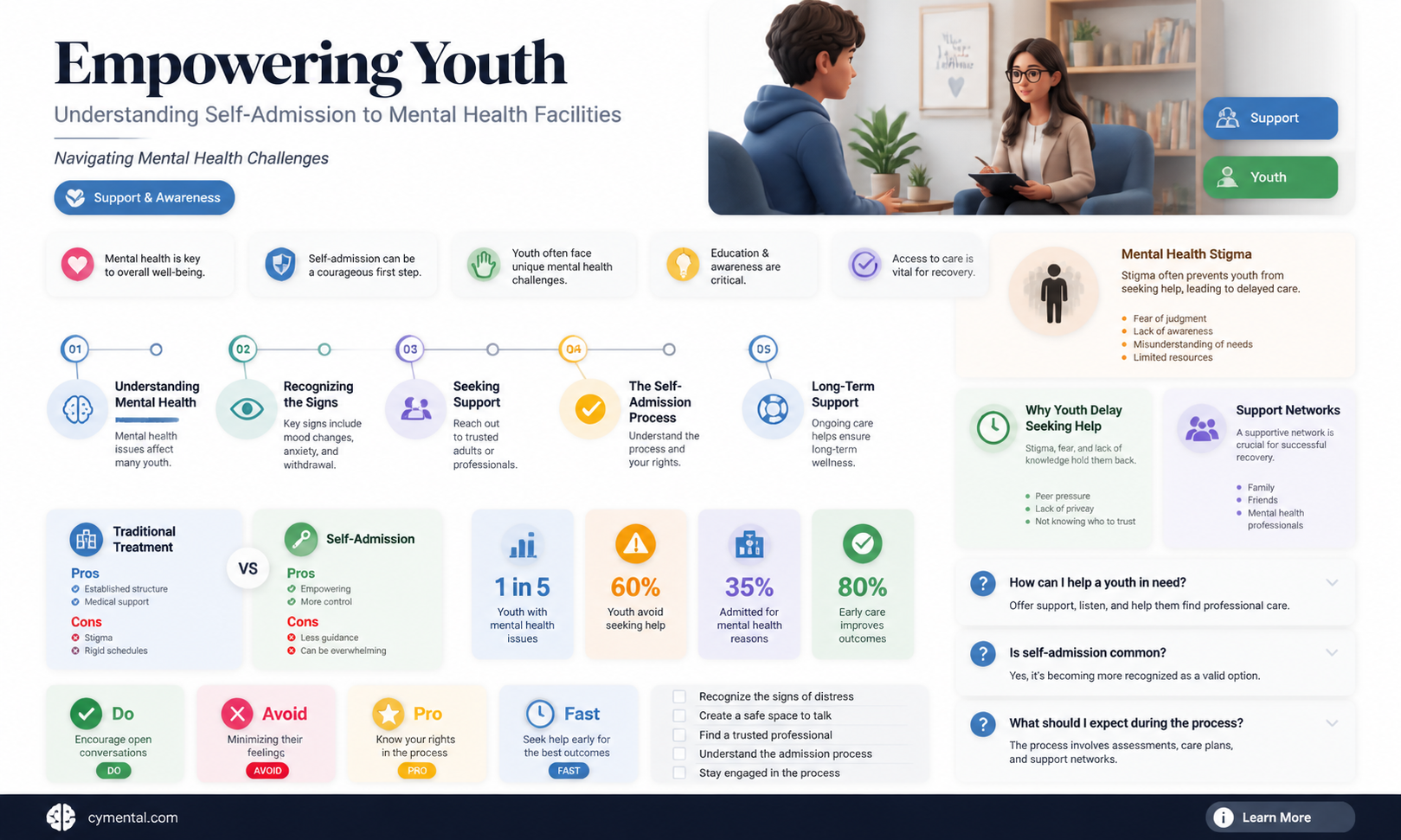
The question of whether a child can admit themselves to a mental hospital is a complex and sensitive issue that intersects with legal, ethical, and psychological considerations. In most jurisdictions, children under a certain age—often 18—are not legally competent to make such decisions on their own and typically require the consent of a parent or legal guardian. However, there are circumstances where a child may be deemed mature enough to make decisions about their mental health care, or where emergency situations necessitate immediate intervention. It's crucial to balance the child's autonomy with the need for appropriate care and protection, ensuring that any admission is in the best interest of the child's well-being. Mental health professionals and policymakers must navigate these nuances carefully to provide effective support while upholding the rights and safety of young individuals.
Explore related products


What You'll Learn
- Age Restrictions: Minimum age requirements for voluntary admission vary by jurisdiction and hospital policies
- Parental Consent: Many facilities require parental consent for minors seeking mental health treatment
- Emergency Situations: In crisis cases, children may be admitted involuntarily if they pose a risk to themselves or others
- Insurance Coverage: Admission may depend on insurance coverage and financial ability to pay for treatment
- Assessment Process: Children are typically assessed by mental health professionals to determine the need for hospitalization

Age Restrictions: Minimum age requirements for voluntary admission vary by jurisdiction and hospital policies
In the realm of mental health care, the question of whether a child can admit themselves to a mental hospital is complex and multifaceted. One critical aspect of this issue is the age restrictions that govern voluntary admission. These restrictions vary significantly by jurisdiction and are further complicated by the policies of individual hospitals.
In many jurisdictions, the minimum age for voluntary admission to a mental health facility is 18 years old. This is because, at this age, individuals are generally considered to have the legal capacity to make decisions about their own health care. However, there are exceptions to this rule. Some jurisdictions allow minors to consent to mental health treatment if they meet certain criteria, such as being emancipated or having a court order.
Hospital policies can also play a significant role in determining whether a child can admit themselves to a mental hospital. Some facilities may have specific programs or units designed for children and adolescents, while others may not. Additionally, some hospitals may require parental consent or involvement in the admission process, even if the child is legally able to consent.
Navigating these age restrictions and hospital policies can be challenging for children and their families. It is important to be aware of the specific laws and policies in your jurisdiction and to work closely with mental health professionals to ensure that the child receives the care they need.
In conclusion, while the minimum age for voluntary admission to a mental hospital is typically 18 years old, there are exceptions and variations based on jurisdiction and hospital policies. Understanding these complexities is crucial for ensuring that children receive appropriate mental health care.
The President's Decision: Shutting Down Mental Hospitals
You may want to see also
Explore related products

$9.99


Parental Consent: Many facilities require parental consent for minors seeking mental health treatment
In the realm of mental health care for minors, the requirement of parental consent stands as a significant hurdle. Many facilities mandate that a parent or legal guardian provide consent before a minor can receive treatment, including admission to a mental hospital. This policy is rooted in the legal principle that parents have the authority to make medical decisions on behalf of their children until they reach the age of majority.
However, this requirement can sometimes create barriers to timely and necessary care. In situations where a minor is in immediate need of mental health services, obtaining parental consent may not be feasible or may cause undue delay. This can be particularly problematic in cases where the minor is estranged from their parents, or where parents are unable or unwilling to provide consent due to their own circumstances.
Moreover, the insistence on parental consent can inadvertently undermine the autonomy and agency of minors in managing their own mental health. It may also perpetuate stigma and silence around mental health issues, as minors may feel discouraged from seeking help if they fear their parents' reaction or are unable to obtain consent.
Despite these challenges, there are instances where parental consent is not required. Some jurisdictions have laws that allow minors to consent to mental health treatment under certain conditions, such as when they are deemed mature enough to make informed decisions or when their parents are unable to provide consent. Additionally, in emergency situations, mental health professionals may provide treatment without parental consent if it is deemed necessary to protect the minor's safety and well-being.
In conclusion, while the requirement of parental consent for minors seeking mental health treatment is intended to protect their best interests, it can also create significant barriers to care. It is essential to balance the need for parental involvement with the minor's right to timely and effective mental health services, and to consider alternative approaches that prioritize the well-being and autonomy of young people.
Understanding Mental Health Care: Inside the World of Psychiatric Hospitals
You may want to see also
Explore related products


Emergency Situations: In crisis cases, children may be admitted involuntarily if they pose a risk to themselves or others
In emergency situations, the safety and well-being of children take precedence. When a child is in crisis and poses a risk to themselves or others, involuntary admission to a mental health facility may become necessary. This is a critical measure to ensure immediate protection and stabilization.
The process of involuntary admission typically involves a thorough assessment by mental health professionals to determine the level of risk and the need for urgent intervention. This assessment may include interviews with the child, parents, and other relevant parties, as well as a review of the child's medical and psychological history.
Once the decision to admit the child involuntarily is made, the child is usually transported to the mental health facility by trained personnel. Upon arrival, the child is further evaluated and a treatment plan is developed to address their specific needs. This plan may include medication, therapy, and other supportive services aimed at stabilizing the child's condition and reducing the risk of harm.
It is important to note that involuntary admission is a temporary measure, and the goal is to stabilize the child and transition them to a less restrictive level of care as soon as possible. Throughout the process, the child's rights and dignity are respected, and efforts are made to involve them in their treatment planning and decision-making.
In conclusion, emergency situations involving children who pose a risk to themselves or others require swift and decisive action. Involuntary admission to a mental health facility can be a necessary step to ensure the child's safety and well-being, and it is carried out with careful consideration and respect for the child's rights.
Understanding Visitation Rights in Mental Health Facilities
You may want to see also
Insurance Coverage: Admission may depend on insurance coverage and financial ability to pay for treatment
Insurance coverage plays a critical role in determining whether a child can admit themselves to a mental hospital. In many cases, admission is contingent upon the child's insurance policy and their family's financial capacity to cover treatment costs. This is because mental health treatment, particularly inpatient care, can be expensive, and insurance companies often have specific criteria that must be met before they will cover such services.
For example, some insurance policies may require a prior authorization before admitting a child to a mental hospital. This means that the child's healthcare provider must submit a request to the insurance company, detailing the reasons for admission and the expected duration of stay. The insurance company will then review this request and decide whether to approve or deny coverage. If coverage is denied, the child may not be able to receive the necessary treatment, or their family may be responsible for paying the full cost out-of-pocket.
Furthermore, even if a child's insurance policy does cover mental health treatment, there may be limitations on the type and duration of care that is covered. For instance, some policies may only cover a certain number of days in a mental hospital, or they may require the child to receive treatment from a specific network of providers. These limitations can impact the child's ability to receive comprehensive and appropriate care.
In addition to insurance coverage, a child's financial ability to pay for treatment is also a significant factor in determining admission to a mental hospital. Even if a child has insurance, they may still be responsible for paying a deductible, copayments, or coinsurance. If the child's family cannot afford these costs, they may be forced to seek alternative treatment options or delay seeking care altogether.
Overall, the intersection of insurance coverage and financial ability can create significant barriers to accessing mental health treatment for children. It is essential for families to understand their insurance policies and financial responsibilities when seeking care for a child with mental health needs. By doing so, they can better navigate the complexities of the healthcare system and ensure that their child receives the necessary treatment.
Seeking Help: A Guide to Voluntary Psychiatric Admission
You may want to see also
Assessment Process: Children are typically assessed by mental health professionals to determine the need for hospitalization
The assessment process for children's mental health hospitalization involves a thorough evaluation by qualified professionals. Typically, this includes psychologists, psychiatrists, and social workers who are trained to identify the specific needs and risks associated with a child's mental health condition. The process begins with a referral, often from a school, pediatrician, or concerned family member, and is followed by an initial screening to determine the urgency and nature of the child's needs.
During the assessment, mental health professionals will gather information from multiple sources, including the child, parents, teachers, and other caregivers. This may involve interviews, questionnaires, and behavioral observations to gain a comprehensive understanding of the child's symptoms, functioning, and support system. In some cases, additional assessments such as cognitive testing or psychological evaluations may be necessary to inform the treatment plan.
One critical aspect of the assessment process is determining the level of risk the child poses to themselves or others. This involves evaluating the severity of their symptoms, the presence of suicidal or homicidal ideation, and the child's ability to manage their emotions and behaviors. The assessment team will also consider the child's history of mental health treatment, any previous hospitalizations, and the availability of community resources and support.
Based on the assessment findings, the mental health professionals will develop a treatment plan that may include hospitalization, outpatient therapy, medication, or a combination of these interventions. If hospitalization is deemed necessary, the team will work with the child and their family to identify the most appropriate facility and level of care. Throughout the process, the child's safety and well-being are the primary concerns, and every effort is made to ensure that they receive the care they need in a timely and compassionate manner.
Exploring the Rules: Phone Usage in Mental Health Facilities
You may want to see also