Madison Cole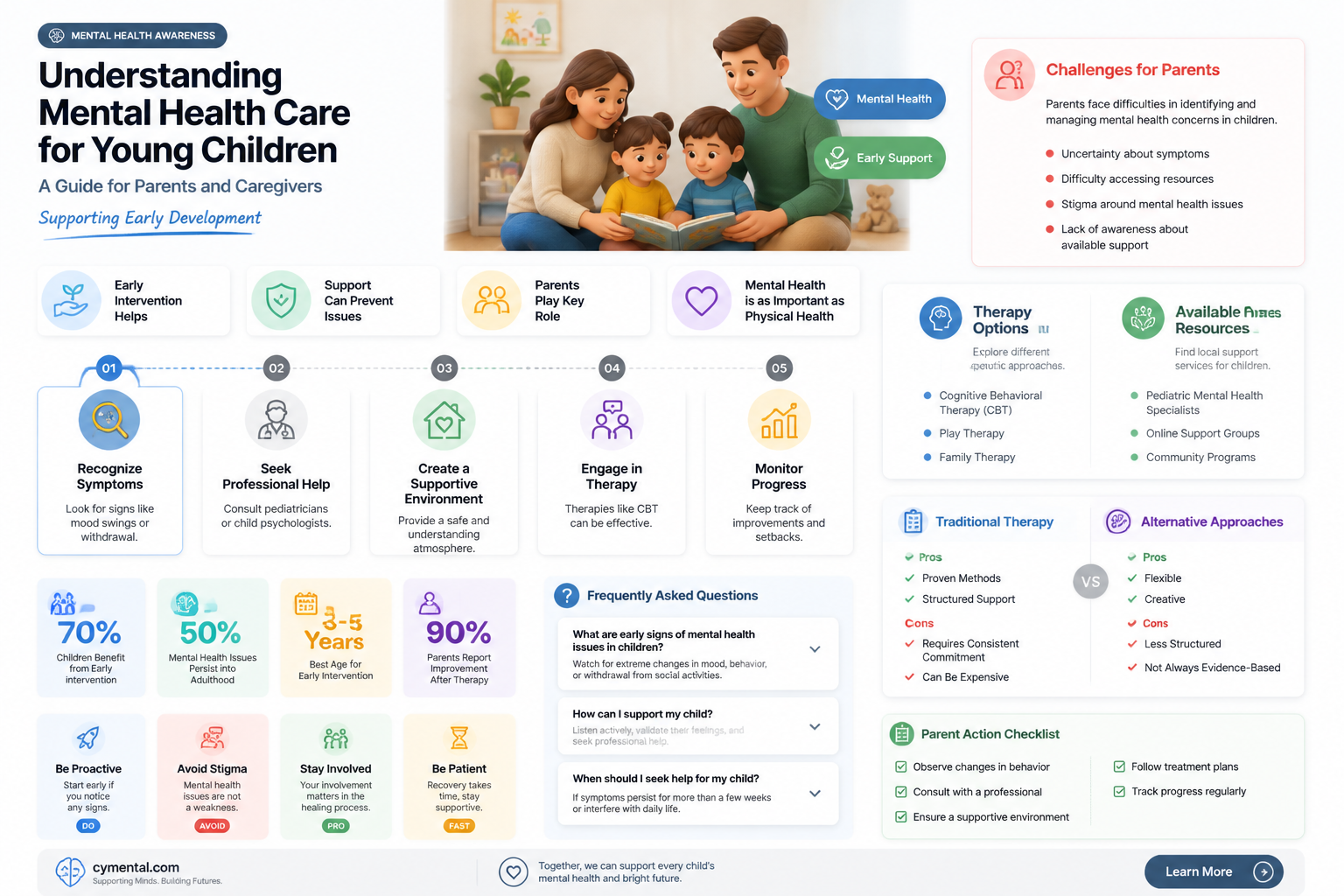
The question of whether a 9-year-old can go to a mental hospital is a complex and sensitive issue that involves considerations of child welfare, mental health care, and legal frameworks. In many jurisdictions, children under the age of 18 can receive mental health treatment in specialized facilities, but the decision to hospitalize a child is typically made by a multidisciplinary team of professionals in consultation with the child's parents or guardians. Factors such as the severity of the child's mental health condition, the availability of alternative treatment options, and the child's best interests are carefully weighed in making such decisions. It is important to approach this topic with empathy and understanding, recognizing that each child's situation is unique and that the goal of any intervention is to support the child's well-being and recovery.
Explore related products


What You'll Learn
- Assessment Process: Evaluation by a mental health professional to determine the need for hospitalization
- Parental Consent: Legal requirements and considerations for parents or guardians consenting to treatment
- Types of Facilities: Differentiating between inpatient and outpatient services, and specialized care for children
- Treatment Approaches: Various therapeutic methods used in mental health care for young patients
- Post-Hospitalization Support: Follow-up care and resources available to ensure continued recovery and well-being

Assessment Process: Evaluation by a mental health professional to determine the need for hospitalization
The assessment process for determining the need for hospitalization of a child involves a thorough evaluation by a qualified mental health professional. This process is critical in ensuring that the child receives the appropriate level of care and support. The evaluation typically includes a comprehensive review of the child's medical and psychiatric history, as well as an assessment of their current symptoms and behaviors.
During the assessment, the mental health professional will likely conduct interviews with the child, their parents or guardians, and other relevant individuals such as teachers or caregivers. These interviews help to gather information about the child's daily functioning, relationships, and any challenges they may be facing. Additionally, the professional may administer psychological tests or assessments to further understand the child's cognitive, emotional, and behavioral development.
The assessment process also involves a review of any previous treatment or interventions the child has received, as well as an evaluation of their response to these treatments. This information is crucial in determining whether hospitalization is necessary and what type of care would be most beneficial for the child.
In some cases, the mental health professional may recommend a brief period of observation or a trial of outpatient treatment before making a decision about hospitalization. This approach allows the professional to monitor the child's progress and adjust the treatment plan as needed.
Ultimately, the decision to hospitalize a child is made based on the results of the assessment and the professional judgment of the mental health provider. The goal of this process is to ensure that the child receives the most appropriate and effective care possible, while also minimizing the potential risks and disruptions associated with hospitalization.
Understanding Medicaid Coverage for Mental Health Hospitalization
You may want to see also
Explore related products


Parental Consent: Legal requirements and considerations for parents or guardians consenting to treatment
In the context of mental health treatment for minors, parental consent is a critical legal requirement that must be carefully considered. This is particularly true when discussing the possibility of a 9-year-old child being admitted to a mental hospital. The laws regarding parental consent vary by jurisdiction, but generally, parents or legal guardians must provide informed consent before a minor can receive medical or psychological treatment.
Informed consent means that parents must be fully aware of the nature of the treatment, the potential risks and benefits, and any alternative options available. This ensures that they can make an educated decision about what is best for their child. In some cases, a court may appoint a guardian ad litem to represent the child's interests if the parents are unable or unwilling to consent to treatment.
It's important to note that the process of obtaining parental consent should be handled with sensitivity and respect for the family's autonomy. Mental health professionals should take the time to explain the treatment plan in detail and address any concerns or questions the parents may have. Additionally, they should be aware of any cultural or linguistic barriers that may impact the parents' understanding of the consent process.
In emergency situations where a child is in imminent danger of harming themselves or others, some jurisdictions allow for involuntary admission to a mental hospital without parental consent. However, this is typically a last resort and is subject to strict legal guidelines and oversight.
Ultimately, the goal of the parental consent process is to ensure that children receive the mental health care they need while also respecting the rights and responsibilities of their parents or guardians. By working collaboratively with families and providing clear, accurate information, mental health professionals can help facilitate this process and improve outcomes for young patients.
Understanding the Cost of Mental Health Care: A Comprehensive Guide
You may want to see also
Types of Facilities: Differentiating between inpatient and outpatient services, and specialized care for children
In the realm of mental health care, facilities are typically categorized into inpatient and outpatient services, each catering to different needs and levels of care. Inpatient facilities, such as psychiatric hospitals, provide 24-hour care and are often utilized for individuals requiring intensive treatment, close monitoring, or those experiencing acute symptoms that necessitate a controlled environment. These facilities can be further specialized to cater to specific age groups, including children and adolescents, offering tailored programs and interventions designed to address their unique developmental needs.
On the other hand, outpatient services encompass a wide range of treatments provided outside of a hospital setting, including therapy sessions, counseling, and medication management. These services are generally utilized by individuals who do not require the intensive care provided by inpatient facilities but still need ongoing support and treatment. Outpatient services can be delivered in various settings, such as community mental health centers, private practices, or school-based programs, and can be adapted to suit the specific needs of children and families.
Specialized care for children is crucial, as their mental health needs can differ significantly from those of adults. Child-focused mental health facilities often provide a multidisciplinary approach, incorporating psychiatrists, psychologists, social workers, and other professionals trained in child development and mental health. These facilities may offer a range of interventions, including individual and family therapy, group therapy, educational programs, and recreational activities, all designed to support the child's emotional, social, and cognitive development.
When considering whether a 9-year-old can go to a mental hospital, it is essential to understand the types of facilities available and the specific needs of the child. While inpatient facilities can provide intensive care and support, they may not always be the most appropriate option for children, particularly those with less severe symptoms or those who can benefit from outpatient services. It is crucial to consult with mental health professionals to determine the most suitable treatment plan and facility for the child's unique needs.
In conclusion, the decision to place a 9-year-old in a mental hospital should be made carefully, considering the full spectrum of available services and the child's individual requirements. By understanding the differences between inpatient and outpatient facilities and the specialized care available for children, parents and caregivers can make informed decisions that prioritize the child's well-being and mental health.
Unveiling the Truth: Are Mental Hospitals Really Scary?
You may want to see also
Treatment Approaches: Various therapeutic methods used in mental health care for young patients
Cognitive-behavioral therapy (CBT) is a common treatment approach for young patients in mental health care. CBT focuses on identifying and changing negative thought patterns and behaviors that contribute to mental health issues. For children, CBT may involve play therapy, where they act out scenarios and learn to cope with difficult emotions and situations. Another therapeutic method used for young patients is family therapy, which involves the entire family in the treatment process. Family therapy aims to improve communication and relationships within the family, which can have a positive impact on the child's mental health.
Medication may also be used in conjunction with therapy for young patients. Antidepressants, mood stabilizers, and antipsychotics are among the types of medications that may be prescribed to children with mental health conditions. However, medication should always be used under the guidance of a qualified mental health professional, as there can be risks and side effects associated with their use in young patients.
In some cases, hospitalization may be necessary for young patients with severe mental health conditions. Inpatient treatment provides a safe and supportive environment for children who are experiencing acute symptoms or who are at risk of harming themselves or others. During hospitalization, children may receive intensive therapy, medication management, and other supportive services to help stabilize their condition.
It's important to note that treatment approaches for young patients should always be tailored to their individual needs and circumstances. A comprehensive assessment by a qualified mental health professional is necessary to determine the most appropriate course of treatment for a child with mental health concerns. With the right treatment and support, many young patients are able to manage their mental health conditions and lead happy, healthy lives.
Navigating Mental Health Crises: When Inpatient Care Becomes Necessary
You may want to see also
Post-Hospitalization Support: Follow-up care and resources available to ensure continued recovery and well-being
After a child has been hospitalized for mental health reasons, it's crucial to have a robust support system in place to ensure their continued recovery and well-being. This often involves a combination of follow-up care, therapy, and community resources.
One key component of post-hospitalization support is regular follow-up appointments with mental health professionals. These appointments can help monitor the child's progress, adjust treatment plans as needed, and provide ongoing support and guidance. In addition to individual therapy sessions, family therapy can also be beneficial in addressing any underlying issues and improving communication within the family unit.
Another important aspect of post-hospitalization care is the involvement of community resources. This can include support groups for both the child and their families, educational programs to help them better understand and manage their mental health, and recreational activities that promote social interaction and emotional well-being. Local mental health organizations and schools can often provide valuable information and connections to these resources.
It's also essential to ensure that the child has a stable and supportive home environment. This may involve making necessary adjustments to their living situation, such as reducing stressors or providing additional support from family members or caregivers. In some cases, it may be necessary to explore alternative living arrangements, such as foster care or residential treatment programs, if the child's home environment is not conducive to their recovery.
Finally, it's important to be aware of the potential for relapse and to have a plan in place to address any setbacks. This can include identifying early warning signs, developing coping strategies, and knowing when to seek additional help if needed. By being proactive and prepared, families can help their child navigate the challenges of post-hospitalization care and support their long-term recovery and well-being.
Navigating the Process: How to Check Someone into a Mental Hospital
You may want to see also
Frequently asked questions
Yes, a 9-year-old can be admitted to a mental hospital if they are experiencing significant mental health issues that require intensive treatment. However, this is typically a last resort when other treatment options have been exhausted.
Conditions that might lead to a 9-year-old being hospitalized include severe depression, anxiety disorders, suicidal thoughts or attempts, self-harm behaviors, psychosis, or other serious mental health concerns that interfere with daily functioning.
The decision to hospitalize a child is usually made by a mental health professional, such as a psychiatrist or psychologist, in consultation with the child's parents or guardians. It is based on a thorough evaluation of the child's symptoms, behavior, and overall well-being.
During a child's stay in a mental hospital, they will receive intensive therapy, counseling, and medication management. They will also be monitored closely by mental health professionals to ensure their safety and well-being. The goal is to stabilize the child's condition and develop a treatment plan for ongoing care after discharge.