Caleb Wright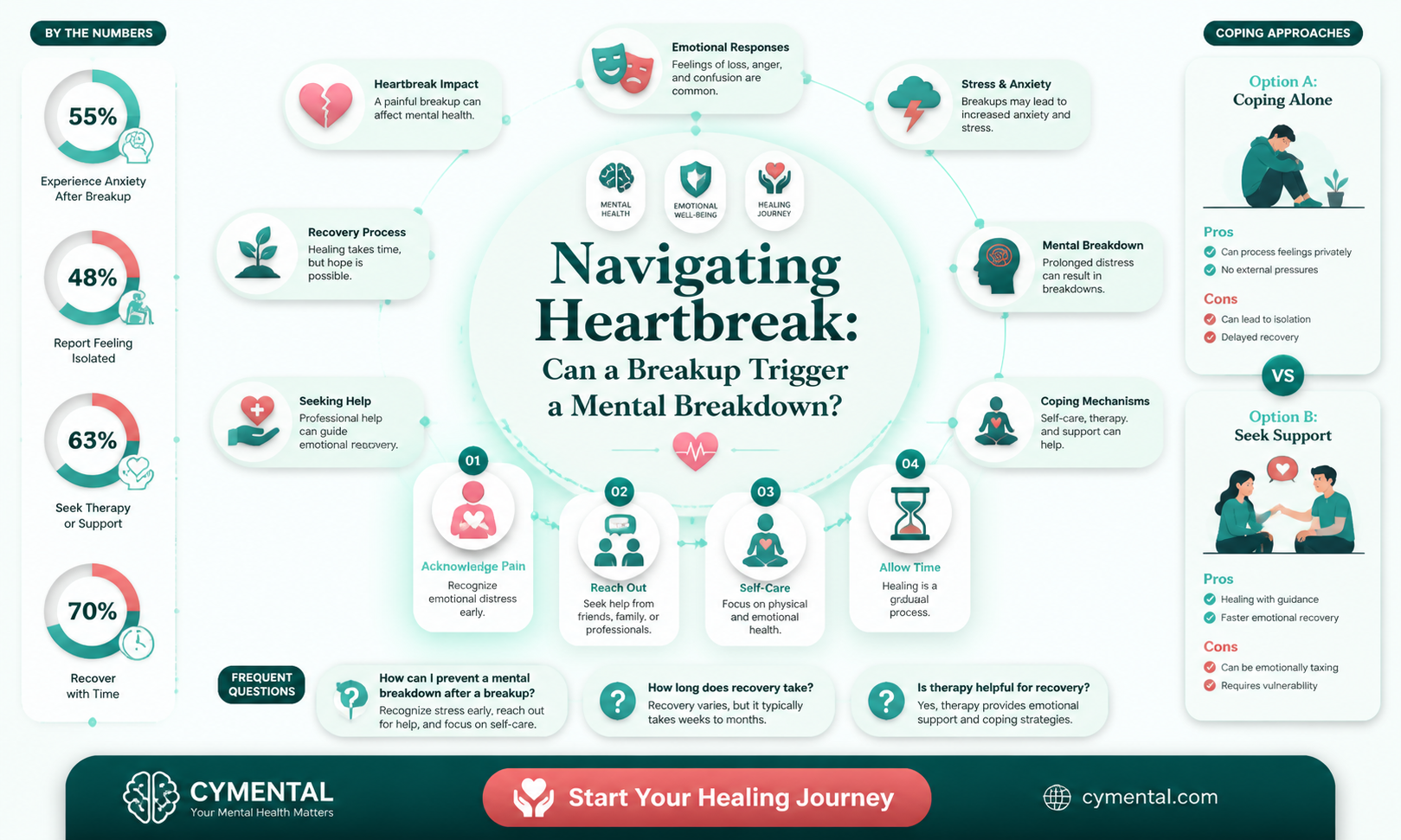
Breakups can be emotionally taxing, often leading to feelings of sadness, anger, and confusion. While it's common to experience a range of emotions following the end of a relationship, for some individuals, the stress and emotional turmoil can be overwhelming, potentially leading to what is colloquially referred to as a mental breakdown. This term is not a formal psychiatric diagnosis but is used to describe a period of intense emotional distress that can interfere with daily functioning. The severity and duration of symptoms can vary widely from person to person, influenced by factors such as the nature of the relationship, the circumstances of the breakup, and the individual's coping mechanisms and support system. Understanding the signs and seeking appropriate help is crucial for those who may be struggling to cope with the aftermath of a breakup.
Explore related products


What You'll Learn
- Emotional Turmoil: Intense feelings of sadness, anger, and confusion can overwhelm an individual after a breakup
- Loss of Identity: A person may struggle with a sense of self-loss if their identity was closely tied to their partner
- Social Isolation: Breakups can lead to withdrawal from social activities and friends, exacerbating feelings of loneliness
- Physical Symptoms: Stress from a breakup can manifest physically, causing issues like insomnia, weight loss, or gain
- Coping Mechanisms: Developing unhealthy coping strategies, such as substance abuse, to deal with the emotional pain

Emotional Turmoil: Intense feelings of sadness, anger, and confusion can overwhelm an individual after a breakup
The sudden loss of a relationship can trigger a cascade of intense emotions, leaving individuals feeling as though they are drowning in a sea of sadness, anger, and confusion. This emotional turmoil can be overwhelming, making it difficult to navigate daily life and maintain a sense of stability. The feelings of grief that accompany a breakup can be all-consuming, leading to physical symptoms such as sleeplessness, loss of appetite, and even depression. It's essential to recognize that these emotions are a natural part of the healing process and that it's okay to not be okay for a while.
One of the most challenging aspects of emotional turmoil is the way it can cloud judgment and decision-making. Individuals may find themselves acting impulsively or making choices that they later regret. This can lead to further feelings of guilt and shame, exacerbating the emotional pain. To mitigate this, it's important to take a step back and evaluate the situation objectively. Seeking support from friends, family, or a mental health professional can provide a fresh perspective and help individuals make more informed decisions.
Another critical aspect of navigating emotional turmoil is self-care. Engaging in activities that promote physical and emotional well-being, such as exercise, meditation, or creative pursuits, can help individuals manage their emotions and reduce stress. It's also essential to establish healthy boundaries and prioritize one's own needs. This may involve taking time off from social media, limiting contact with the ex-partner, or setting aside time for relaxation and reflection.
In some cases, the emotional turmoil following a breakup can be so severe that it interferes with an individual's ability to function normally. This may indicate the presence of an underlying mental health condition, such as depression or anxiety, that requires professional treatment. It's crucial to recognize the signs of mental health issues and seek help if needed. With the right support and treatment, individuals can learn to manage their emotions and rebuild their lives after a breakup.
Ultimately, emotional turmoil is a complex and multifaceted experience that can have a profound impact on an individual's well-being. By acknowledging the intensity of these feelings, seeking support, and prioritizing self-care, individuals can begin to navigate the challenging landscape of post-breakup emotions and emerge stronger on the other side.
Unraveling the Mind: Mental Illnesses Behind Paranoia
You may want to see also
Explore related products


$10.99 $8.99



Loss of Identity: A person may struggle with a sense of self-loss if their identity was closely tied to their partner
In the aftermath of a breakup, individuals may grapple with a profound sense of identity loss, especially if their sense of self was deeply intertwined with their partner. This phenomenon can be particularly challenging when the relationship was long-term or when the partners shared significant life experiences, goals, and social circles. The sudden absence of the partner can create a void that extends beyond emotional pain, leading to a crisis of identity.
One of the primary reasons for this identity loss is the process of enmeshment that often occurs in close relationships. Enmeshment refers to the blurring of boundaries between individuals, where personal goals, values, and interests become merged. When the relationship ends, this enmeshment can make it difficult for the individual to distinguish their own identity from that of their former partner. They may struggle to recall their own preferences, hobbies, or aspirations, as these aspects of their identity were subsumed by the relationship.
Moreover, the social aspect of a breakup can exacerbate identity loss. When a couple shares a social network, the end of the relationship can lead to a loss of social connections and a sense of isolation. This social withdrawal can further erode an individual's sense of self, as social interactions often play a crucial role in shaping one's identity and self-esteem.
To navigate this challenging phase, individuals may need to engage in a process of self-discovery and re-establish their personal boundaries. This can involve exploring new hobbies, reconnecting with old friends, and setting personal goals that are independent of their former partner. Therapy can also be a valuable tool in this process, providing a safe space for individuals to explore their feelings and develop a stronger sense of self.
Ultimately, while identity loss following a breakup can be a painful and disorienting experience, it also presents an opportunity for growth and self-reflection. By embracing this process and seeking support when needed, individuals can emerge from this period with a renewed sense of identity and purpose.
Exploring the Link: How Mental Stress Can Lead to Fatigue
You may want to see also
Explore related products



Social Isolation: Breakups can lead to withdrawal from social activities and friends, exacerbating feelings of loneliness
Breakups can have a profound impact on an individual's social life, often leading to a period of withdrawal from social activities and friends. This social isolation can exacerbate feelings of loneliness, creating a vicious cycle that is difficult to break. When a relationship ends, it's common for individuals to feel a sense of loss and grief, which can manifest in a desire to withdraw from social interactions. This withdrawal can be a coping mechanism, allowing the individual to process their emotions in a private space. However, prolonged isolation can have negative consequences on mental health, including increased feelings of loneliness, depression, and anxiety.
One of the reasons why social isolation can be so damaging is that it can lead to a lack of social support. Friends and family are often crucial sources of emotional support during difficult times, and withdrawing from these relationships can leave an individual feeling unsupported and alone. Furthermore, social isolation can also lead to a decrease in self-esteem, as individuals may feel that they are not worthy of social interaction or that they are somehow flawed. This can create a self-reinforcing cycle of loneliness and isolation, making it increasingly difficult for the individual to reach out and reconnect with others.
It's important to note that social isolation can affect individuals of all ages and backgrounds. However, younger adults may be particularly vulnerable to the effects of social isolation following a breakup, as they may not have established a strong support network outside of their romantic relationship. Additionally, individuals who have experienced previous trauma or mental health issues may be more susceptible to the negative effects of social isolation.
Breaking the cycle of social isolation can be challenging, but it's essential for maintaining good mental health following a breakup. One strategy is to gradually begin re-engaging with friends and family, even if it feels uncomfortable at first. Joining social groups or clubs can also be a helpful way to meet new people and expand one's social network. Furthermore, seeking professional help from a therapist or counselor can provide individuals with the tools and support they need to overcome feelings of loneliness and isolation.
In conclusion, social isolation following a breakup can have serious consequences on mental health, exacerbating feelings of loneliness and creating a cycle that is difficult to break. It's important for individuals to recognize the signs of social isolation and to take steps to reconnect with others and seek support. By doing so, they can begin to heal and move forward following a difficult breakup.
Exploring the Link: Childhood Head Injuries and Mental Health
You may want to see also
Explore related products

$7.99

$2.99 $15.98

$19.75


Physical Symptoms: Stress from a breakup can manifest physically, causing issues like insomnia, weight loss, or gain
The physical toll of a breakup can be profound, often overlooked in the emotional whirlwind that accompanies the end of a relationship. Stress from a breakup can manifest in various physical symptoms, significantly impacting an individual's overall health and well-being. Insomnia is a common issue, where the mind's inability to shut off thoughts of the ex-partner or the relationship can lead to chronic sleep deprivation. This lack of sleep can further exacerbate other physical symptoms, creating a vicious cycle of distress.
Weight fluctuations are another frequent physical manifestation of breakup stress. Some individuals may experience a loss of appetite, leading to unintended weight loss, while others may turn to comfort eating, resulting in weight gain. These changes in eating habits can be attributed to the emotional turmoil and the body's stress response, which can alter metabolism and hunger signals. Additionally, the stress hormones released during a breakup can contribute to these physical changes, making it challenging for individuals to maintain a healthy weight.
Beyond sleep and weight issues, breakup stress can also lead to a range of other physical symptoms. Headaches and migraines may become more frequent due to the constant state of tension and anxiety. Digestive problems, such as irritable bowel syndrome (IBS), can flare up or develop as a result of the stress impacting the gut-brain axis. Furthermore, the immune system may be compromised, making individuals more susceptible to illnesses and infections. These physical symptoms can be particularly distressing as they add another layer of suffering to the already challenging emotional experience of a breakup.
It is crucial for individuals going through a breakup to be aware of these potential physical symptoms and to take proactive steps to manage their health. Seeking support from friends, family, or a mental health professional can be instrumental in addressing both the emotional and physical impacts of a breakup. Engaging in regular exercise, maintaining a balanced diet, and practicing stress-reduction techniques such as meditation or yoga can also help alleviate these symptoms. By acknowledging and addressing the physical manifestations of breakup stress, individuals can better navigate the healing process and work towards regaining their overall well-being.
Exploring the Link: Bladder Infections and Mental Health Concerns
You may want to see also
Explore related products


Coping Mechanisms: Developing unhealthy coping strategies, such as substance abuse, to deal with the emotional pain
Substance abuse as a coping mechanism for emotional pain following a breakup can manifest in various ways. Individuals may turn to alcohol, drugs, or other addictive substances to numb the emotional distress they are experiencing. This can provide temporary relief but often leads to a cycle of dependency and worsening mental health symptoms. It is crucial to recognize the signs of substance abuse, such as increased tolerance, withdrawal symptoms, and neglect of responsibilities, and seek professional help if necessary.
One of the most effective strategies for coping with emotional pain is to develop healthy coping mechanisms. This can include engaging in regular exercise, practicing mindfulness and meditation, seeking support from friends and family, and pursuing hobbies and interests that bring joy and fulfillment. By focusing on these positive activities, individuals can reduce their reliance on substances and develop a more resilient and adaptive approach to dealing with emotional challenges.
In addition to developing healthy coping mechanisms, it is important to address the underlying issues that may be contributing to emotional pain. This can involve working through unresolved feelings, improving communication skills, and setting boundaries in relationships. By addressing these underlying issues, individuals can reduce the likelihood of turning to substances as a way to cope with emotional distress.
Seeking professional help is also an important step in coping with emotional pain and substance abuse. A mental health professional can provide support, guidance, and evidence-based treatments to help individuals overcome their struggles. This can include cognitive-behavioral therapy, motivational interviewing, and medication-assisted treatment, among other approaches. By seeking help, individuals can develop the skills and strategies they need to cope with emotional pain in a healthy and sustainable way.
Ultimately, coping with emotional pain following a breakup requires a multifaceted approach that includes developing healthy coping mechanisms, addressing underlying issues, and seeking professional help when necessary. By taking these steps, individuals can reduce their reliance on substances and develop a more resilient and adaptive approach to dealing with emotional challenges.
Unseen Scars: The Mental and Emotional Toll of Restraints
You may want to see also
Frequently asked questions
While a breakup can be emotionally distressing, it typically does not cause a mental breakdown in the clinical sense. However, it can exacerbate underlying mental health conditions or lead to symptoms of depression and anxiety.
Common emotional reactions to a breakup include sadness, anger, confusion, and a sense of loss. These feelings can be intense and may take time to process.
Someone should seek professional help after a breakup if they experience prolonged feelings of sadness or hopelessness, have thoughts of self-harm, or if their daily functioning is significantly impaired.
Coping strategies include allowing oneself to grieve, seeking support from friends and family, engaging in self-care activities, and considering therapy to work through complex emotions and develop healthy coping mechanisms.