Noah Parker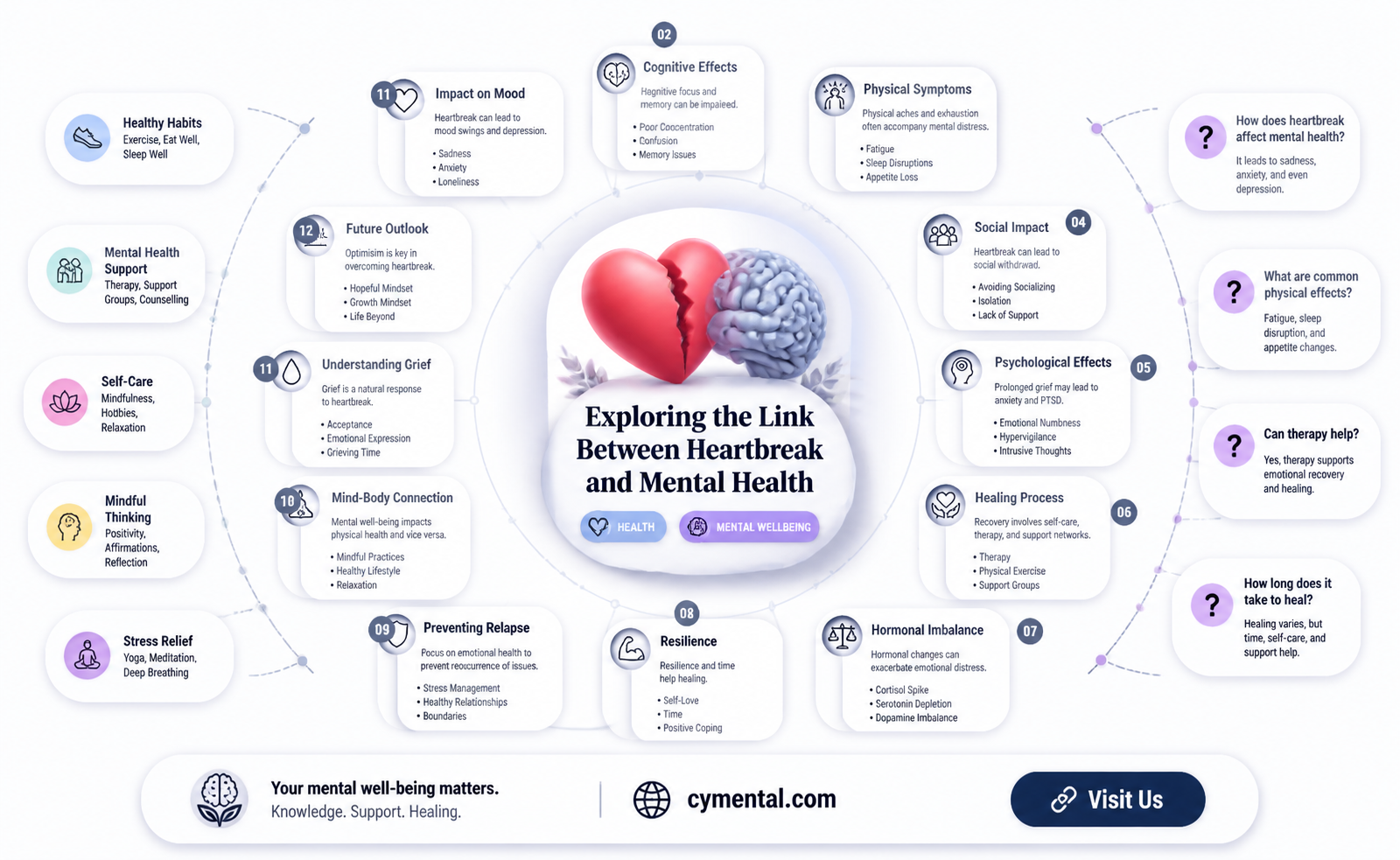
A broken heart, often resulting from the end of a significant relationship or a profound emotional loss, can have far-reaching effects on an individual's mental health. While it is not a clinical diagnosis, the emotional turmoil and distress associated with a broken heart can lead to symptoms that may resemble or contribute to various mental illnesses. For instance, the intense feelings of sadness, hopelessness, and worthlessness can be indicative of depression. Additionally, the anxiety and uncertainty about the future can manifest as generalized anxiety disorder. In some cases, the emotional pain can be so overwhelming that it interferes with daily functioning, leading to difficulties in concentration, sleep disturbances, and changes in appetite. It is crucial to recognize that while a broken heart is a natural part of the human experience, its impact on mental health should not be underestimated, and seeking support from friends, family, or mental health professionals can be essential in navigating through this challenging period.
Explore related products




What You'll Learn
- Emotional Turmoil: Intense feelings of sadness, anger, and confusion can overwhelm an individual, leading to mental health struggles
- Loss of Identity: A breakup can cause a person to question their self-worth and identity, potentially triggering mental illness
- Social Withdrawal: Isolation from friends and family can exacerbate feelings of loneliness and depression after a heartbreak
- Physical Symptoms: Heartbreak can manifest physically, with symptoms like insomnia, loss of appetite, and chronic pain affecting mental well-being
- Coping Mechanisms: Unhealthy coping strategies, such as substance abuse or self-harm, can develop as a result of untreated emotional distress

Emotional Turmoil: Intense feelings of sadness, anger, and confusion can overwhelm an individual, leading to mental health struggles
Emotional turmoil, characterized by intense feelings of sadness, anger, and confusion, can be a significant precursor to mental health struggles. When an individual experiences a broken heart, these emotions can become overwhelming, leading to a state of psychological distress. This distress can manifest in various ways, including changes in appetite, sleep disturbances, and a lack of interest in previously enjoyed activities. Over time, if left unaddressed, these symptoms can contribute to the development of mental illnesses such as depression or anxiety disorders.
One of the critical factors in understanding the link between emotional turmoil and mental illness is the concept of emotional regulation. When faced with a broken heart, individuals may struggle to regulate their emotions effectively, leading to prolonged periods of negative emotional states. This inability to manage emotions can exacerbate the risk of developing mental health issues. Cognitive-behavioral therapy (CBT) is a therapeutic approach that can help individuals learn to regulate their emotions and develop healthier coping mechanisms.
Moreover, social support plays a crucial role in mitigating the impact of emotional turmoil. Having a strong support network can provide individuals with the necessary resources to navigate their emotional challenges. Conversely, social isolation can intensify feelings of loneliness and despair, further contributing to mental health struggles. Community-based support groups and online forums can offer valuable connections and support for those experiencing emotional distress.
In addition to psychological factors, physiological changes can also occur during periods of emotional turmoil. Chronic stress, often associated with intense emotional experiences, can lead to changes in brain chemistry and function. These changes can affect mood regulation and increase the risk of mental illness. Mindfulness practices, such as meditation and yoga, can help reduce stress and promote emotional well-being.
Ultimately, addressing emotional turmoil is essential in preventing the progression to mental illness. By recognizing the signs of emotional distress and seeking appropriate support and treatment, individuals can learn to manage their emotions and improve their mental health outcomes. It is crucial to approach this issue with empathy and understanding, recognizing that emotional turmoil is a valid and treatable condition that requires attention and care.
Unraveling the Complex Link: Mental Health and Suicides
You may want to see also
Explore related products


Loss of Identity: A breakup can cause a person to question their self-worth and identity, potentially triggering mental illness
A breakup can be a seismic event in a person's life, shaking the very foundations of their self-perception. When a relationship ends, especially one that has been significant and long-lasting, it can lead to a profound sense of loss. This loss is not just about the absence of the partner but also about the loss of identity that often accompanies it. Suddenly, the routines, habits, and even the social circles that defined a person's daily existence are disrupted, leaving them questioning who they are outside of the relationship.
This existential questioning can be particularly damaging because it strikes at the core of a person's self-worth. When individuals are in a relationship, they often define themselves in terms of their partner and the relationship itself. A breakup forces them to confront the reality of their individuality, which can be a daunting and sometimes overwhelming experience. This confrontation with one's own identity can trigger a range of mental health issues, including depression, anxiety, and even identity disorders.
Moreover, the social stigma associated with breakups can exacerbate these feelings of loss and inadequacy. Society often places a high value on being in a relationship, and the end of one can lead to feelings of failure and rejection. These feelings can be internalized, further eroding a person's self-esteem and sense of self. The constant reminders of the relationship, whether through social media, mutual friends, or shared spaces, can also make it difficult for individuals to move on and rebuild their identity.
Rebuilding one's identity after a breakup is a complex and often painful process. It involves not only redefining oneself outside of the relationship but also learning to navigate the world as a single person. This can include developing new social skills, finding new hobbies and interests, and even reevaluating one's career and life goals. While this process can be challenging, it is also an opportunity for growth and self-discovery. With the right support and mindset, individuals can emerge from a breakup with a stronger sense of self and a renewed appreciation for their own worth and capabilities.
Sleep Deprivation and Mental Health: Understanding the Breakdown
You may want to see also
Explore related products

$15.99 $28.95

$17.99 $17.99

$19.17 $20.95


Social Withdrawal: Isolation from friends and family can exacerbate feelings of loneliness and depression after a heartbreak
Social withdrawal is a common response to heartbreak, but it can have detrimental effects on mental health. When individuals isolate themselves from friends and family, they may experience increased feelings of loneliness and depression. This is because social support plays a crucial role in emotional well-being, and withdrawing from social interactions can lead to a sense of disconnection and abandonment.
Research has shown that social isolation can activate the body's stress response, leading to increased levels of cortisol and other stress hormones. This can have a negative impact on both physical and mental health, contributing to symptoms of depression and anxiety. Furthermore, social withdrawal can lead to a decrease in self-esteem and confidence, as individuals may feel less valued and supported by their social network.
It is important to recognize the signs of social withdrawal and take steps to address them. Some common signs include avoiding social activities, feeling anxious or uncomfortable in social situations, and experiencing a lack of interest in hobbies or activities that were once enjoyable. If you or someone you know is experiencing these symptoms, it may be helpful to reach out to a mental health professional for support.
There are several strategies that can be effective in combating social withdrawal. One approach is to gradually increase social interactions, starting with small, low-pressure activities such as meeting a friend for coffee or joining a social group. It can also be helpful to engage in activities that promote a sense of connection and belonging, such as volunteering or participating in community events.
In addition to these strategies, it is important to practice self-care and prioritize activities that promote emotional well-being. This may include exercise, meditation, or engaging in creative pursuits. By taking a holistic approach to addressing social withdrawal, individuals can work towards rebuilding their social connections and improving their overall mental health.
Exploring the Link: Epilepsy and Mental Health in Adulthood
You may want to see also
Explore related products


Physical Symptoms: Heartbreak can manifest physically, with symptoms like insomnia, loss of appetite, and chronic pain affecting mental well-being
Heartbreak is often associated with emotional turmoil, but its impact can extend far beyond the realm of feelings. Research indicates that the physical symptoms of heartbreak can be profound and varied, significantly affecting an individual's mental well-being. Insomnia, for instance, is a common complaint among those experiencing heartbreak. The inability to sleep can stem from racing thoughts, anxiety, or the body's heightened stress response. Over time, chronic sleep deprivation can lead to a host of mental health issues, including depression, anxiety disorders, and cognitive impairment.
Loss of appetite is another physical symptom frequently observed in individuals dealing with heartbreak. This can result from a combination of emotional distress and changes in the body's stress response, which can alter hunger signals. Prolonged loss of appetite can lead to malnutrition, weakened immune function, and exacerbated mental health symptoms. Chronic pain, often described as a tightness in the chest or a general sense of bodily discomfort, is also a common physical manifestation of heartbreak. This pain can be attributed to the body's stress response and the release of pro-inflammatory cytokines, which can contribute to a range of mental health issues, including depression and anxiety.
The physical symptoms of heartbreak can create a vicious cycle, where the mental distress caused by these symptoms further exacerbates the physical pain and discomfort. This interplay between the physical and emotional aspects of heartbreak underscores the importance of addressing both components in the healing process. By recognizing and treating the physical symptoms of heartbreak, individuals can better manage their mental well-being and work towards recovery.
Exploring the Complex Link Between Mental Illnesses and Chemical Imbalances
You may want to see also
Explore related products


Coping Mechanisms: Unhealthy coping strategies, such as substance abuse or self-harm, can develop as a result of untreated emotional distress
Individuals experiencing emotional distress may turn to substance abuse as a coping mechanism. This can include the misuse of prescription medications, alcohol, or illicit drugs. Substance abuse can provide a temporary escape from emotional pain, but it often leads to a cycle of dependency and worsening mental health symptoms. For example, alcohol is a depressant that can exacerbate feelings of sadness and hopelessness, while the misuse of prescription medications can lead to dangerous side effects and addiction.
Self-harm is another unhealthy coping strategy that may develop in response to untreated emotional distress. This can include behaviors such as cutting, burning, or hitting oneself. Self-harm can provide a sense of control or release from emotional pain, but it can also lead to physical injury, infection, and long-term psychological consequences. It is important to recognize that self-harm is not a sign of weakness, but rather a maladaptive way of coping with overwhelming emotions.
Unhealthy coping mechanisms can have serious consequences for mental health. They can worsen existing symptoms, lead to the development of new mental health conditions, and interfere with the effectiveness of treatment. For example, substance abuse can lead to the development of anxiety, depression, or psychosis, while self-harm can increase the risk of suicide. It is crucial to address these coping mechanisms in therapy and to develop healthier alternatives for managing emotional distress.
Healthy coping strategies can include exercise, mindfulness practices, creative expression, and social support. These activities can help individuals process and manage their emotions in a more constructive way. For example, exercise can release endorphins that improve mood, while mindfulness practices can help individuals stay present and focused. Creative expression can provide an outlet for emotions, and social support can offer a sense of connection and validation.
In conclusion, unhealthy coping mechanisms such as substance abuse and self-harm can develop as a result of untreated emotional distress. These strategies can provide temporary relief from emotional pain, but they often lead to serious consequences for mental health. It is important to address these coping mechanisms in therapy and to develop healthier alternatives for managing emotional distress. By doing so, individuals can improve their mental health outcomes and lead more fulfilling lives.
Unraveling the Link: Mental Health Conditions and Personal Hygiene Challenges
You may want to see also
Frequently asked questions
While a broken heart itself is not a mental illness, it can lead to symptoms that may resemble or contribute to mental health issues. The emotional distress from a breakup can cause symptoms like depression, anxiety, and insomnia.
Recovery time from a broken heart varies greatly from person to person. It can take weeks, months, or even years, depending on the individual's resilience, support system, and the nature of the relationship.
Healthy coping mechanisms include talking to friends and family, engaging in physical activity, practicing self-care, seeking professional counseling, and focusing on personal growth and new experiences.
Professional help should be considered if the emotional distress from a breakup interferes significantly with daily life, leads to severe depression or anxiety, or if there are thoughts of self-harm or suicide.