Harper Lewis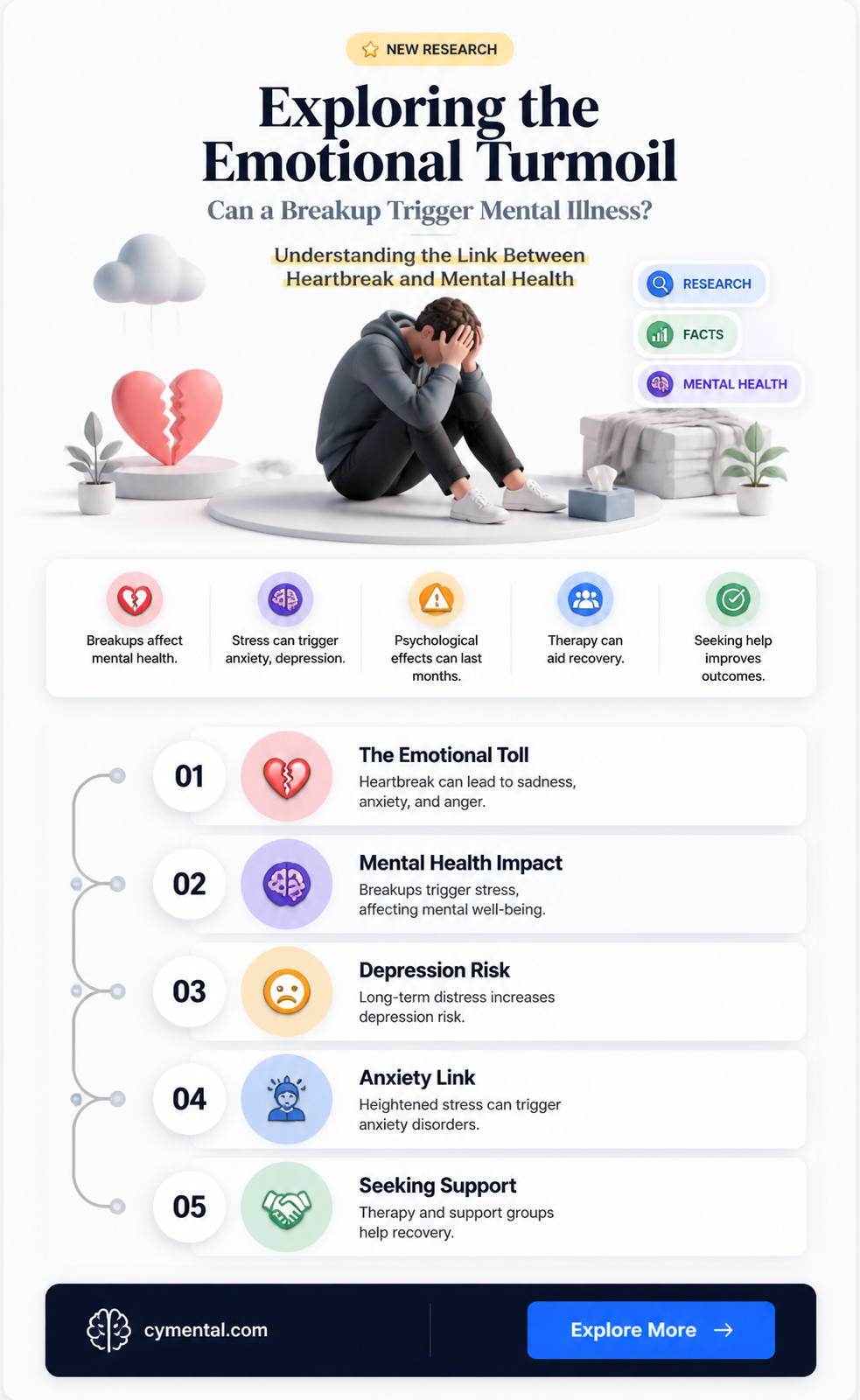
Breakups can be emotionally taxing events that significantly impact an individual's mental health. While it's common to experience feelings of sadness, anxiety, and stress following the end of a relationship, for some people, these emotions can be intense and prolonged, potentially leading to or exacerbating mental illness. Research suggests that breakups can trigger symptoms of depression, anxiety disorders, and even post-traumatic stress disorder (PTSD) in some cases. The loss of a relationship can also lead to social isolation, changes in routine, and a sense of identity crisis, all of which can contribute to mental health challenges. It's important to recognize the potential impact of breakups on mental health and to seek support if needed.
Explore related products


What You'll Learn
- Emotional Distress: Breakups can lead to severe emotional pain, anxiety, and depression
- Loss of Identity: Ending a relationship may cause individuals to question their self-worth and identity
- Social Isolation: Breakups can result in social withdrawal and feelings of loneliness
- Physical Symptoms: Mental health issues post-breakup can manifest physically, such as through sleep disturbances or appetite changes
- Coping Mechanisms: Developing unhealthy coping strategies, like substance abuse, to deal with breakup-related stress

Emotional Distress: Breakups can lead to severe emotional pain, anxiety, and depression
Breakups can be a significant source of emotional distress, often leading to severe emotional pain, anxiety, and depression. The end of a relationship can trigger a range of intense feelings, from sadness and loss to anger and confusion. These emotions can be overwhelming and may interfere with daily functioning, leading to symptoms that resemble those of mental illnesses.
One of the primary reasons breakups can cause such profound emotional distress is the loss of attachment. When individuals are in a relationship, they form strong emotional bonds with their partner. The sudden severance of these bonds can lead to feelings of abandonment and rejection, which can be particularly painful. This loss of attachment can also disrupt one's sense of identity and self-worth, as individuals may have defined themselves in terms of their relationship.
Moreover, breakups can lead to significant changes in one's routine and social circle. The loss of shared activities and mutual friends can lead to feelings of isolation and loneliness. These changes can further exacerbate emotional distress, as individuals may struggle to adapt to their new circumstances. The uncertainty about the future and the fear of being alone can also contribute to anxiety and depression.
It is important to note that while emotional distress following a breakup is common, it can sometimes escalate into more severe mental health issues. Persistent feelings of sadness, hopelessness, and worthlessness can be indicative of depression. Similarly, intense anxiety, panic attacks, and avoidance behaviors can be signs of an anxiety disorder. In such cases, it is crucial to seek professional help to address these symptoms and prevent them from worsening.
In conclusion, breakups can indeed lead to severe emotional pain, anxiety, and depression. The loss of attachment, changes in routine and social circle, and uncertainty about the future can all contribute to emotional distress. While this distress is often temporary, it can sometimes develop into more serious mental health issues. Recognizing the signs of depression and anxiety and seeking appropriate support is essential for managing the emotional impact of a breakup.
Unveiling the Link: Depression's Impact on Cognitive Clarity
You may want to see also
Explore related products


Loss of Identity: Ending a relationship may cause individuals to question their self-worth and identity
Ending a relationship can be a tumultuous experience, often leaving individuals grappling with a profound sense of loss. This loss is not merely emotional but can also extend to one's identity. When a relationship ends, it's common for individuals to question their self-worth and identity, as they may have become accustomed to defining themselves in the context of the relationship. This can lead to a period of self-reflection and uncertainty, as they navigate the process of rediscovering who they are outside of the partnership.
The loss of identity after a breakup can manifest in various ways. For some, it may involve a struggle to find meaning and purpose outside of the relationship. Others may experience a shift in their social circles, as friendships and social activities that were once shared with their partner may no longer be relevant or enjoyable. This can further exacerbate feelings of isolation and disconnection. Additionally, individuals may find themselves questioning their beliefs, values, and goals, as these may have been influenced or shaped by their partner's perspectives.
One of the challenges in dealing with the loss of identity after a breakup is the tendency to compare oneself to others. Social media can be particularly detrimental in this regard, as it often presents a curated version of people's lives, leading to unrealistic comparisons and further diminishing self-esteem. It's essential for individuals going through this process to be mindful of these comparisons and to focus on their own personal growth and self-discovery.
To navigate the loss of identity after a breakup, it can be helpful to engage in activities that promote self-reflection and personal growth. This may include journaling, meditation, or seeking the support of a therapist. It's also important to surround oneself with a supportive network of friends and family who can offer encouragement and validation. By taking the time to rediscover their interests, values, and goals, individuals can gradually rebuild their sense of identity and self-worth.
In conclusion, the loss of identity after a breakup is a complex and challenging experience. However, by acknowledging these feelings and taking proactive steps towards self-discovery and personal growth, individuals can emerge from this period with a stronger sense of self and a renewed appreciation for their own worth and capabilities.
Exploring the Link Between Cannabis Use and Mental Health
You may want to see also
Explore related products



Social Isolation: Breakups can result in social withdrawal and feelings of loneliness
Breakups can have a profound impact on an individual's social life, often leading to a period of social isolation. This withdrawal from social interactions can stem from a variety of factors, including feelings of embarrassment, a loss of shared social circles, or a general lack of motivation to engage with others. The resulting loneliness can be particularly challenging, as it may exacerbate existing feelings of sadness and loss associated with the breakup.
One of the key reasons social isolation occurs post-breakup is the sudden absence of a significant other who may have been a primary source of emotional support and companionship. This void can leave individuals feeling adrift and uncertain about how to navigate social situations without their partner. Additionally, the emotional turmoil of a breakup can make it difficult for individuals to muster the energy and enthusiasm needed to participate in social activities, leading to a cycle of withdrawal and loneliness.
The effects of social isolation following a breakup can be far-reaching, impacting not only mental health but also physical well-being. Research has shown that prolonged periods of loneliness can lead to increased stress levels, compromised immune function, and even a higher risk of developing chronic health conditions. Furthermore, social isolation can perpetuate negative thought patterns and self-esteem issues, making it more challenging for individuals to recover from the emotional trauma of a breakup.
To mitigate the effects of social isolation after a breakup, it is essential for individuals to actively seek out social support and engagement. This may involve reaching out to friends and family, joining social groups or clubs, or even seeking professional counseling to address underlying issues. By taking steps to rebuild their social network and foster meaningful connections, individuals can begin to counteract the negative effects of loneliness and move towards a more positive and fulfilling life.
In conclusion, social isolation is a common and potentially harmful consequence of breakups, but it is not an inevitable one. By recognizing the signs of social withdrawal and taking proactive steps to re-engage with others, individuals can break the cycle of loneliness and begin to heal from the emotional impact of a breakup.
Exploring the Link: Thyroid Function and Mental Health
You may want to see also
Explore related products


Physical Symptoms: Mental health issues post-breakup can manifest physically, such as through sleep disturbances or appetite changes
The physical toll of a breakup can be profound, often mirroring the emotional turmoil experienced. Sleep disturbances are a common manifestation, with individuals either struggling to fall asleep due to racing thoughts or oversleeping as a form of emotional escape. This disruption in sleep patterns can lead to fatigue, irritability, and a weakened immune system, further exacerbating the individual's overall well-being.
Appetite changes are another significant physical symptom. Some individuals may experience a loss of appetite, leading to weight loss and potential nutritional deficiencies. Conversely, others may turn to food as a coping mechanism, resulting in overeating and weight gain. These changes in eating habits can have long-term consequences on physical health, including the development of eating disorders or other health complications related to poor nutrition.
In addition to sleep and appetite disturbances, physical symptoms post-breakup can include headaches, stomachaches, and muscle tension. These somatic complaints are often a reflection of the body's response to stress and can be particularly debilitating, impacting an individual's ability to function in daily life. It is essential to recognize these physical manifestations as potential indicators of underlying mental health issues and to seek appropriate support and treatment.
Addressing these physical symptoms often requires a multifaceted approach. Establishing a consistent sleep routine, practicing relaxation techniques, and maintaining a balanced diet can be beneficial in mitigating some of these issues. In more severe cases, professional intervention may be necessary, including therapy to address the emotional root causes of the physical symptoms and medication to manage specific health concerns. By acknowledging and addressing these physical manifestations, individuals can take important steps towards healing and reclaiming their overall well-being.
Unraveling the Genetic Puzzle of Mental Illness: One Gene's Impact?
You may want to see also
Explore related products


Coping Mechanisms: Developing unhealthy coping strategies, like substance abuse, to deal with breakup-related stress
Substance abuse as a coping mechanism for breakup-related stress is a dangerous path that many individuals may consider. This unhealthy strategy can provide a temporary escape from the emotional pain and distress caused by a breakup, but it often leads to long-term negative consequences for mental and physical health. Engaging in substance abuse can exacerbate feelings of anxiety and depression, and may even lead to addiction, further complicating the recovery process from the breakup.
One of the reasons substance abuse can be particularly harmful as a coping mechanism is that it interferes with the natural process of grieving and healing after a breakup. By numbing the emotional pain, individuals may delay or avoid confronting and processing their feelings, which is a crucial step in moving forward and achieving emotional closure. Additionally, substance abuse can impair judgment and decision-making abilities, potentially leading to risky behaviors or further emotional turmoil.
It is important to recognize the signs of substance abuse as a coping mechanism, which may include increased frequency or quantity of substance use, using substances in situations where it is not appropriate or safe, and experiencing withdrawal symptoms when attempting to stop. If you or someone you know is struggling with substance abuse after a breakup, seeking professional help from a therapist or counselor can be a vital step in addressing the underlying emotional issues and developing healthier coping strategies.
Healthy coping mechanisms, such as exercise, meditation, or spending time with supportive friends and family, can provide a more sustainable and beneficial way to manage breakup-related stress. These activities can help reduce anxiety and depression, improve mood, and promote overall well-being, without the negative consequences associated with substance abuse. By choosing healthier coping strategies, individuals can navigate the challenges of a breakup more effectively and emerge stronger and more resilient on the other side.
The Impact of Toxic Relationships on Mental Health
You may want to see also
Frequently asked questions
While a breakup itself does not directly cause mental illness, it can trigger or exacerbate existing mental health conditions. The stress and emotional turmoil from a breakup can lead to symptoms of anxiety, depression, or other mental health issues, particularly if the individual has a pre-existing vulnerability or history of mental illness.
Common mental health symptoms that might appear after a breakup include feelings of sadness, anxiety, irritability, changes in appetite or sleep patterns, difficulty concentrating, and a loss of interest in activities once enjoyed. These symptoms can be indicative of depression, anxiety disorders, or adjustment disorders.
Normal grief from a breakup typically involves feelings of sadness, loss, and longing, which gradually diminish over time. Symptoms of mental illness, on the other hand, are more persistent and can interfere with daily functioning. If feelings of grief are accompanied by severe symptoms such as suicidal thoughts, significant changes in behavior, or an inability to perform daily tasks, it may be indicative of a mental illness rather than normal grief.
Healthy coping mechanisms for dealing with the emotional aftermath of a breakup include seeking support from friends and family, engaging in regular physical activity, practicing self-care activities such as meditation or yoga, maintaining a healthy diet, and considering therapy if needed. It's also important to allow oneself time to grieve and process the emotions associated with the breakup.