Harper Lewis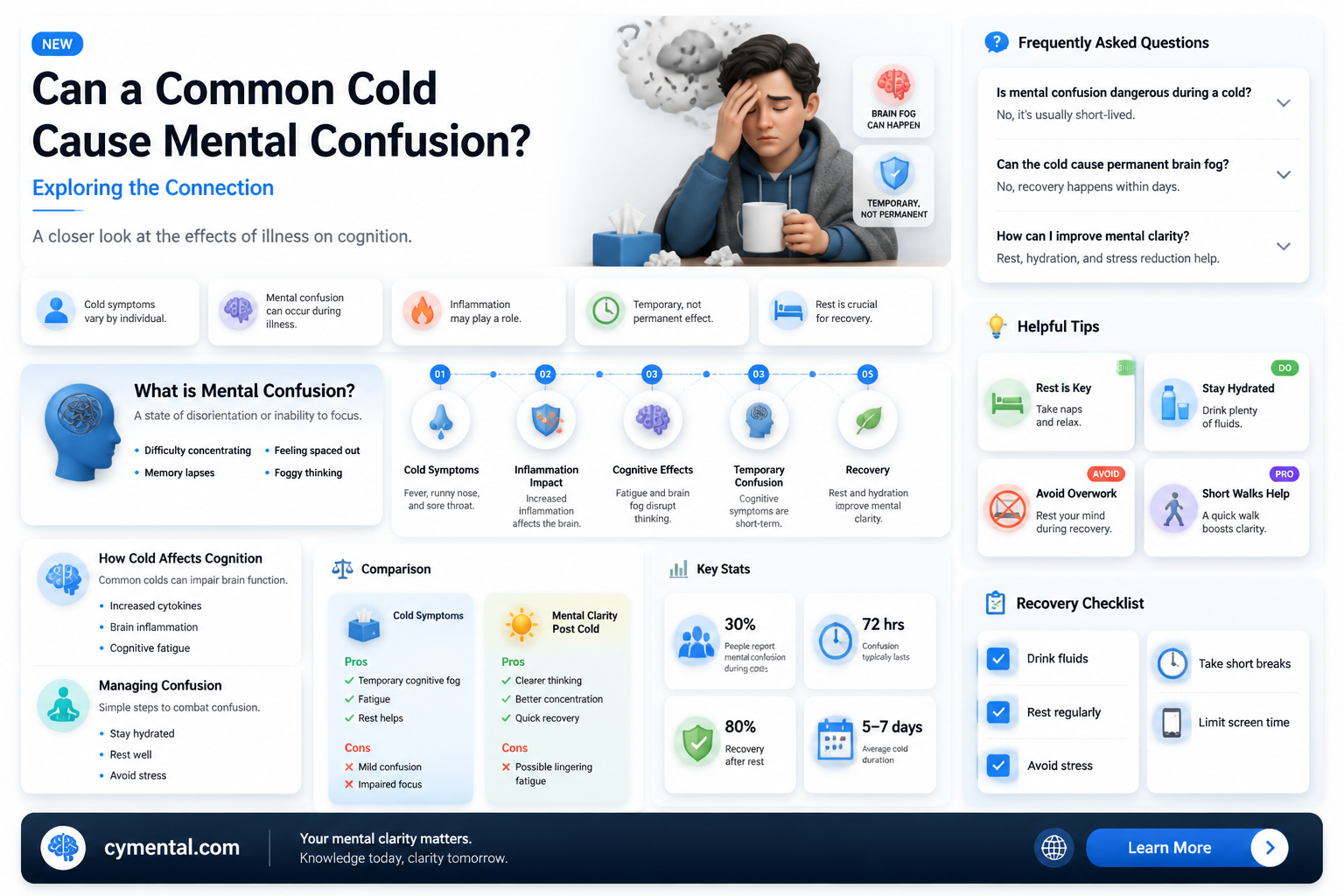
A cold, a common viral infection of the upper respiratory tract, typically presents with symptoms such as a runny nose, sore throat, and cough. While it is generally considered a minor ailment, research suggests that a cold can indeed cause mental confusion, particularly in certain populations. This phenomenon may be attributed to the body's immune response to the infection, which can lead to inflammation and the release of cytokines that affect brain function. Additionally, the physical discomfort and disrupted sleep patterns associated with a cold can contribute to cognitive impairment. Understanding the potential impact of a cold on mental clarity is important for individuals who may be more susceptible to these effects, such as the elderly or those with pre-existing cognitive conditions.
| Characteristics | Values |
|---|---|
| Condition | Common cold |
| Symptoms | Runny nose, sore throat, cough, fatigue |
| Potential Effects | Temporary cognitive impairment |
| Causes | Viral infection |
| Risk Factors | Weakened immune system, elderly age |
| Complications | Sinus infection, bronchitis |
| Diagnosis | Clinical evaluation, lab tests |
| Treatment | Rest, hydration, over-the-counter medications |
| Prevention | Hand washing, avoiding close contact with sick individuals |
| Prognosis | Generally good, resolves within 7-10 days |
| Impact on Mental Health | Can cause temporary confusion, irritability |
| Frequency | Seasonal, more common in winter months |
| Contagiousness | Highly contagious |
| Severity | Usually mild, but can be severe in some cases |
| Recovery Time | 1-2 weeks |
| Medical Attention | Recommended if symptoms worsen or persist |
Explore related products






What You'll Learn
- Fever and Cognitive Function: High fever can impair cognitive function, leading to confusion
- Dehydration and Brain Function: Dehydration can cause dizziness, fatigue, and confusion
- Medication Side Effects: Some cold medications can cause drowsiness or confusion as side effects
- Sleep Deprivation and Cognitive Impairment: Lack of sleep can exacerbate cognitive impairment
- Underlying Health Conditions: Pre-existing conditions like dementia can worsen with cold symptoms

Fever and Cognitive Function: High fever can impair cognitive function, leading to confusion
High fever is a significant factor that can impair cognitive function, leading to mental confusion. This is particularly true in cases where the fever is a result of an infection, such as a cold or flu. The body's immune response to the infection can cause inflammation in the brain, which in turn can affect cognitive processes.
One of the primary ways that high fever can lead to cognitive impairment is through the disruption of neurotransmitter function. Neurotransmitters are chemicals in the brain that facilitate communication between neurons. When the body is fighting off an infection, it can produce cytokines, which are proteins that help regulate the immune response. However, these cytokines can also interfere with the production and function of neurotransmitters, leading to confusion, delirium, and other cognitive disturbances.
In addition to the direct effects on neurotransmitter function, high fever can also lead to cognitive impairment through the disruption of normal brain activity. Fever can cause the brain to work harder to maintain its normal temperature, which can lead to fatigue and decreased cognitive function. This can be particularly problematic in individuals who are already experiencing cognitive decline, such as the elderly or those with neurodegenerative diseases.
It is important to note that while high fever can lead to cognitive impairment, it is not the only factor that can contribute to mental confusion. Other factors, such as dehydration, medication side effects, and underlying medical conditions, can also play a role. Therefore, it is essential to consider the full clinical picture when evaluating a patient with mental confusion.
In terms of treatment, the primary goal is to address the underlying cause of the fever. This may involve the use of antipyretic medications, such as acetaminophen or ibuprofen, to reduce the fever. In addition, it is important to ensure that the patient is well-hydrated and to monitor their cognitive function closely. In some cases, it may be necessary to seek medical attention if the fever is particularly high or if the cognitive impairment is severe.
In conclusion, high fever can have a significant impact on cognitive function, leading to mental confusion. This is due to the disruption of neurotransmitter function and normal brain activity. It is important to consider the full clinical picture when evaluating a patient with mental confusion and to address the underlying cause of the fever. With appropriate treatment, most individuals will recover from the cognitive impairment caused by high fever.
The Troubling Link Between Public Schools and Mental Health Crises
You may want to see also
Explore related products



Dehydration and Brain Function: Dehydration can cause dizziness, fatigue, and confusion
Dehydration can significantly impact brain function, leading to symptoms such as dizziness, fatigue, and confusion. These symptoms occur because the brain relies heavily on water to maintain its structure and function. When the body is dehydrated, the brain's ability to regulate its temperature and remove waste products is compromised, which can result in cognitive impairment.
One of the primary ways dehydration affects the brain is by altering the balance of electrolytes. Electrolytes are minerals in the blood and other body fluids that carry an electric charge. They are essential for life and crucial to many body functions, including the operation of nerves and muscles and maintaining acid-base balance and water levels. When dehydrated, the concentration of electrolytes in the body increases, which can disrupt the delicate balance necessary for optimal brain function.
Dehydration can also lead to a decrease in blood volume, which reduces the amount of oxygen and nutrients delivered to the brain. This can cause fatigue and confusion, as the brain is not receiving the necessary resources to function properly. Additionally, dehydration can cause the brain to shrink slightly, which can lead to headaches and dizziness.
It is important to note that the effects of dehydration on brain function can be exacerbated in certain populations, such as the elderly and individuals with pre-existing medical conditions. These individuals may be more susceptible to the negative effects of dehydration and may require more vigilant monitoring of their hydration status.
To prevent dehydration and its associated cognitive symptoms, it is essential to drink plenty of water throughout the day. The exact amount of water needed varies depending on factors such as age, sex, weight, and activity level, but a general guideline is to aim for at least eight glasses of water per day. It is also important to be aware of the signs of dehydration, such as dark urine, dry mouth, and fatigue, and to take steps to rehydrate if these symptoms occur.
In conclusion, dehydration can have a significant impact on brain function, leading to symptoms such as dizziness, fatigue, and confusion. By staying properly hydrated and being aware of the signs of dehydration, individuals can help maintain optimal brain function and overall health.
Navigating Heartbreak: Can a Breakup Trigger a Mental Breakdown?
You may want to see also
Explore related products

$24.9 $29.9


Medication Side Effects: Some cold medications can cause drowsiness or confusion as side effects
Certain cold medications, particularly those containing antihistamines or decongestants, can lead to side effects such as drowsiness or confusion. These symptoms can occur because these medications affect the central nervous system. Antihistamines, for example, work by blocking histamine receptors, which can cause sedation as a byproduct. Decongestants, on the other hand, can cause a rebound effect where nasal congestion returns after the medication wears off, potentially leading to increased drowsiness.
It's important to note that these side effects can vary depending on the individual and the specific medication. Factors such as age, overall health, and the presence of other medical conditions can influence how a person reacts to cold medications. Additionally, the dosage and duration of use can also impact the likelihood and severity of side effects. For instance, taking higher doses or using the medication for an extended period may increase the risk of experiencing drowsiness or confusion.
To minimize the risk of these side effects, it's crucial to follow the recommended dosage instructions and to be aware of any potential interactions with other medications. If you're concerned about the side effects of your cold medication, it's advisable to consult with a healthcare professional who can provide personalized advice based on your medical history and current health status.
In some cases, alternative treatments for cold symptoms may be recommended to avoid the side effects associated with certain medications. For example, using saline nasal sprays or drops can help alleviate nasal congestion without the risk of drowsiness. Similarly, staying hydrated and getting plenty of rest can help support the body's natural healing process and reduce the need for medication.
Ultimately, while cold medications can be effective in providing relief from symptoms, it's essential to be mindful of their potential side effects and to use them responsibly. By understanding the risks and taking appropriate precautions, individuals can better manage their cold symptoms while minimizing the impact on their mental clarity and overall well-being.
Exploring the Link: UTIs and Mental Confusion
You may want to see also
Explore related products



Sleep Deprivation and Cognitive Impairment: Lack of sleep can exacerbate cognitive impairment
Chronic sleep deprivation has been linked to a range of cognitive impairments, including reduced attention span, memory loss, and decreased problem-solving abilities. When the body is consistently deprived of adequate sleep, it can lead to a state of heightened stress, which in turn can exacerbate existing cognitive difficulties. This is particularly concerning for individuals who may already be experiencing mental health challenges or neurological conditions.
One of the key mechanisms by which sleep deprivation affects cognitive function is through the disruption of the brain's ability to consolidate memories. During sleep, the brain processes and stores information from the day, transferring it from short-term to long-term memory. When this process is interrupted by lack of sleep, it can lead to difficulties in recalling information and forming new memories.
Furthermore, sleep deprivation can impair the brain's ability to regulate emotions, leading to increased irritability, anxiety, and depression. This can create a vicious cycle, where the emotional distress caused by sleep deprivation further disrupts sleep patterns, exacerbating the cognitive impairments.
In addition to these effects, sleep deprivation can also impact cognitive function by reducing the brain's ability to filter out irrelevant information. This can lead to difficulties in focusing and concentrating, making it challenging to complete tasks that require sustained attention.
It is essential to prioritize sleep hygiene and ensure adequate rest to mitigate the risks associated with sleep deprivation and cognitive impairment. Strategies such as maintaining a consistent sleep schedule, creating a relaxing bedtime routine, and avoiding screens before bed can help improve sleep quality and support cognitive function.
Exploring the Link: Suicidal Thoughts and Mental Illness
You may want to see also
Explore related products


Underlying Health Conditions: Pre-existing conditions like dementia can worsen with cold symptoms
Individuals with pre-existing health conditions, such as dementia, may experience a worsening of their symptoms when they catch a cold. This is because the body's immune response to the cold virus can exacerbate inflammation and other underlying issues, leading to increased mental confusion and cognitive decline. In some cases, a cold can even trigger a temporary state of delirium in elderly patients with dementia, which can be distressing for both the patient and their caregivers.
It is important for caregivers and healthcare professionals to be aware of the potential risks associated with colds in patients with dementia. Early detection and treatment of cold symptoms can help to minimize the impact on cognitive function and prevent complications. This may involve monitoring patients closely for signs of confusion or delirium, ensuring they stay hydrated, and providing appropriate medication to manage cold symptoms.
In addition to monitoring and treatment, there are also steps that can be taken to prevent colds from occurring in the first place. This includes practicing good hygiene, such as frequent handwashing and avoiding close contact with others who are sick. Caregivers should also ensure that patients with dementia receive appropriate vaccinations, such as the flu vaccine, to protect against other respiratory illnesses that can have similar effects on cognitive function.
Ultimately, the key to managing the impact of colds on patients with dementia is to be proactive and vigilant. By taking steps to prevent colds, monitoring patients closely for signs of illness, and providing prompt treatment when needed, caregivers and healthcare professionals can help to minimize the risk of cognitive decline and other complications associated with colds in this vulnerable population.
Unraveling the Link: Childhood Trauma and Mental Health
You may want to see also
Frequently asked questions
Yes, a cold can cause mental confusion. When you have a cold, your body releases cytokines, which are proteins that help fight off the infection. However, these cytokines can also affect your brain function, leading to symptoms such as confusion, difficulty concentrating, and memory problems.
Mental confusion after a cold typically lasts for a few days to a week. However, in some cases, it can persist for longer, especially if the cold is severe or if you have underlying health conditions that affect your brain function.
In addition to mental confusion, a cold can cause other symptoms that affect mental function, such as fatigue, headache, and difficulty sleeping. These symptoms can make it difficult to concentrate and think clearly.
While you cannot completely prevent mental confusion during a cold, there are some things you can do to reduce its severity. Getting plenty of rest, staying hydrated, and taking over-the-counter medications to relieve symptoms can help. Additionally, practicing good hygiene, such as washing your hands frequently and avoiding close contact with others who are sick, can help prevent colds in the first place.