Ava Ramirez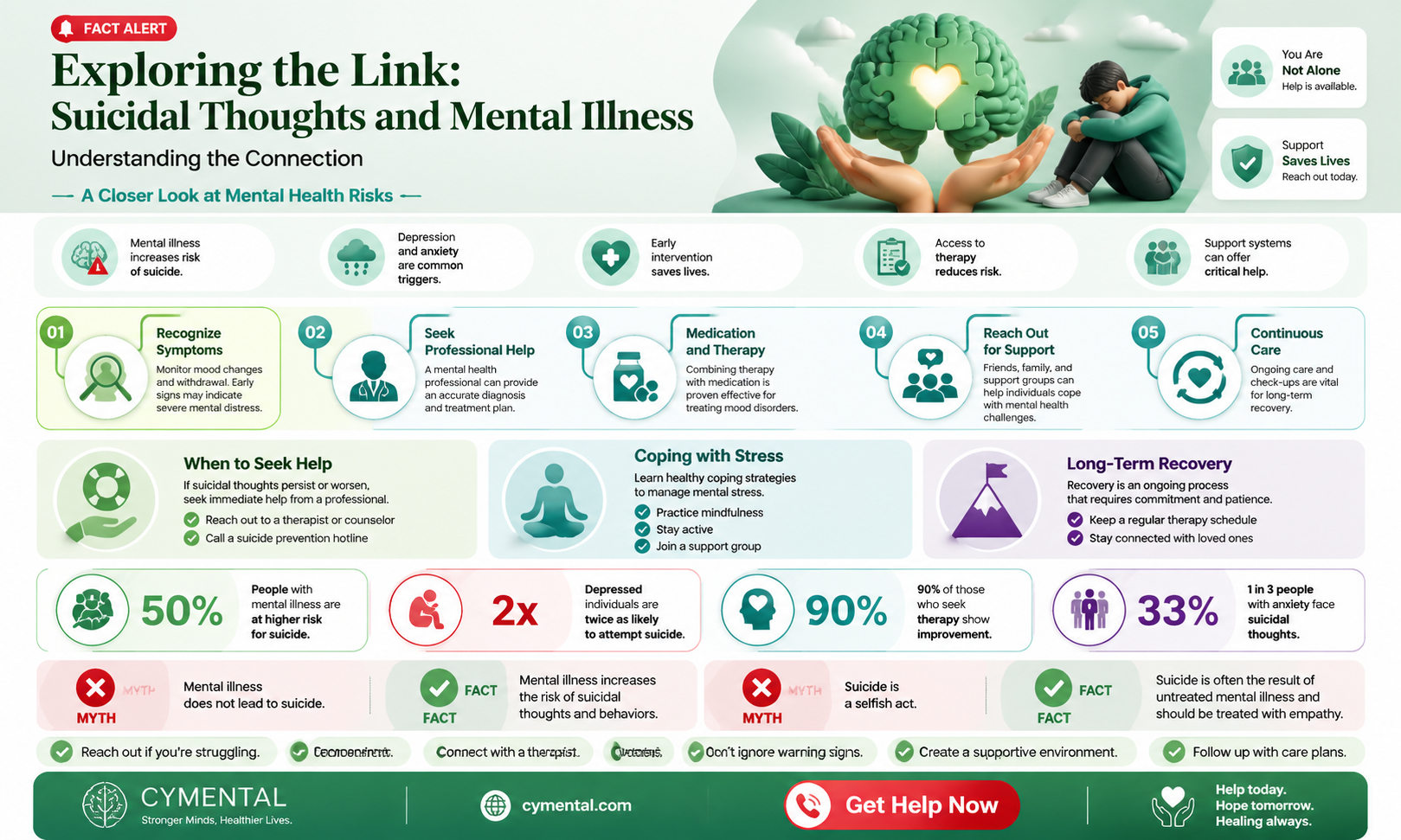
Suicidal thoughts, also known as suicidal ideation, are a complex and multifaceted issue that can be influenced by various factors, including mental illness. While mental health conditions such as depression, anxiety, and bipolar disorder can increase the risk of suicidal thoughts, it is essential to recognize that not all individuals experiencing mental illness will have suicidal ideation, and not all suicidal thoughts are caused by mental illness. Other contributing factors may include substance abuse, traumatic experiences, chronic physical health conditions, and social or environmental stressors. It is crucial to approach this topic with sensitivity and understanding, acknowledging the intricate interplay between mental health and other aspects of an individual's life. By doing so, we can work towards reducing stigma, promoting open dialogue, and ensuring that those affected by suicidal thoughts receive the support and resources they need.
| Characteristics | Values |
|---|---|
| Definition | Suicidal thoughts, also known as suicidal ideation, are thoughts about ending one's own life. These thoughts can be fleeting or persistent and may or may not be accompanied by a plan or attempt to carry out the act. |
| Prevalence | Suicidal thoughts are relatively common, with approximately 1 in 4 individuals experiencing them at some point in their lives. |
| Risk Factors | Mental illness is a significant risk factor for suicidal thoughts. Other risk factors include substance abuse, trauma, loss of a loved one, and social isolation. |
| Warning Signs | Warning signs of suicidal thoughts may include talking about wanting to die, making plans to end one's life, withdrawing from social activities, and changes in mood or behavior. |
| Protective Factors | Protective factors against suicidal thoughts include strong social support, a sense of purpose or meaning in life, and access to mental health care. |
| Treatment Options | Treatment for suicidal thoughts may include therapy, medication, and crisis intervention. It is important to seek help from a mental health professional if experiencing suicidal thoughts. |
| Stigma | There is often a stigma associated with suicidal thoughts and mental illness, which can prevent individuals from seeking help. It is important to reduce this stigma and promote open conversations about mental health. |
| Myths and Misconceptions | One common myth is that talking about suicide will cause someone to attempt it. In reality, open conversations about suicide can help prevent it by reducing feelings of isolation and providing support. |
| Research and Statistics | Research has shown that suicidal thoughts are often linked to mental illness, with depression being one of the most common conditions associated with suicide. Statistics show that suicide is a leading cause of death worldwide, with over 800,000 individuals dying by suicide each year. |
| Prevention Strategies | Prevention strategies for suicidal thoughts include promoting mental health awareness, providing access to mental health care, and fostering strong social connections. It is also important to address underlying risk factors such as substance abuse and trauma. |
| Support Resources | There are many support resources available for individuals experiencing suicidal thoughts, including crisis hotlines, online support groups, and mental health professionals. It is important to reach out for help if experiencing suicidal thoughts. |
| Personal Stories | Personal stories of individuals who have experienced suicidal thoughts can help reduce stigma and promote understanding. These stories can also provide hope and inspiration for those who are struggling. |
| Cultural Perspectives | Cultural perspectives on suicidal thoughts vary widely, with some cultures viewing suicide as a noble act while others view it as a sin or a sign of weakness. It is important to be aware of these cultural differences when providing support and resources. |
| Legal and Ethical Considerations | Legal and ethical considerations surrounding suicidal thoughts include the duty to protect individuals from harm and the need to respect their autonomy and privacy. Mental health professionals must balance these considerations when providing care and support. |
| Future Directions | Future directions for research and treatment of suicidal thoughts include developing more effective interventions, improving access to mental health care, and addressing the root causes of mental illness and suicide. |
Explore related products


What You'll Learn
- Correlation vs. Causation: Examining whether suicidal thoughts are a symptom or cause of mental illness
- Types of Mental Illness: Identifying specific disorders that may lead to suicidal ideation, such as depression or schizophrenia
- Risk Factors: Discussing additional factors that may contribute to suicidal thoughts, including substance abuse or traumatic experiences
- Treatment Approaches: Exploring therapies and interventions aimed at reducing suicidal ideation among individuals with mental illness
- Prevention Strategies: Highlighting methods to promote mental health and prevent the development of suicidal thoughts in at-risk populations

Correlation vs. Causation: Examining whether suicidal thoughts are a symptom or cause of mental illness
The relationship between suicidal thoughts and mental illness is complex and multifaceted. While it is widely acknowledged that mental health conditions can contribute to suicidal ideation, the question of whether these thoughts are a symptom or a cause of mental illness remains a subject of ongoing debate. This distinction is crucial, as it can significantly impact the approach to treatment and prevention.
One perspective is that suicidal thoughts are a symptom of underlying mental health issues. This view posits that conditions such as depression, anxiety, and psychosis can lead to feelings of hopelessness and despair, which in turn may result in suicidal ideation. From this standpoint, addressing the root cause of the mental illness through therapy, medication, or other interventions is seen as the most effective way to alleviate suicidal thoughts.
On the other hand, some researchers argue that suicidal thoughts can be a cause of mental illness. This perspective suggests that the experience of suicidal ideation can lead to the development of mental health conditions, such as depression or post-traumatic stress disorder (PTSD). According to this view, directly addressing and reducing suicidal thoughts through targeted interventions, such as cognitive-behavioral therapy for suicide prevention (CBT-SP), may help to prevent the onset or worsening of mental illness.
The correlation between suicidal thoughts and mental illness is further complicated by the presence of other factors that can influence this relationship. For example, environmental stressors, such as financial difficulties or social isolation, can exacerbate mental health issues and increase the risk of suicidal ideation. Additionally, individual differences in coping mechanisms, resilience, and access to support systems can play a significant role in determining how mental illness and suicidal thoughts interact.
In conclusion, the question of whether suicidal thoughts are a symptom or cause of mental illness is not easily answered. Both perspectives have merit, and the relationship between these two factors is likely bidirectional, with each influencing the other in complex ways. A comprehensive approach to addressing this issue must consider the interplay between mental health conditions, environmental factors, and individual differences, and should involve a combination of prevention, early intervention, and ongoing support strategies.
Exploring the Link Between Cannabis Use and Mental Health
You may want to see also
Explore related products


$14.98


Types of Mental Illness: Identifying specific disorders that may lead to suicidal ideation, such as depression or schizophrenia
Depression is one of the most common mental illnesses associated with suicidal ideation. It is characterized by persistent feelings of sadness, hopelessness, and a lack of interest in activities that were once enjoyable. Major depressive disorder, in particular, can lead to suicidal thoughts and behaviors, especially when left untreated. Symptoms such as changes in appetite, sleep disturbances, and difficulty concentrating can exacerbate the risk of suicide. It is crucial for individuals experiencing these symptoms to seek professional help and for their loved ones to provide support and encouragement.
Schizophrenia is another mental illness that can contribute to suicidal ideation. This disorder is marked by symptoms such as hallucinations, delusions, and disorganized thinking. The risk of suicide is higher among individuals with schizophrenia, particularly during the early stages of the illness or during periods of acute exacerbation. It is essential for those with schizophrenia to receive comprehensive treatment, including medication and therapy, to manage their symptoms and reduce the risk of suicidal behaviors.
Bipolar disorder, characterized by extreme mood swings between mania and depression, is also linked to an increased risk of suicidal ideation. During depressive episodes, individuals with bipolar disorder may experience intense feelings of hopelessness and worthlessness, which can lead to suicidal thoughts. It is important for individuals with bipolar disorder to work closely with their healthcare providers to develop a treatment plan that addresses both the manic and depressive aspects of the illness.
Post-traumatic stress disorder (PTSD) is a mental health condition that can develop after experiencing or witnessing a traumatic event. Symptoms of PTSD include flashbacks, nightmares, and severe anxiety, which can contribute to suicidal ideation. Individuals with PTSD often struggle with feelings of guilt, shame, and helplessness, which can increase the risk of suicide. Effective treatment for PTSD typically involves a combination of medication and therapy, such as cognitive-behavioral therapy (CBT), to help individuals process their traumatic experiences and develop coping strategies.
Eating disorders, such as anorexia nervosa and bulimia nervosa, are also associated with an increased risk of suicidal ideation. These disorders are characterized by extreme concerns about body weight and shape, leading to unhealthy eating behaviors. Individuals with eating disorders may experience feelings of worthlessness, guilt, and shame, which can contribute to suicidal thoughts. Treatment for eating disorders often involves a multidisciplinary approach, including medical care, therapy, and nutritional counseling, to address both the physical and psychological aspects of the illness.
It is important to note that while these mental illnesses can increase the risk of suicidal ideation, not all individuals who experience these conditions will have suicidal thoughts or behaviors. Additionally, suicidal ideation can occur in individuals without a diagnosed mental illness. It is crucial for anyone experiencing suicidal thoughts to seek help from a mental health professional or a suicide hotline. Early intervention and treatment can significantly reduce the risk of suicide and improve overall mental health outcomes.
Exploring the Complex Link Between Mental Illnesses and Chemical Imbalances
You may want to see also
Explore related products


Risk Factors: Discussing additional factors that may contribute to suicidal thoughts, including substance abuse or traumatic experiences
Substance abuse is a significant risk factor that can contribute to suicidal thoughts. The misuse of drugs and alcohol can alter brain chemistry, leading to increased feelings of depression, anxiety, and hopelessness. These substances can also impair judgment and decision-making abilities, making individuals more likely to act on suicidal impulses. Furthermore, the withdrawal symptoms from certain drugs can be severe and may include suicidal ideation as a side effect. It is crucial for individuals struggling with substance abuse to seek professional help, as addressing this issue can significantly reduce the risk of suicidal thoughts.
Traumatic experiences are another critical risk factor for suicidal thoughts. Events such as physical or emotional abuse, neglect, loss of a loved one, or exposure to violence can have a profound impact on an individual's mental health. Trauma can lead to the development of mental health disorders like post-traumatic stress disorder (PTSD), depression, and anxiety, all of which can increase the risk of suicidal ideation. It is essential for individuals who have experienced trauma to seek support from mental health professionals, as therapy can help process these experiences and reduce the likelihood of suicidal thoughts.
Other risk factors that may contribute to suicidal thoughts include social isolation, financial problems, and chronic physical health conditions. Feeling disconnected from others can exacerbate feelings of loneliness and despair, while financial stress can lead to a sense of hopelessness about the future. Chronic physical health conditions can also impact mental health, as the ongoing pain and discomfort can contribute to depression and anxiety. Addressing these risk factors through social support, financial counseling, and medical treatment can help mitigate the risk of suicidal thoughts.
It is important to note that while these risk factors can contribute to suicidal thoughts, they do not necessarily cause them. Suicidal ideation is often the result of a complex interplay between various factors, including mental health disorders, environmental stressors, and individual vulnerabilities. Understanding these risk factors can help identify individuals who may be at a higher risk for suicidal thoughts and provide them with the necessary support and resources to address these issues.
In conclusion, risk factors such as substance abuse, traumatic experiences, social isolation, financial problems, and chronic physical health conditions can all contribute to suicidal thoughts. Addressing these factors through professional help, therapy, social support, and medical treatment can significantly reduce the risk of suicidal ideation. It is crucial for individuals struggling with these issues to seek help and for society to provide accessible resources and support systems to prevent suicide.
Unveiling the Link: Depression's Impact on Cognitive Clarity
You may want to see also
Treatment Approaches: Exploring therapies and interventions aimed at reducing suicidal ideation among individuals with mental illness
Cognitive Behavioral Therapy (CBT) is a widely recognized treatment approach for reducing suicidal ideation. CBT focuses on identifying and challenging negative thought patterns and beliefs that contribute to suicidal thoughts. Therapists work with individuals to develop coping strategies and improve problem-solving skills, which can help mitigate the emotional distress associated with suicidal ideation. Research has shown that CBT can be effective in reducing the frequency and intensity of suicidal thoughts, particularly among individuals with depression and anxiety disorders.
Dialectical Behavior Therapy (DBT) is another evidence-based treatment approach that has been shown to be effective in reducing suicidal ideation. DBT combines elements of CBT with mindfulness techniques and emphasizes the development of emotional regulation skills. DBT therapists teach individuals how to tolerate distress, manage emotions, and improve interpersonal relationships, which can help reduce the risk of suicide. DBT has been particularly effective in treating individuals with borderline personality disorder, who are at a higher risk for suicidal behavior.
Medication management is also a critical component of treatment for individuals with suicidal ideation. Antidepressant medications, such as selective serotonin reuptake inhibitors (SSRIs), can help alleviate symptoms of depression and reduce the risk of suicide. In some cases, mood stabilizers or antipsychotic medications may also be prescribed to help manage symptoms of other mental health conditions that contribute to suicidal thoughts. It is important for individuals to work closely with their healthcare providers to find the most effective medication regimen for their specific needs.
In addition to traditional therapies and medications, there are also newer treatment approaches being explored for reducing suicidal ideation. For example, ketamine, a medication traditionally used as an anesthetic, has shown promise in reducing suicidal thoughts in individuals with treatment-resistant depression. Transcranial magnetic stimulation (TMS), a non-invasive procedure that uses magnetic fields to stimulate the brain, has also been shown to be effective in reducing suicidal ideation in some cases. These newer approaches offer hope for individuals who have not responded to traditional treatments.
It is important to note that treatment for suicidal ideation should be tailored to the individual's specific needs and circumstances. A comprehensive treatment plan may include a combination of therapies, medications, and other interventions, as well as support from family, friends, and community resources. If you or someone you know is struggling with suicidal thoughts, it is crucial to seek help from a mental health professional or a suicide prevention hotline. With the right support and treatment, it is possible to reduce the risk of suicide and improve overall mental health and well-being.
Unveiling the Mysteries: What Causes Mental Fog?
You may want to see also
Prevention Strategies: Highlighting methods to promote mental health and prevent the development of suicidal thoughts in at-risk populations
Effective prevention strategies are crucial in promoting mental health and mitigating the risk of suicidal thoughts, especially in vulnerable populations. One key approach is to foster a supportive community environment that encourages open dialogue about mental health challenges. This can be achieved through public awareness campaigns, educational programs in schools, and community-based initiatives that aim to reduce stigma and promote understanding.
Another important strategy is to ensure access to mental health services for those in need. This includes providing affordable counseling, therapy, and psychiatric care, as well as establishing crisis hotlines and online support platforms. Early intervention and treatment can significantly reduce the risk of suicidal thoughts and behaviors.
Promoting healthy lifestyle habits is also essential in preventing mental health issues. Regular physical activity, balanced nutrition, and adequate sleep are fundamental in maintaining overall well-being. Encouraging individuals to engage in activities they enjoy, practice stress management techniques, and maintain social connections can further enhance mental resilience.
For at-risk populations, such as those with a history of trauma or substance abuse, targeted interventions are necessary. Cognitive-behavioral therapy (CBT) and dialectical behavior therapy (DBT) have been shown to be effective in reducing suicidal ideation in these groups. Additionally, providing support groups and peer mentoring programs can offer a sense of community and hope.
In conclusion, a multifaceted approach that combines community support, access to mental health services, healthy lifestyle promotion, and targeted interventions is essential in preventing suicidal thoughts and promoting mental health in at-risk populations. By addressing the root causes and providing the necessary support, we can work towards reducing the prevalence of suicidal ideation and improving overall well-being.
Unraveling the Complex Link Between Mental Illness and Mass Shootings
You may want to see also
Frequently asked questions
While mental illnesses such as depression, anxiety, and bipolar disorder can increase the risk of suicidal thoughts, not all suicidal thoughts are caused by mental illness. Other factors like substance abuse, physical health problems, and life stressors can also contribute.
Yes, it is possible for someone to experience suicidal thoughts without exhibiting obvious signs of mental illness. This can make it challenging to identify and provide help, emphasizing the importance of open communication and awareness.
Common warning signs of suicidal thoughts include talking about suicide, expressing feelings of hopelessness or worthlessness, withdrawing from social activities, changes in sleep or appetite, and giving away possessions. It's crucial to take these signs seriously and seek professional help.
Supporting someone with suicidal thoughts involves listening without judgment, expressing empathy, and encouraging them to seek professional help. It's important to stay connected, offer hope, and help them develop a safety plan. If in crisis, contacting emergency services or a suicide hotline is essential.