Ava Ramirez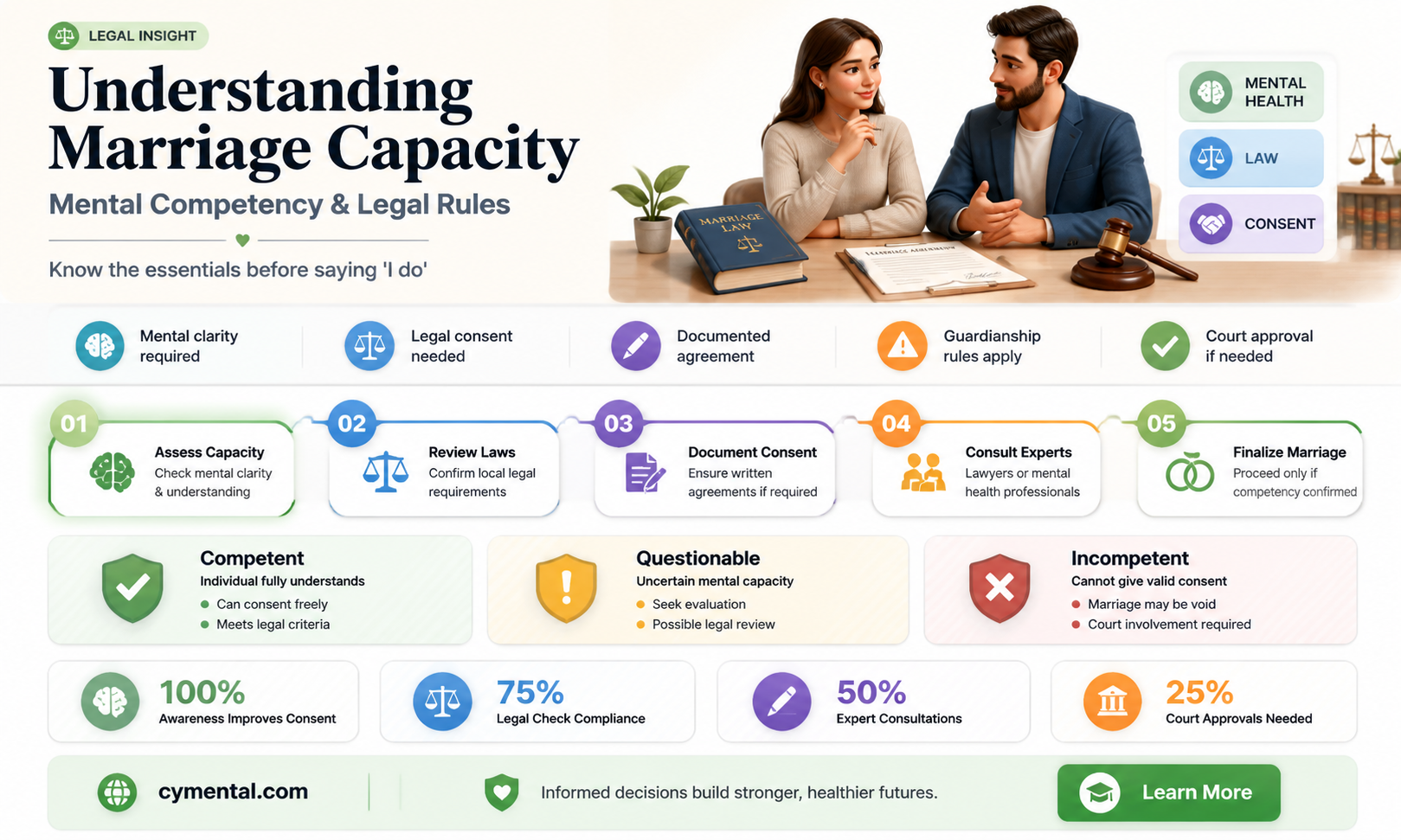
The question of whether a mentally incompetent person can get married is a complex and sensitive issue that intersects with legal, ethical, and social considerations. Mental incompetence, also known as mental incapacity, refers to a person's inability to make informed decisions due to a mental disorder or disability. In the context of marriage, this raises important questions about the individual's ability to consent to the union, understand the implications of marriage, and participate in the relationship on an equal footing. Laws regarding the marriage of mentally incompetent individuals vary by jurisdiction, with some requiring a court order or the appointment of a guardian to ensure that the person's rights and interests are protected. Ultimately, the decision to allow a mentally incompetent person to marry must balance the need to respect their autonomy and dignity with the responsibility to safeguard their well-being and prevent exploitation or abuse.
What You'll Learn
- Legal Capacity: Understanding the legal requirements for marriage and how mental incompetence may affect this
- Consent: Exploring the necessity of informed consent in marriage and its implications for individuals with mental disabilities
- Guardianship: Discussing the role of guardians or conservators in making decisions about marriage for mentally incompetent persons
- Human Rights: Examining the human rights aspects of marriage for people with mental disabilities, including the right to marry
- Support Systems: Considering the importance of support systems and accommodations to ensure a successful marriage for mentally incompetent individuals

Legal Capacity: Understanding the legal requirements for marriage and how mental incompetence may affect this
To determine whether a mentally incompetent person can get married, it's essential to understand the legal capacity required for marriage. Legal capacity refers to a person's ability to enter into a legally binding contract, such as marriage, based on their mental and physical capabilities. In most jurisdictions, the legal requirements for marriage include the ability to consent, understand the nature and consequences of marriage, and communicate one's intentions.
Mental incompetence, also known as mental incapacity or disability, can significantly impact a person's legal capacity to marry. Individuals with severe mental impairments, such as schizophrenia, bipolar disorder, or dementia, may lack the ability to fully comprehend the implications of marriage or express their consent. In such cases, the law may deem them incapable of entering into a valid marriage contract.
However, it's important to note that mental incompetence is not an absolute bar to marriage. The severity and nature of the mental impairment, as well as the individual's ability to function in daily life, play a crucial role in determining their legal capacity to marry. In some cases, individuals with mild mental impairments may be able to enter into a valid marriage if they can demonstrate an understanding of the marriage contract and express their consent.
The legal process for determining mental capacity to marry varies by jurisdiction. In some cases, a court may appoint a guardian or conservator to make decisions on behalf of the mentally incompetent individual. In other cases, a medical professional may be required to evaluate the individual's mental capacity and provide a report to the court.
Ultimately, the decision to allow a mentally incompetent person to marry is a complex one that involves careful consideration of the individual's rights, well-being, and ability to participate in the marriage contract. It's essential to consult with legal and medical professionals to ensure that the individual's best interests are protected and that the marriage is valid and enforceable under the law.
Exploring the Myth: Can Mental Pregnancy Lead to Physical Changes?
You may want to see also
Consent: Exploring the necessity of informed consent in marriage and its implications for individuals with mental disabilities
Informed consent is a cornerstone of any legal and ethical marriage. It requires that both parties fully understand the nature and implications of their commitment, including the rights and responsibilities that come with it. For individuals with mental disabilities, obtaining informed consent can be complex and nuanced. It is essential to ensure that they are not only legally capable of consenting but also have a genuine understanding of what marriage entails.
One of the key challenges in this context is determining the capacity for consent. Legal standards vary by jurisdiction, but generally, a person must be able to comprehend the basic elements of marriage, such as the commitment to one another, the potential for children, and the legal and financial responsibilities involved. Assessments by mental health professionals can help establish whether an individual with a mental disability has the capacity to consent to marriage.
Beyond legal capacity, it is crucial to consider the practical implications of marriage for individuals with mental disabilities. They may require additional support to navigate the complexities of married life, including managing finances, household responsibilities, and personal care. Ensuring that adequate support systems are in place can help facilitate a successful and fulfilling marriage.
Moreover, societal attitudes and stigma surrounding mental disabilities can impact the ability of individuals to give informed consent. It is important to address these biases and ensure that individuals with mental disabilities are treated with respect and dignity. This includes recognizing their autonomy and right to make decisions about their own lives, including the decision to marry.
In conclusion, informed consent in marriage is a critical issue that requires careful consideration, especially when it comes to individuals with mental disabilities. By understanding the legal, practical, and societal factors involved, we can work towards creating a more inclusive and supportive environment for all individuals seeking to enter into marriage.
Unleashing Resilience: A Guide to Cultivating Mental Toughness
You may want to see also
Guardianship: Discussing the role of guardians or conservators in making decisions about marriage for mentally incompetent persons
Guardians or conservators play a crucial role in the lives of mentally incompetent individuals, particularly when it comes to making significant life decisions such as marriage. In many jurisdictions, a guardian or conservator is legally appointed to make decisions on behalf of a person who is deemed unable to make informed decisions for themselves due to mental incapacity. This can include decisions about medical care, financial matters, and, indeed, marriage.
The process of appointing a guardian or conservator typically involves a legal proceeding where a court determines that an individual lacks the capacity to manage their own affairs. The court then appoints a trusted person to act in the best interests of the mentally incompetent person. This individual is usually a family member, but it can also be a professional guardian or a public official.
When it comes to marriage, the guardian or conservator must consider the best interests of the mentally incompetent person. This involves assessing whether the proposed marriage is in the individual's best interest, taking into account factors such as the potential spouse's character, the nature of the relationship, and the individual's ability to consent to the marriage. The guardian or conservator must also ensure that the individual is not being coerced or exploited.
In some cases, the guardian or conservator may need to seek court approval for the marriage to proceed. This is particularly true if there are concerns about the individual's ability to consent or if there are potential conflicts of interest. The court will then review the case and make a determination based on the evidence presented.
It is important to note that the role of a guardian or conservator is not to control the life of the mentally incompetent person, but rather to support and protect them. The guardian or conservator should encourage the individual to participate in decision-making processes to the extent that they are able and should respect their autonomy and dignity.
In conclusion, guardians or conservators play a vital role in ensuring that the rights and interests of mentally incompetent individuals are protected when it comes to making decisions about marriage. They must act in the best interests of the individual, taking into account a range of factors, and must seek court approval if necessary. Ultimately, their goal is to support the individual in making informed decisions and to protect them from exploitation or harm.
Unleashing Your Mind: Strategies to Overcome Mental Blocks
You may want to see also
Human Rights: Examining the human rights aspects of marriage for people with mental disabilities, including the right to marry
The right to marry is a fundamental human right recognized by various international human rights instruments, including the Universal Declaration of Human Rights and the International Covenant on Civil and Political Rights. For individuals with mental disabilities, this right is often subject to legal and societal scrutiny. Many jurisdictions have laws that restrict or prohibit marriage for people deemed mentally incompetent, raising significant human rights concerns.
One of the primary arguments in favor of allowing individuals with mental disabilities to marry is the principle of non-discrimination. Article 2 of the Convention on the Rights of Persons with Disabilities (CRPD) mandates that persons with disabilities should not be discriminated against on the basis of their disability. This includes the right to marry and form a family, as stated in Article 23 of the CRPD. Despite these international standards, many countries still have laws that discriminate against individuals with mental disabilities in the context of marriage.
Another important aspect to consider is the concept of legal capacity. Often, individuals with mental disabilities are deemed to lack the legal capacity to enter into marriage contracts. However, this assessment can be problematic, as it may be based on outdated or overly broad definitions of mental incompetence. The CRPD emphasizes the importance of respecting the autonomy and legal capacity of persons with disabilities, advocating for supported decision-making rather than substituted decision-making. This means that individuals with mental disabilities should be provided with the necessary support to make informed decisions about marriage, rather than having decisions made on their behalf.
In addition to legal barriers, individuals with mental disabilities may also face societal challenges when it comes to marriage. Stigma and discrimination can prevent them from forming meaningful relationships and exercising their right to marry. Addressing these societal barriers requires education and awareness-raising efforts to promote the understanding and acceptance of mental disabilities within the context of marriage and relationships.
In conclusion, the human rights aspects of marriage for people with mental disabilities are complex and multifaceted. Ensuring that individuals with mental disabilities can exercise their right to marry requires a multifaceted approach that includes legal reform, societal education, and the provision of support for informed decision-making. By addressing these barriers, we can work towards a more inclusive and equitable society where all individuals, regardless of their mental capacity, can enjoy the fundamental right to marry.
Navigating Divorce in Washington with Mental Health Considerations
You may want to see also
Support Systems: Considering the importance of support systems and accommodations to ensure a successful marriage for mentally incompetent individuals
A robust support system is crucial for ensuring the success of a marriage involving a mentally incompetent individual. This support can come in various forms, including but not limited to, family members, friends, mental health professionals, and community resources. It is essential to recognize that the nature and extent of support required will vary significantly from one individual to another, depending on the specific mental health challenges they face and their personal circumstances.
One key aspect of a successful support system is the involvement of mental health professionals. These experts can provide valuable guidance and support to both the mentally incompetent individual and their spouse, helping them navigate the complexities of their relationship and manage any challenges that arise. This might include therapy sessions, medication management, and the development of coping strategies tailored to the individual's needs.
In addition to professional support, the involvement of family and friends can also play a vital role. Loved ones can offer emotional support, practical assistance, and a sense of community, which can be particularly important for individuals who may feel isolated or stigmatized due to their mental health condition. However, it is crucial to ensure that family and friends are also equipped with the necessary knowledge and skills to provide effective support, and that they are not overwhelmed by the demands of caregiving.
Community resources, such as support groups and advocacy organizations, can also be invaluable. These resources can provide a platform for individuals and their families to connect with others who are facing similar challenges, share experiences and advice, and access information about available services and rights. Furthermore, advocacy organizations can help ensure that the needs and rights of mentally incompetent individuals are represented and protected within the broader community.
Ultimately, the success of a marriage involving a mentally incompetent individual will depend on the strength and effectiveness of the support system in place. By recognizing the importance of this support and taking steps to ensure that it is comprehensive, accessible, and tailored to the individual's needs, it is possible to create a foundation for a successful and fulfilling relationship.
Empowering Love: Marriage Rights for Mentally Disabled Individuals
You may want to see also
Frequently asked questions
The ability of a mentally incompetent person to get married varies by jurisdiction. In many places, a person must have the mental capacity to understand the nature and consequences of marriage. If a person is deemed mentally incompetent, they may not be able to legally consent to marriage.
Mental incompetence in the context of marriage typically refers to a person's inability to understand the nature, duties, and responsibilities of marriage due to a mental disorder or disability. This can include conditions such as severe intellectual disability, dementia, or psychiatric disorders that impair judgment and decision-making.
Mental competence for marriage is often assessed through a combination of medical evaluations, psychological assessments, and legal proceedings. A mental health professional may evaluate the individual to determine their ability to understand and consent to marriage, and a court may review the findings to make a legal determination.
If a mentally incompetent person gets married, the marriage may be considered void or voidable, depending on the laws of the jurisdiction. This means that the marriage could be legally annulled, and the parties may not have the same rights and responsibilities as a legally married couple. Additionally, the mentally incompetent person may require a guardian or conservator to manage their affairs, including their marital status.
Support for mentally incompetent individuals who wish to get married may include legal assistance, mental health services, and advocacy programs. These resources can help individuals understand their rights, navigate the legal process, and access appropriate mental health care. Additionally, some jurisdictions offer supported decision-making programs that provide assistance to individuals with mental disabilities in making important life decisions, including marriage.