Madison Cole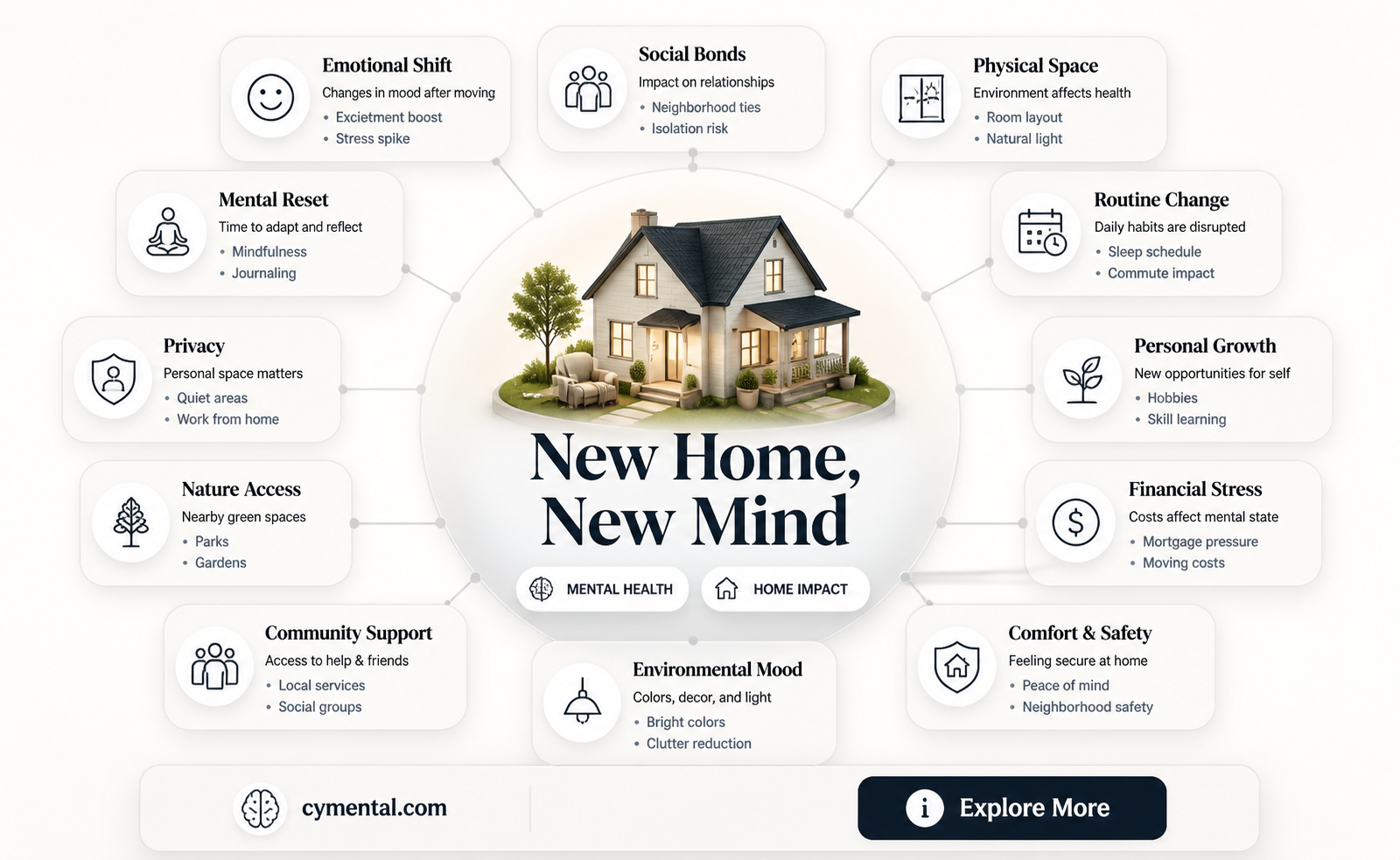
Moving into a new house can significantly impact a person's mental health in various ways. The change of environment can bring about feelings of excitement and anticipation, but it can also lead to stress and anxiety. Factors such as the location, size, and condition of the new home, as well as the reasons for the move, can all influence the mental health effects. For instance, a move to a quieter, more spacious home might reduce stress levels, while a move to a smaller, noisier home might increase them. Additionally, the process of packing, unpacking, and adjusting to a new neighborhood can be overwhelming, leading to feelings of loneliness or isolation. Understanding these potential impacts can help individuals prepare for and manage the mental health challenges associated with moving to a new house.
Explore related products


What You'll Learn
- Environmental Adjustments: Adapting to new surroundings and climate can impact mental well-being
- Social Isolation: Moving away from friends and family may lead to feelings of loneliness
- Financial Stress: The cost of a new home can cause significant financial strain and anxiety
- Change Management: Coping with the logistics and chaos of moving can be mentally exhausting
- Identity and Belonging: A new house may affect one's sense of identity and belonging to a community

Environmental Adjustments: Adapting to new surroundings and climate can impact mental well-being
Moving to a new house often brings about a myriad of changes, not just in one's physical environment but also in the mental and emotional landscape. Environmental adjustments, such as adapting to new surroundings and climates, can significantly impact mental well-being. This is particularly true when the move involves drastic changes in weather patterns, geographical location, or cultural context. For instance, relocating from a sunny, coastal area to a cold, urban environment can lead to feelings of disorientation and even depression due to the lack of familiar cues and the abrupt shift in climate.
One of the key factors contributing to this mental impact is the loss of routine and familiarity. Humans are creatures of habit, and sudden changes can disrupt the carefully constructed routines that provide a sense of stability and control. This disruption can manifest in various ways, such as difficulty sleeping, changes in appetite, and increased stress levels. Moreover, the process of adapting to a new environment can be mentally taxing, requiring constant attention and effort to navigate unfamiliar surroundings and social situations.
Another aspect to consider is the potential for social isolation. Moving to a new place often means leaving behind established social networks and support systems. Building new relationships takes time and effort, and during this transitional period, individuals may experience feelings of loneliness and disconnectedness. This can be particularly challenging for those who rely heavily on their social circles for emotional support and validation.
To mitigate these effects, it is essential to be proactive in creating a support system in the new environment. This can involve joining local clubs or organizations, attending community events, and reaching out to neighbors and colleagues to build connections. Additionally, maintaining regular communication with friends and family from the previous location can help provide a sense of continuity and emotional support during the adjustment period.
In conclusion, environmental adjustments following a move can have a profound impact on mental well-being. By understanding the factors contributing to this impact and taking proactive steps to build a support system and establish routines, individuals can better navigate the challenges associated with adapting to a new environment and maintain their mental health.
Festive Blues: Unwrapping the Impact of Holidays on Mental Health
You may want to see also
Explore related products


Social Isolation: Moving away from friends and family may lead to feelings of loneliness
Moving to a new house can significantly impact an individual's mental health, particularly when it involves relocating away from friends and family. This change can lead to social isolation, which is a state of being separated from social relationships and interactions. Social isolation can manifest in various ways, including reduced communication with loved ones, lack of social support, and diminished opportunities for social engagement.
One of the primary reasons why moving away from friends and family can lead to feelings of loneliness is the disruption of established social networks. These networks provide emotional support, companionship, and a sense of belonging, all of which are crucial for maintaining good mental health. When individuals move to a new location, they often leave behind these support systems, which can result in feelings of emptiness and disconnection.
Furthermore, the process of building new social connections in a different environment can be challenging and time-consuming. It requires effort to establish new friendships and integrate into a new community, which can be daunting for some individuals. This can lead to a period of social isolation where one might feel lonely and disconnected from others.
The impact of social isolation on mental health can be significant. Research has shown that prolonged social isolation can lead to increased levels of stress, anxiety, and depression. It can also exacerbate existing mental health conditions and contribute to the development of new ones. Therefore, it is essential for individuals who are moving to a new house, especially those moving away from friends and family, to be aware of the potential risks of social isolation and to take proactive steps to mitigate these risks.
To address the issue of social isolation, individuals can consider joining local clubs or organizations, volunteering in the community, or participating in social activities that align with their interests. Additionally, maintaining regular communication with friends and family through phone calls, video chats, or social media can help to bridge the physical distance and provide a sense of connection.
In conclusion, moving away from friends and family can lead to feelings of loneliness and social isolation, which can have a detrimental impact on mental health. By understanding the risks and taking proactive steps to build new social connections and maintain existing ones, individuals can help to mitigate the negative effects of social isolation and promote better mental well-being.
Unseen Scars: The Profound Impact of Mental Abuse on Individuals
You may want to see also
Explore related products


Financial Stress: The cost of a new home can cause significant financial strain and anxiety
The prospect of purchasing a new home is often met with excitement and anticipation. However, the financial burden associated with this significant investment can quickly turn into a source of stress and anxiety. The cost of a new home can cause significant financial strain, leading to a myriad of mental health concerns.
One of the primary ways in which the cost of a new home can impact mental health is through the pressure to secure financing. The process of applying for a mortgage, navigating interest rates, and managing debt can be overwhelming, leading to feelings of anxiety and uncertainty. Furthermore, the fear of rejection or the inability to secure a loan can exacerbate these feelings, causing individuals to experience stress and worry.
In addition to the financial pressures, the cost of a new home can also lead to lifestyle changes that may impact mental health. For instance, individuals may need to adjust their spending habits, cut back on leisure activities, or even relocate to a new area in order to afford their new home. These changes can be difficult to adapt to, leading to feelings of sadness, isolation, or depression.
Moreover, the cost of a new home can also affect relationships, as financial stress can lead to tension and conflict between partners or family members. Disagreements over budgeting, priorities, and financial decisions can strain relationships, causing individuals to feel unsupported or misunderstood.
To mitigate the mental health impacts of financial stress related to the cost of a new home, it is essential to develop healthy coping mechanisms. This may include seeking support from friends and family, engaging in stress-reducing activities such as exercise or meditation, and working with a financial advisor to develop a manageable budget and financial plan. By taking proactive steps to address financial stress, individuals can better protect their mental health and well-being during the home-buying process.
Exploring the Mental Health Impact of Blood Transfusions
You may want to see also
Explore related products


$18.2 $86.99


Change Management: Coping with the logistics and chaos of moving can be mentally exhausting
Moving to a new house is often seen as a fresh start, but the process itself can be a significant source of stress. The logistics of packing, organizing, and transporting belongings can be overwhelming, leading to mental exhaustion. This stress can be compounded by the emotional toll of leaving behind familiar surroundings and routines.
One of the key challenges in managing the mental impact of moving is dealing with the uncertainty and lack of control that often accompanies the process. From coordinating with movers to navigating the complexities of real estate transactions, there are numerous variables that can contribute to feelings of anxiety and helplessness. To cope with these challenges, it's essential to establish a sense of control wherever possible. This might involve creating detailed to-do lists, setting realistic timelines, and breaking down larger tasks into smaller, more manageable steps.
Another important aspect of change management during a move is maintaining a support network. Reaching out to friends and family for assistance, both practical and emotional, can help alleviate some of the stress associated with the transition. Additionally, seeking professional help, such as therapy or counseling, can provide valuable tools and strategies for managing the mental health impacts of moving.
It's also crucial to prioritize self-care during this time. Ensuring adequate sleep, exercise, and nutrition can help maintain physical and mental well-being. Taking breaks and engaging in activities that bring joy and relaxation, such as reading, listening to music, or spending time in nature, can also help mitigate the stress of moving.
In conclusion, while moving to a new house can be an exciting opportunity for growth and change, it's important to be mindful of the potential mental health impacts. By focusing on change management strategies, such as establishing control, maintaining a support network, and prioritizing self-care, individuals can better navigate the challenges of moving and emerge stronger on the other side.
Nature's Embrace: Unveiling the Mental Health Benefits of the Great Outdoors
You may want to see also
Explore related products
![The Adjustment Bureau [DVD]](https://m.media-amazon.com/images/I/61zFVbPLcQL._AC_UY218_.jpg)


Identity and Belonging: A new house may affect one's sense of identity and belonging to a community
Moving into a new house can significantly impact an individual's sense of identity and belonging to a community. This change can be particularly profound when relocating to a different neighborhood, city, or even country. The new environment presents a unique set of cultural, social, and physical attributes that can either enhance or challenge one's existing sense of self.
For instance, if a person moves from a rural area to a bustling urban center, they may experience a shift in their identity as they adapt to the fast-paced city life. The anonymity of urban living can lead to feelings of isolation, making it harder to establish a sense of belonging. Conversely, the diverse opportunities and communities in a city can also provide a platform for self-discovery and the formation of new social connections.
On the other hand, moving to a new house within the same community can also affect one's mental health. Changes in the physical environment, such as the layout, size, or style of the house, can influence how a person perceives themselves and their place within the community. For example, downsizing to a smaller home might lead to feelings of loss or adjustment, while upgrading to a larger house could bring about a sense of accomplishment or increased social status.
Moreover, the process of moving itself can be a significant stressor, impacting mental health and, consequently, one's sense of identity and belonging. The logistical challenges, financial considerations, and emotional toll of relocating can lead to anxiety, depression, or a sense of disorientation. It is essential to acknowledge and address these feelings to facilitate a smoother transition and maintain a healthy sense of self.
In conclusion, a new house can indeed affect someone's mental health, particularly in terms of identity and belonging. Whether moving to a different community or within the same one, individuals must navigate the complexities of their new environment and the emotional impact of the transition. By being aware of these potential challenges and taking proactive steps to address them, one can foster a stronger sense of identity and belonging in their new home.
Hormonal Harmony: The Intricate Link Between Hormones and Mental Health
You may want to see also
Frequently asked questions
Yes, moving into a new house can significantly impact someone's mental health. The change in environment, routine, and the stress of the moving process itself can lead to feelings of anxiety, depression, and overwhelm.
A new house can offer a fresh start, reduce stress from previous living situations, and provide a sense of accomplishment and pride. It can also lead to improved living conditions, such as more space or a quieter neighborhood, which can positively influence mental well-being.
To mitigate negative effects, individuals can:
- Plan ahead and organize the moving process to reduce stress.
- Maintain routines and habits to create a sense of continuity.
- Stay connected with friends and family for support.
- Practice self-care, such as exercise, meditation, or hobbies.
- Seek professional help if needed, such as therapy or counseling.
Certain groups may be more susceptible to mental health changes, including:
- Children and adolescents, who may struggle with adjusting to new schools and friends.
- Older adults, who might face challenges related to mobility and social isolation.
- Individuals with pre-existing mental health conditions, who may experience exacerbation of symptoms due to the stress of moving.
- People who have experienced trauma or loss, as moving can trigger memories and emotions related to past events.


![The Adjustment Bureau [Blu-ray]](https://m.media-amazon.com/images/I/81FNTQnXyyL._AC_UY218_.jpg)