Ava Ramirez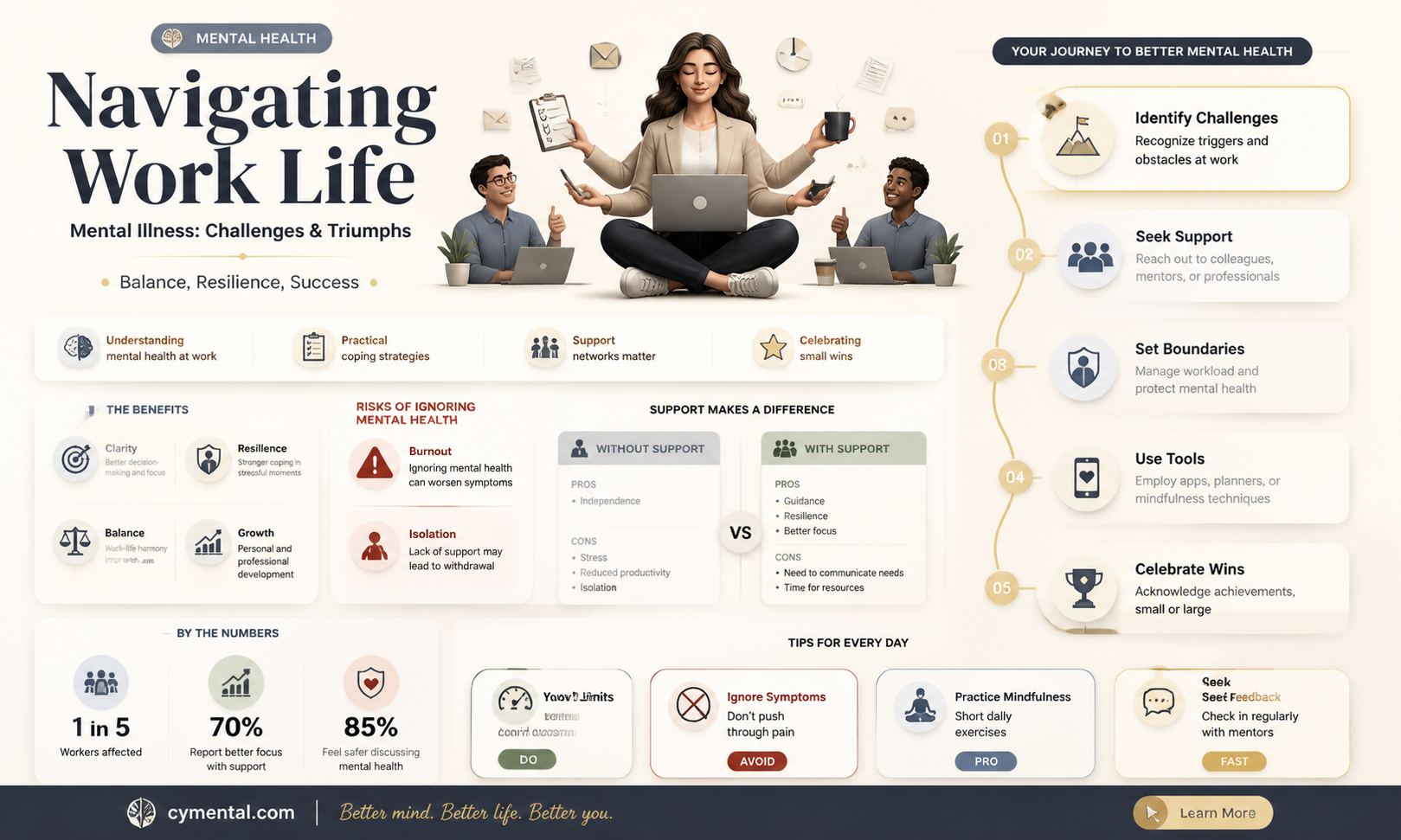
Mental illness can significantly impact a person's ability to work, but it's not a blanket prohibition. Many individuals with mental health conditions can and do maintain successful careers. The key often lies in finding the right balance between work demands and personal well-being. This might involve seeking accommodations from employers, such as flexible work schedules or modified job duties. Additionally, ongoing treatment and support can help individuals manage their symptoms and maintain productivity. It's important to remember that mental illness is not a sign of weakness, and seeking help is a sign of strength. With the right support and resources, many people with mental health conditions can thrive in the workplace.
Explore related products


What You'll Learn
- Types of Mental Illness: Understanding various conditions like depression, anxiety, schizophrenia, and bipolar disorder
- Impact on Work Performance: How mental health issues can affect productivity, concentration, and overall job performance
- Legal Protections: Overview of laws and regulations protecting employees with mental health conditions from discrimination
- Accommodations in the Workplace: Reasonable adjustments employers can make to support employees with mental illnesses
- Resources and Support: Information on available resources, such as counseling services and support groups, for affected individuals

Types of Mental Illness: Understanding various conditions like depression, anxiety, schizophrenia, and bipolar disorder
Depression, anxiety, schizophrenia, and bipolar disorder are among the most common mental illnesses that can impact a person's ability to work. Each condition presents unique challenges and requires different approaches to management and treatment. Understanding these conditions is crucial for creating supportive work environments and helping individuals with mental illness thrive in their careers.
Depression is characterized by persistent feelings of sadness, hopelessness, and a lack of interest in activities. It can lead to fatigue, difficulty concentrating, and changes in appetite and sleep patterns. In the workplace, depression can result in decreased productivity, increased absenteeism, and strained relationships with colleagues. Treatment often involves a combination of medication, such as selective serotonin reuptake inhibitors (SSRIs), and psychotherapy, like cognitive-behavioral therapy (CBT).
Anxiety disorders encompass a range of conditions, including generalized anxiety disorder, panic disorder, and social anxiety disorder. These conditions are marked by excessive worry, fear, and avoidance behaviors. In the workplace, anxiety can manifest as difficulty making decisions, avoiding social interactions, and experiencing physical symptoms like headaches and stomachaches. Treatment typically involves medication, such as benzodiazepines or SSRIs, and therapy, like CBT or exposure therapy.
Schizophrenia is a chronic brain disorder characterized by symptoms such as delusions, hallucinations, trouble with thinking, and concentration. It can significantly impact a person's ability to work, as symptoms can interfere with communication, problem-solving, and task completion. Treatment for schizophrenia usually involves antipsychotic medications and psychosocial interventions, such as vocational training and social skills therapy.
Bipolar disorder is marked by episodes of mania and depression. During manic episodes, individuals may experience increased energy, racing thoughts, and impulsive behaviors. Depressive episodes can lead to feelings of sadness, hopelessness, and a lack of interest in activities. In the workplace, bipolar disorder can result in unpredictable behavior, difficulty maintaining relationships, and fluctuating productivity levels. Treatment often involves mood stabilizers, such as lithium or valproate, and psychotherapy.
In conclusion, understanding the different types of mental illness and their impact on work is essential for creating supportive and inclusive work environments. By providing appropriate accommodations, resources, and support, employers can help individuals with mental illness succeed in their careers and contribute to a more diverse and productive workforce.
Mental Health Disparities: The Impact on Racial and Sexual Minorities
You may want to see also
Explore related products


Impact on Work Performance: How mental health issues can affect productivity, concentration, and overall job performance
Mental health issues can significantly impact a person's ability to perform at their best in the workplace. One of the primary ways this occurs is through a decrease in productivity. When an individual is struggling with mental health concerns, they may find it difficult to focus on tasks, leading to procrastination and a reduced ability to complete work efficiently. This can result in missed deadlines, lower quality work, and an overall decline in job performance.
Concentration is another critical aspect of work performance that can be adversely affected by mental health issues. Difficulty concentrating can manifest as trouble remembering important information, making decisions, or following instructions. This can lead to errors, accidents, and a decreased ability to contribute effectively to team projects. In some cases, individuals may also experience physical symptoms such as headaches or fatigue, which can further impair their concentration and overall well-being.
The impact of mental health issues on work performance can also extend to interpersonal relationships and communication. Individuals may find it challenging to interact with colleagues or clients, leading to misunderstandings, conflicts, or a breakdown in teamwork. This can create a hostile work environment and hinder the organization's overall productivity and success.
It is essential for employers to recognize the signs of mental health issues in their employees and provide appropriate support and resources. This can include offering access to counseling services, implementing stress management programs, or providing flexible work arrangements to accommodate individual needs. By addressing mental health concerns proactively, employers can help mitigate the negative impact on work performance and foster a healthier, more productive workforce.
In conclusion, mental health issues can have a profound impact on an individual's ability to perform well at work. By understanding the specific challenges that arise, such as decreased productivity, impaired concentration, and strained interpersonal relationships, employers can take steps to create a supportive work environment that promotes mental well-being and enhances overall job performance.
Unveiling the Impact: Mental Health's Influence on Today's Teens
You may want to see also
Explore related products


Legal Protections: Overview of laws and regulations protecting employees with mental health conditions from discrimination
Employees with mental health conditions are protected from discrimination under various laws and regulations. The Americans with Disabilities Act (ADA) is a federal law that prohibits discrimination against individuals with disabilities, including mental health conditions, in the workplace. The ADA requires employers to provide reasonable accommodations to employees with disabilities, unless doing so would cause undue hardship. Reasonable accommodations may include modified work schedules, job restructuring, or providing additional support and resources.
In addition to the ADA, many states have their own laws that provide additional protections for employees with mental health conditions. For example, the California Fair Employment and Housing Act (FEHA) prohibits discrimination against individuals with mental disabilities and requires employers to provide reasonable accommodations. The FEHA also protects employees from retaliation for requesting accommodations or for participating in the accommodation process.
Employers are also required to comply with the Family and Medical Leave Act (FMLA), which allows eligible employees to take up to 12 weeks of unpaid leave per year for family and medical reasons, including mental health conditions. The FMLA requires employers to maintain the employee's health insurance coverage during the leave and to reinstate the employee to their original position or an equivalent position upon return from leave.
To ensure compliance with these laws and regulations, employers should have policies and procedures in place to address requests for accommodations and to provide support for employees with mental health conditions. Employers should also train their managers and supervisors on the requirements of these laws and on how to provide reasonable accommodations.
Employees with mental health conditions should be aware of their rights under these laws and should not hesitate to request accommodations if needed. Employees should also be aware of the resources available to them, such as the Equal Employment Opportunity Commission (EEOC) and the Department of Labor's Office of Federal Contract Compliance Programs (OFCCP), which can provide assistance and guidance on workplace discrimination issues.
Nourishing Your Mind: The Impact of Healthy Eating on Mental Health
You may want to see also
Explore related products




Accommodations in the Workplace: Reasonable adjustments employers can make to support employees with mental illnesses
Employers have a crucial role to play in supporting employees with mental illnesses by making reasonable adjustments in the workplace. These accommodations can significantly enhance the productivity and well-being of affected individuals. One practical step is to offer flexible work schedules, allowing employees to manage their mental health without feeling overwhelmed by rigid time constraints. This could include the option to work from home, adjust start and end times, or have a compressed workweek.
Another effective accommodation is to provide a supportive environment that fosters open communication. Employers can achieve this by training managers and staff to recognize the signs of mental illness and respond appropriately. This includes creating a culture where employees feel comfortable discussing their mental health and seeking help without fear of stigma or discrimination. Regular check-ins and performance reviews can also help identify potential issues early on, allowing for timely interventions and support.
In addition to these measures, employers can consider modifying job duties or responsibilities to better suit the needs of employees with mental illnesses. For example, breaking down tasks into smaller, more manageable steps or assigning less stressful duties during periods of heightened symptoms can be beneficial. Providing access to mental health resources, such as counseling services or employee assistance programs, can further support employees in managing their conditions.
It is also important for employers to be mindful of the physical workspace and its impact on mental health. Creating quiet areas for relaxation or concentration, ensuring adequate lighting, and minimizing noise pollution can all contribute to a more supportive work environment. Employers should also consider the use of assistive technologies, such as screen readers or dictation software, to help employees with mental illnesses perform their jobs more effectively.
Ultimately, the key to successfully accommodating employees with mental illnesses is to approach each situation with empathy and flexibility. By working collaboratively with affected individuals and their healthcare providers, employers can develop tailored solutions that meet their unique needs. This not only benefits the employees but also enhances the overall productivity and morale of the workplace.
Navigating Work Challenges: Mental Health Matters
You may want to see also
Explore related products


Resources and Support: Information on available resources, such as counseling services and support groups, for affected individuals
Individuals affected by mental illness often require a multifaceted approach to manage their condition while maintaining employment. Resources and support systems play a crucial role in this process. Counseling services, for instance, offer a safe space for individuals to discuss their challenges, develop coping strategies, and receive professional guidance tailored to their specific needs. These services can be accessed through various channels, including private practices, community health centers, and employee assistance programs (EAPs) provided by employers.
Support groups are another valuable resource, providing a sense of community and understanding among individuals who share similar experiences. These groups can be found both in-person and online, allowing for flexibility and accessibility. They often facilitate peer-to-peer support, skill-sharing, and collective problem-solving, which can be particularly beneficial for those navigating the complexities of mental illness and work.
In addition to counseling and support groups, there are various other resources available to assist individuals affected by mental illness. These may include psychiatric services, medication management, and alternative therapies such as mindfulness, yoga, or art therapy. It is essential for individuals to explore these options and find the combination that works best for them.
Employers can also play a significant role in supporting employees with mental illness. By fostering a culture of openness and understanding, providing access to EAPs, and offering flexible work arrangements, employers can help create a more accommodating and supportive work environment. This, in turn, can lead to increased job satisfaction, productivity, and retention among employees.
Ultimately, the key to successfully managing mental illness while working is to have access to the right resources and support systems. By taking advantage of these services and fostering a supportive work environment, individuals can thrive both personally and professionally.
The Silent Menace: Noise Pollution's Impact on Mental and Physical Health
You may want to see also
Frequently asked questions
Yes, many people with mental illness can and do work. With the right treatment and support, individuals can manage their symptoms and maintain employment.
Support can include accommodations such as flexible work schedules, reduced hours, or a quiet workspace. Additionally, access to mental health resources, employee assistance programs, and open communication with employers and colleagues can be beneficial.
No, it is illegal for employers to discriminate against individuals with mental illness under the Americans with Disabilities Act (ADA). Employers are required to provide reasonable accommodations to employees with mental health conditions, unless it causes undue hardship.
Preparation can include researching the company and position, practicing interview questions, and developing a strategy for discussing their mental health condition if necessary. It may also be helpful to have a support system in place, such as a therapist or trusted friend, to provide guidance and encouragement.
Challenges can include managing symptoms such as anxiety, depression, or mood swings, which can impact productivity and job performance. Additionally, individuals may face stigma and discrimination from colleagues or employers, and may need to navigate the process of requesting accommodations or disclosing their mental health condition.