Madison Cole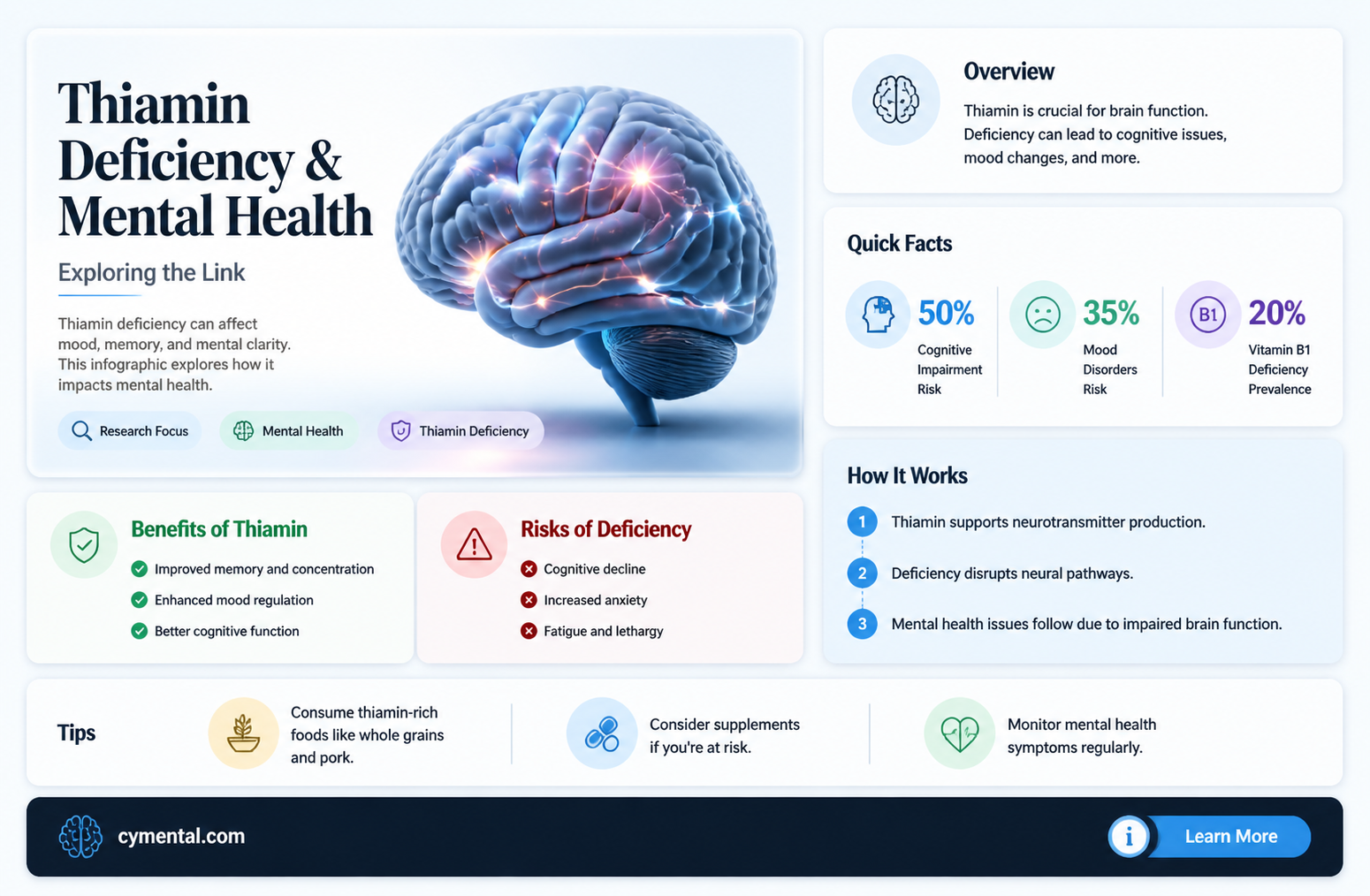
Thiamin, also known as vitamin B1, plays a crucial role in maintaining optimal mental health. A lack of thiamin can lead to a range of mental health issues, including depression, anxiety, and cognitive impairment. Thiamin is essential for the production of neurotransmitters such as serotonin and dopamine, which regulate mood and emotional responses. Additionally, thiamin is involved in the synthesis of acetylcholine, a neurotransmitter that plays a key role in memory and cognitive function. A deficiency in thiamin can disrupt these processes, leading to mental health problems. Furthermore, thiamin is important for the regulation of glucose metabolism, and a lack of thiamin can lead to hypoglycemia, which can exacerbate mental health issues. Therefore, it is essential to maintain adequate levels of thiamin through a balanced diet and supplementation if necessary to support mental health and well-being.
| Characteristics | Values |
|---|---|
| Nutrient | Thiamin (Vitamin B1) |
| Function | Essential for glucose metabolism and neurological functions |
| Mental Health Impact | Can affect mental health by impairing cognitive functions |
| Symptoms of Deficiency | Confusion, irritability, poor memory, and depression |
| Recommended Daily Intake | 1.2 mg for men, 1.1 mg for women |
| Food Sources | Whole grains, legumes, nuts, seeds, and pork |
| Risk Factors | Poor diet, alcoholism, and certain medical conditions |
| Diagnosis | Blood tests to measure thiamin levels |
| Treatment | Thiamin supplementation and dietary changes |
| Prevention | Maintaining a balanced diet and avoiding excessive alcohol consumption |
| Complications | Wernicke's encephalopathy, Korsakoff syndrome, and beriberi |
| Population Affected | Elderly individuals, people with eating disorders, and those with substance abuse issues |
| Research Findings | Studies have shown a link between thiamin deficiency and depression, anxiety, and cognitive decline |
| Mechanism of Action | Thiamin plays a role in the synthesis of neurotransmitters such as serotonin and dopamine |
| Public Health Implications | Thiamin deficiency can contribute to mental health issues in vulnerable populations |
| Policy Recommendations | Increasing awareness about the importance of thiamin and promoting healthy dietary habits |
Explore related products


What You'll Learn
- Thiamin Deficiency and Depression: Exploring the link between low thiamin levels and depressive symptoms
- Anxiety Disorders: Investigating how thiamin deficiency might contribute to anxiety and related mental health issues
- Psychosis: Examining the potential role of thiamin in preventing or managing psychotic episodes
- Cognitive Function: Discussing the impact of thiamin on memory, learning, and overall cognitive performance
- Neurotransmitter Regulation: Understanding how thiamin influences neurotransmitters like serotonin and dopamine, affecting mental health

Thiamin Deficiency and Depression: Exploring the link between low thiamin levels and depressive symptoms
Thiamin, also known as vitamin B1, plays a crucial role in glucose metabolism and is essential for nerve, muscle, and heart function. Recent studies have suggested a potential link between thiamin deficiency and depression, indicating that low levels of this vitamin may contribute to the development of depressive symptoms. This connection is thought to be due to thiamin's role in the synthesis of neurotransmitters such as serotonin and dopamine, which are known to influence mood regulation.
Research has shown that individuals with depression often have lower levels of thiamin in their blood compared to those without the condition. Furthermore, some studies have found that thiamin supplementation can improve mood and reduce symptoms of depression, particularly in cases where thiamin deficiency is present. However, it is important to note that the relationship between thiamin and depression is complex and not fully understood. While thiamin deficiency may contribute to depressive symptoms, it is unlikely to be the sole cause of depression in most cases.
In addition to its potential impact on mood, thiamin deficiency can lead to a range of other health problems, including beriberi, a condition characterized by symptoms such as fatigue, weakness, and nerve damage. Wernicke's encephalopathy, a severe form of beriberi, can result in confusion, memory loss, and even coma if left untreated. Given the serious consequences of thiamin deficiency, it is essential to maintain adequate levels of this vitamin through a balanced diet or supplementation when necessary.
Foods rich in thiamin include whole grains, legumes, nuts, and seeds. Animal products such as meat, fish, and poultry also contain thiamin, although in smaller amounts. Thiamin supplements are available in various forms, including tablets, capsules, and injections. The recommended daily intake of thiamin varies depending on age, sex, and other factors, but generally ranges from 1.2 to 1.4 milligrams per day for adults.
In conclusion, while the link between thiamin deficiency and depression is still being explored, it is clear that maintaining adequate levels of this essential vitamin is important for overall health and well-being. If you suspect you may have a thiamin deficiency or are experiencing symptoms of depression, it is advisable to consult with a healthcare professional for proper diagnosis and treatment.
Mental Health Disparities: The Impact on Racial and Sexual Minorities
You may want to see also
Explore related products


Anxiety Disorders: Investigating how thiamin deficiency might contribute to anxiety and related mental health issues
Thiamin, also known as vitamin B1, plays a crucial role in maintaining mental health. Research suggests that a deficiency in this essential nutrient may contribute to the development of anxiety disorders and other related mental health issues. This connection is rooted in thiamin's function as a coenzyme involved in the synthesis of neurotransmitters such as serotonin and dopamine, which are key regulators of mood and emotional responses.
Studies have shown that individuals with anxiety disorders often have lower levels of thiamin in their blood compared to those without such disorders. This deficiency can lead to impaired cognitive function, heightened stress responses, and an increased risk of developing anxiety-related conditions. Furthermore, thiamin is vital for the proper functioning of the hypothalamic-pituitary-adrenal (HPA) axis, which is responsible for regulating the body's stress response. Dysregulation of the HPA axis is commonly observed in individuals with anxiety disorders, suggesting that thiamin deficiency may exacerbate this imbalance.
In addition to its role in neurotransmitter synthesis and HPA axis regulation, thiamin is also involved in the production of gamma-aminobutyric acid (GABA), an inhibitory neurotransmitter that helps to calm the nervous system. A lack of thiamin can result in decreased GABA levels, leading to increased neuronal excitability and a heightened state of anxiety. This multifaceted involvement of thiamin in mental health underscores the importance of maintaining adequate levels of this nutrient to prevent and manage anxiety disorders.
To mitigate the risk of anxiety disorders associated with thiamin deficiency, it is essential to consume a balanced diet rich in thiamin sources such as whole grains, legumes, nuts, and seeds. In some cases, supplementation may be necessary to ensure optimal thiamin levels, particularly for individuals with malabsorption issues or those following restrictive diets. By addressing thiamin deficiency, it may be possible to alleviate symptoms of anxiety and improve overall mental well-being.
The Pandemic's Impact: Mental Health Amidst COVID-19
You may want to see also
Explore related products

![Mental Deficiency (amentia) [microform]](https://m.media-amazon.com/images/I/614Q9F8G0-L._AC_UY218_.jpg)


Psychosis: Examining the potential role of thiamin in preventing or managing psychotic episodes
Thiamin, also known as vitamin B1, plays a crucial role in maintaining neurological health. Recent studies have suggested a potential link between thiamin deficiency and the development or exacerbation of psychotic episodes. Psychosis, characterized by a disconnection from reality, can manifest as hallucinations, delusions, and disorganized thinking. Given the severe impact of psychosis on individuals and their communities, exploring the role of thiamin in its prevention and management is of significant interest.
Research indicates that thiamin deficiency can lead to impairments in cognitive function, memory, and emotional regulation, all of which are critical factors in the manifestation of psychotic symptoms. Furthermore, thiamin is essential for the proper functioning of neurotransmitters such as glutamate and GABA, which are known to be involved in the pathophysiology of psychosis. Supplementation with thiamin has been shown to improve cognitive function and reduce the severity of psychotic symptoms in some studies.
However, it is important to note that the relationship between thiamin deficiency and psychosis is complex and not fully understood. While some studies have found a correlation, others have not, and more research is needed to establish a definitive causal link. Additionally, thiamin supplementation should not be considered a replacement for conventional antipsychotic treatments but rather as a potential adjunctive therapy.
In terms of practical application, ensuring adequate thiamin intake through a balanced diet or supplementation may be beneficial for individuals at risk of psychosis or those experiencing psychotic symptoms. Foods rich in thiamin include whole grains, legumes, nuts, and seeds. Thiamin supplements are generally safe and well-tolerated, but it is advisable to consult with a healthcare professional before starting any new supplement regimen.
In conclusion, while the role of thiamin in preventing or managing psychotic episodes is still under investigation, the available evidence suggests that maintaining optimal thiamin levels may be a valuable strategy for supporting mental health and potentially reducing the risk or severity of psychosis. Further research is needed to fully elucidate the mechanisms underlying this relationship and to determine the most effective approaches to thiamin supplementation in the context of psychosis.
Festive Blues: Unwrapping the Impact of Holidays on Mental Health
You may want to see also
Explore related products


Cognitive Function: Discussing the impact of thiamin on memory, learning, and overall cognitive performance
Thiamin, also known as vitamin B1, plays a crucial role in maintaining cognitive function. It is essential for the production of neurotransmitters such as acetylcholine, which is vital for memory and learning. Studies have shown that a deficiency in thiamin can lead to impairments in cognitive performance, including difficulties with concentration, memory loss, and a decreased ability to learn new information.
One of the key mechanisms by which thiamin affects cognitive function is through its role in glucose metabolism. Thiamin is a cofactor for enzymes involved in the breakdown of glucose, and a deficiency can lead to a reduction in the production of ATP, the energy currency of the brain. This can result in fatigue, lethargy, and a general decline in mental performance.
In addition to its effects on energy production, thiamin also has a direct impact on the structure and function of the brain. It is involved in the synthesis of myelin, the fatty substance that insulates nerve fibers and facilitates the transmission of nerve impulses. A lack of thiamin can lead to demyelination, which can impair communication between different parts of the brain and contribute to cognitive decline.
Furthermore, thiamin has been shown to have antioxidant properties, which can help protect the brain from damage caused by free radicals. This is particularly important in the context of aging, as oxidative stress is thought to play a significant role in the development of age-related cognitive decline.
In conclusion, thiamin is essential for maintaining optimal cognitive function. A deficiency in this vitamin can lead to a range of cognitive impairments, including memory loss, difficulties with concentration, and a decreased ability to learn new information. Ensuring adequate intake of thiamin through diet or supplementation is therefore crucial for supporting mental health and cognitive performance.
The Impact of Obesity on Mental Health: A Comprehensive Overview
You may want to see also
Explore related products



Neurotransmitter Regulation: Understanding how thiamin influences neurotransmitters like serotonin and dopamine, affecting mental health
Thiamin, also known as vitamin B1, plays a crucial role in the regulation of neurotransmitters, which are chemical messengers in the brain. Neurotransmitters like serotonin and dopamine are essential for maintaining mental health, and imbalances in these chemicals can lead to various psychiatric disorders. Thiamin is involved in the synthesis and breakdown of these neurotransmitters, ensuring that they function properly.
Serotonin is a neurotransmitter that helps regulate mood, appetite, and sleep. Low levels of serotonin have been linked to depression, anxiety, and other mood disorders. Thiamin is necessary for the production of serotonin, as it helps convert the amino acid tryptophan into serotonin. Additionally, thiamin is involved in the breakdown of serotonin, preventing excessive accumulation that could lead to serotonin syndrome.
Dopamine is another important neurotransmitter that plays a role in reward, motivation, and movement. Imbalances in dopamine levels have been associated with conditions like Parkinson's disease, schizophrenia, and attention deficit hyperactivity disorder (ADHD). Thiamin is involved in the synthesis of dopamine, helping to convert the amino acid tyrosine into dopamine. It also plays a role in the breakdown of dopamine, preventing excessive levels that could lead to psychosis.
A lack of thiamin can disrupt the delicate balance of neurotransmitters in the brain, potentially leading to mental health issues. Thiamin deficiency, also known as beriberi, can cause symptoms like confusion, irritability, and depression. In severe cases, it can lead to Wernicke's encephalopathy, a life-threatening condition characterized by confusion, memory loss, and difficulty walking.
To maintain optimal mental health, it is essential to ensure adequate thiamin intake through a balanced diet. Foods rich in thiamin include whole grains, legumes, nuts, and seeds. In some cases, thiamin supplements may be necessary, especially for individuals with certain medical conditions or those who are at risk of deficiency. However, it is important to consult with a healthcare professional before starting any supplement regimen.
In conclusion, thiamin plays a vital role in neurotransmitter regulation, influencing the function of serotonin and dopamine, which are crucial for mental health. A lack of thiamin can lead to imbalances in these neurotransmitters, potentially resulting in various psychiatric disorders. Therefore, it is essential to maintain adequate thiamin levels through a healthy diet and, if necessary, supplementation.
The Emotional Toll: How Breakups Can Impact Your Mental Health
You may want to see also
Frequently asked questions
Yes, a lack of thiamin can significantly affect mental health. Thiamin, also known as vitamin B1, plays a crucial role in glucose metabolism and is essential for nerve, muscle, and heart function. Deficiency in thiamin can lead to various neurological and psychiatric symptoms.
Symptoms of thiamin deficiency related to mental health can include confusion, irritability, depression, anxiety, and memory loss. In severe cases, it can lead to Wernicke's encephalopathy, a condition characterized by acute mental deterioration.
Thiamin deficiency impacts brain function by disrupting the production of neurotransmitters such as serotonin and dopamine, which are vital for regulating mood and cognitive function. Additionally, it can lead to oxidative stress and inflammation in the brain, further impairing mental health.
Common causes of thiamin deficiency include poor diet, chronic alcohol consumption, gastrointestinal disorders that impair nutrient absorption, and certain medications that interfere with thiamin metabolism.
Thiamin deficiency can be treated with thiamin supplements or injections, depending on the severity of the deficiency. Prevention involves maintaining a balanced diet rich in thiamin sources such as whole grains, legumes, nuts, and seeds, as well as addressing underlying conditions that may contribute to the deficiency.