Noah Parker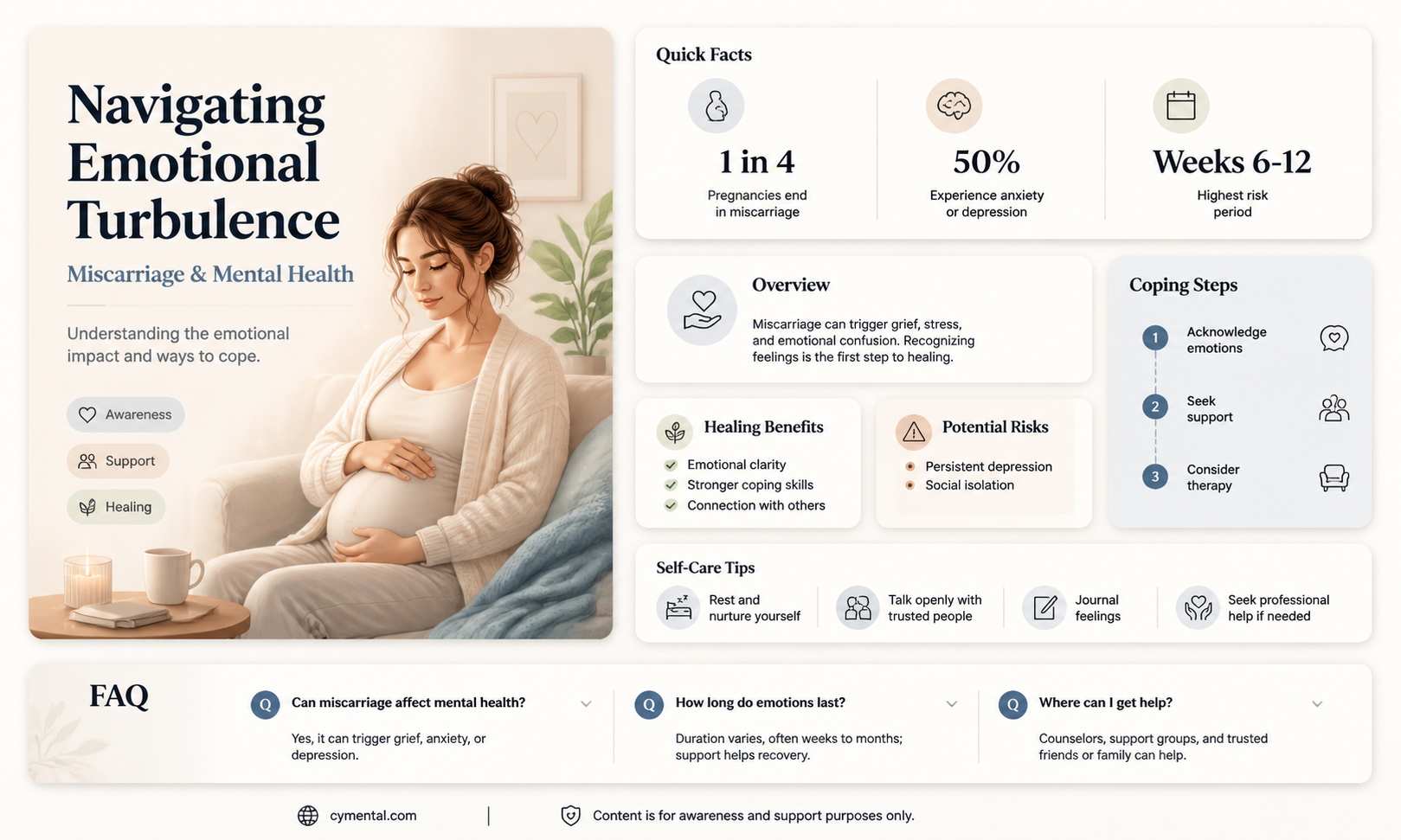
Miscarriage is a deeply personal and often traumatic experience that can have profound effects on an individual's mental health. The loss of a pregnancy, regardless of its stage, can trigger a range of emotions including grief, sadness, guilt, and anxiety. These feelings can be intense and may persist for months or even years after the miscarriage. The emotional impact can also affect relationships, work, and daily life. It's important to recognize that the mental health effects of miscarriage are real and valid, and seeking support and professional help can be crucial in the healing process.
| Characteristics | Values |
|---|---|
| Definition | Miscarriage is the spontaneous loss of a pregnancy before the 20th week. It can lead to a range of emotional responses and mental health effects. |
| Emotional Impact | Grief, sadness, anxiety, depression, guilt, shame, and anger are common emotions experienced after a miscarriage. |
| Psychological Effects | Some individuals may experience post-traumatic stress disorder (PTSD), obsessive-compulsive disorder (OCD), or other anxiety disorders following a miscarriage. |
| Hormonal Changes | Hormonal fluctuations during and after a miscarriage can contribute to mood swings and emotional instability. |
| Support Systems | Having a strong support system, including family, friends, and healthcare providers, can help mitigate the negative mental health effects of a miscarriage. |
| Coping Mechanisms | Healthy coping mechanisms, such as talking about feelings, seeking professional help, and engaging in self-care activities, can aid in recovery. |
| Risk Factors | Previous mental health conditions, lack of social support, and certain personality traits may increase the risk of developing mental health issues after a miscarriage. |
| Treatment Options | Therapy, medication, and support groups are available treatment options for those experiencing mental health challenges following a miscarriage. |
| Self-Care | Engaging in activities such as exercise, meditation, and hobbies can help improve mental well-being after a miscarriage. |
| Partner's Role | Partners can also experience emotional distress and may benefit from support and counseling to cope with the loss. |
| Cultural Factors | Cultural attitudes towards miscarriage can influence an individual's emotional response and mental health outcomes. |
| Medical Complications | In some cases, a miscarriage can lead to medical complications that may require treatment and contribute to mental health concerns. |
| Subsequent Pregnancy | Fear of another miscarriage can lead to anxiety and stress in subsequent pregnancies. |
| Memorialization | Creating a memorial or engaging in rituals can help individuals process their grief and find closure. |
| Education and Awareness | Increasing awareness and education about miscarriage can help reduce stigma and improve support for those affected. |
Explore related products


What You'll Learn
- Emotional Trauma: Miscarriage can lead to profound emotional distress, including feelings of loss and grief
- Anxiety and Depression: The experience may trigger or exacerbate anxiety and depressive disorders in some individuals
- PTSD: Post-traumatic stress disorder can develop following a miscarriage, impacting mental well-being
- Social Isolation: Feelings of isolation may arise due to perceived stigma or lack of support from others
- Coping Mechanisms: Developing healthy coping strategies is crucial for managing the mental health impact of miscarriage

Emotional Trauma: Miscarriage can lead to profound emotional distress, including feelings of loss and grief
Miscarriage is not only a physical loss but also an emotional one, often leading to profound distress. The emotional trauma associated with miscarriage can manifest in various ways, including intense feelings of loss and grief. These emotions can be overwhelming and may affect a person's mental health significantly.
One unique aspect of the emotional trauma from miscarriage is the sense of loss of potential. Parents-to-be often have dreams and plans for their child, and a miscarriage can shatter these aspirations, leading to a deep sense of loss and sadness. This loss of potential can also trigger feelings of guilt and self-blame, as individuals may wonder if there was something they could have done to prevent the miscarriage.
Moreover, the emotional impact of miscarriage can be long-lasting. While the physical symptoms may subside relatively quickly, the emotional scars can persist for months or even years. This prolonged grief can interfere with daily life, relationships, and future pregnancies, making it essential to address and process these emotions.
In addition to feelings of loss and grief, miscarriage can also lead to anxiety and depression. The uncertainty and fear of experiencing another miscarriage can be debilitating, causing individuals to become anxious about their reproductive health and future pregnancies. Depression may also set in as a result of the loss and the subsequent emotional turmoil.
It is crucial for individuals who have experienced a miscarriage to seek support and acknowledge their emotions. Talking to friends, family, or a mental health professional can help in processing the grief and finding ways to cope with the emotional trauma. Self-care practices, such as exercise, meditation, and journaling, can also be beneficial in managing the emotional distress associated with miscarriage.
In conclusion, the emotional trauma of miscarriage is a significant aspect of the experience that should not be overlooked. By understanding and addressing these emotions, individuals can begin to heal and move forward, even as they continue to navigate the complexities of their mental health.
Nature's Embrace: Unveiling the Mental Health Benefits of the Great Outdoors
You may want to see also
Explore related products


Anxiety and Depression: The experience may trigger or exacerbate anxiety and depressive disorders in some individuals
The experience of a miscarriage can significantly impact an individual's mental health, particularly by triggering or exacerbating anxiety and depressive disorders. This is a critical aspect to consider, as the emotional toll of a miscarriage can be profound and long-lasting. Research indicates that women who have experienced a miscarriage are at a higher risk of developing anxiety and depression compared to those who have not. The sudden loss and the associated grief can lead to a range of emotional responses, including feelings of guilt, shame, and helplessness, which can contribute to the development of these mental health conditions.
Moreover, the physical symptoms of anxiety and depression can be particularly challenging for individuals who have experienced a miscarriage. These symptoms may include persistent feelings of sadness, loss of interest in activities, changes in appetite and sleep patterns, and physical manifestations such as headaches and stomachaches. The overlap of these symptoms with the physical recovery process following a miscarriage can complicate the individual's overall well-being and make it more difficult to seek help and support.
It is essential to recognize that the experience of a miscarriage is unique to each individual, and the impact on mental health can vary widely. Some individuals may find that their anxiety and depression symptoms improve over time, while others may experience a more chronic and debilitating impact. Factors such as the individual's pre-existing mental health status, the level of support available, and the coping mechanisms employed can all influence the trajectory of mental health following a miscarriage.
In terms of treatment and support, it is crucial to address both the emotional and physical aspects of anxiety and depression in the context of a miscarriage. This may involve a combination of psychotherapy, medication, and self-care strategies. Cognitive-behavioral therapy (CBT) has been shown to be effective in helping individuals manage the emotional aftermath of a miscarriage, while antidepressant medications may be necessary for those experiencing severe depressive symptoms. Additionally, encouraging self-care practices such as regular exercise, healthy eating, and social support can play a vital role in promoting mental health and well-being.
Ultimately, it is important to acknowledge the complex interplay between the experience of a miscarriage and the development of anxiety and depressive disorders. By understanding this relationship and providing appropriate support and treatment, healthcare professionals can help individuals navigate the emotional challenges associated with miscarriage and improve their overall mental health outcomes.
The Impact of Cyberbullying on Mental Health: A Growing Concern
You may want to see also
Explore related products

$19.95 $20.95


PTSD: Post-traumatic stress disorder can develop following a miscarriage, impacting mental well-being
Post-traumatic stress disorder (PTSD) is a serious mental health condition that can develop following a miscarriage. This disorder is characterized by intrusive memories, flashbacks, and nightmares related to the traumatic event. Individuals may also experience avoidance behaviors, such as steering clear of places or activities that remind them of the miscarriage, and heightened arousal, including difficulty sleeping and concentrating.
The development of PTSD after a miscarriage is not uncommon. Research suggests that up to 30% of individuals who experience a miscarriage may develop PTSD symptoms. This condition can significantly impact a person's mental well-being, affecting their ability to function in daily life and maintain relationships.
One of the challenges in diagnosing PTSD following a miscarriage is that the symptoms can be similar to those of grief. However, PTSD is a distinct condition that requires specific treatment. Cognitive-behavioral therapy (CBT) and eye movement desensitization and reprocessing (EMDR) are two effective therapies for treating PTSD. Medications, such as selective serotonin reuptake inhibitors (SSRIs), may also be prescribed to help manage symptoms.
It is essential for healthcare providers to screen individuals who have experienced a miscarriage for PTSD symptoms. Early diagnosis and treatment can significantly improve outcomes and help individuals regain control of their lives. Support groups and online resources are also available to provide additional help and guidance for those struggling with PTSD after a miscarriage.
In conclusion, PTSD is a serious mental health condition that can develop following a miscarriage. It is crucial to recognize the symptoms and seek appropriate treatment to address this condition and improve mental well-being.
The Silent Struggle: Isolation's Impact on Mental Health
You may want to see also
Explore related products


$19.04 $24.99


Social Isolation: Feelings of isolation may arise due to perceived stigma or lack of support from others
Feelings of isolation can be a profound and debilitating consequence of a miscarriage. The perceived stigma surrounding pregnancy loss can lead individuals to feel as though they are alone in their grief, creating a sense of emotional distance from friends, family, and even healthcare providers. This isolation can be further exacerbated by a lack of support from others, who may not fully understand the depth of the emotional impact or may be unsure of how to offer comfort.
One of the key factors contributing to social isolation after a miscarriage is the societal tendency to minimize or dismiss the significance of pregnancy loss. Comments such as "it was just a miscarriage" or "you can always try again" can be hurtful and invalidating, leading individuals to feel as though their feelings are not being taken seriously. This can create a sense of shame or embarrassment, causing people to withdraw from social interactions and support networks.
Moreover, the physical symptoms of a miscarriage, such as bleeding and cramping, can also contribute to feelings of isolation. These symptoms can be distressing and may require time off work or other activities, leading to a sense of disconnection from daily routines and social circles. Additionally, the medical management of a miscarriage, which may involve procedures such as dilation and curettage (D&C), can be emotionally taxing and may further reinforce feelings of isolation.
It is essential to recognize that social isolation after a miscarriage is a real and significant issue that can have a profound impact on mental health. Healthcare providers, friends, and family members can play a crucial role in mitigating these feelings by offering empathy, support, and validation. Creating safe spaces for individuals to share their experiences and emotions can help to break down the stigma surrounding pregnancy loss and foster a sense of community and connection.
In conclusion, social isolation is a complex and multifaceted issue that can arise due to the perceived stigma and lack of support following a miscarriage. By acknowledging the emotional impact of pregnancy loss and providing compassionate care and support, we can help to alleviate feelings of isolation and promote healing and recovery.
The Impact of Social Media on Teen Mental Health
You may want to see also
Explore related products




Coping Mechanisms: Developing healthy coping strategies is crucial for managing the mental health impact of miscarriage
Developing healthy coping strategies is crucial for managing the mental health impact of miscarriage. One effective approach is to engage in mindfulness practices, which can help individuals stay present and manage overwhelming emotions. Mindfulness meditation, deep breathing exercises, and yoga are all techniques that can be beneficial in reducing stress and anxiety. Additionally, seeking support from friends, family, or a therapist can provide a safe space to process feelings and develop coping mechanisms. It is important to remember that everyone's experience is unique, and what works for one person may not work for another. Therefore, it is essential to explore different coping strategies and find what works best for the individual.
Another important aspect of coping with miscarriage is to allow oneself to grieve and acknowledge the loss. This can involve creating a memorial or participating in a ritual to honor the baby. It is also important to take care of one's physical health, as this can have a significant impact on mental well-being. Eating a balanced diet, getting regular exercise, and ensuring adequate sleep can all help to improve mood and reduce stress. Furthermore, it is crucial to avoid self-blame and to recognize that miscarriage is not a reflection of one's worth or abilities as a parent.
In addition to these strategies, it can be helpful to connect with others who have experienced miscarriage. This can provide a sense of community and validation, as well as an opportunity to share experiences and learn from others. There are many online support groups and forums that can be a valuable resource for those coping with miscarriage. It is also important to be patient with oneself and to recognize that healing is a process that takes time.
Finally, it is essential to seek professional help if needed. A mental health professional can provide guidance and support in developing coping strategies and managing the emotional impact of miscarriage. They can also help to identify any underlying mental health conditions that may be contributing to the individual's distress. Remember, seeking help is a sign of strength, and it is important to prioritize one's mental health during this difficult time.
Unveiling the Impact: Smoking and Mental Health Connection
You may want to see also
Frequently asked questions
Yes, a miscarriage can have a profound effect on a person's mental health. The loss of a pregnancy can lead to a range of emotions, including grief, sadness, anxiety, and depression. These feelings can be intense and may persist for some time, affecting overall well-being and daily functioning.
Common mental health symptoms following a miscarriage include feelings of sadness or grief, anxiety about future pregnancies, guilt or self-blame, difficulty concentrating, changes in appetite or sleep patterns, and withdrawal from social activities. It's important to note that everyone's experience is unique, and some individuals may not exhibit any symptoms at all.
Seeking support after a miscarriage is crucial for mental health recovery. Individuals can reach out to their healthcare provider for guidance and referrals to mental health professionals. Support groups, both in-person and online, can also be beneficial, as they provide a space to connect with others who have experienced similar losses. Additionally, talking to friends and family, practicing self-care, and engaging in activities that promote relaxation and stress reduction can help alleviate symptoms and improve overall well-being.