Ava Ramirez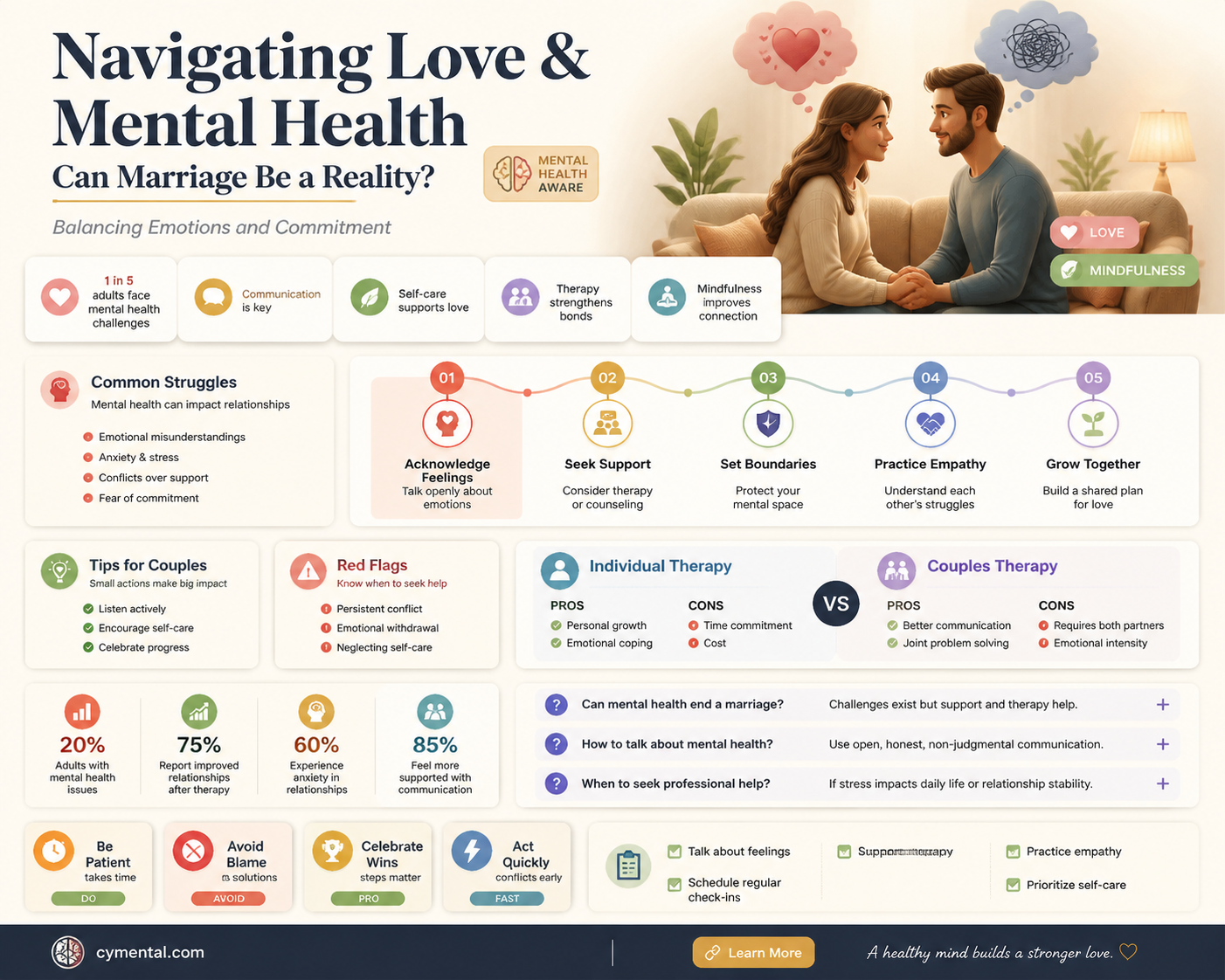
Marriage is a significant life decision that can bring joy, companionship, and mutual support. However, when one or both partners have a mental illness, it can introduce unique challenges and considerations. It's essential to approach this topic with sensitivity, understanding that mental illness does not inherently disqualify someone from marriage. Many individuals with mental health conditions lead fulfilling married lives. The key is to ensure that both partners are aware of the potential challenges, communicate openly, and support each other's well-being. With the right resources, support system, and commitment, marriage can be a positive and enriching experience for people with mental illness.
| Characteristics | Values |
|---|---|
| Legal Capacity | Individuals with mental illness may have varying levels of legal capacity to marry, depending on their specific circumstances and the laws of their jurisdiction. Some may require guardianship or other legal arrangements to ensure their rights are protected. |
| Informed Consent | It is crucial that individuals with mental illness are able to provide informed consent to marriage, understanding the nature and implications of the commitment they are making. This may involve additional support or accommodations to ensure they fully comprehend the decision. |
| Stability of Relationship | The stability of the relationship can be an important factor in determining whether marriage is a viable option for individuals with mental illness. A supportive and understanding partner can be instrumental in helping to manage symptoms and maintain overall well-being. |
| Impact on Symptoms | Marriage can have both positive and negative impacts on mental health symptoms. For some, the structure and support of a marital relationship may help to alleviate symptoms, while for others, the stress and responsibilities of marriage may exacerbate their condition. |
| Access to Healthcare | Access to quality mental healthcare is essential for individuals with mental illness who are considering marriage. This includes access to therapy, medication, and other support services that can help them manage their symptoms and maintain their overall health. |
| Financial Stability | Financial stability can be an important consideration for individuals with mental illness who are thinking about getting married. This includes having a stable income, access to benefits, and a plan for managing household finances. |
| Social Support | A strong social support network can be beneficial for individuals with mental illness who are married or considering marriage. This includes friends, family, and community resources that can provide emotional support and practical assistance. |
| Stigma and Discrimination | Individuals with mental illness may face stigma and discrimination when it comes to marriage, both from within their own community and from society at large. This can create additional challenges and barriers to forming and maintaining a healthy marital relationship. |
| Personal Autonomy | Respect for personal autonomy is crucial when it comes to individuals with mental illness and marriage. This includes recognizing their right to make their own decisions about their lives and relationships, while also providing appropriate support and accommodations as needed. |
| Cultural and Religious Factors | Cultural and religious factors can play a significant role in shaping attitudes and beliefs about marriage and mental illness. It is important to consider these factors when supporting individuals with mental illness who are thinking about getting married. |
| Legal Protections | Legal protections are in place in many jurisdictions to ensure that individuals with mental illness are not exploited or mistreated in the context of marriage. These protections may include laws related to guardianship, domestic violence, and financial exploitation. |
| Therapeutic Interventions | Therapeutic interventions can be helpful for individuals with mental illness who are considering marriage or who are already married. These interventions may include couples therapy, individual therapy, and psychoeducation about mental health and relationships. |
Explore related products


What You'll Learn
- Legal considerations: Understanding the laws and regulations surrounding marriage for individuals with mental illness
- Emotional well-being: Assessing the emotional stability and readiness of the person with mental illness for marriage
- Support systems: Evaluating the availability and effectiveness of support networks for the individual in a marital relationship
- Medication and treatment: Considering the impact of medication and ongoing treatment on the person's ability to maintain a marriage
- Communication and consent: Ensuring open communication and informed consent between both parties regarding the mental illness and its potential effects on the marriage

Legal considerations: Understanding the laws and regulations surrounding marriage for individuals with mental illness
Individuals with mental illness may face unique legal considerations when it comes to marriage. One crucial aspect is the capacity to consent, which varies by jurisdiction. In some areas, a person with mental illness may be deemed incapable of entering into a legally binding marriage contract if their illness significantly impairs their judgment or decision-making abilities. This determination is often made through a legal process involving evaluations by mental health professionals.
Another legal consideration is the potential impact of mental illness on marital rights and responsibilities. For instance, if a spouse with mental illness is unable to manage their own affairs, the other spouse may need to seek guardianship or conservatorship to make decisions on their behalf. This can include managing finances, healthcare, and other personal matters. Understanding the laws surrounding guardianship and conservatorship is essential for couples navigating these complex situations.
Prenuptial agreements can also be an important legal tool for couples where one partner has a mental illness. These agreements can outline the division of assets, spousal support, and other financial considerations in the event of a divorce. By addressing these issues proactively, couples can ensure that their marriage is built on a solid legal foundation and that both partners' needs are protected.
It's also worth noting that discrimination against individuals with mental illness in the context of marriage is illegal in many jurisdictions. This means that a person with mental illness cannot be denied the right to marry solely based on their condition. However, the specific protections and accommodations available may vary depending on the laws of the region.
In conclusion, navigating the legal aspects of marriage when one partner has a mental illness requires careful consideration and understanding of the relevant laws and regulations. By seeking legal advice and planning ahead, couples can ensure that their marriage is legally sound and that both partners' rights and needs are protected.
Understanding Mental Health Days for Illinois Students: A Guide
You may want to see also
Emotional well-being: Assessing the emotional stability and readiness of the person with mental illness for marriage
Assessing emotional well-being is crucial when considering the readiness of an individual with mental illness for marriage. Emotional stability forms the foundation of a healthy relationship, and it's essential to evaluate whether the person in question has achieved a level of emotional equilibrium that would support a marital partnership. This assessment should involve a thorough examination of the individual's emotional responses, coping mechanisms, and overall psychological resilience.
One approach to evaluating emotional well-being is through the lens of emotional intelligence. This involves assessing the person's ability to recognize and understand their own emotions, as well as their capacity to empathize with and respond appropriately to the emotions of others. Individuals with high emotional intelligence are generally better equipped to navigate the complexities of relationships and are more likely to exhibit the emotional stability necessary for a successful marriage.
Another important factor to consider is the individual's history of relationships and their ability to maintain healthy connections with others. A pattern of unstable or tumultuous relationships may indicate underlying emotional issues that could impact their readiness for marriage. Conversely, a history of stable and supportive relationships can be a positive indicator of emotional well-being and relationship readiness.
It's also essential to consider the impact of the individual's mental illness on their emotional state. Certain mental health conditions, such as depression or anxiety, can significantly affect a person's emotional well-being and their ability to engage in healthy relationships. In such cases, it may be necessary to address these underlying issues through therapy or medication before considering marriage.
Ultimately, assessing emotional well-being is a complex and multifaceted process that requires careful consideration of various factors. By evaluating emotional stability, emotional intelligence, relationship history, and the impact of mental illness, it's possible to gain a comprehensive understanding of an individual's readiness for marriage. This assessment can help ensure that both partners are emotionally prepared to embark on the journey of marriage and build a strong, supportive relationship.
Navigating Mental Health in the Workplace: Understanding Your Rights
You may want to see also
Support systems: Evaluating the availability and effectiveness of support networks for the individual in a marital relationship
Evaluating the availability and effectiveness of support networks is crucial when considering the marriage of an individual with mental illness. A robust support system can significantly impact the success and stability of the relationship. This evaluation should begin with an assessment of the individual's current support structures, including family, friends, and mental health professionals. It's essential to consider the quality and consistency of these relationships, as well as their ability to provide emotional, practical, and financial support.
In addition to personal support networks, community resources and support groups can play a vital role. These may include local mental health organizations, support groups for specific conditions, or online communities. The effectiveness of these resources should be evaluated based on their accessibility, relevance to the individual's needs, and the level of engagement they foster. It's also important to consider the potential for these networks to provide respite care, crisis intervention, and long-term support.
The partner's role in the support system should not be overlooked. Their ability to provide emotional support, understanding, and patience is crucial. Couples therapy can be an effective way to strengthen this support, by improving communication, setting realistic expectations, and developing strategies for managing challenges together. The therapist can also help the couple identify additional resources and support networks that may be beneficial.
When evaluating support systems, it's important to consider the individual's specific needs and preferences. Some may thrive with a large, active support network, while others may prefer a smaller, more intimate circle. The evaluation should also take into account the individual's level of independence and their ability to advocate for their own needs within the relationship.
In conclusion, a comprehensive evaluation of support systems is essential when considering marriage for an individual with mental illness. This evaluation should include an assessment of personal relationships, community resources, and the partner's role in providing support. By understanding the strengths and weaknesses of these networks, couples can better prepare for the challenges and opportunities that lie ahead.
Exploring Options for Accessible and Free Mental Health Support
You may want to see also
Medication and treatment: Considering the impact of medication and ongoing treatment on the person's ability to maintain a marriage
Medication and treatment play a crucial role in managing mental health conditions, but they can also have significant implications for a person's ability to maintain a marriage. The impact of medication on relationships is multifaceted and can vary widely depending on the individual, the type of medication, and the specific circumstances of the marriage.
One important consideration is the potential side effects of medication, which can sometimes interfere with communication, intimacy, and other essential aspects of a healthy marriage. For example, certain antidepressants may reduce libido or cause emotional blunting, while antipsychotics can sometimes lead to weight gain or sedation. These side effects can create tension and strain in a relationship, potentially leading to misunderstandings, resentment, or even infidelity.
Another factor to consider is the impact of ongoing treatment on a person's sense of self and identity. Mental health treatment often involves a process of self-discovery and personal growth, which can be both rewarding and challenging. As individuals learn to manage their symptoms and develop new coping strategies, they may experience changes in their personality, values, or goals. These changes can be difficult for a spouse or partner to navigate, particularly if they occur suddenly or unexpectedly.
Furthermore, the stigma surrounding mental illness and treatment can also affect a person's ability to maintain a marriage. Despite growing awareness and acceptance, mental health conditions are still often misunderstood or stigmatized, which can lead to feelings of shame, guilt, or isolation. These feelings can create a barrier to open and honest communication within a relationship, potentially leading to conflict or emotional distance.
To mitigate these challenges, it is essential for individuals with mental health conditions to be proactive in managing their treatment and communicating with their partners. This may involve discussing medication side effects with a healthcare provider, seeking couples therapy, or joining support groups for people with mental illness and their partners. By taking these steps, individuals can work to minimize the negative impact of medication and treatment on their marriages and build stronger, more resilient relationships.
In conclusion, while medication and treatment are critical components of managing mental health conditions, they can also have significant implications for a person's ability to maintain a marriage. By being aware of these potential challenges and taking proactive steps to address them, individuals can work to build and maintain healthy, fulfilling relationships despite the complexities of mental illness.
Navigating SSDI for Mental Health: A Comprehensive Guide
You may want to see also
Communication and consent: Ensuring open communication and informed consent between both parties regarding the mental illness and its potential effects on the marriage
Effective communication is the cornerstone of any successful marriage, and it becomes even more crucial when one or both partners have a mental illness. Ensuring that both parties are open and honest about their conditions, treatments, and any potential challenges that may arise is essential for building a strong foundation of trust and understanding. This involves not only discussing the mental illness itself but also its possible impacts on daily life, responsibilities, and future plans.
Informed consent is equally important in this context. Both partners should have a clear understanding of the other's mental health status and how it might affect their relationship. This includes being aware of any medications, therapy sessions, or other treatments that are being pursued, as well as any potential side effects or risks associated with these treatments. By obtaining informed consent, both partners can make decisions together about how to best support each other and manage any issues that may arise due to the mental illness.
One practical way to facilitate open communication and informed consent is through premarital counseling. A mental health professional can help the couple navigate discussions about their mental health, set realistic expectations, and develop strategies for coping with any challenges that may come up. This can also be an opportunity for the couple to learn more about each other's conditions and how they can best support one another.
Another important aspect of communication and consent is the ongoing dialogue that should take place throughout the marriage. As circumstances change and new challenges emerge, it's essential for both partners to continue to be open and honest with each other. This might involve regular check-ins to discuss any changes in symptoms, adjustments to treatment plans, or any other issues that are impacting the relationship.
Ultimately, the key to ensuring open communication and informed consent in a marriage where one or both partners have a mental illness is to approach the topic with empathy, understanding, and a willingness to work together. By prioritizing these aspects of the relationship, couples can build a strong foundation of trust and support that will help them navigate any challenges that may arise.
Overcoming Mental ED: Strategies for a Healthier Mindset
You may want to see also