Noah Parker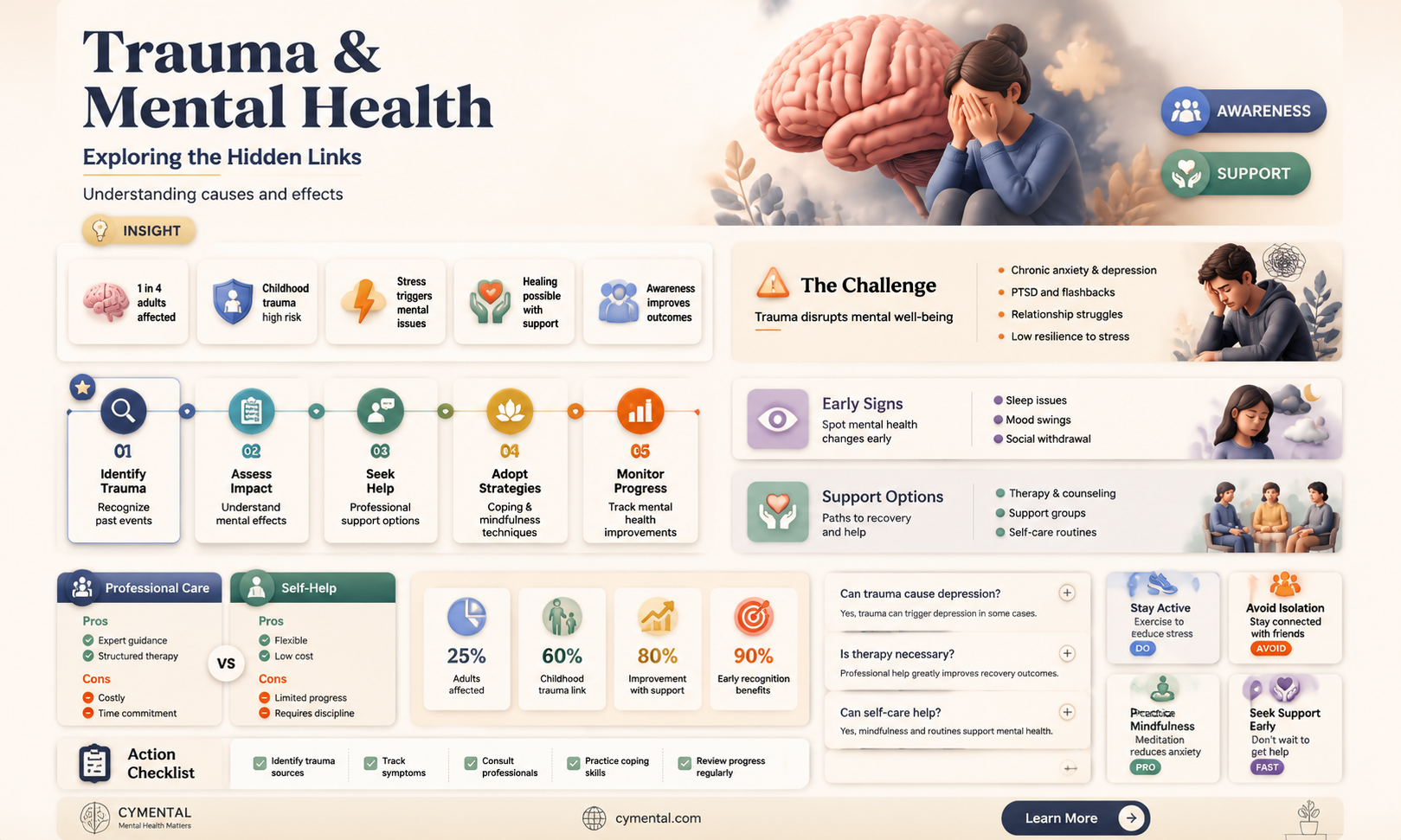
Traumatic events can have a profound impact on an individual's mental health, potentially leading to the development of mental illnesses. Trauma, whether experienced in childhood or adulthood, can disrupt normal brain development and functioning, increasing the risk for conditions such as post-traumatic stress disorder (PTSD), depression, anxiety, and substance abuse disorders. The severity and duration of the trauma, as well as the individual's genetic predisposition and support system, can influence the likelihood of developing a mental illness. Understanding the complex relationship between trauma and mental health is crucial for developing effective prevention and treatment strategies.
| Characteristics | Values |
|---|---|
| Definition | A traumatic event is an experience that causes severe emotional distress and has the potential to lead to long-lasting psychological effects. |
| Types of Traumatic Events | Physical abuse, sexual abuse, natural disasters, accidents, combat, witnessing violence, emotional neglect. |
| Immediate Reactions | Shock, denial, fear, anxiety, dissociation, physical symptoms like headaches or nausea. |
| Long-term Effects | Post-Traumatic Stress Disorder (PTSD), depression, anxiety disorders, substance abuse, sleep disturbances, chronic pain. |
| Risk Factors | Previous mental health conditions, lack of social support, childhood trauma, genetic predisposition. |
| Protective Factors | Strong social support, effective coping mechanisms, access to mental health care, resilience. |
| Diagnosis | Mental health professionals use criteria from the Diagnostic and Statistical Manual of Mental Disorders (DSM-5) to diagnose trauma-related disorders. |
| Treatment Options | Cognitive-behavioral therapy (CBT), exposure therapy, eye movement desensitization and reprocessing (EMDR), medication, group therapy. |
| Prevention | Education and awareness, early intervention, community support programs, trauma-informed care. |
| Statistics | Approximately 70% of adults in the U.S. have experienced at least one traumatic event in their lives. |
| Research | Ongoing studies focus on understanding the neurobiological basis of trauma, developing new treatment approaches, and improving prevention strategies. |
| Case Studies | Real-life examples include veterans with PTSD, survivors of natural disasters, and individuals who have experienced childhood abuse. |
| Personal Stories | Many individuals share their personal stories of overcoming trauma through therapy, support groups, and resilience. |
| Cultural Impact | Trauma can have a significant impact on communities, affecting social cohesion, economic stability, and overall well-being. |
| Policy Implications | Policies are being developed to address the mental health needs of trauma survivors, including increased funding for research and treatment. |
Explore related products


$20.49 $36.99

$14.15 $20


What You'll Learn
- Definition of Trauma: Understanding what constitutes a traumatic event and its immediate psychological impact
- Types of Mental Illness: Exploring various mental health conditions that can arise from trauma, such as PTSD, anxiety, and depression
- Mechanism of Trauma: How traumatic experiences affect brain chemistry and structure, potentially leading to long-term mental health issues
- Risk Factors: Identifying individuals who may be more susceptible to developing mental illness after a traumatic event
- Treatment and Prevention: Discussing therapeutic approaches and strategies for preventing the onset of mental illness post-trauma

Definition of Trauma: Understanding what constitutes a traumatic event and its immediate psychological impact
Trauma is a complex and multifaceted concept that encompasses a wide range of experiences and emotional responses. At its core, trauma refers to any event or situation that overwhelms an individual's ability to cope, leading to feelings of intense fear, helplessness, or horror. This can include physical threats, emotional abuse, natural disasters, accidents, or any other experience that profoundly disrupts a person's sense of safety and well-being.
The immediate psychological impact of trauma can be profound and far-reaching. In the aftermath of a traumatic event, individuals may experience a range of symptoms, including anxiety, depression, flashbacks, nightmares, and dissociation. These symptoms can be debilitating and may interfere with a person's ability to function in their daily life. Additionally, trauma can lead to long-term psychological effects, such as post-traumatic stress disorder (PTSD), which can persist for months or even years after the initial event.
One of the challenges in defining trauma is that it is a highly subjective experience. What may be traumatic for one person may not be for another, and the severity of the impact can vary greatly depending on individual factors such as resilience, support systems, and coping mechanisms. Furthermore, trauma can be both acute and chronic, with acute trauma resulting from a single, discrete event and chronic trauma resulting from ongoing or repeated exposure to stressful or dangerous situations.
Understanding the definition of trauma is crucial in recognizing its potential to cause mental illness. By acknowledging the wide range of experiences that can constitute trauma and the profound impact it can have on an individual's psychological well-being, we can better support those who have been affected by traumatic events. This includes providing access to mental health services, fostering a supportive and understanding environment, and promoting resilience and coping strategies to help individuals navigate the aftermath of trauma.
In conclusion, trauma is a complex and multifaceted concept that can have a profound impact on an individual's mental health. By understanding the definition of trauma and its immediate psychological effects, we can better support those who have been affected by traumatic events and work towards promoting healing and resilience.
Unveiling the Link: Depression's Impact on Cognitive Clarity
You may want to see also
Explore related products

$24.69 $42.99


$9.98 $14.99


Types of Mental Illness: Exploring various mental health conditions that can arise from trauma, such as PTSD, anxiety, and depression
Trauma can have profound and lasting effects on mental health, leading to a range of serious conditions. Post-Traumatic Stress Disorder (PTSD) is one of the most well-known mental illnesses that can arise from trauma. It is characterized by symptoms such as flashbacks, nightmares, severe anxiety, and uncontrollable thoughts about the traumatic event. PTSD can occur in individuals who have experienced or witnessed a traumatic event, such as military combat, natural disasters, or violent crimes.
Anxiety disorders are another common mental health condition that can develop following trauma. These disorders are marked by excessive and persistent worry, fear, and anxiety that interfere with daily life. Symptoms can include rapid heartbeat, sweating, trembling, and feelings of impending doom. Trauma can trigger anxiety disorders by altering the brain's response to stress and danger, leading to a heightened state of alertness and fear.
Depression is another mental illness that can arise from trauma. It is characterized by persistent feelings of sadness, hopelessness, and loss of interest in activities that were once enjoyable. Trauma can lead to depression by causing changes in brain chemistry and function, particularly in the areas responsible for mood regulation. Individuals who have experienced trauma may also develop other mental health conditions, such as substance abuse disorders, eating disorders, or personality disorders.
It is important to note that not everyone who experiences trauma will develop a mental illness. The risk of developing a mental health condition following trauma can be influenced by a variety of factors, including the severity and duration of the trauma, the individual's genetic predisposition, and the availability of social support and resources. Early intervention and treatment can significantly improve outcomes for individuals who have experienced trauma and are at risk of developing mental health conditions.
In conclusion, trauma can have a significant impact on mental health, leading to a range of serious conditions such as PTSD, anxiety disorders, and depression. Understanding the relationship between trauma and mental illness is crucial for developing effective prevention and treatment strategies. By providing support and resources to individuals who have experienced trauma, we can help to mitigate the risk of mental health problems and promote recovery and resilience.
Exploring the Link Between Stroke and Cognitive Impairment
You may want to see also
Explore related products


$14.49 $21.99

$16.25


Mechanism of Trauma: How traumatic experiences affect brain chemistry and structure, potentially leading to long-term mental health issues
Traumatic experiences can significantly alter the brain's chemistry and structure, potentially leading to long-term mental health issues. This alteration is primarily driven by the brain's response to stress, which involves the release of various neurotransmitters and hormones. One of the key players in this response is cortisol, a hormone released by the adrenal gland. Elevated levels of cortisol over prolonged periods can lead to changes in brain structure, particularly in regions such as the hippocampus and prefrontal cortex, which are crucial for memory and emotional regulation.
Another important factor is the impact of trauma on the brain's neurotransmitter systems. Traumatic experiences can disrupt the balance of neurotransmitters such as serotonin, dopamine, and norepinephrine, which play critical roles in regulating mood, motivation, and alertness. This disruption can lead to symptoms commonly associated with mental health disorders, such as depression, anxiety, and post-traumatic stress disorder (PTSD).
Furthermore, trauma can affect the brain's neural connections and pathways. Repeated exposure to traumatic stimuli can strengthen certain neural pathways, making them more dominant and potentially leading to maladaptive behaviors and thought patterns. This can manifest as intrusive memories, flashbacks, and hypervigilance, which are characteristic symptoms of PTSD.
In addition to these chemical and structural changes, traumatic experiences can also impact the brain's immune system. Chronic stress and trauma can lead to inflammation in the brain, which can further exacerbate mental health issues. This inflammation can disrupt the normal functioning of the brain's cells and can contribute to the development of various mental health disorders.
Understanding the mechanisms by which trauma affects the brain is crucial for developing effective treatments for trauma-related mental health issues. Therapies such as cognitive-behavioral therapy (CBT) and eye movement desensitization and reprocessing (EMDR) have been shown to be effective in addressing the psychological impact of trauma. Additionally, medications that target the brain's neurotransmitter systems, such as selective serotonin reuptake inhibitors (SSRIs), can also be beneficial in managing symptoms of trauma-related disorders.
In conclusion, traumatic experiences can have a profound impact on the brain's chemistry and structure, leading to a range of mental health issues. By understanding these mechanisms, we can develop more effective strategies for preventing and treating trauma-related disorders.
Exploring the Link: UTIs and Mental Confusion
You may want to see also
Explore related products


Risk Factors: Identifying individuals who may be more susceptible to developing mental illness after a traumatic event
Individuals who have experienced a traumatic event may be more susceptible to developing mental illness, and identifying these risk factors is crucial for early intervention and support. One significant risk factor is a history of previous trauma or adverse childhood experiences. People who have faced multiple traumatic events in their lives may have a heightened vulnerability to developing conditions such as post-traumatic stress disorder (PTSD), depression, or anxiety disorders after a new traumatic incident.
Another important risk factor is the severity and nature of the traumatic event itself. Events that involve physical harm, sexual assault, or the threat of death can have a profound impact on an individual's mental health. Additionally, the duration and intensity of the trauma can influence the likelihood of developing mental illness. For example, prolonged exposure to traumatic situations, such as in the case of war veterans or survivors of natural disasters, may increase the risk of long-term mental health consequences.
Social and environmental factors also play a role in determining an individual's susceptibility to mental illness after trauma. Lack of social support, isolation, and socioeconomic disadvantages can exacerbate the impact of traumatic experiences. Furthermore, cultural and community factors, such as stigma surrounding mental health issues or limited access to healthcare services, can hinder individuals from seeking help and receiving appropriate treatment.
Biological factors, including genetic predispositions and neurobiological changes resulting from trauma, can also contribute to the development of mental illness. Research has shown that trauma can affect the brain's structure and function, particularly in regions involved in emotional regulation and stress response. This can lead to an increased risk of developing mental health disorders, especially in individuals with a family history of mental illness.
Identifying these risk factors is essential for healthcare professionals, as it allows for targeted interventions and support to be provided to those who are most vulnerable. Early identification and treatment can significantly improve outcomes for individuals who have experienced trauma, helping them to manage their symptoms and regain control of their lives. By understanding the complex interplay of risk factors, we can develop more effective strategies for preventing and treating mental illness in the aftermath of traumatic events.
Exploring the Complex Link Between Hysterectomy and Mental Health
You may want to see also
Explore related products



Treatment and Prevention: Discussing therapeutic approaches and strategies for preventing the onset of mental illness post-trauma
Trauma-focused cognitive behavioral therapy (TF-CBT) is a highly effective therapeutic approach for preventing and treating mental illness following a traumatic event. This evidence-based treatment involves a structured series of sessions that help individuals process and reframe their traumatic experiences, develop coping skills, and improve their overall mental health. TF-CBT typically includes components such as psychoeducation, cognitive restructuring, exposure therapy, and skills training, tailored to the specific needs of the individual.
In addition to TF-CBT, other therapeutic approaches such as eye movement desensitization and reprocessing (EMDR) and dialectical behavior therapy (DBT) have also shown promise in treating trauma-related mental health issues. EMDR uses a unique technique involving rapid eye movements to help individuals process traumatic memories, while DBT focuses on teaching skills such as mindfulness, emotion regulation, and interpersonal effectiveness to improve overall mental health and resilience.
Preventive strategies are also crucial in mitigating the risk of mental illness post-trauma. These may include early intervention programs, community-based support services, and educational initiatives aimed at increasing awareness and promoting healthy coping mechanisms. For example, schools and community organizations can implement trauma-informed care practices, which involve creating a supportive environment that acknowledges the impact of trauma and provides resources for those affected.
Furthermore, self-care practices and lifestyle modifications can play a significant role in preventing mental illness following a traumatic event. Encouraging individuals to engage in regular physical activity, maintain a healthy diet, practice stress management techniques, and cultivate strong social support networks can help build resilience and reduce the risk of developing mental health issues.
It is also important to address the role of medication in treating mental illness post-trauma. In some cases, medications such as antidepressants or anti-anxiety drugs may be prescribed to help manage symptoms. However, medication should always be used in conjunction with therapy and other supportive interventions, rather than as a standalone treatment.
In conclusion, a comprehensive approach to preventing and treating mental illness following a traumatic event involves a combination of evidence-based therapies, preventive strategies, self-care practices, and, when necessary, medication. By addressing the unique needs of individuals affected by trauma, we can help promote recovery and improve overall mental health outcomes.
Navigating Love and Mental Health: Can Relationships Trigger a Breakdown?
You may want to see also
Frequently asked questions
Yes, a traumatic event can directly cause mental illness. Trauma can lead to a range of mental health issues, including post-traumatic stress disorder (PTSD), anxiety, depression, and dissociative disorders. The impact of trauma on the brain and psyche can be profound, disrupting normal functioning and leading to long-term psychological distress.
Traumatic events that involve severe physical or emotional harm are most likely to cause mental illness. This includes experiences such as military combat, natural disasters, sexual assault, physical abuse, and witnessing violent acts. The severity and duration of the trauma, as well as the individual's response to it, can influence the likelihood of developing a mental illness.
Trauma affects the brain by altering its structure and function. It can lead to changes in the amygdala, hippocampus, and prefrontal cortex, which are involved in emotional regulation, memory, and decision-making. Long-term consequences of trauma on the brain can include chronic stress, impaired memory, difficulty concentrating, and increased risk of developing mental illnesses such as PTSD and depression.
Symptoms of PTSD include intrusive memories or flashbacks of the traumatic event, avoidance of reminders of the trauma, negative changes in thoughts and feelings, and hyperarousal (being easily startled or on edge). Treatment for PTSD typically involves a combination of psychotherapy, such as cognitive-behavioral therapy (CBT) or eye movement desensitization and reprocessing (EMDR), and medication, such as selective serotonin reuptake inhibitors (SSRIs) or benzodiazepines.
While it is not always possible to prevent mental illness caused by trauma, there are steps that can be taken to reduce the risk. These include seeking support from friends, family, or mental health professionals after a traumatic event, practicing self-care and stress management techniques, and engaging in activities that promote resilience and emotional well-being. Early intervention and treatment can also help to mitigate the long-term effects of trauma on mental health.