Lucas Bennett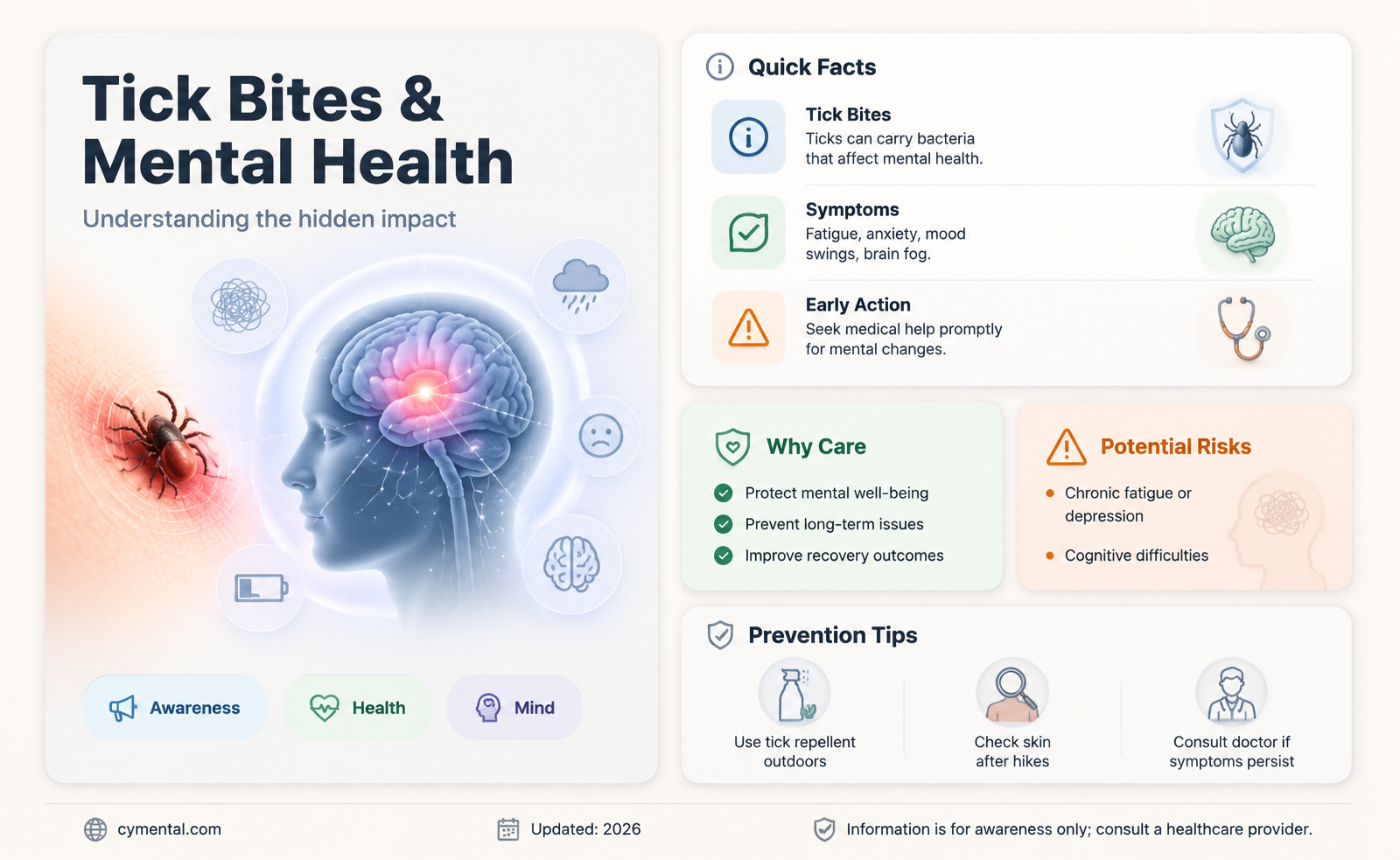
Ticks are small arachnids that feed on the blood of mammals, birds, and sometimes reptiles and amphibians. While they are often harmless, ticks can transmit a variety of diseases to humans, including Lyme disease, Rocky Mountain spotted fever, and tularemia. In recent years, there has been growing concern about the potential link between tick bites and mental illness. Some studies have suggested that tick-borne infections may be associated with an increased risk of mental health conditions such as depression, anxiety, and even psychosis. However, the evidence is still limited, and more research is needed to fully understand the relationship between tick bites and mental illness.
Explore related products





What You'll Learn
- Lyme Disease and Mental Health: Exploring the potential psychiatric manifestations of Lyme disease
- Tick-Borne Encephalitis: Investigating the neurological and mental health impacts of this viral infection
- Post-Lyme Disease Syndrome: Discussing the chronic mental health symptoms that may persist after Lyme disease treatment
- Tick Bite Prevention: Strategies for avoiding tick bites and reducing the risk of tick-borne mental health issues
- Research and Controversy: Examining the scientific evidence and ongoing debates surrounding tick bites and mental illness

Lyme Disease and Mental Health: Exploring the potential psychiatric manifestations of Lyme disease
Lyme disease, a bacterial infection transmitted by ticks, is often associated with physical symptoms such as fever, fatigue, and joint pain. However, recent research has shed light on the potential psychiatric manifestations of this condition, revealing a complex interplay between Lyme disease and mental health. Studies have shown that individuals with Lyme disease may experience a range of mental health issues, including depression, anxiety, and cognitive impairment. These symptoms can be particularly challenging to diagnose, as they often mimic other psychiatric conditions, leading to misdiagnosis and delayed treatment.
One of the most intriguing aspects of Lyme disease's impact on mental health is the potential for it to cause neuropsychiatric symptoms. These can include difficulties with concentration, memory loss, and even hallucinations. The exact mechanisms by which Lyme disease affects the brain are still under investigation, but it is believed that the bacteria may directly invade the central nervous system, leading to inflammation and damage to brain tissue. This can result in a range of cognitive and emotional disturbances, which can be debilitating for those affected.
In addition to the direct effects of Lyme disease on the brain, the condition can also have indirect impacts on mental health. The chronic nature of Lyme disease, coupled with its often-debilitating symptoms, can lead to significant stress and emotional distress. This can result in the development of secondary mental health conditions, such as depression and anxiety, which can further exacerbate the individual's overall well-being. Furthermore, the social isolation and stigma often associated with Lyme disease can contribute to feelings of loneliness and despair, adding another layer of complexity to the mental health implications of this condition.
Diagnosing the psychiatric manifestations of Lyme disease can be particularly challenging, as the symptoms often overlap with those of other mental health conditions. Healthcare providers must carefully consider the patient's medical history, including any known tick bites or exposure to areas where Lyme disease is prevalent. In addition, a thorough physical examination and laboratory tests may be necessary to rule out other potential causes of the symptoms. Once a diagnosis is made, treatment typically involves a combination of antibiotics to target the underlying bacterial infection, as well as psychiatric medications and therapy to address the mental health symptoms.
In conclusion, the potential psychiatric manifestations of Lyme disease represent a significant and often overlooked aspect of this condition. By increasing awareness and understanding of the complex interplay between Lyme disease and mental health, healthcare providers can better diagnose and treat those affected, ultimately improving their overall quality of life.
Feline Frenzy: Unraveling the Myth of Cats and Mental Health
You may want to see also
Explore related products





Tick-Borne Encephalitis: Investigating the neurological and mental health impacts of this viral infection
Tick-borne encephalitis (TBE) is a viral infection transmitted by ticks that can have significant neurological and mental health impacts. While the physical symptoms of TBE, such as fever, headache, and muscle pain, are well-documented, the psychological effects are often overlooked. Recent studies have shown that TBE can lead to a range of mental health issues, including anxiety, depression, and cognitive impairment.
One of the most concerning aspects of TBE is its potential to cause long-term neurological damage. The virus can affect the central nervous system, leading to inflammation and damage to brain tissue. This can result in a variety of neurological symptoms, such as seizures, paralysis, and sensory disturbances. In severe cases, TBE can even lead to death.
The mental health impacts of TBE are also significant. Patients may experience anxiety and depression, which can be debilitating and affect their quality of life. Cognitive impairment is another common symptom, with patients reporting difficulties with memory, attention, and problem-solving. These psychological effects can persist long after the initial infection has cleared, making TBE a serious public health concern.
It is important to note that TBE is preventable through vaccination and tick avoidance measures. Public health campaigns should focus on raising awareness of the risks of tick bites and promoting preventive measures. Additionally, more research is needed to fully understand the neurological and mental health impacts of TBE and to develop effective treatments for those affected by the virus.
In conclusion, tick-borne encephalitis is a serious viral infection that can have significant neurological and mental health impacts. It is essential to take preventive measures to avoid tick bites and to seek medical attention if symptoms of TBE are suspected. Further research is needed to fully understand the effects of TBE and to develop effective treatments for those affected by the virus.
Unraveling the Complex Roots of Insanity: A Deep Dive
You may want to see also
Explore related products



Post-Lyme Disease Syndrome: Discussing the chronic mental health symptoms that may persist after Lyme disease treatment
Post-Lyme Disease Syndrome (PLDS) is a condition that can significantly impact an individual's mental health long after the initial Lyme disease infection has been treated. While Lyme disease is often associated with physical symptoms such as joint pain, fatigue, and neurological issues, the chronic mental health symptoms that can persist are equally concerning. These may include depression, anxiety, cognitive impairment, and even suicidal ideation. The exact cause of PLDS is not fully understood, but it is believed to be related to the body's immune response to the Lyme bacteria, which can lead to inflammation and damage to the central nervous system.
One of the challenges in diagnosing and treating PLDS is the lack of a clear diagnostic test. Unlike the initial Lyme disease infection, which can be confirmed through blood tests, PLDS is often diagnosed based on a combination of symptoms and medical history. This can make it difficult for healthcare providers to accurately identify and treat the condition, leading to frustration and uncertainty for patients. Additionally, the symptoms of PLDS can be similar to those of other mental health conditions, such as major depressive disorder or generalized anxiety disorder, which can further complicate the diagnostic process.
Treatment for PLDS typically involves a combination of medications and psychotherapy. Antidepressants and anti-anxiety medications may be prescribed to help manage the emotional symptoms, while cognitive-behavioral therapy (CBT) can be used to address the cognitive impairments and help patients develop coping strategies. In some cases, additional treatments such as intravenous antibiotics or immunotherapy may be considered, although the evidence for their effectiveness in treating PLDS is limited.
Living with PLDS can be challenging, both for the individual affected and their loved ones. The chronic nature of the condition means that symptoms can persist for months or even years, impacting daily life and overall well-being. It is important for those affected by PLDS to seek support from healthcare providers, mental health professionals, and support groups. Additionally, raising awareness about the condition and advocating for further research into its causes and treatments can help improve outcomes for those affected by PLDS.
In conclusion, Post-Lyme Disease Syndrome is a complex and often misunderstood condition that can have a significant impact on mental health. While there are challenges in diagnosing and treating PLDS, a combination of medications, psychotherapy, and support can help individuals manage their symptoms and improve their quality of life. Further research into the causes and treatments of PLDS is crucial to better understanding this condition and developing more effective interventions.
Exploring the Link Between Mental Blocks and Erectile Dysfunction
You may want to see also
Explore related products


Tick Bite Prevention: Strategies for avoiding tick bites and reducing the risk of tick-borne mental health issues
Ticks are small, blood-sucking parasites that can transmit a variety of diseases, including Lyme disease, which has been linked to mental health issues such as depression and anxiety. Preventing tick bites is crucial for reducing the risk of these tick-borne mental health problems. One effective strategy is to wear protective clothing, such as long-sleeved shirts and pants, when spending time outdoors in areas where ticks are common. Additionally, using insect repellent containing DEET or picaridin can help deter ticks from attaching to the skin.
Another important prevention method is to perform regular tick checks after spending time outdoors. This involves examining the skin, hair, and clothing for any ticks that may have attached. If a tick is found, it should be removed promptly using fine-tipped tweezers, grasping the tick as close to the skin as possible and pulling upward with steady pressure. After removing the tick, the bite area and hands should be cleaned with soap and water or an antiseptic.
Creating a tick-safe environment around the home can also help reduce the risk of tick bites. This includes keeping the lawn trimmed, removing leaf litter and debris, and creating a barrier between the lawn and wooded areas using gravel or wood chips. It's also important to keep pets safe by using tick preventatives and checking them regularly for ticks.
In addition to these preventive measures, it's essential to be aware of the symptoms of tick-borne diseases and seek medical attention if any signs of illness occur after a tick bite. Early diagnosis and treatment can help prevent the development of more serious mental health issues associated with tick-borne diseases.
Overall, by taking these proactive steps to prevent tick bites, individuals can significantly reduce their risk of developing tick-borne mental health problems. It's important to stay vigilant and informed about tick safety, especially when spending time in areas where ticks are prevalent.
Exploring the Link: Kidney Failure and Altered Mental Status
You may want to see also
Explore related products


Research and Controversy: Examining the scientific evidence and ongoing debates surrounding tick bites and mental illness
The link between tick bites and mental illness has been a subject of intense research and debate in the scientific community. While some studies suggest a correlation between tick-borne infections and the onset of mental health issues, others argue that the evidence is inconclusive and that more research is needed to establish a definitive connection.
One of the key challenges in studying this link is the complexity of both tick-borne diseases and mental illness. Tick bites can transmit a variety of pathogens, each with its own unique effects on the human body. Similarly, mental illness encompasses a wide range of conditions, from depression and anxiety to more severe disorders like schizophrenia. Untangling the relationship between these two complex phenomena requires careful analysis and consideration of multiple factors.
Recent research has focused on the potential role of inflammation in the development of mental illness following a tick bite. Some studies have shown that tick-borne infections can trigger an inflammatory response in the body, which may in turn affect brain function and contribute to the onset of mental health symptoms. However, this theory is still under investigation, and more research is needed to fully understand the mechanisms at play.
Another area of controversy surrounds the diagnosis and treatment of tick-borne mental illness. Some healthcare providers argue that the symptoms of tick-borne infections can be easily misdiagnosed as mental health issues, leading to inappropriate treatment and potentially worsening the patient's condition. Others contend that the medical community has been too quick to dismiss the possibility of a link between tick bites and mental illness, and that more attention should be paid to this potential connection.
In conclusion, the relationship between tick bites and mental illness remains a topic of ongoing research and debate. While some evidence suggests a possible link, more studies are needed to fully understand the nature of this connection and to develop effective diagnostic and treatment strategies.
Exploring the Link: Mental Illness and Seizure Disorders Uncovered
You may want to see also
Frequently asked questions
While tick bites are primarily known for transmitting Lyme disease, there is limited evidence to suggest a direct causal link between tick bites and mental illness. However, the stress and anxiety associated with dealing with Lyme disease or other tick-borne illnesses could potentially exacerbate existing mental health conditions or contribute to the development of new ones.
Common symptoms of Lyme disease include a circular rash at the site of the tick bite, fever, chills, headache, muscle and joint pain, and fatigue. In some cases, Lyme disease can also cause neurological symptoms such as numbness or tingling in the hands and feet, memory loss, and difficulty concentrating.
To prevent tick bites, it is recommended to wear protective clothing such as long sleeves and pants when spending time outdoors, especially in areas with tall grass or dense vegetation. Using insect repellent containing DEET or picaridin can also help deter ticks. After spending time outdoors, it is important to check your body for ticks and remove them promptly if found.
If you suspect you have Lyme disease, it is important to seek medical attention promptly. A healthcare provider can perform a physical examination, review your medical history, and conduct blood tests to determine if you have been infected with the bacteria that causes Lyme disease. Early diagnosis and treatment with antibiotics can help prevent the spread of the infection and reduce the risk of long-term complications.