Lucas Bennett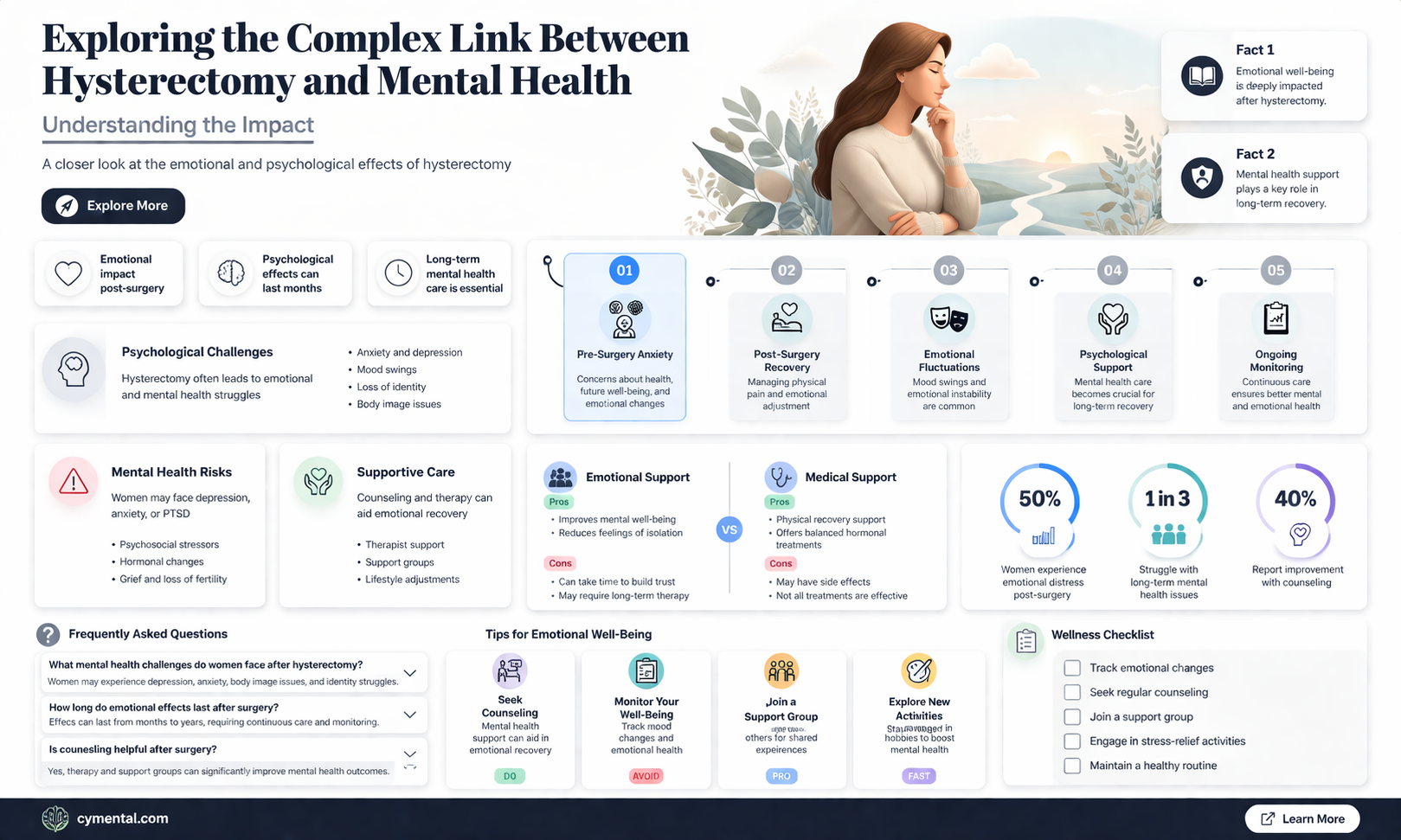
A hysterectomy, which is the surgical removal of the uterus, is a significant medical procedure that can have various physical and emotional impacts on a person. While it is often performed to alleviate symptoms of conditions such as endometriosis, fibroids, or cancer, there is ongoing debate about its potential effects on mental health. Some individuals who have undergone a hysterectomy report experiencing changes in mood, anxiety, or depression, leading to questions about whether the procedure itself can cause mental illness. It is important to explore this topic with a nuanced understanding of the complex interplay between physical health, hormonal changes, and psychological well-being.
Explore related products


What You'll Learn
- Hormonal Changes: Explore how hormonal fluctuations post-hysterectomy might influence mental health
- Grief and Loss: Discuss the emotional impact of losing reproductive organs and potential feelings of grief
- Body Image Issues: Examine how changes in body image after a hysterectomy can affect mental well-being
- Sexual Function: Investigate the effects of a hysterectomy on sexual function and mental health
- Pre-existing Conditions: Analyze how pre-existing mental health conditions might be affected by a hysterectomy

Hormonal Changes: Explore how hormonal fluctuations post-hysterectomy might influence mental health
Hormonal fluctuations following a hysterectomy can significantly impact a woman's mental health. The procedure often leads to a sudden drop in estrogen levels, which can trigger a range of psychological symptoms. Estrogen plays a crucial role in regulating mood, and its decline can result in increased anxiety, depression, and mood swings. Some women may also experience sleep disturbances, fatigue, and cognitive changes, such as difficulty concentrating or memory lapses.
The extent and severity of these mental health effects can vary widely among individuals. Factors such as the woman's age at the time of the hysterectomy, the reason for the procedure, and her overall health can influence the degree of hormonal imbalance and its psychological impact. For instance, younger women who undergo a hysterectomy may be more likely to experience pronounced hormonal changes and subsequent mental health issues due to the abrupt interruption of their menstrual cycle.
It is essential for healthcare providers to monitor patients for signs of mental health concerns following a hysterectomy. Early intervention can help mitigate the severity of symptoms and improve the patient's quality of life. Treatment options may include hormone replacement therapy (HRT) to alleviate hormonal imbalances, as well as counseling or medication to address specific mental health issues.
Women considering a hysterectomy should be informed about the potential mental health risks associated with the procedure. This knowledge can help them make an informed decision and prepare them for the possible challenges they may face post-operatively. Additionally, support groups and resources should be made available to women who have undergone a hysterectomy, providing them with a platform to share their experiences and access guidance on managing their mental health.
In conclusion, while a hysterectomy can be a necessary and beneficial medical procedure for many women, it is crucial to acknowledge and address the potential mental health implications of hormonal changes that may occur following the surgery. By doing so, healthcare providers can ensure that patients receive comprehensive care that considers both their physical and psychological well-being.
Exploring the Link: Kidney Failure and Altered Mental Status
You may want to see also
Explore related products


Grief and Loss: Discuss the emotional impact of losing reproductive organs and potential feelings of grief
Losing reproductive organs can have a profound emotional impact on individuals, often leading to feelings of grief and loss. This experience can be particularly challenging as it not only affects physical health but also touches on deeply personal and emotional aspects of one's identity. The sense of loss can be multifaceted, encompassing not just the physical organ but also the potential for future pregnancies, the changes in hormonal balance, and the shifts in self-perception.
Grief in this context can manifest in various ways, including sadness, anger, guilt, and even relief in some cases. It's important to recognize that these emotions are valid and that there is no 'right' or 'wrong' way to grieve. Each person's experience is unique and can be influenced by factors such as their age, relationship status, cultural background, and personal beliefs about reproduction and motherhood.
The emotional impact of losing reproductive organs can also affect relationships with partners, family members, and friends. Communication about these changes and the associated feelings can be crucial in maintaining supportive connections. It may be helpful for individuals to seek out support groups or counseling to navigate these complex emotions and to find ways to cope with the loss.
In addition to the emotional aspects, there can be practical considerations to address, such as managing post-operative care, dealing with potential changes in sexual function, and adjusting to new hormonal realities. These factors can further complicate the grieving process and may require additional support and resources.
Ultimately, acknowledging and addressing the emotional impact of losing reproductive organs is an essential part of the healing process. By providing a safe space for individuals to express their feelings and by offering appropriate support and resources, we can help them navigate this challenging time and move towards a place of acceptance and resilience.
Unraveling the Link: Childhood Trauma and Mental Health
You may want to see also
Explore related products


Body Image Issues: Examine how changes in body image after a hysterectomy can affect mental well-being
Changes in body image after a hysterectomy can significantly impact a person's mental well-being. The physical alterations resulting from the surgery, such as the removal of the uterus and potential changes in the abdominal area, can lead to feelings of loss, grief, and anxiety. These emotional responses are often intertwined with societal expectations of femininity and the perceived role of the uterus in a person's identity.
The psychological effects of these changes can manifest in various ways. Some individuals may experience a decrease in self-esteem and confidence, while others may struggle with depression or anxiety disorders. The disruption of the body's natural hormonal balance following a hysterectomy can also contribute to mood swings and emotional instability.
It is essential for healthcare providers to recognize and address these potential mental health concerns. Post-operative care should include not only physical recovery but also emotional support and counseling. Encouraging open communication about feelings and concerns can help individuals process their emotions and adjust to their new body image.
Support groups and therapy sessions can provide a safe space for individuals to share their experiences and connect with others who have undergone similar procedures. These resources can help mitigate feelings of isolation and promote a sense of community and understanding.
In conclusion, the impact of body image changes after a hysterectomy on mental well-being should not be underestimated. By acknowledging and addressing these concerns, healthcare providers can help individuals navigate the emotional challenges associated with this significant life event.
The Impact of a Troubled Marriage on Mental Health
You may want to see also
Explore related products


$10.47 $15.99


Sexual Function: Investigate the effects of a hysterectomy on sexual function and mental health
A hysterectomy, the surgical removal of the uterus, can have significant effects on a woman's sexual function and mental health. While the procedure is often necessary to treat conditions such as uterine fibroids, endometriosis, or gynecological cancers, it can also lead to changes in sexual desire, arousal, and orgasm. These changes can be attributed to the removal of the uterus and the potential disruption of nerve pathways that contribute to sexual function. Additionally, the loss of estrogen production following a hysterectomy can lead to vaginal dryness, discomfort during intercourse, and decreased libido.
The impact of a hysterectomy on mental health is also a critical consideration. Women may experience a range of emotions following the procedure, including grief, anxiety, and depression. The loss of the uterus can be particularly challenging for women who have not yet had children or who have a strong emotional attachment to their reproductive organs. Furthermore, the hormonal changes that occur after a hysterectomy can contribute to mood swings and other mental health symptoms. It is essential for healthcare providers to address these potential effects and offer support and resources to help women navigate the emotional and psychological aspects of the procedure.
Research suggests that the effects of a hysterectomy on sexual function and mental health can vary widely among individuals. Some women may experience minimal changes, while others may face significant challenges. Factors such as age, overall health, and the reason for the hysterectomy can all influence the outcome. Additionally, the type of hysterectomy performed (total, partial, or radical) can also impact sexual function and mental health. For example, a total hysterectomy, which removes the entire uterus and cervix, may have a more significant effect on sexual function than a partial hysterectomy, which only removes the upper portion of the uterus.
To mitigate the potential negative effects of a hysterectomy on sexual function and mental health, healthcare providers may recommend various interventions. These can include hormone replacement therapy (HRT) to alleviate symptoms of estrogen deficiency, sexual counseling to address concerns and improve communication with partners, and mental health support to help women cope with the emotional impact of the procedure. Additionally, lifestyle modifications such as regular exercise, a healthy diet, and stress management techniques can also contribute to overall well-being and help women maintain a positive outlook following a hysterectomy.
In conclusion, while a hysterectomy can be a necessary and life-saving procedure, it is essential to consider the potential effects on sexual function and mental health. By understanding these effects and implementing appropriate interventions, healthcare providers can help women navigate the challenges associated with the procedure and improve their overall quality of life.
Exploring the Link Between Heartbreak and Mental Health
You may want to see also
Explore related products




Pre-existing Conditions: Analyze how pre-existing mental health conditions might be affected by a hysterectomy
Individuals with pre-existing mental health conditions may experience a complex interplay of symptoms and side effects following a hysterectomy. For instance, those with anxiety disorders might find their symptoms exacerbated by the hormonal changes induced by the surgery. The sudden drop in estrogen levels can lead to mood swings, irritability, and increased anxiety, which may be particularly challenging for those already managing anxiety-related issues.
Depression is another mental health condition that could be impacted by a hysterectomy. The surgery can lead to a decrease in serotonin levels, a neurotransmitter that plays a crucial role in regulating mood. This decrease might worsen depressive symptoms or even trigger a depressive episode in susceptible individuals. It is essential for healthcare providers to monitor patients with a history of depression closely following a hysterectomy and adjust their treatment plans accordingly.
Moreover, the physical changes associated with a hysterectomy, such as the removal of the uterus and potential disruption of the pelvic floor, can also affect mental health. Chronic pain, sexual dysfunction, and changes in body image may contribute to feelings of distress, low self-esteem, and even post-traumatic stress disorder (PTSD) in some cases. Patients with pre-existing PTSD might find these physical changes particularly triggering, necessitating a comprehensive approach to their post-operative care.
It is also important to consider the psychological impact of the loss of fertility that often accompanies a hysterectomy. For individuals who have struggled with infertility or who have a strong desire to have children, the surgery can lead to feelings of grief, loss, and regret. These emotions can be particularly intense for those with pre-existing mental health conditions, such as depression or anxiety, which may already affect their emotional resilience.
In conclusion, a hysterectomy can have significant implications for individuals with pre-existing mental health conditions. Healthcare providers must be aware of these potential effects and take a proactive approach to managing their patients' mental health both before and after the surgery. This may involve adjusting medication regimens, providing counseling or therapy, and closely monitoring for any signs of mental health deterioration. By addressing these concerns, healthcare providers can help ensure that their patients receive comprehensive care that addresses both their physical and mental well-being.
Exploring the Link: Mental Illness and Seizure Disorders Uncovered
You may want to see also
Frequently asked questions
While a hysterectomy is primarily a physical procedure, it can have psychological impacts. Some women may experience mood changes, anxiety, or depression following the surgery. These mental health symptoms can be related to the hormonal changes that occur after the removal of the uterus, as well as the emotional and psychological adjustments associated with the loss of fertility.
The potential psychological effects of a hysterectomy can include mood swings, irritability, anxiety, and depression. Some women may also experience a sense of loss or grief related to the removal of their uterus and the end of their menstrual cycle. It's important to note that these effects can vary widely from person to person, and not all women will experience significant psychological changes after a hysterectomy.
Managing mental health symptoms after a hysterectomy may involve a combination of strategies. These can include seeking support from friends, family, or a mental health professional, engaging in regular exercise, practicing stress-reduction techniques such as meditation or yoga, and ensuring proper follow-up care with your healthcare provider. In some cases, medication may be prescribed to help manage symptoms of anxiety or depression.
Research on the long-term mental health effects of hysterectomy is ongoing, and the results are not entirely conclusive. Some studies suggest that there may be an increased risk of depression and anxiety in the years following a hysterectomy, particularly if the procedure was performed at a younger age. However, other studies have found no significant long-term mental health effects. It's important to discuss any concerns about long-term mental health effects with your healthcare provider before undergoing a hysterectomy.