Madison Cole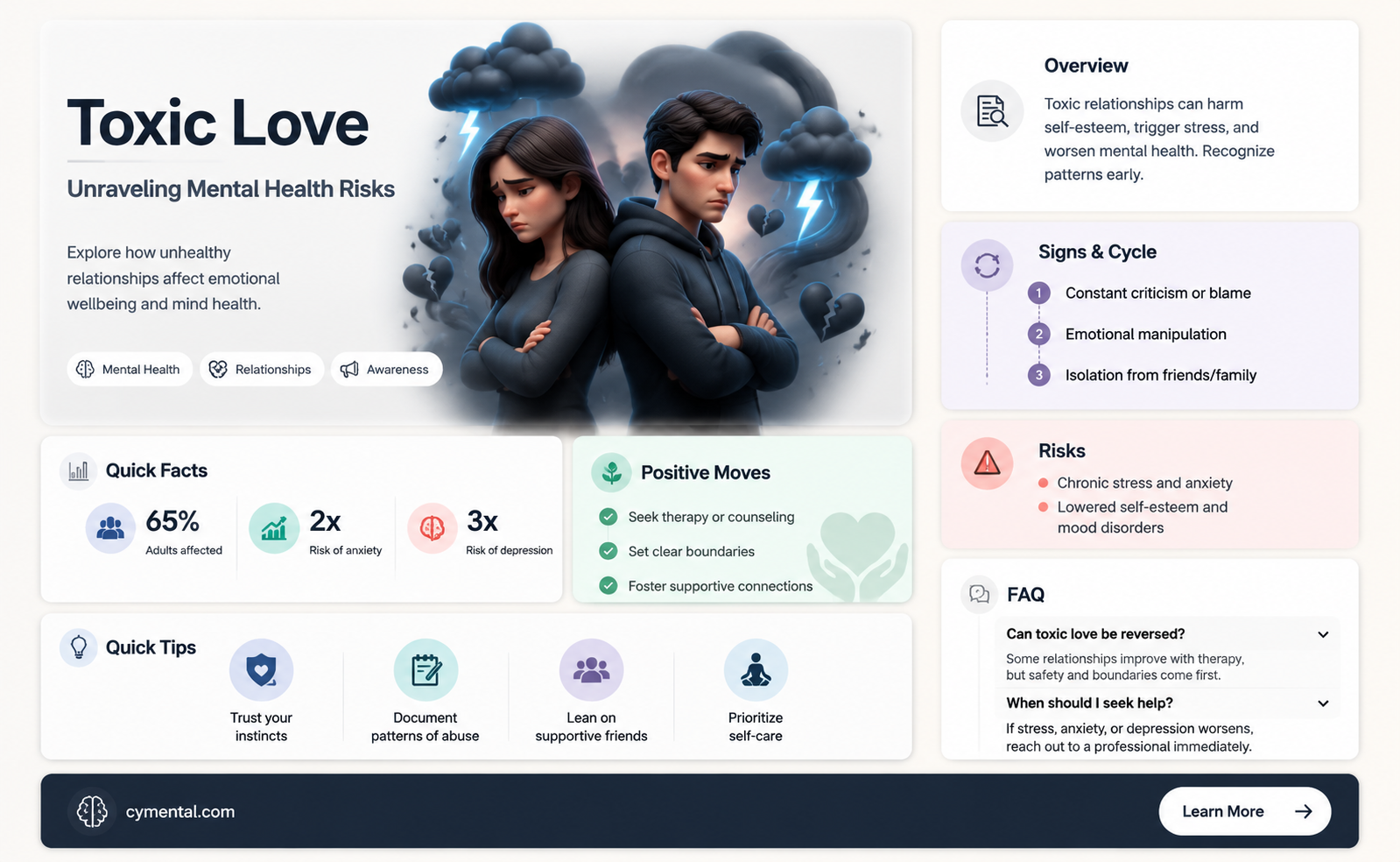
Toxic relationships can have a profound impact on an individual's mental health, potentially leading to or exacerbating mental illness. The constant stress, emotional manipulation, and lack of support characteristic of such relationships can contribute to anxiety, depression, and other psychological issues. Over time, the effects of a toxic relationship can erode a person's self-esteem, confidence, and overall well-being, making it challenging to maintain a healthy mental state. It is essential to recognize the signs of a toxic relationship and seek help to mitigate its harmful effects on mental health.
Explore related products


What You'll Learn
- Emotional Abuse: Constant criticism, belittling, and humiliation can lead to anxiety, depression, and low self-esteem
- Isolation: Being cut off from friends and family can cause loneliness, depression, and a lack of support
- Gaslighting: Manipulating someone's perception of reality can lead to confusion, anxiety, and a loss of identity
- Physical Abuse: Violence and threats can cause PTSD, anxiety, and depression, as well as physical health problems
- Financial Control: Restricting access to money can lead to stress, anxiety, and a feeling of being trapped

Emotional Abuse: Constant criticism, belittling, and humiliation can lead to anxiety, depression, and low self-esteem
Emotional abuse, characterized by constant criticism, belittling, and humiliation, can have profound and lasting effects on an individual's mental health. This form of abuse is often subtle and insidious, making it difficult for victims to recognize and seek help. Over time, the relentless barrage of negative comments and demeaning behavior can erode a person's sense of self-worth and lead to serious mental health issues such as anxiety, depression, and low self-esteem.
One of the most damaging aspects of emotional abuse is its ability to distort the victim's perception of reality. When someone is constantly told they are worthless, stupid, or unlovable, they may begin to internalize these messages and believe them to be true. This can lead to a pervasive sense of shame and guilt, which can further exacerbate feelings of anxiety and depression. Additionally, the victim may become hypervigilant, always on the lookout for potential threats or criticisms, which can heighten their anxiety levels and make it difficult for them to relax or feel safe.
Emotional abuse can also have a significant impact on a person's social life and relationships. Victims may become isolated from friends and family, as the abuser may discourage or prevent them from maintaining these connections. This isolation can further contribute to feelings of loneliness and despair, making it even more challenging for the victim to seek help or support. Moreover, the constant criticism and belittling can make it difficult for the victim to form healthy, positive relationships with others, as they may struggle to trust or believe in their own worth.
It is important to recognize that emotional abuse is a form of violence, and its effects can be just as severe as those of physical abuse. If you or someone you know is experiencing emotional abuse, it is crucial to seek help from a mental health professional or a support hotline. With the right support and resources, victims can learn to recognize the signs of emotional abuse, rebuild their sense of self-worth, and develop healthy coping mechanisms to deal with the trauma they have experienced. Remember, you are not alone, and there is help available.
Unraveling the Link: Mental Health Conditions and Personal Hygiene Challenges
You may want to see also
Explore related products


Isolation: Being cut off from friends and family can cause loneliness, depression, and a lack of support
Isolation can be a devastating consequence of a toxic relationship, often leading to severe mental health issues. When an individual is cut off from friends and family, they are deprived of essential social support networks that are crucial for emotional well-being. This lack of connection can result in profound loneliness, which is not just a fleeting feeling but a chronic state that can significantly impact one's mental health.
Research has shown that prolonged loneliness can lead to depression, anxiety, and even cognitive decline. The absence of supportive relationships can exacerbate feelings of worthlessness and hopelessness, which are already heightened in toxic relationships. Furthermore, isolation can make it difficult for individuals to seek help or reach out for support, trapping them in a cycle of abuse and mental distress.
In addition to the emotional toll, physical health can also suffer. Studies have linked social isolation to increased risk of cardiovascular disease, weakened immune systems, and poor sleep quality. These physical symptoms can further contribute to mental health problems, creating a vicious cycle that is hard to break.
Breaking free from isolation is a critical step in recovering from a toxic relationship. Reconnecting with friends and family, joining support groups, or seeking therapy can help individuals rebuild their social networks and regain a sense of belonging. It is important to recognize the signs of isolation and take proactive steps to address them, as ignoring the problem can lead to long-term mental health consequences.
Ultimately, understanding the impact of isolation in toxic relationships is crucial for both victims and those supporting them. By acknowledging the severity of this issue and taking steps to combat it, individuals can begin to heal and reclaim their mental and emotional well-being.
Exploring the Link: Head Injuries and Mental Health Concerns
You may want to see also
Explore related products


Gaslighting: Manipulating someone's perception of reality can lead to confusion, anxiety, and a loss of identity
Gaslighting is a form of psychological manipulation where a person makes someone question their own reality, memory, or perceptions. This tactic is often used by individuals in positions of power or control, such as partners in toxic relationships, to undermine the victim's confidence and independence. The effects of gaslighting can be severe, leading to confusion, anxiety, and a loss of identity. Victims may begin to doubt their own memories, feelings, and perceptions, and may become increasingly reliant on the gaslighter for validation and direction.
One of the most insidious aspects of gaslighting is that it can be difficult to detect, especially when it is happening to you. Gaslighters often use subtle tactics, such as denying previous conversations or events, making light of the victim's feelings, or suggesting that they are overreacting or being paranoid. Over time, these tactics can wear down the victim's sense of self, leading to feelings of worthlessness and helplessness.
Gaslighting can also have a significant impact on a person's mental health. Victims may experience increased anxiety, depression, and feelings of isolation. They may also develop a sense of hypervigilance, constantly questioning their own perceptions and seeking reassurance from the gaslighter. In extreme cases, gaslighting can lead to a complete breakdown of the victim's sense of reality, resulting in a condition known as folie à deux, where the victim adopts the delusions of the gaslighter.
It is important to recognize the signs of gaslighting and to seek help if you or someone you know is experiencing it. Some common signs of gaslighting include feeling confused or disoriented, feeling anxious or depressed, feeling isolated from friends and family, and feeling constantly on edge or defensive. If you suspect that you are being gaslit, it is important to reach out to a trusted friend, family member, or mental health professional for support.
In conclusion, gaslighting is a serious form of psychological manipulation that can have devastating effects on a person's mental health and sense of self. It is important to be aware of the signs of gaslighting and to seek help if you or someone you know is experiencing it. With the right support, victims of gaslighting can begin to rebuild their confidence, independence, and sense of reality.
Exploring the Link: Malnutrition and Mental Health Concerns
You may want to see also
Explore related products


Physical Abuse: Violence and threats can cause PTSD, anxiety, and depression, as well as physical health problems
Physical abuse is a pervasive issue that can have severe and long-lasting effects on an individual's mental and physical health. Violence and threats in a relationship can lead to a range of psychological problems, including post-traumatic stress disorder (PTSD), anxiety, and depression. These conditions can be debilitating, affecting a person's ability to function in daily life, maintain relationships, and hold down a job.
The impact of physical abuse on mental health is complex and multifaceted. PTSD, for example, can develop when an individual experiences or witnesses a traumatic event, such as physical violence. Symptoms of PTSD can include flashbacks, nightmares, and severe anxiety, which can be triggered by reminders of the traumatic event. Anxiety and depression can also develop as a result of the chronic stress and fear associated with living in an abusive relationship.
In addition to the psychological effects, physical abuse can also lead to a range of physical health problems. Victims of abuse may experience chronic pain, injuries, and illnesses, which can be exacerbated by the stress and anxiety of living in a toxic relationship. The physical effects of abuse can also have long-term consequences, such as chronic pain, disability, and even premature death.
It is important to recognize the signs of physical abuse and to seek help if you or someone you know is experiencing it. Signs of abuse can include unexplained injuries, changes in behavior, and withdrawal from social activities. If you are in an abusive relationship, it is important to develop a safety plan and to seek support from friends, family, or a mental health professional.
In conclusion, physical abuse is a serious issue that can have severe and long-lasting effects on an individual's mental and physical health. It is important to recognize the signs of abuse and to seek help if you or someone you know is experiencing it. With the right support and resources, it is possible to overcome the effects of physical abuse and to rebuild a healthy and fulfilling life.
Exploring the Link: UTI's Impact on Mental Status in Young Adults
You may want to see also
Explore related products


Financial Control: Restricting access to money can lead to stress, anxiety, and a feeling of being trapped
Financial control is a subtle yet powerful form of manipulation that can occur in toxic relationships. It often involves one partner restricting the other's access to money, which can lead to significant psychological distress. This tactic can manifest in various ways, such as withholding cash, controlling bank accounts, or limiting the victim's ability to earn or spend money independently. The underlying goal is to exert dominance and control over the victim, making them feel dependent and powerless.
The psychological impact of financial control can be severe. Victims may experience heightened levels of stress and anxiety, as they are constantly worried about their financial security and ability to meet their basic needs. This can lead to a feeling of being trapped, as the victim may feel unable to leave the relationship due to financial dependence. Furthermore, financial control can erode a person's self-esteem and confidence, as they are made to feel incapable of managing their own finances or making independent decisions.
Financial control can also have long-term consequences for the victim's mental health. Chronic stress and anxiety can contribute to the development of mental illnesses such as depression, anxiety disorders, and even post-traumatic stress disorder (PTSD). The feeling of being trapped and powerless can lead to a sense of hopelessness and despair, which can further exacerbate mental health issues.
It is essential for individuals to recognize the signs of financial control and seek help if they are experiencing it. Some common signs include a partner insisting on controlling all financial decisions, withholding money or access to bank accounts, and limiting the victim's ability to work or earn money. Victims should reach out to friends, family, or professional support services for assistance in developing a plan to escape the toxic relationship and regain control of their finances.
In conclusion, financial control is a harmful tactic used in toxic relationships that can lead to significant psychological distress and long-term mental health consequences. It is crucial for individuals to be aware of the signs of financial control and to seek help if they are experiencing it. With the right support, victims can escape the cycle of abuse and regain control of their lives.
Exploring the Link Between Mental Illness and Risky Sexual Behavior
You may want to see also
Frequently asked questions
Yes, a toxic relationship can contribute to the development or exacerbation of mental illness. Prolonged exposure to negative behaviors such as manipulation, criticism, and emotional abuse can lead to anxiety, depression, and other mental health issues.
Signs of a toxic relationship include constant criticism, manipulation, lack of support, emotional abuse, and controlling behavior. These behaviors can erode self-esteem and lead to feelings of worthlessness or hopelessness.
Protecting mental health in a toxic relationship involves setting boundaries, seeking support from friends or professionals, practicing self-care, and considering therapy. It's crucial to recognize the signs of toxicity and take steps to mitigate its impact on mental well-being.
Long-term effects of being in a toxic relationship can include chronic stress, anxiety disorders, depression, low self-esteem, and difficulty trusting others. It may also lead to physical health problems due to the constant stress and emotional turmoil.
Yes, recovery is possible with the right support and resources. This may involve therapy, self-help strategies, and building a strong support network. Healing takes time, but with consistent effort and self-care, individuals can overcome the mental health effects of a toxic relationship.