Ava Ramirez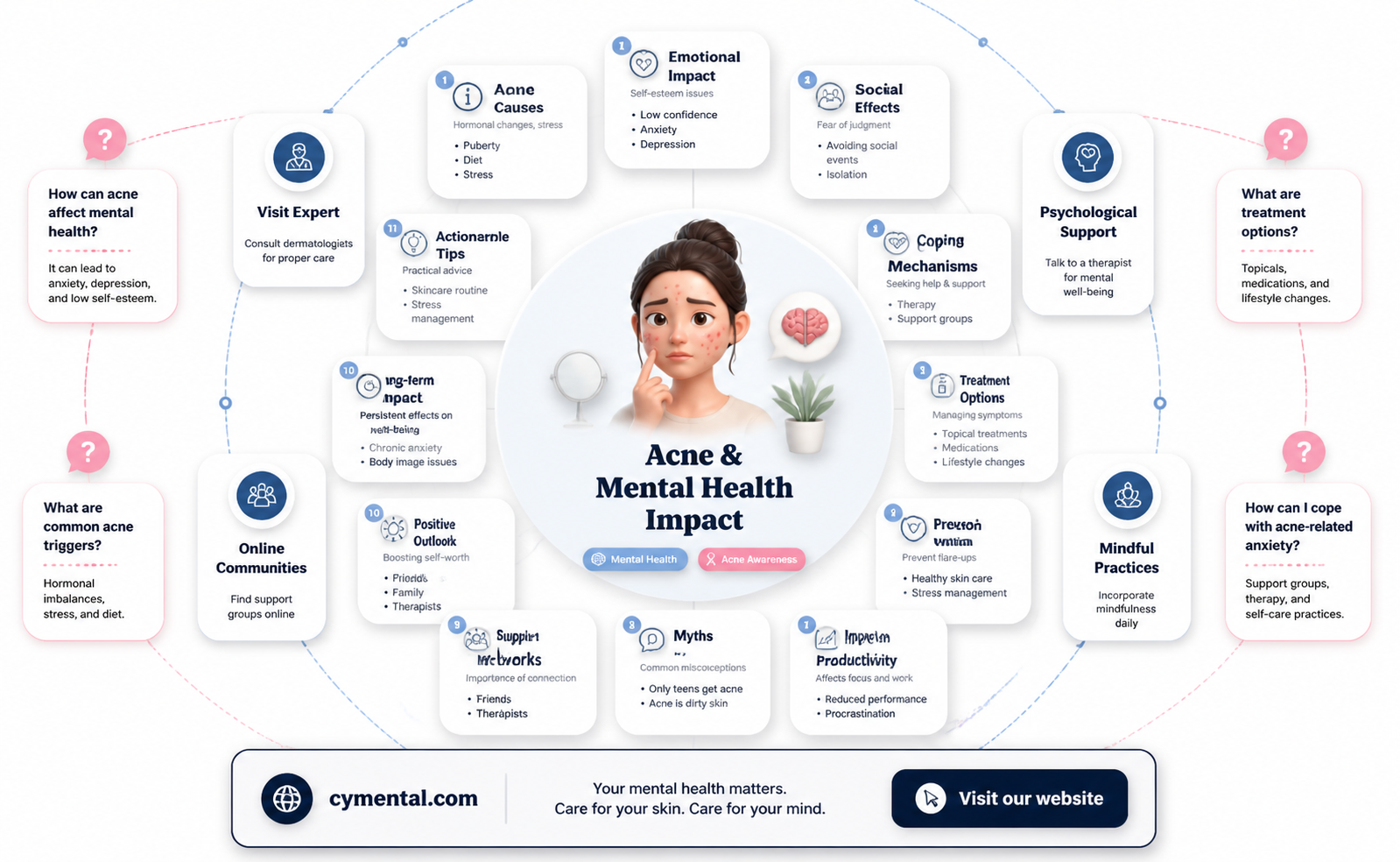
Acne, a common skin condition characterized by pimples, blackheads, and cysts, can have a profound impact on an individual's mental health. While often perceived as a minor cosmetic issue, acne can lead to significant psychological distress, affecting self-esteem, confidence, and overall well-being. Research has shown that individuals with acne are more likely to experience anxiety, depression, and social isolation, as they may feel self-conscious about their appearance and avoid social interactions. Furthermore, the chronic nature of acne can contribute to feelings of frustration and hopelessness, as sufferers may struggle with persistent outbreaks despite various treatment attempts. Understanding the psychological effects of acne is crucial for providing comprehensive care and support to those affected by this condition.
Explore related products


What You'll Learn
- Social Withdrawal: Acne can lead to social isolation, avoiding social interactions due to embarrassment or low self-esteem
- Anxiety and Depression: Severe acne may contribute to increased anxiety and depressive symptoms, impacting overall mental well-being
- Self-Esteem Issues: Acne can negatively affect self-esteem, causing individuals to feel self-conscious about their appearance
- Body Image Concerns: Acne may lead to body image issues, where individuals perceive themselves as less attractive or flawed
- Coping Mechanisms: Developing healthy coping strategies is crucial to manage the mental health impact of acne, such as seeking support or practicing self-care

Social Withdrawal: Acne can lead to social isolation, avoiding social interactions due to embarrassment or low self-esteem
Acne, a common skin condition characterized by red pimples on the skin due to inflamed or infected sebaceous glands, can have profound effects on an individual's mental health. One of the most significant impacts is social withdrawal. This occurs when individuals, often adolescents or young adults, avoid social interactions due to feelings of embarrassment or low self-esteem caused by their acne.
The psychological toll of acne can lead to a cycle of social isolation. Individuals may skip social events, avoid making eye contact, or refrain from participating in activities they once enjoyed. This withdrawal can exacerbate feelings of loneliness and depression, creating a vicious cycle where the individual's mental health continues to deteriorate.
Research has shown that social withdrawal due to acne can have long-term consequences. It can lead to decreased academic performance, strained relationships with family and friends, and even impact career opportunities. The constant stress and anxiety associated with the fear of being judged or ridiculed because of one's appearance can also contribute to other mental health issues such as anxiety disorders and eating disorders.
Addressing acne-related social withdrawal requires a multifaceted approach. Dermatological treatment to manage the physical symptoms of acne is crucial, but it should be combined with psychological support. Cognitive-behavioral therapy (CBT) can be particularly effective in helping individuals challenge negative thought patterns and build self-confidence. Additionally, support groups can provide a safe space for individuals to share their experiences and connect with others who understand their struggles.
In conclusion, acne can indeed affect mental health, and social withdrawal is a significant concern. By understanding the psychological impact of acne and providing comprehensive treatment that addresses both the physical and emotional aspects of the condition, we can help individuals regain their confidence and improve their overall well-being.
The Unseen Game: Mental Health's Impact on Athletes' Performance
You may want to see also
Explore related products


$16.99 $16.99


Anxiety and Depression: Severe acne may contribute to increased anxiety and depressive symptoms, impacting overall mental well-being
Severe acne can have a profound impact on an individual's mental health, often leading to increased symptoms of anxiety and depression. This connection is not merely superficial; it is rooted in the complex interplay between physical appearance, self-esteem, and psychological well-being. Acne, particularly when it is severe and persistent, can lead to feelings of embarrassment, shame, and social isolation. These emotions can be intense and debilitating, significantly affecting a person's ability to function in daily life.
Research has shown that individuals with severe acne are more likely to experience symptoms of anxiety and depression compared to those without acne. The exact mechanisms behind this relationship are still being studied, but it is believed that the psychological stress of dealing with acne can trigger or exacerbate these mental health conditions. Furthermore, the impact of acne on mental health can be long-lasting, with some studies suggesting that it can lead to chronic anxiety and depression if left untreated or if treatment is ineffective.
The societal emphasis on clear skin and the stigma associated with acne can also play a role in this relationship. Media portrayals of acne as something to be ashamed of can contribute to negative self-perceptions and low self-esteem. This can be particularly challenging for adolescents and young adults, who are already navigating significant social and emotional changes.
It is important to note that while acne can contribute to anxiety and depression, it is not the sole cause of these conditions. Mental health is complex and multifaceted, influenced by a variety of factors including genetics, environment, and life experiences. However, the impact of severe acne on mental well-being should not be underestimated, and it is crucial that individuals with acne receive appropriate support and treatment.
In conclusion, the relationship between severe acne and mental health is a significant area of concern. The psychological toll of dealing with acne can lead to increased symptoms of anxiety and depression, impacting overall well-being. It is essential that healthcare providers and mental health professionals are aware of this connection and provide comprehensive care that addresses both the physical and psychological aspects of acne.
Exploring the Impact of Stroke on Cognitive Function and Mental Health
You may want to see also
Explore related products



Self-Esteem Issues: Acne can negatively affect self-esteem, causing individuals to feel self-conscious about their appearance
Acne's impact on self-esteem can be profound and multifaceted. Research indicates that individuals with acne often experience a significant decline in their self-esteem, which can manifest in various ways. For instance, a study published in the Journal of Investigative Dermatology found that acne patients reported higher levels of anxiety and depression, as well as a decreased quality of life. This decline in self-esteem can be attributed to the visible nature of acne, which can make individuals feel self-conscious about their appearance and lead to social withdrawal.
The psychological effects of acne can be particularly challenging during adolescence, a period when self-esteem is already fragile. Acne can exacerbate feelings of insecurity and contribute to a negative self-image, which can have long-term consequences for mental health. Furthermore, the constant scrutiny of one's appearance can lead to a heightened sense of self-awareness, making individuals more susceptible to criticism and rejection.
It is essential to recognize that acne's impact on self-esteem is not limited to its physical manifestations. The emotional toll of acne can be just as debilitating, leading to a vicious cycle of negative thoughts and feelings. For example, individuals with acne may avoid social situations, which can further erode their self-esteem and contribute to feelings of isolation and loneliness.
To mitigate the effects of acne on self-esteem, it is crucial to adopt a holistic approach that addresses both the physical and emotional aspects of the condition. This may include seeking professional treatment for acne, practicing good skincare habits, and engaging in activities that promote self-confidence and self-worth. Additionally, cognitive-behavioral therapy (CBT) can be a valuable tool in helping individuals reframe negative thoughts and develop coping strategies to manage the emotional impact of acne.
In conclusion, acne's effect on self-esteem is a complex issue that requires a comprehensive understanding of its psychological and emotional implications. By addressing both the physical and emotional aspects of acne, individuals can take steps to rebuild their self-esteem and improve their overall mental health.
The Impact of Body Image on Mental Health: A Comprehensive Guide
You may want to see also
Explore related products


Body Image Concerns: Acne may lead to body image issues, where individuals perceive themselves as less attractive or flawed
Acne's impact on mental health is multifaceted, with body image concerns being a significant aspect. Individuals with acne often perceive themselves as less attractive or flawed, which can lead to a range of negative psychological effects. This self-perception can result in social withdrawal, decreased self-esteem, and even depression. The constant visibility of acne lesions can make individuals feel self-conscious and anxious about their appearance, affecting their daily interactions and overall quality of life.
Research has shown that the psychological impact of acne can be as severe as that of other chronic conditions. In some cases, acne can lead to body dysmorphic disorder (BDD), a condition characterized by an obsessive focus on perceived flaws in one's appearance. BDD can significantly impair an individual's ability to function in daily life, as they may spend excessive time and effort trying to hide or correct their perceived flaws.
The societal emphasis on clear skin and beauty standards can exacerbate body image concerns in individuals with acne. Media portrayals of flawless skin and the prevalence of airbrushed images can create unrealistic expectations, making those with acne feel even more self-conscious about their appearance. This can lead to a cycle of negative self-talk and self-criticism, further damaging mental health.
It's important for individuals with acne to recognize that their condition does not define their worth or attractiveness. Seeking support from friends, family, or mental health professionals can help in managing the psychological impact of acne. Additionally, dermatological treatments can improve the appearance of acne, which may in turn alleviate some of the associated body image concerns.
In conclusion, acne's effect on body image is a significant concern that should not be overlooked. Addressing both the physical and psychological aspects of acne is crucial in promoting overall well-being and mental health.
The Impact of Smartphones on Mental Health: A Growing Concern
You may want to see also
Explore related products





Coping Mechanisms: Developing healthy coping strategies is crucial to manage the mental health impact of acne, such as seeking support or practicing self-care
Acne can have a profound impact on mental health, often leading to feelings of isolation, low self-esteem, and anxiety. Developing healthy coping mechanisms is essential to mitigate these effects and promote overall well-being. One effective strategy is to seek support from friends, family, or mental health professionals. Sharing experiences and feelings with others can help reduce the sense of isolation and provide valuable perspectives and encouragement.
Another crucial coping mechanism is practicing self-care. This can include a variety of activities that promote relaxation and stress reduction, such as meditation, yoga, or engaging in hobbies. Taking time for oneself can help shift the focus away from acne and improve mental resilience. Additionally, maintaining a healthy lifestyle, including a balanced diet and regular exercise, can contribute to better mental health and potentially improve the condition of the skin.
It's also important to challenge negative thought patterns and practice self-compassion. Acne can lead to critical self-talk and a negative self-image, but actively working to change these thoughts can help improve mental health. Techniques such as cognitive-behavioral therapy (CBT) can be particularly useful in this regard. CBT involves identifying and challenging negative thought patterns and replacing them with more positive and realistic ones.
In some cases, seeking professional help may be necessary. Therapists or counselors can provide a safe space to discuss the emotional impact of acne and develop personalized coping strategies. They can also help address any underlying mental health conditions that may be exacerbated by acne, such as depression or anxiety disorders.
Overall, developing healthy coping mechanisms is crucial for managing the mental health impact of acne. By seeking support, practicing self-care, challenging negative thought patterns, and seeking professional help when needed, individuals can improve their mental resilience and overall well-being.
The Impact of Fast Food on Mental Health: A Comprehensive Look
You may want to see also
Frequently asked questions
Yes, acne can have a profound impact on mental health. Studies have shown that individuals with acne are more likely to experience depression, anxiety, and low self-esteem. The visible nature of acne can lead to social withdrawal and feelings of isolation, affecting overall well-being.
The severity of acne often correlates with the intensity of mental health effects. More severe cases of acne can lead to more pronounced symptoms of depression and anxiety. However, even mild acne can contribute to negative mental health outcomes, emphasizing the importance of addressing acne regardless of its severity.
Managing the mental health impact of acne involves a multi-faceted approach. Seeking professional dermatological treatment can help address the physical symptoms, while cognitive-behavioral therapy (CBT) and other forms of counseling can assist in coping with the emotional and psychological aspects. Additionally, practicing self-care, maintaining a healthy lifestyle, and building a strong support network can contribute to overall mental well-being.