Noah Parker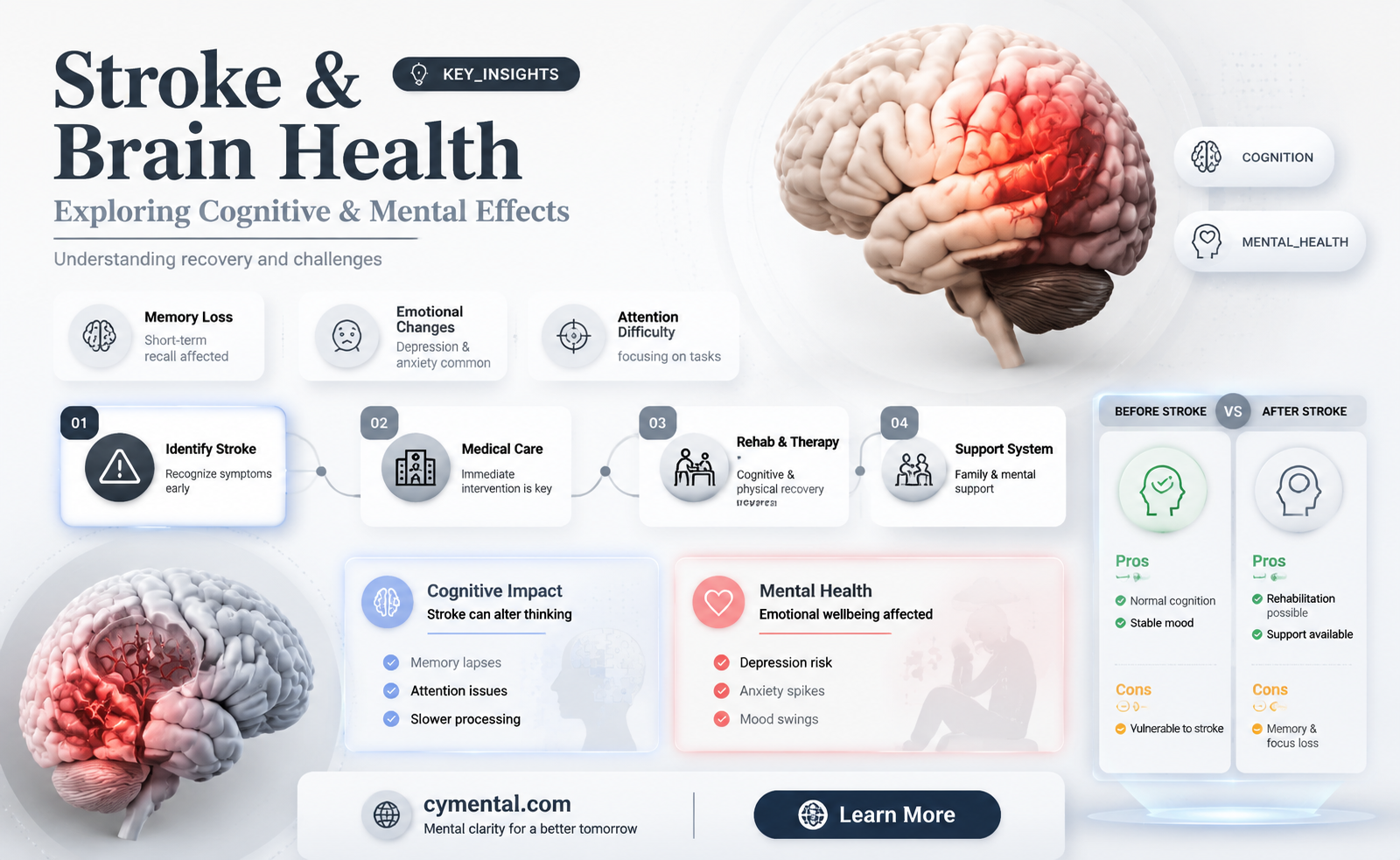
A stroke, which occurs when the blood supply to part of the brain is interrupted, can indeed have a profound impact on mental function. The extent of this impact depends on several factors, including the location and size of the stroke, as well as the individual's overall health and resilience. Cognitive functions such as memory, attention, language, and problem-solving can be affected, sometimes leading to conditions like aphasia, where language comprehension and production are impaired. Additionally, strokes can influence emotional and behavioral states, potentially resulting in depression, anxiety, or personality changes. Rehabilitation and therapy can help mitigate some of these effects, but the journey to recovery is often complex and requires a comprehensive approach involving medical professionals, therapists, and support networks.
| Characteristics | Values |
|---|---|
| Definition | A stroke is a medical condition where blood flow to the brain is disrupted, leading to brain cell damage and potential mental function impairment. |
| Types of Strokes | Ischemic (most common, caused by blood clot), Hemorrhagic (caused by bleeding in the brain), Transient Ischemic Attack (TIA, a mini-stroke). |
| Impact on Mental Function | Can cause cognitive impairment, memory loss, difficulty speaking, reading, writing, and problem-solving. |
| Frequency | Strokes are a leading cause of disability worldwide, with approximately 15 million people experiencing a stroke each year. |
| Risk Factors | High blood pressure, smoking, diabetes, high cholesterol, obesity, physical inactivity, age (especially over 65), family history of stroke. |
| Symptoms | Sudden weakness or numbness in face, arm, or leg, difficulty speaking or understanding speech, vision problems, severe headache, dizziness, loss of balance. |
| Diagnosis | Medical professionals use various tests such as CT scans, MRI, blood tests, and physical examinations to diagnose a stroke. |
| Treatment | Immediate medical attention is crucial. Treatments may include clot-busting drugs, surgery to remove clots or repair bleeding, and rehabilitation to regain function. |
| Prognosis | The prognosis varies depending on the severity and type of stroke, as well as the individual's overall health. Some people recover fully, while others may have long-term disabilities. |
| Prevention | Lifestyle changes such as maintaining a healthy weight, exercising regularly, not smoking, and managing health conditions like hypertension and diabetes can help prevent strokes. |
| Cognitive Rehabilitation | Therapies aimed at improving cognitive function after a stroke, including memory exercises, problem-solving training, and speech therapy. |
| Emotional Impact | Strokes can lead to depression, anxiety, and mood changes due to the physical and cognitive challenges faced by survivors. |
| Support Systems | Family, friends, and healthcare professionals play a crucial role in supporting stroke survivors through their recovery journey. |
| Research and Advances | Ongoing research is focused on developing new treatments, improving rehabilitation techniques, and better understanding the underlying causes of strokes. |
| Public Awareness | Campaigns and initiatives are in place to raise awareness about stroke symptoms, prevention, and the importance of timely medical intervention. |
Explore related products


What You'll Learn
- Cognitive Impairment: Memory loss, difficulty thinking clearly, and problem-solving issues are common post-stroke
- Language and Speech: Aphasia, difficulty speaking, reading, and writing can result from brain damage
- Emotional Changes: Depression, anxiety, and mood swings may occur due to alterations in brain chemistry
- Personality Shifts: Stroke survivors might exhibit changes in personality, such as becoming more impulsive
- Executive Functions: Challenges with planning, organizing, and decision-making can affect daily activities

Cognitive Impairment: Memory loss, difficulty thinking clearly, and problem-solving issues are common post-stroke
Cognitive impairment following a stroke can significantly impact an individual's daily life and independence. Memory loss is a common issue, where survivors may struggle to recall recent events or learn new information. This can lead to difficulties in managing daily tasks, such as remembering appointments or taking medication on time. Family members and caregivers often need to provide reminders and support to help the individual cope with these memory challenges.
In addition to memory loss, stroke survivors may experience difficulty thinking clearly and processing information. This can manifest as slowed reaction times, trouble following conversations, or challenges in making decisions. These cognitive changes can be frustrating for the individual and may require adjustments in their personal and professional lives. For example, they may need to take more time to complete tasks or rely on others for decision-making support.
Problem-solving issues are another common cognitive impairment post-stroke. Survivors may struggle with tasks that require planning, organizing, and executing steps in a logical sequence. This can affect their ability to perform everyday activities, such as cooking or managing finances. Occupational therapists often work with stroke survivors to develop strategies and techniques to improve their problem-solving skills and regain independence in these areas.
It's important to note that the severity and type of cognitive impairments can vary widely among stroke survivors. Some individuals may experience only mild difficulties, while others may face more significant challenges. The location and extent of the brain damage caused by the stroke play a crucial role in determining the specific cognitive functions that are affected.
Rehabilitation and therapy can help stroke survivors manage and improve their cognitive function. Cognitive rehabilitation therapy (CRT) is a specialized form of therapy that focuses on improving memory, attention, and problem-solving skills. This therapy often involves exercises and activities that challenge the brain and help to rebuild neural connections. Additionally, lifestyle modifications, such as regular exercise, a healthy diet, and social engagement, can also support cognitive health and recovery post-stroke.
In conclusion, cognitive impairment is a significant concern for stroke survivors, impacting various aspects of their lives. Understanding the specific challenges and seeking appropriate therapy and support can help individuals manage their symptoms and improve their overall quality of life.
Exploring the Link: Bladder Infections and Mental Health Impact
You may want to see also
Explore related products


Language and Speech: Aphasia, difficulty speaking, reading, and writing can result from brain damage
Aphasia is a condition that affects a person's ability to communicate effectively, often resulting from brain damage caused by a stroke. It can manifest in various ways, including difficulty speaking, reading, and writing. The severity of aphasia can range from mild to severe, depending on the extent of the brain damage and the area of the brain that is affected.
One of the most common types of aphasia is Broca's aphasia, which is characterized by difficulty producing speech. People with Broca's aphasia may have trouble forming complete sentences and may speak in short, fragmented phrases. They may also have difficulty with grammar and syntax, and may omit certain words or sounds. Despite these challenges, people with Broca's aphasia often have relatively good comprehension skills and can understand what others are saying.
Another type of aphasia is Wernicke's aphasia, which affects a person's ability to understand language. People with Wernicke's aphasia may have trouble following conversations, understanding written text, and may even have difficulty recognizing familiar words. They may also produce speech that is fluent but lacks meaning, often using nonsensical words or phrases.
In addition to aphasia, a stroke can also cause other language and speech difficulties, such as dysarthria, which affects a person's ability to control the muscles used for speech. People with dysarthria may have trouble pronouncing words correctly, may speak too softly or too loudly, and may have difficulty with intonation and rhythm.
Treatment for language and speech difficulties after a stroke typically involves speech therapy, which can help individuals regain some or all of their communication skills. Speech therapists may use a variety of techniques, such as exercises to improve muscle control, drills to practice pronunciation, and activities to enhance comprehension and expression. In some cases, assistive devices such as communication boards or electronic devices may also be used to help individuals communicate more effectively.
It's important to note that recovery from language and speech difficulties after a stroke can be a slow and challenging process, and may require ongoing therapy and support. However, with the right treatment and resources, many individuals are able to make significant improvements in their communication skills and regain a sense of independence and confidence in their daily lives.
The Ripple Effect: Mental Health's Impact on Society
You may want to see also
Explore related products


Emotional Changes: Depression, anxiety, and mood swings may occur due to alterations in brain chemistry
A stroke can significantly impact mental function, and one of the critical areas affected is emotional well-being. Changes in brain chemistry post-stroke can lead to a range of emotional disturbances, including depression, anxiety, and mood swings. These alterations are not merely psychological reactions to the event but are rooted in physiological changes within the brain.
Depression is one of the most common emotional changes observed after a stroke. It can manifest as persistent feelings of sadness, loss of interest in activities, and a general sense of hopelessness. Anxiety, on the other hand, may present as excessive worry, fear, or apprehension. Mood swings can be particularly challenging, as they involve rapid and unpredictable shifts in emotional states, making it difficult for individuals to maintain stable relationships and perform daily tasks.
The underlying cause of these emotional changes is often related to the disruption of neurotransmitters in the brain. Neurotransmitters like serotonin, dopamine, and norepinephrine play crucial roles in regulating mood and emotional responses. When a stroke damages the brain regions responsible for producing or distributing these chemicals, it can lead to imbalances that result in depression, anxiety, and mood swings.
It is essential for healthcare providers to monitor stroke survivors for signs of emotional distress and to provide appropriate interventions. Treatment may include psychotherapy, medication, or a combination of both. Support groups and counseling can also be beneficial in helping individuals cope with the emotional aftermath of a stroke. By addressing these emotional changes proactively, it is possible to improve the overall quality of life for stroke survivors and their families.
The Emotional Toll: How Breakups Can Impact Your Mental Health
You may want to see also
Personality Shifts: Stroke survivors might exhibit changes in personality, such as becoming more impulsive
Stroke survivors often experience significant changes in their mental and emotional states, with personality shifts being a notable aspect of this transformation. These shifts can manifest in various ways, such as increased impulsivity, emotional volatility, or a general alteration in one's demeanor. The underlying causes of these changes are complex and multifaceted, involving both the physical damage caused by the stroke and the psychological impact of the event.
One of the primary factors contributing to personality shifts in stroke survivors is the disruption of neural pathways in the brain. The stroke can damage areas responsible for regulating emotions, decision-making, and impulse control, leading to noticeable changes in behavior. For instance, a person who was once cautious and deliberate in their actions may become more impulsive and prone to taking risks after a stroke. This can be particularly challenging for both the survivor and their loved ones, as it may lead to conflicts and misunderstandings.
In addition to the physical changes in the brain, stroke survivors also face significant psychological challenges. The experience of having a stroke can be traumatic, leading to feelings of anxiety, depression, and a sense of loss. These emotional struggles can further exacerbate personality shifts, as the survivor may struggle to cope with their new reality. It is essential for healthcare providers and caregivers to recognize and address these psychological needs, as they play a crucial role in the overall recovery process.
Personality shifts in stroke survivors can also have a profound impact on their social interactions and relationships. Changes in behavior and emotional regulation can lead to difficulties in communication and conflict resolution, potentially straining relationships with family and friends. It is important for loved ones to be patient and understanding, recognizing that these changes are often beyond the survivor's control. With the right support and resources, however, many stroke survivors are able to adapt and rebuild their social connections.
In conclusion, personality shifts are a common and complex issue faced by stroke survivors. These changes are influenced by both the physical damage caused by the stroke and the psychological impact of the event. Addressing these shifts requires a comprehensive approach that includes medical treatment, psychological support, and social understanding. By recognizing and addressing these challenges, we can help stroke survivors navigate their recovery journey and improve their overall quality of life.
The Silent Menace: Noise Pollution's Impact on Mental and Physical Health
You may want to see also
Executive Functions: Challenges with planning, organizing, and decision-making can affect daily activities
Following a stroke, individuals may experience significant challenges with executive functions, which are critical for managing daily activities. Executive functions encompass a range of cognitive processes, including planning, organizing, decision-making, and problem-solving. These functions are essential for tasks such as preparing meals, managing finances, and maintaining social relationships.
One common challenge post-stroke is difficulty with planning and organizing. This can manifest as trouble breaking down complex tasks into manageable steps or remembering important appointments and deadlines. For example, a person may struggle to plan a grocery shopping trip, from creating a list to navigating the store and making purchasing decisions. This can lead to feelings of frustration and dependence on others for everyday tasks.
Decision-making is another executive function that can be impaired after a stroke. This may involve difficulty weighing options, considering consequences, and making timely choices. For instance, a stroke survivor might find it hard to decide what to wear each day or which activities to prioritize, leading to indecision and anxiety.
To address these challenges, stroke survivors can benefit from various strategies and interventions. Cognitive rehabilitation therapy, which focuses on improving cognitive functions through targeted exercises and activities, can be particularly helpful. Additionally, using assistive technologies, such as digital calendars and reminder apps, can aid in organizing and planning. Family members and caregivers can also play a crucial role by providing support and helping to break down tasks into smaller, more manageable steps.
In conclusion, while executive function challenges can significantly impact daily life after a stroke, there are resources and strategies available to help individuals regain independence and confidence in their abilities. By understanding these challenges and seeking appropriate support, stroke survivors can work towards improving their cognitive functions and overall quality of life.
Exploring the Impact of Environment on Mental Well-being
You may want to see also
Frequently asked questions
Yes, a stroke can significantly affect mental function. Depending on the area of the brain impacted, a stroke can lead to various cognitive impairments, including memory loss, difficulty with problem-solving, and changes in mood and behavior.
Common mental effects of a stroke include depression, anxiety, mood swings, and cognitive impairments such as difficulty with attention, memory, and executive functions. Personality changes and emotional instability can also occur.
The location of the stroke in the brain plays a crucial role in determining the mental effects. For example, a stroke in the frontal lobe can affect executive functions, decision-making, and behavior, while a stroke in the temporal lobe can impact memory and language.
Rehabilitation for mental function after a stroke may include cognitive therapy, which helps improve memory, attention, and problem-solving skills. Additionally, counseling and support groups can assist with managing emotional and psychological challenges. Medications may also be prescribed to treat depression and anxiety.