Noah Parker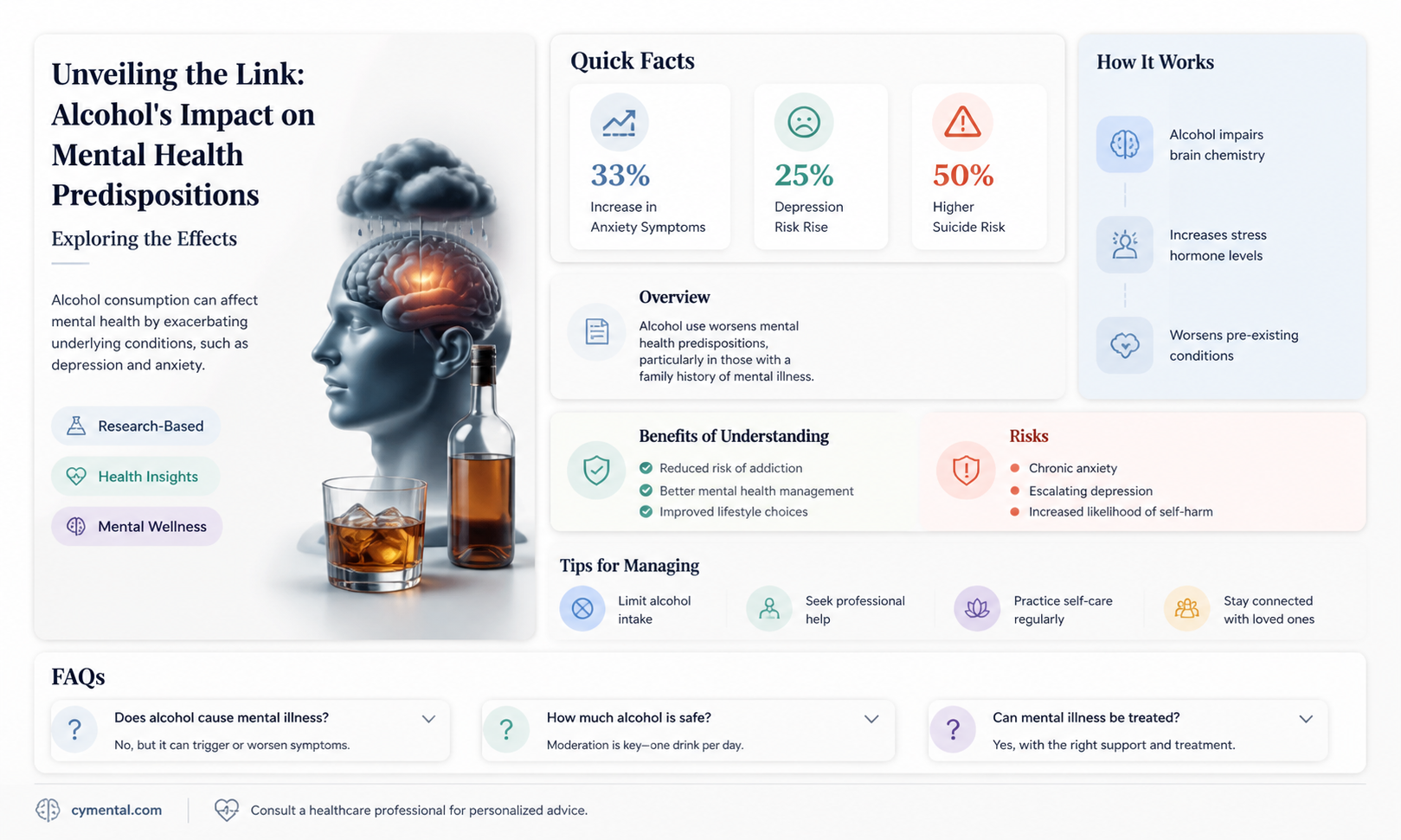
Alcohol consumption has long been recognized as a potential risk factor for various health issues, including mental illness. For individuals who are already predisposed to mental health conditions, alcohol can exacerbate symptoms and potentially trigger the onset of these illnesses. Research suggests that alcohol abuse can lead to changes in brain chemistry and function, which may contribute to the development or worsening of mental health disorders such as depression, anxiety, and psychosis. Furthermore, alcohol can impair judgment and decision-making, which may lead to risky behaviors and further complicate mental health issues. It is essential to consider the complex interplay between alcohol consumption and mental health, particularly for those who may be more vulnerable due to genetic or environmental factors.
| Characteristics | Values |
|---|---|
| Genetic Predisposition | Individuals with a family history of mental illness may be more susceptible to the effects of alcohol, potentially increasing the risk of developing mental health issues. |
| Frequency of Consumption | Regular and heavy alcohol consumption has been linked to a higher likelihood of mental illness, especially in those already predisposed. |
| Type of Alcohol | Different types of alcohol (e.g., beer, wine, spirits) may have varying impacts on mental health, with some potentially being more detrimental than others. |
| Age of Onset | Early alcohol use, particularly during adolescence, can increase the risk of mental illness in predisposed individuals. |
| Gender | Gender differences may exist in how alcohol affects mental health, with some studies suggesting that women may be more vulnerable to the negative effects. |
| Environmental Factors | Stressful life events, social isolation, and other environmental stressors can exacerbate the impact of alcohol on mental health in predisposed individuals. |
| Neurobiological Mechanisms | Alcohol can affect neurotransmitter function, brain structure, and gene expression, potentially leading to or worsening mental illness in susceptible individuals. |
| Comorbidity | The presence of other mental health conditions or substance use disorders can complicate the relationship between alcohol and mental illness in predisposed individuals. |
| Treatment and Recovery | Addressing alcohol use through therapy, medication, and support groups can be crucial in managing mental health symptoms in predisposed individuals. |
| Prevention Strategies | Education, early intervention, and lifestyle modifications can help reduce the risk of alcohol-related mental illness in those with a predisposition. |
Explore related products


What You'll Learn
- Genetic Predisposition: Exploring how genetic factors influence the development of mental illness in individuals who consume alcohol
- Neurochemical Effects: Discussing the impact of alcohol on neurotransmitters and brain chemistry, potentially exacerbating mental health conditions
- Environmental Triggers: Examining how environmental stressors, combined with alcohol use, might contribute to the onset of mental illness in susceptible individuals
- Alcohol Dependence: Investigating the relationship between alcohol addiction and the development or worsening of mental health disorders
- Treatment and Prevention: Strategies for addressing alcohol-related mental health issues in those with a predisposition, including therapy and support groups

Genetic Predisposition: Exploring how genetic factors influence the development of mental illness in individuals who consume alcohol
Genetic predisposition plays a significant role in the development of mental illness, and when combined with alcohol consumption, it can exacerbate the risk. Research indicates that individuals with a family history of mental health disorders are more susceptible to developing mental illnesses when they consume alcohol. This is because alcohol can interact with certain genes, altering their expression and leading to changes in brain chemistry and function.
One of the key genetic factors involved is the gene encoding for the enzyme monoamine oxidase A (MAOA). Variations in this gene have been linked to an increased risk of depression, anxiety, and other mood disorders, particularly when individuals with these genetic variations consume alcohol. Alcohol can inhibit the activity of MAOA, leading to an accumulation of monoamines like serotonin and norepinephrine in the brain. This imbalance can contribute to the development of mental health symptoms.
Another important genetic factor is the gene encoding for the neurotransmitter receptor 5-HT1A. Variations in this gene have been associated with an increased risk of anxiety and depression, and alcohol consumption can further exacerbate these risks. Alcohol can activate the 5-HT1A receptor, leading to changes in serotonin signaling in the brain. This can result in increased anxiety and depression symptoms, particularly in individuals with a genetic predisposition.
It's also important to consider the role of epigenetics in this context. Epigenetic changes refer to modifications in gene expression that do not involve changes to the DNA sequence itself. Alcohol consumption can lead to epigenetic changes that affect the expression of genes involved in mental health. For example, alcohol can cause DNA methylation changes in genes encoding for neurotransmitter receptors and enzymes, leading to altered gene expression and increased risk of mental illness.
In conclusion, genetic predisposition significantly influences the development of mental illness in individuals who consume alcohol. Variations in genes encoding for enzymes like MAOA and neurotransmitter receptors like 5-HT1A can increase the risk of mental health disorders when combined with alcohol consumption. Additionally, epigenetic changes induced by alcohol can further alter gene expression, contributing to the development of mental illness. Understanding these genetic factors is crucial for developing targeted interventions and treatments for individuals at risk.
Exploring the Link Between Stroke and Cognitive Impairment
You may want to see also
Explore related products


Neurochemical Effects: Discussing the impact of alcohol on neurotransmitters and brain chemistry, potentially exacerbating mental health conditions
Alcohol consumption has a profound impact on the brain's neurochemistry, affecting the balance of neurotransmitters that regulate mood, behavior, and cognitive function. One of the primary ways alcohol influences the brain is by altering the activity of gamma-aminobutyric acid (GABA), an inhibitory neurotransmitter that helps to calm the nervous system. Alcohol enhances the effects of GABA, leading to feelings of relaxation and euphoria. However, chronic alcohol use can disrupt the natural balance of GABA, potentially exacerbating anxiety and stress in the long term.
In addition to its effects on GABA, alcohol also impacts the levels of serotonin, a neurotransmitter involved in mood regulation and emotional well-being. Moderate alcohol consumption can increase serotonin levels, contributing to the initial feelings of happiness and sociability. However, prolonged alcohol use can deplete serotonin, leading to symptoms of depression and mood instability. This depletion can be particularly problematic for individuals already predisposed to mental health conditions such as depression or anxiety.
Another critical neurotransmitter affected by alcohol is dopamine, which plays a key role in the brain's reward system. Alcohol stimulates the release of dopamine, reinforcing the pleasurable feelings associated with drinking. Over time, this can lead to changes in the brain's reward pathways, making it more difficult for individuals to experience pleasure from natural rewards and potentially contributing to the development of addiction.
Furthermore, alcohol can impair the function of glutamate, an excitatory neurotransmitter essential for learning and memory. Chronic alcohol use can lead to a decrease in glutamate receptors, resulting in cognitive deficits and memory problems. This impairment can be particularly concerning for individuals with a history of mental illness, as cognitive function is often already compromised.
The neurochemical effects of alcohol can also interact with medications used to treat mental health conditions, potentially reducing their efficacy or increasing the risk of adverse effects. For example, alcohol can interfere with the metabolism of antidepressants, leading to decreased drug levels and reduced therapeutic effects. Additionally, the combination of alcohol and certain psychiatric medications can increase the risk of serious side effects, such as drowsiness, dizziness, and impaired judgment.
In conclusion, the impact of alcohol on neurotransmitters and brain chemistry is complex and multifaceted. While moderate alcohol consumption may provide temporary relief from stress and anxiety, chronic use can disrupt the delicate balance of neurochemicals, potentially exacerbating mental health conditions and interfering with treatment. Understanding these neurochemical effects is crucial for individuals predisposed to mental illness, as it can help them make informed decisions about their alcohol consumption and seek appropriate support if needed.
Exploring the Link Between AKI and Altered Mental Status: What You Need to Know
You may want to see also
Explore related products


Environmental Triggers: Examining how environmental stressors, combined with alcohol use, might contribute to the onset of mental illness in susceptible individuals
Environmental stressors, when combined with alcohol use, can significantly contribute to the onset of mental illness in susceptible individuals. This interaction is particularly concerning given the widespread nature of both environmental stressors and alcohol consumption. For instance, exposure to chronic stress, such as that experienced in high-pressure work environments or unstable living conditions, can weaken the body's stress response system, making individuals more vulnerable to the psychoactive effects of alcohol.
Moreover, alcohol itself is a depressant that can exacerbate existing mental health conditions or trigger new ones, especially in those with a genetic predisposition. Research indicates that individuals with a family history of mental illness are at a higher risk of developing conditions like depression, anxiety, or psychosis when they consume alcohol regularly. This risk is further amplified by environmental stressors, which can create a perfect storm for mental health deterioration.
One critical aspect to consider is the role of epigenetics in this interplay. Environmental stressors can lead to epigenetic changes, which alter gene expression without changing the DNA sequence itself. These changes can affect the brain's chemistry and function, potentially leading to mental illness. When alcohol is introduced into this equation, it can further disrupt the epigenetic landscape, exacerbating the impact of environmental stressors on mental health.
Another important factor is the social context in which alcohol is consumed. Social isolation or traumatic social experiences can heighten the risk of mental illness. Alcohol use in such contexts can serve as a maladaptive coping mechanism, providing temporary relief but ultimately worsening the underlying mental health issues. This is especially true for susceptible individuals who may already be struggling with social anxiety or post-traumatic stress disorder (PTSD).
In conclusion, the relationship between environmental stressors, alcohol use, and mental illness is complex and multifaceted. It involves a dynamic interplay of biological, psychological, and social factors. Understanding this relationship is crucial for developing effective prevention and intervention strategies, particularly for individuals who are at high risk due to their genetic predisposition or environmental circumstances.
The Impact of Toxic Relationships on Mental Health: Unraveling the Connection
You may want to see also
Explore related products



Alcohol Dependence: Investigating the relationship between alcohol addiction and the development or worsening of mental health disorders
Alcohol dependence is a complex issue that often intertwines with mental health disorders. Research indicates that individuals with a predisposition to mental illness may be more susceptible to developing alcohol addiction, and conversely, chronic alcohol abuse can exacerbate or even trigger mental health issues. This bidirectional relationship is supported by numerous studies, which have found that alcohol dependence is frequently comorbid with conditions such as depression, anxiety, and bipolar disorder.
One possible explanation for this relationship is the impact of alcohol on neurotransmitter function in the brain. Alcohol can disrupt the balance of chemicals like serotonin, dopamine, and GABA, which play crucial roles in regulating mood and emotional responses. Over time, this disruption can lead to the development of mental health symptoms or worsen pre-existing conditions. Furthermore, individuals with mental health disorders may turn to alcohol as a form of self-medication, seeking relief from their symptoms, which can ultimately lead to dependence.
It is also important to consider the role of genetics and environmental factors in this relationship. Genetic predispositions can influence both the risk of developing mental health disorders and the likelihood of alcohol dependence. Additionally, environmental stressors, trauma, and social influences can contribute to the development of both conditions. Understanding these complex interactions is crucial for developing effective treatment strategies that address both alcohol dependence and mental health disorders simultaneously.
In terms of practical implications, this relationship highlights the importance of integrated treatment approaches for individuals struggling with alcohol dependence and mental health issues. Rather than treating these conditions in isolation, a comprehensive approach that addresses both issues concurrently can lead to better outcomes. This may involve a combination of medication, therapy, and support groups, tailored to the individual's specific needs. By acknowledging the interplay between alcohol dependence and mental health disorders, we can better support those affected and work towards more effective prevention and treatment strategies.
Exploring the Complex Factors Behind Altered Mental Status
You may want to see also
Explore related products


Treatment and Prevention: Strategies for addressing alcohol-related mental health issues in those with a predisposition, including therapy and support groups
Individuals with a predisposition to mental health issues who also struggle with alcohol consumption may benefit from a variety of treatment and prevention strategies. One effective approach is cognitive-behavioral therapy (CBT), which helps patients identify and change negative thought patterns and behaviors associated with alcohol use. CBT can be conducted in individual or group settings, and typically involves weekly sessions over a period of several months.
Another valuable resource for those with a predisposition to mental health issues is participation in support groups, such as Alcoholics Anonymous (AA) or other 12-step programs. These groups provide a safe and supportive environment for individuals to share their experiences, receive encouragement, and learn from others who have successfully overcome alcohol-related challenges. Many support groups also offer online meetings, making them more accessible to those who may have difficulty attending in-person sessions.
In addition to therapy and support groups, individuals with a predisposition to mental health issues may benefit from medication-assisted treatment (MAT) for alcohol use disorder. MAT involves the use of medications, such as naltrexone or acamprosate, in combination with counseling and behavioral therapies. These medications can help reduce cravings and withdrawal symptoms, making it easier for individuals to maintain sobriety.
Prevention strategies for those with a predisposition to mental health issues include education and awareness about the risks associated with alcohol consumption, as well as the development of healthy coping mechanisms and stress management techniques. Individuals may also benefit from limiting their alcohol intake or abstaining from alcohol altogether, particularly if they have a family history of alcohol use disorder or other mental health conditions.
It is important for individuals with a predisposition to mental health issues to work closely with their healthcare providers to develop a personalized treatment plan that addresses their unique needs and circumstances. This may involve a combination of therapy, support groups, medication, and lifestyle changes, as well as regular monitoring and adjustments to the treatment plan as needed.
By taking a proactive and comprehensive approach to treatment and prevention, individuals with a predisposition to mental health issues can reduce their risk of developing alcohol-related problems and improve their overall well-being.
Exploring the Link: Brain Aneurysms and Mental Health
You may want to see also
Frequently asked questions
Yes, alcohol consumption can trigger mental illness in individuals who are predisposed. Alcohol is a depressant that can exacerbate underlying mental health conditions, such as depression, anxiety, and psychosis. It can also lead to the development of new mental health issues, including alcohol-induced psychosis and depression.
Individuals with a family history of mental illness may be at increased risk of developing mental health issues if they consume alcohol. Alcohol can interact with genetic factors and environmental stressors to increase the likelihood of developing mental illness. It is important for individuals with a family history of mental illness to be aware of these risks and to consume alcohol in moderation or avoid it altogether.
Individuals with mental illness can manage their alcohol consumption by setting limits on how much they drink, avoiding binge drinking, and seeking support from friends, family, or a mental health professional. It is also important to be aware of the potential interactions between alcohol and medications used to treat mental illness. In some cases, it may be necessary to avoid alcohol altogether to maintain mental health stability.