Madison Cole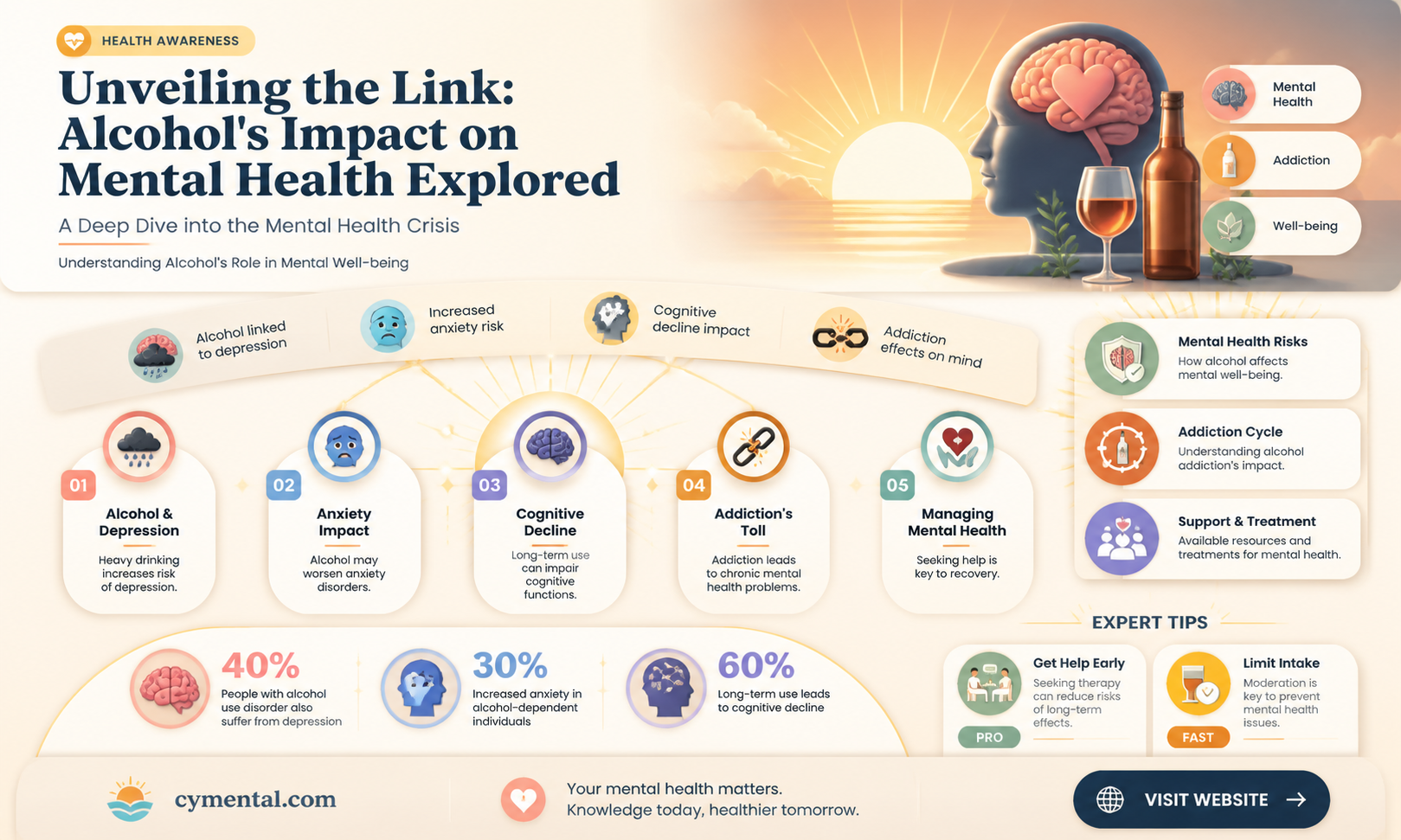
Alcohol consumption has long been a topic of discussion in relation to its effects on mental health. While moderate drinking is often considered socially acceptable, excessive alcohol intake can lead to a range of mental problems. These issues can manifest in various ways, including impaired cognitive function, mood disorders, and increased risk of developing mental illnesses such as depression and anxiety. Understanding the relationship between alcohol and mental health is crucial for promoting responsible drinking habits and addressing the potential consequences of alcohol abuse.
| Characteristics | Values |
|---|---|
| Direct causal link | While alcohol can exacerbate existing mental health issues, it is not proven to directly cause mental problems in individuals without pre-existing conditions. |
| Indirect impact | Alcohol misuse can lead to a range of negative consequences, including impaired judgment, risky behaviors, and strained relationships, which may indirectly contribute to mental health issues. |
| Neurological effects | Chronic alcohol consumption can damage the brain's structure and function, potentially leading to cognitive impairment and increasing the risk of developing mental health disorders. |
| Dependency and withdrawal | Alcohol dependence can result in withdrawal symptoms when attempting to quit, which may include anxiety, depression, and in severe cases, delirium tremens. |
| Comorbidity | Individuals with mental health disorders are more likely to experience alcohol use disorder, and vice versa, highlighting a complex relationship between alcohol and mental health. |
| Social and environmental factors | Societal norms, peer pressure, and environmental stressors can influence both alcohol consumption and mental health, complicating the causal relationship. |
| Genetic predisposition | Genetic factors may play a role in an individual's susceptibility to both alcohol misuse and mental health issues, suggesting a potential shared genetic link. |
| Age and developmental factors | Early alcohol exposure and binge drinking during adolescence can negatively impact brain development and increase the risk of future mental health problems. |
| Gender differences | Women may be more vulnerable to the mental health effects of alcohol due to differences in metabolism, body composition, and hormonal influences. |
| Treatment and recovery | Addressing alcohol misuse and mental health issues often requires integrated treatment approaches, including therapy, medication, and support groups. |
| Prevention strategies | Education, awareness campaigns, and responsible drinking practices can help mitigate the potential mental health risks associated with alcohol consumption. |
| Research gaps | Further studies are needed to fully understand the complex interplay between alcohol and mental health, particularly in identifying causal mechanisms and effective interventions. |
Explore related products


What You'll Learn
- Short-term Effects: Alcohol can impair judgment, coordination, and balance, leading to risky behaviors and accidents
- Long-term Consequences: Chronic alcohol use may result in cognitive decline, memory loss, and increased risk of dementia
- Mental Health Impact: Alcohol abuse is linked to depression, anxiety, and psychosis, worsening existing mental health conditions
- Addiction and Withdrawal: Dependence on alcohol can lead to severe withdrawal symptoms, including hallucinations and seizures
- Social and Relationship Issues: Alcohol problems can strain relationships, lead to domestic violence, and cause social isolation

Short-term Effects: Alcohol can impair judgment, coordination, and balance, leading to risky behaviors and accidents
Alcohol's immediate impact on the brain can significantly alter an individual's judgment, coordination, and balance. These short-term effects are often the precursors to risky behaviors and accidents. For instance, even small amounts of alcohol can reduce reaction times and impair motor skills, making driving a vehicle or operating machinery dangerous. This impairment is due to alcohol's depressive effects on the central nervous system, which can disrupt the brain's ability to process information and respond appropriately to stimuli.
One of the most concerning short-term effects of alcohol is its influence on decision-making. Under the influence, individuals may engage in behaviors they would otherwise avoid, such as unprotected sex, binge eating, or aggressive confrontations. This is because alcohol can lower inhibitions and impair the brain's executive functions, which are responsible for planning, problem-solving, and impulse control. As a result, individuals may find themselves in situations that pose significant risks to their health and safety.
Moreover, alcohol can also affect an individual's sense of balance and spatial awareness. This can lead to falls, trips, and other accidents, particularly in environments with uneven surfaces or poor lighting. The combination of impaired judgment and coordination can make it difficult for individuals to assess risks accurately and respond to potential hazards effectively.
It is important to note that these short-term effects can occur even with moderate alcohol consumption. The Centers for Disease Control and Prevention (CDC) defines moderate drinking as up to one drink per day for women and up to two drinks per day for men. However, individual tolerance and susceptibility to alcohol's effects can vary greatly, making it difficult to predict how much alcohol will impair judgment, coordination, and balance in a given person.
To mitigate these risks, it is essential to practice responsible drinking habits. This includes knowing one's limits, avoiding alcohol consumption on an empty stomach, and designating a sober driver when necessary. Additionally, individuals should be aware of the potential interactions between alcohol and medications, as well as the risks associated with mixing alcohol with other substances, such as drugs or energy drinks.
In conclusion, the short-term effects of alcohol on judgment, coordination, and balance can lead to a range of risky behaviors and accidents. By understanding these effects and taking steps to drink responsibly, individuals can reduce their risk of experiencing alcohol-related harm.
Exploring the Link: Sinus Infections and Mental Health Changes
You may want to see also
Explore related products


Long-term Consequences: Chronic alcohol use may result in cognitive decline, memory loss, and increased risk of dementia
Chronic alcohol use has been linked to a myriad of long-term health consequences, with cognitive decline being one of the most significant. Prolonged exposure to alcohol can lead to the deterioration of brain function, affecting areas responsible for memory, learning, and decision-making. This decline is often gradual, making it difficult to detect in its early stages. However, over time, the effects become more pronounced, leading to noticeable memory loss and an increased risk of developing dementia.
Studies have shown that heavy drinkers are at a higher risk of developing cognitive impairments compared to moderate or non-drinkers. The risk increases with the duration and intensity of alcohol consumption. For instance, individuals who have been drinking heavily for several years are more likely to experience cognitive decline than those who have been drinking moderately for the same period.
The exact mechanisms by which alcohol causes cognitive decline are still being researched, but several factors are believed to play a role. Alcohol can cause inflammation in the brain, leading to the destruction of brain cells. It can also interfere with the communication between neurons, disrupting the normal functioning of the brain. Additionally, chronic alcohol use can lead to nutritional deficiencies, particularly in vitamins B1 and B12, which are essential for brain health.
The effects of chronic alcohol use on cognition can have a significant impact on an individual's daily life. Memory loss can make it difficult to perform everyday tasks, such as remembering appointments or learning new information. Cognitive decline can also affect an individual's ability to make sound decisions, leading to poor judgment and potentially risky behaviors.
Fortunately, some of the cognitive effects of chronic alcohol use can be reversed with abstinence. However, the extent of recovery depends on various factors, including the duration and intensity of alcohol consumption, as well as the individual's overall health. Early intervention and treatment can significantly improve the chances of recovery and prevent further cognitive decline.
In conclusion, chronic alcohol use can have severe long-term consequences on cognitive function, leading to memory loss and an increased risk of dementia. It is essential to be aware of these risks and to seek help if alcohol consumption becomes problematic. With proper treatment and support, individuals can reduce their risk of cognitive decline and improve their overall health and well-being.
Unraveling the Genetic Puzzle of Mental Illness: One Gene's Impact?
You may want to see also
Explore related products

$15.99 $21.95

$9.99 $9.99


Mental Health Impact: Alcohol abuse is linked to depression, anxiety, and psychosis, worsening existing mental health conditions
Alcohol abuse has a profound impact on mental health, exacerbating conditions such as depression, anxiety, and psychosis. Research indicates that excessive alcohol consumption can lead to the development of these mental health issues, or worsen pre-existing conditions. This is due to the way alcohol affects the brain's chemistry, particularly the neurotransmitters responsible for regulating mood and emotional responses.
Depression is one of the most common mental health issues linked to alcohol abuse. Alcohol is a depressant, which means it slows down the central nervous system and can lead to feelings of sadness, hopelessness, and helplessness. Over time, this can develop into clinical depression, a serious mental health condition that requires professional treatment.
Anxiety is another mental health issue that can be exacerbated by alcohol abuse. While alcohol may provide temporary relief from anxiety symptoms, it can actually increase anxiety levels in the long run. This is because alcohol disrupts the balance of neurotransmitters in the brain, leading to increased feelings of worry, fear, and apprehension.
Psychosis, a severe mental health condition characterized by a loss of touch with reality, can also be triggered or worsened by alcohol abuse. Alcohol can cause hallucinations, delusions, and disorganized thinking, which are all symptoms of psychosis. In some cases, alcohol-induced psychosis can be so severe that it requires hospitalization and intensive treatment.
It's important to note that the relationship between alcohol abuse and mental health is complex and bidirectional. Mental health issues can also lead to alcohol abuse, as individuals may turn to alcohol as a way to cope with their symptoms. This can create a vicious cycle, where alcohol abuse worsens mental health symptoms, which in turn leads to increased alcohol consumption.
Breaking this cycle requires a comprehensive approach to treatment that addresses both the mental health issues and the alcohol abuse. This may include therapy, medication, and support groups, as well as lifestyle changes such as improved diet, exercise, and stress management techniques. By addressing both aspects of the problem, individuals can improve their mental health and reduce their reliance on alcohol, leading to a better quality of life.
Exploring the Link: How Mental Stress Can Lead to Fatigue
You may want to see also
Explore related products


Addiction and Withdrawal: Dependence on alcohol can lead to severe withdrawal symptoms, including hallucinations and seizures
Alcohol addiction is a chronic disorder characterized by compulsive alcohol use, loss of control over intake, and a negative emotional state when not consuming alcohol. One of the most challenging aspects of alcohol addiction is the withdrawal process. When individuals who are dependent on alcohol suddenly stop drinking, they can experience a range of severe withdrawal symptoms.
Withdrawal symptoms can vary in intensity and may include anxiety, tremors, sweating, nausea, vomiting, and insomnia. In more severe cases, individuals may experience hallucinations, seizures, and delirium tremens—a potentially life-threatening condition characterized by confusion, rapid heart rate, and high blood pressure. These symptoms can be extremely distressing and may lead to relapse if not properly managed.
The severity and duration of withdrawal symptoms depend on several factors, including the amount and frequency of alcohol consumption, the length of time the individual has been addicted, and their overall health. Withdrawal can begin within a few hours of stopping alcohol intake and may last for several days to a week or more.
Medical professionals often recommend a supervised detox program for individuals who are at risk of experiencing severe withdrawal symptoms. These programs provide a safe and supportive environment where individuals can receive medical care and monitoring as they go through the withdrawal process. Medications such as benzodiazepines may be used to help manage symptoms and reduce the risk of complications.
In addition to medical treatment, psychological support is also crucial for individuals going through alcohol withdrawal. Counseling and therapy can help individuals address the underlying issues that contributed to their addiction and develop coping strategies for managing cravings and avoiding relapse. Support groups such as Alcoholics Anonymous can also provide valuable peer support and encouragement during the recovery process.
Overall, while alcohol withdrawal can be a challenging and potentially dangerous process, with the right medical and psychological support, individuals can successfully overcome their addiction and achieve long-term recovery.
Unraveling the Link: Mental Illness and Anger Outbursts Explained
You may want to see also
Explore related products


Social and Relationship Issues: Alcohol problems can strain relationships, lead to domestic violence, and cause social isolation
Alcohol problems can have a profound impact on an individual's social and relational well-being. One of the most significant issues is the strain it can place on relationships. When someone is struggling with alcohol addiction, their behavior can become unpredictable and erratic, leading to arguments and misunderstandings with friends and family. This can result in a breakdown of trust and communication, ultimately causing relationships to falter.
In addition to straining relationships, alcohol problems can also lead to domestic violence. When under the influence, individuals may become more aggressive and prone to outbursts of anger. This can escalate into physical altercations, which can have severe consequences for both the victim and the perpetrator. Domestic violence is a serious issue that can lead to long-term emotional and physical trauma, and it is often linked to alcohol abuse.
Social isolation is another common consequence of alcohol problems. As relationships deteriorate and individuals become more entrenched in their addiction, they may withdraw from social activities and interactions. This can lead to a sense of loneliness and disconnection, which can further exacerbate the mental health issues associated with alcohol addiction. Social isolation can also make it more difficult for individuals to seek help and support, as they may feel ashamed or embarrassed about their situation.
It is important to note that the social and relationship issues caused by alcohol problems can have a ripple effect, impacting not only the individual struggling with addiction but also their loved ones. Children of alcoholics, for example, may experience emotional and psychological trauma that can affect them well into adulthood. Similarly, partners and friends of individuals with alcohol problems may also experience stress, anxiety, and depression as a result of the strain on their relationships.
In conclusion, the social and relationship issues associated with alcohol problems are complex and far-reaching. They can lead to a breakdown of trust and communication, domestic violence, and social isolation, all of which can have severe consequences for the individual and their loved ones. It is crucial for those struggling with alcohol addiction to seek help and support, not only for their own well-being but also for the sake of their relationships and social connections.
Exploring the Link Between ADHD and Mental Health Crises
You may want to see also
Frequently asked questions
Yes, excessive alcohol consumption can lead to various mental health issues, including depression, anxiety, and addiction.
Alcohol affects the brain by altering the balance of neurotransmitters, which can lead to changes in mood, behavior, and cognitive function.
Short-term mental effects of alcohol can include impaired judgment, reduced inhibitions, and altered mood.
Yes, long-term alcohol abuse can lead to chronic mental health conditions such as alcoholic dementia, Wernicke-Korsakoff syndrome, and alcoholic hallucinosis.
Moderate alcohol consumption, defined as up to one drink per day for women and up to two drinks per day for men, is generally considered safe for most people. However, individual tolerance and health conditions can vary.