Ava Ramirez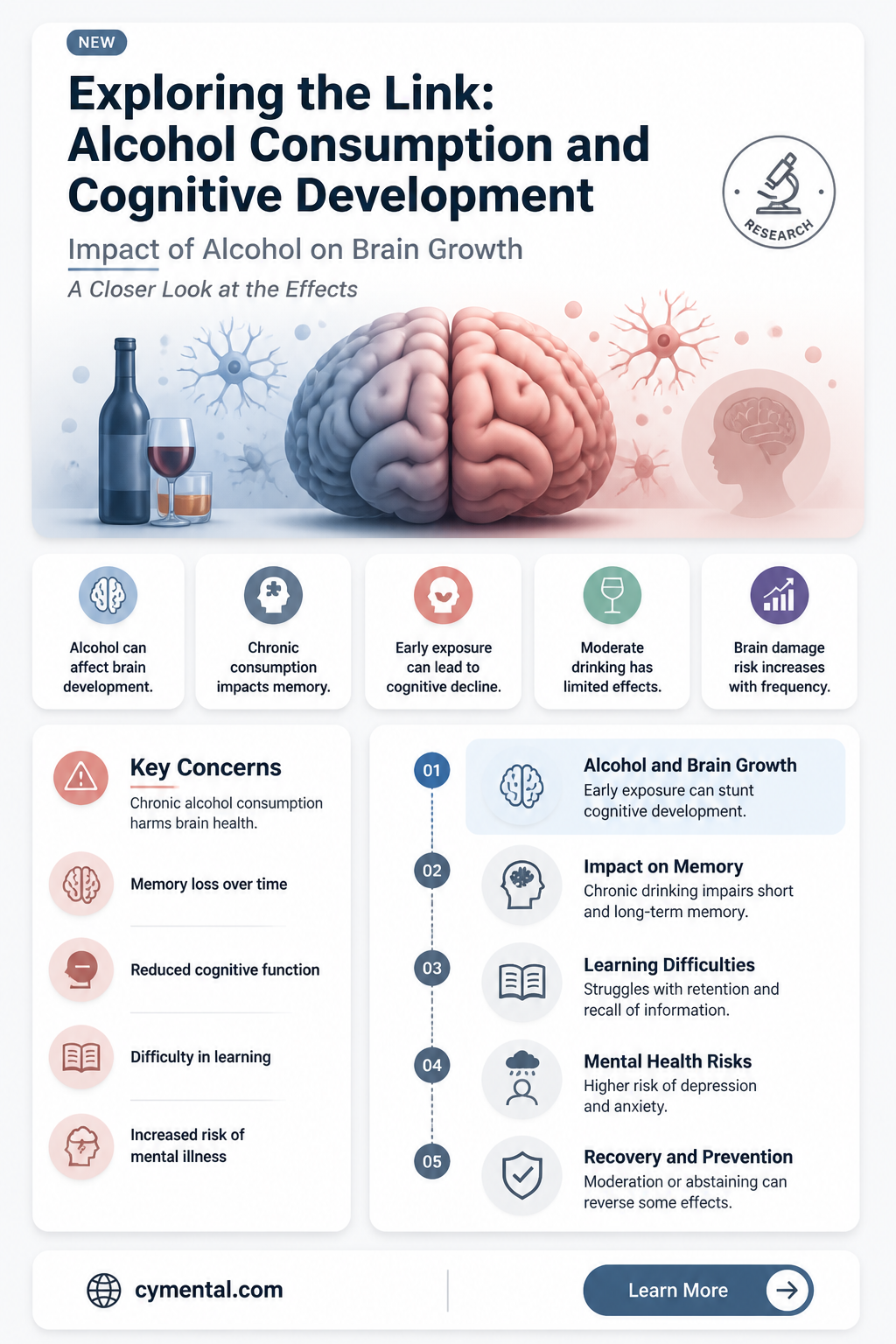
Alcohol consumption, particularly during pregnancy, has been a subject of extensive research due to its potential effects on fetal development. One critical area of concern is the possibility of alcohol causing mental retardation. Studies have shown that prenatal alcohol exposure can lead to a range of cognitive impairments, including reduced IQ, memory deficits, and difficulties with executive functioning. These effects can be attributed to alcohol's ability to interfere with the normal development of the brain, particularly during crucial periods of growth. While the severity of these impairments can vary depending on factors such as the amount and timing of alcohol consumption, as well as individual genetic predispositions, the consensus among experts is that alcohol should be avoided during pregnancy to minimize the risk of adverse outcomes for the child.
| Characteristics | Values |
|---|---|
| Definition | Mental retardation refers to a condition characterized by a significant delay in cognitive development, typically identified by an IQ score below 70. |
| Causes | Alcohol consumption during pregnancy is a known cause of mental retardation, particularly if consumed in excessive amounts. |
| Mechanism | Alcohol can interfere with the normal development of the fetal brain, leading to structural and functional abnormalities. |
| Risk Factors | The risk of mental retardation increases with the amount and frequency of alcohol consumption during pregnancy. Binge drinking is particularly harmful. |
| Prevention | Avoiding alcohol consumption during pregnancy is the most effective way to prevent alcohol-related mental retardation. |
| Diagnosis | Mental retardation is typically diagnosed through IQ testing and assessment of adaptive behaviors. |
| Symptoms | Symptoms may include delayed speech and language development, poor memory, difficulty with problem-solving, and impaired social skills. |
| Treatment | While there is no cure for mental retardation, early intervention and support can help improve outcomes and quality of life. |
| Prognosis | The prognosis varies depending on the severity of the condition and the presence of other associated disorders. |
| Epidemiology | Alcohol-related mental retardation is a significant public health concern, with an estimated prevalence of 1-2% in the general population. |
| Research | Ongoing research is focused on understanding the underlying mechanisms of alcohol-related mental retardation and developing effective prevention and treatment strategies. |
| Public Policy | Many countries have implemented policies to reduce alcohol consumption during pregnancy, such as warning labels on alcoholic beverages and public awareness campaigns. |
| Social Impact | Mental retardation can have significant social and economic impacts, affecting not only the individual but also their families and communities. |
| Ethical Considerations | There are ethical concerns surrounding the consumption of alcohol during pregnancy, as it can have lifelong consequences for the child. |
| Support Resources | Various support resources are available for individuals and families affected by mental retardation, including counseling, therapy, and educational programs. |
Explore related products


What You'll Learn
- Short-Term Effects: Alcohol's immediate impact on cognitive functions and behavior
- Long-Term Consequences: Potential for chronic alcohol use to lead to lasting cognitive impairments
- Fetal Alcohol Syndrome: Risks and effects of alcohol consumption during pregnancy on fetal development
- Neurological Mechanisms: How alcohol affects brain chemistry and structure, potentially leading to retardation
- Social and Environmental Factors: Influence of societal norms and environmental factors on alcohol-related cognitive outcomes

Short-Term Effects: Alcohol's immediate impact on cognitive functions and behavior
Alcohol's immediate impact on cognitive functions and behavior is multifaceted and can be observed in various ways. One of the most noticeable short-term effects is the impairment of motor skills and coordination. Even small amounts of alcohol can lead to a decrease in reaction time and an increase in the risk of accidents, which is why driving under the influence is illegal in many jurisdictions. This impairment is due to alcohol's effect on the cerebellum, the part of the brain responsible for coordinating voluntary movements.
Another significant short-term effect of alcohol is its impact on memory and learning. Alcohol can interfere with the formation of new memories and can also impair the retrieval of existing ones. This is often referred to as "blacking out," where individuals may not remember events that occurred while they were intoxicated. Additionally, alcohol can impair cognitive functions such as attention, concentration, and decision-making, which can lead to risky behaviors and poor judgment.
Alcohol also has a profound effect on mood and emotions. While it may initially produce feelings of relaxation and euphoria, it can also lead to anxiety, depression, and irritability as the effects wear off. This is due to alcohol's impact on neurotransmitters in the brain, such as serotonin and dopamine, which play a crucial role in regulating mood.
Furthermore, alcohol can disrupt sleep patterns, leading to insomnia or poor-quality sleep. This can exacerbate the cognitive impairments caused by alcohol, as sleep is essential for memory consolidation and cognitive function. Chronic sleep disruption can also contribute to long-term mental health issues.
In summary, the short-term effects of alcohol on cognitive functions and behavior are significant and can include impaired motor skills, memory and learning difficulties, mood disturbances, and disrupted sleep patterns. These effects can have serious consequences, including increased risk of accidents, poor decision-making, and long-term mental health issues.
The Impact of a Troubled Marriage on Mental Health
You may want to see also
Explore related products


Long-Term Consequences: Potential for chronic alcohol use to lead to lasting cognitive impairments
Chronic alcohol use has been linked to a range of cognitive impairments that can persist even after sobriety is achieved. One of the most significant long-term consequences is the potential for alcohol-related brain damage, which can manifest as difficulties with memory, attention, and executive functioning. Studies have shown that prolonged exposure to alcohol can lead to a reduction in brain volume, particularly in areas responsible for these higher-order cognitive functions.
The severity of these impairments can vary depending on factors such as the duration and intensity of alcohol use, as well as individual differences in genetics and overall health. However, even moderate drinkers may experience some degree of cognitive decline over time. For example, a study published in the British Medical Journal found that middle-aged adults who consumed more than 14 units of alcohol per week had a higher risk of developing cognitive impairment compared to those who drank less.
In addition to these cognitive effects, chronic alcohol use can also lead to changes in brain chemistry and structure. For instance, alcohol has been shown to disrupt the balance of neurotransmitters in the brain, which can contribute to mood disorders and other mental health issues. Furthermore, alcohol-related liver damage can lead to a buildup of toxins in the blood, which can then cross the blood-brain barrier and cause further damage to brain cells.
It is important to note that while some of these cognitive impairments may be reversible with abstinence, others may persist even after long periods of sobriety. This highlights the importance of early intervention and treatment for individuals struggling with alcohol addiction, as well as the need for ongoing support and monitoring to address any lasting cognitive effects.
In conclusion, the long-term consequences of chronic alcohol use on cognitive function are significant and multifaceted. By understanding these risks and taking steps to mitigate them, individuals can better protect their brain health and overall well-being.
Unveiling the Link: Depression's Impact on Cognitive Clarity
You may want to see also
Explore related products


Fetal Alcohol Syndrome: Risks and effects of alcohol consumption during pregnancy on fetal development
Fetal Alcohol Syndrome (FAS) is a condition that occurs when a mother consumes alcohol during pregnancy, leading to a range of physical, behavioral, and cognitive difficulties in the child. One of the most significant risks associated with FAS is the potential for mental retardation, which can have lifelong implications for the affected individual.
Alcohol consumption during pregnancy can interfere with the normal development of the fetus's brain, leading to structural abnormalities and functional impairments. This can result in a range of cognitive deficits, including difficulties with memory, attention, and problem-solving. In severe cases, FAS can cause profound mental retardation, characterized by an IQ below 70 and significant impairments in daily functioning.
The effects of alcohol on fetal development are dose-dependent, meaning that the more alcohol a mother consumes, the greater the risk of FAS and associated cognitive impairments. However, even moderate alcohol consumption can pose risks to the developing fetus. It is important to note that the effects of alcohol can vary widely from one individual to another, and some children may be more susceptible to the damaging effects of alcohol than others.
There are several factors that can influence the severity of FAS, including the mother's age, overall health, and genetic background. Additionally, the timing and duration of alcohol consumption during pregnancy can play a role in determining the extent of the damage. For example, alcohol consumption during the first trimester of pregnancy is particularly risky, as this is a critical period for brain development.
While there is no cure for FAS, early intervention and support can help to mitigate some of the effects of the condition. This may include behavioral therapy, educational support, and medical treatment for associated health problems. It is also important for mothers to be aware of the risks of alcohol consumption during pregnancy and to seek help if they are struggling with addiction.
In conclusion, FAS is a serious condition that can have profound implications for the cognitive and emotional development of a child. By understanding the risks and effects of alcohol consumption during pregnancy, we can work to prevent FAS and provide support for those affected by the condition.
Exploring the Link: Can AIDS Contribute to Mental Illness?
You may want to see also
Neurological Mechanisms: How alcohol affects brain chemistry and structure, potentially leading to retardation
Alcohol consumption has a profound impact on the brain's chemistry and structure, potentially leading to cognitive impairments and developmental delays. One of the primary mechanisms by which alcohol affects the brain is through its interference with neurotransmitter function. Neurotransmitters are chemical messengers that facilitate communication between brain cells, and alcohol can disrupt their normal signaling pathways. For instance, alcohol can inhibit the release of glutamate, an excitatory neurotransmitter, while simultaneously increasing the activity of GABA, an inhibitory neurotransmitter. This imbalance can lead to a decrease in neuronal excitability and impaired cognitive function.
In addition to its effects on neurotransmitters, alcohol can also cause structural damage to the brain. Chronic alcohol consumption has been linked to a reduction in brain volume, particularly in areas responsible for memory, learning, and executive function. This shrinkage is thought to be due to the toxic effects of alcohol on brain cells, leading to cell death and the loss of neural connections. Furthermore, alcohol can impair the development of new brain cells, a process known as neurogenesis, which is critical for learning and memory formation.
The impact of alcohol on brain development is particularly concerning during fetal development. Prenatal alcohol exposure can lead to a range of cognitive and behavioral problems in children, including learning disabilities, attention deficits, and impaired social skills. This is because alcohol can cross the placenta and directly affect the developing fetal brain, disrupting normal growth and development patterns.
It is important to note that the effects of alcohol on the brain can vary depending on factors such as the amount and frequency of consumption, age, and individual genetic predispositions. While moderate alcohol consumption may not cause significant harm, excessive or chronic drinking can lead to serious neurological consequences. Understanding the complex interplay between alcohol and brain function is crucial for developing effective prevention and treatment strategies for alcohol-related cognitive impairments.
Exploring the Link: Malnutrition and Mental Health Concerns
You may want to see also
Social and Environmental Factors: Influence of societal norms and environmental factors on alcohol-related cognitive outcomes
Societal norms play a significant role in shaping individuals' attitudes and behaviors towards alcohol consumption. Cultures that normalize or even glorify heavy drinking may inadvertently contribute to cognitive impairments associated with excessive alcohol use. For instance, in some societies, binge drinking is seen as a rite of passage or a sign of masculinity, which can lead to repeated episodes of alcohol-induced cognitive dysfunction. Over time, this can result in long-term cognitive deficits, including difficulties with memory, attention, and decision-making.
Environmental factors also play a crucial role in the relationship between alcohol consumption and cognitive outcomes. Access to alcohol, economic status, and living conditions can all influence an individual's likelihood of developing alcohol-related cognitive impairments. For example, individuals living in areas with high alcohol availability and low socioeconomic status may be more prone to excessive drinking due to stress and lack of alternative coping mechanisms. This, in turn, can lead to a higher risk of cognitive decline.
Moreover, the impact of societal norms and environmental factors on alcohol-related cognitive outcomes can vary across different age groups. Adolescents and young adults are particularly vulnerable to the influence of peer pressure and societal expectations regarding drinking behavior. Early exposure to heavy drinking can disrupt normal brain development, leading to long-lasting cognitive consequences. On the other hand, older adults may be more susceptible to the effects of environmental stressors, such as financial insecurity or social isolation, which can exacerbate the cognitive impacts of excessive alcohol consumption.
It is essential to consider the interplay between societal norms, environmental factors, and individual characteristics when assessing the risk of alcohol-related cognitive impairments. By understanding these complex interactions, we can develop more effective prevention and intervention strategies to mitigate the harmful effects of excessive alcohol use on cognitive function.
Understanding Mental Retardation: Causes and Prevention Strategies
You may want to see also
Frequently asked questions
Yes, alcohol consumption during pregnancy can lead to a range of developmental issues in the child, including mental retardation. This condition is known as Fetal Alcohol Syndrome (FAS) and can result in cognitive impairments, behavioral problems, and physical abnormalities.
There is no known safe level of alcohol consumption during pregnancy. It is recommended that pregnant women abstain from alcohol entirely to avoid the risk of FAS and other alcohol-related developmental issues.
Mental retardation caused by FAS is generally considered to be irreversible. However, early intervention and treatment can help to manage the symptoms and improve the child's quality of life. This may include special education, behavioral therapy, and medical treatment for any associated physical conditions.