Harper Lewis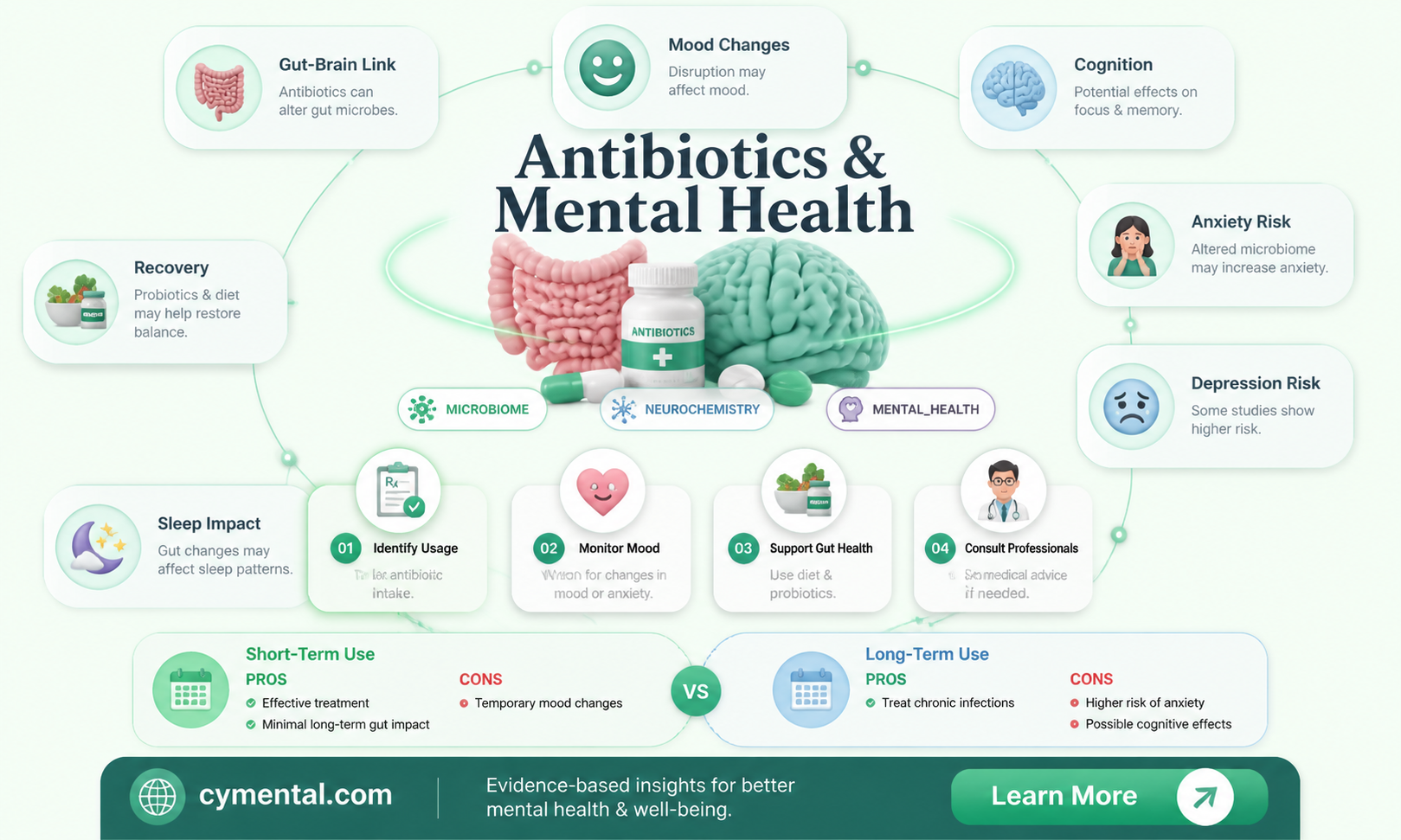
Antibiotics are essential medications used to treat bacterial infections, but their impact extends beyond physical health. Recent research has explored a potential link between antibiotic use and mental health, suggesting that these medications may influence mood, cognition, and behavior. This connection is thought to be related to the gut-brain axis, a bidirectional communication system between the gastrointestinal tract and the central nervous system. Disruptions to the gut microbiome, which can occur with antibiotic use, may lead to changes in brain function and mental health outcomes. While the evidence is still emerging, it highlights the importance of considering the broader implications of antibiotic treatment on overall well-being.
| Characteristics | Values |
|---|---|
| Potential Impact | Antibiotics can influence mental health through various mechanisms, including changes in the gut microbiome, which may lead to alterations in mood and cognitive function. |
| Mechanism of Action | Antibiotics may disrupt the balance of gut bacteria, potentially leading to increased inflammation, changes in neurotransmitter levels, and disruptions in the hypothalamic-pituitary-adrenal (HPA) axis. |
| Commonly Affected Antibiotics | Fluoroquinolones, macrolides, and tetracyclines are among the classes of antibiotics that have been reported to potentially affect mental health. |
| Symptoms | Possible symptoms include anxiety, depression, mood swings, irritability, and cognitive disturbances such as confusion or memory problems. |
| Risk Factors | Individuals with pre-existing mental health conditions, those taking multiple antibiotics, and patients with chronic infections may be at higher risk. |
| Prevention Strategies | Probiotics, maintaining a balanced diet, and minimizing unnecessary antibiotic use can help mitigate potential mental health impacts. |
| Treatment Options | If mental health symptoms occur, discontinuing the antibiotic (if possible), seeking psychological support, and considering alternative treatments may be beneficial. |
| Research Findings | Studies have shown associations between antibiotic use and increased risk of depression and anxiety, although more research is needed to fully understand the relationship. |
| Public Awareness | Educating patients and healthcare providers about the potential mental health effects of antibiotics is crucial for early recognition and intervention. |
| Future Directions | Further research is warranted to explore the long-term effects of antibiotics on mental health, identify high-risk populations, and develop targeted interventions. |
Explore related products


What You'll Learn
- Gut-Brain Axis: Antibiotics alter gut microbiota, impacting neurotransmitter production and mental health
- Inflammation: Antibiotic use can lead to neuroinflammation, contributing to depression and anxiety
- Microbiome Diversity: Reduced microbial diversity due to antibiotics may affect cognitive function
- Neurotransmitter Imbalance: Antibiotics influence serotonin and dopamine levels, potentially causing mood disorders
- Psychiatric Side Effects: Certain antibiotics have documented psychiatric side effects, including hallucinations and delirium

Gut-Brain Axis: Antibiotics alter gut microbiota, impacting neurotransmitter production and mental health
The gut-brain axis is a bidirectional communication system between the gastrointestinal tract and the central nervous system. This complex network involves multiple pathways, including neural, hormonal, and immunological signaling. Antibiotics, while essential for treating bacterial infections, can disrupt this delicate balance by altering the composition of the gut microbiota.
Research has shown that antibiotics can lead to changes in the diversity and abundance of gut bacteria, which in turn can affect the production of neurotransmitters such as serotonin, dopamine, and GABA. These neurotransmitters play crucial roles in regulating mood, behavior, and cognitive function. For example, serotonin is involved in mood regulation, appetite, and sleep, while dopamine is associated with reward, motivation, and movement.
The impact of antibiotics on mental health is particularly concerning given the rising prevalence of mental health disorders worldwide. Studies have suggested that alterations in the gut microbiota may contribute to the development of conditions such as depression, anxiety, and even autism spectrum disorder. Furthermore, the use of antibiotics in early life has been linked to an increased risk of neurodevelopmental disorders, highlighting the importance of maintaining a healthy gut microbiota during critical periods of brain development.
To mitigate the potential negative effects of antibiotics on mental health, it is essential to use these medications judiciously and only when necessary. Additionally, strategies such as probiotic supplementation, prebiotic consumption, and maintaining a balanced diet rich in fiber can help support a healthy gut microbiota. Future research should continue to explore the complex relationship between the gut-brain axis and mental health, with the goal of developing novel therapeutic approaches that target this critical system.
Harmonizing Minds: The Powerful Impact of Music on Mental Health
You may want to see also
Explore related products


Inflammation: Antibiotic use can lead to neuroinflammation, contributing to depression and anxiety
Antibiotic use has been linked to a range of mental health issues, including depression and anxiety. One possible explanation for this connection is the role of antibiotics in promoting neuroinflammation. Neuroinflammation refers to the activation of the immune system in the brain, which can lead to the release of pro-inflammatory cytokines and other molecules that can disrupt normal brain function.
Studies have shown that antibiotics can alter the gut microbiome, which plays a crucial role in regulating the immune system and maintaining brain health. By disrupting the balance of bacteria in the gut, antibiotics can lead to an overactive immune response in the brain, resulting in neuroinflammation. This, in turn, can contribute to the development of depression and anxiety.
Furthermore, antibiotics have been shown to directly affect the brain's neurotransmitter systems, including the serotonin and dopamine pathways, which are involved in mood regulation. By altering the levels of these neurotransmitters, antibiotics can potentially exacerbate symptoms of depression and anxiety.
It is important to note that not all antibiotics are associated with neuroinflammation and mental health issues. The risk may vary depending on the specific antibiotic, the dosage, and the duration of treatment. Additionally, individual factors such as age, overall health, and genetic predisposition may also play a role in determining the likelihood of experiencing mental health side effects from antibiotic use.
In conclusion, while antibiotics are essential for treating bacterial infections, their potential impact on mental health should not be overlooked. Healthcare providers should be aware of the possible risks and consider alternative treatments or adjunct therapies to mitigate the effects of antibiotics on the brain. Further research is needed to fully understand the mechanisms underlying the relationship between antibiotic use, neuroinflammation, and mental health.
Exploring the Complex Relationship Between Drugs and Mental Health
You may want to see also
Explore related products


Microbiome Diversity: Reduced microbial diversity due to antibiotics may affect cognitive function
Recent research has uncovered a fascinating link between the gut microbiome and cognitive function. The gut microbiome is a complex ecosystem of microorganisms that reside in the digestive tract, playing a crucial role in various physiological processes. Studies have shown that disruptions in this delicate balance, such as those caused by antibiotic use, may have far-reaching consequences for mental health.
Antibiotics, while essential for treating bacterial infections, can inadvertently alter the composition of the gut microbiome. This is because antibiotics do not discriminate between harmful and beneficial bacteria, leading to a reduction in microbial diversity. A decrease in microbial diversity has been associated with various health issues, including impaired cognitive function.
The exact mechanisms by which reduced microbial diversity affects cognitive function are still being explored. However, it is believed that the gut-brain axis, a bidirectional communication system between the gut and the brain, plays a significant role. The gut microbiome produces various metabolites and neurotransmitters that influence brain function, and disruptions in this communication can lead to cognitive impairments.
Furthermore, research has shown that the effects of antibiotics on the gut microbiome may be long-lasting, potentially persisting even after the antibiotics have been discontinued. This suggests that the impact of antibiotics on cognitive function could be a lingering concern, particularly for individuals who have undergone prolonged or repeated antibiotic treatment.
In light of these findings, it is essential to consider the potential cognitive implications of antibiotic use, especially in vulnerable populations such as children and the elderly. Healthcare professionals should weigh the benefits and risks of antibiotic treatment, taking into account the potential long-term effects on the gut microbiome and cognitive function. Additionally, further research is needed to develop strategies for mitigating the negative impacts of antibiotics on the gut microbiome, such as through the use of probiotics or prebiotics.
Recognizing the Warning Signs: Stress and Its Impact on Mental Health
You may want to see also
Explore related products




Neurotransmitter Imbalance: Antibiotics influence serotonin and dopamine levels, potentially causing mood disorders
Antibiotics are known to disrupt the balance of neurotransmitters in the brain, specifically serotonin and dopamine, which are crucial for regulating mood. This imbalance can lead to a range of mood disorders, including depression and anxiety. The mechanism behind this disruption is complex and involves the gut-brain axis, where antibiotics alter the composition of gut bacteria, affecting the production and metabolism of these neurotransmitters.
Serotonin, often referred to as the "feel-good" hormone, is primarily produced in the gut and plays a significant role in regulating mood, appetite, and sleep. Antibiotics can reduce the levels of serotonin by altering the gut microbiota, which in turn affects the brain's ability to regulate mood. This can manifest as symptoms of depression, such as persistent sadness, loss of interest in activities, and changes in sleep patterns.
Dopamine, another key neurotransmitter, is involved in the brain's reward and pleasure centers. It helps regulate motivation, focus, and emotional responses. Antibiotic use can lead to a decrease in dopamine levels, resulting in symptoms like fatigue, lack of motivation, and anhedonia (the inability to feel pleasure). This disruption can also contribute to the development of anxiety disorders, characterized by excessive worry, restlessness, and difficulty concentrating.
The impact of antibiotics on mental health is not immediate and can take weeks or even months to manifest. It is important to note that not all antibiotics have the same effect on neurotransmitter levels, and the severity of the impact can vary depending on the type of antibiotic, the duration of use, and individual factors such as age, overall health, and genetic predisposition.
In conclusion, the potential for antibiotics to cause mood disorders through neurotransmitter imbalance is a significant concern. Healthcare providers should be aware of this risk and consider it when prescribing antibiotics, especially for patients with a history of mental health issues. Alternative treatments or probiotics may be recommended to mitigate the impact on the gut-brain axis and reduce the risk of mood disorders.
Exploring the Impact of Stroke on Mental Health: A Comprehensive Guide
You may want to see also
Explore related products


Psychiatric Side Effects: Certain antibiotics have documented psychiatric side effects, including hallucinations and delirium
Certain antibiotics have been linked to psychiatric side effects, including hallucinations and delirium. These side effects are relatively rare but can be severe and distressing for patients. It is important for healthcare providers to be aware of these potential side effects and to monitor patients closely for any signs of psychiatric distress while they are taking antibiotics.
One of the most well-documented antibiotics associated with psychiatric side effects is ciprofloxacin. This antibiotic has been linked to a range of psychiatric symptoms, including anxiety, depression, and psychosis. In some cases, these symptoms have persisted even after the antibiotic has been discontinued. Other antibiotics that have been associated with psychiatric side effects include amoxicillin, penicillin, and erythromycin.
The exact mechanism by which antibiotics cause psychiatric side effects is not fully understood. However, it is thought that antibiotics may disrupt the balance of bacteria in the gut, which can have a negative impact on mental health. Additionally, antibiotics may interfere with the absorption of certain nutrients, such as vitamin B12, which are important for maintaining good mental health.
Patients who are taking antibiotics should be aware of the potential for psychiatric side effects and should report any symptoms to their healthcare provider immediately. Healthcare providers should also consider the potential for psychiatric side effects when prescribing antibiotics, especially for patients with a history of mental health problems. In some cases, it may be necessary to prescribe a different antibiotic or to provide additional monitoring to ensure that patients are not experiencing any adverse effects.
In conclusion, while antibiotics are generally safe and effective medications, they can sometimes cause psychiatric side effects. It is important for healthcare providers and patients to be aware of these potential side effects and to take steps to minimize the risk. By monitoring patients closely and considering the potential for psychiatric side effects when prescribing antibiotics, healthcare providers can help to ensure that patients receive the best possible care.
Unveiling the Mental Impact: A Deep Dive into Depressants' Effects
You may want to see also
Frequently asked questions
Yes, antibiotics can potentially affect mental health. While they are primarily used to treat bacterial infections, some studies suggest that they may influence mood and cognitive function due to their effects on the gut microbiome and neurotransmitter pathways in the brain.
Antibiotics can disrupt the balance of the gut microbiome by killing off both harmful and beneficial bacteria. This imbalance, known as dysbiosis, can lead to changes in the production of neurotransmitters like serotonin and dopamine, which play a crucial role in regulating mood and mental health.
No, the impact of antibiotics on mental health can vary depending on the specific type, dosage, and duration of treatment. Some antibiotics, such as those in the fluoroquinolone class, have been more commonly associated with mental health side effects like anxiety, depression, and confusion.
Potential mental health symptoms associated with antibiotic use can include anxiety, depression, mood swings, irritability, confusion, and even psychosis in rare cases. These symptoms may occur during treatment or persist for some time after the antibiotics have been discontinued.
If you experience mental health symptoms while taking antibiotics, it is important to consult with your healthcare provider. They can evaluate your symptoms and determine whether it is appropriate to continue the antibiotic treatment or explore alternative options. Do not stop taking antibiotics without medical advice, as this could lead to complications from the underlying infection.