Caleb Wright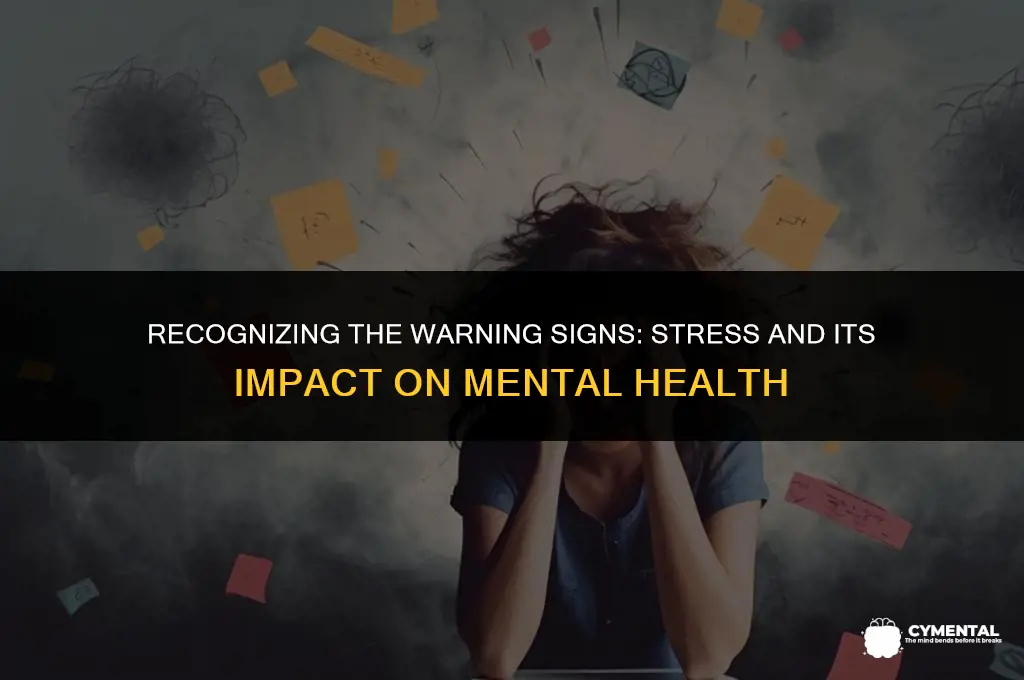
Stress is a pervasive issue that can significantly impact mental health. Recognizing the key signs of stress is crucial for early intervention and maintaining overall well-being. Some of the most common indicators include persistent feelings of anxiety or worry, difficulty concentrating, and changes in appetite or sleep patterns. Additionally, individuals may experience physical symptoms such as headaches, muscle tension, or digestive issues. It's important to note that stress can manifest differently in each person, and being aware of these varied symptoms can help in identifying and addressing stress-related mental health concerns effectively.
Explore related products


What You'll Learn
- Anxiety and Worry: Excessive anxiety, persistent worry, and feeling overwhelmed by daily tasks and responsibilities
- Mood Changes: Frequent mood swings, irritability, and feeling sad or depressed without a clear reason
- Sleep Disturbances: Difficulty falling asleep, staying asleep, or experiencing restful sleep, leading to fatigue
- Physical Symptoms: Headaches, stomachaches, and muscle tension that persist despite medical evaluation and treatment
- Social Withdrawal: Avoiding social interactions, feeling isolated, and lacking motivation to engage in activities

Anxiety and Worry: Excessive anxiety, persistent worry, and feeling overwhelmed by daily tasks and responsibilities
Excessive anxiety and persistent worry are hallmark signs of stress that can significantly impact mental health. When individuals find themselves constantly fretting over daily tasks and responsibilities, it may indicate that their stress levels have become unmanageable. This state of heightened alertness can manifest in various ways, such as an inability to concentrate, irritability, and a pervasive sense of dread.
One of the key indicators of stress-related anxiety is the feeling of being overwhelmed. This can occur when the demands of work, personal relationships, or financial obligations seem insurmountable. As a result, individuals may experience a sense of paralysis, unsure of how to tackle their to-do lists or make important decisions. This feeling of being overwhelmed can lead to a vicious cycle of worry, as individuals become increasingly anxious about their inability to cope with their responsibilities.
Another common manifestation of stress-related anxiety is the tendency to catastrophize. This involves imagining worst-case scenarios and dwelling on potential negative outcomes. For example, an individual may worry excessively about a minor mistake at work, fearing that it will lead to a major disaster or loss of their job. This type of thinking can be debilitating, as it prevents individuals from focusing on the present moment and taking constructive action to address their concerns.
In addition to these cognitive symptoms, stress-related anxiety can also have physical manifestations. Individuals may experience tension headaches, muscle aches, or gastrointestinal issues such as nausea or irritable bowel syndrome. These physical symptoms can further exacerbate feelings of anxiety and worry, creating a cycle of stress that is difficult to break.
To manage stress-related anxiety, it is essential to develop effective coping strategies. This may involve practicing relaxation techniques such as deep breathing or meditation, engaging in regular physical activity, or seeking support from friends and family. In some cases, professional help may be necessary, such as cognitive-behavioral therapy or medication to manage symptoms. By taking proactive steps to address stress and anxiety, individuals can improve their mental health and overall well-being.
Nurturing Mental Wellness: The Power of Supportive Friendships
You may want to see also
Explore related products


Mood Changes: Frequent mood swings, irritability, and feeling sad or depressed without a clear reason
Mood changes are a significant indicator of stress impacting mental health. Frequent mood swings, irritability, and feelings of sadness or depression without a clear reason can be disconcerting and disruptive to daily life. These emotional fluctuations may manifest as sudden outbursts of anger, unexplained tears, or a general sense of unease that persists over time.
One unique aspect of mood changes related to stress is their tendency to affect interpersonal relationships. Irritability can lead to conflicts with friends, family, and colleagues, while persistent sadness may cause individuals to withdraw from social activities they once enjoyed. This social withdrawal can exacerbate feelings of isolation and depression, creating a vicious cycle that is difficult to break without proper intervention.
It is essential to recognize that these mood changes are not a sign of weakness or a character flaw but rather a natural response to prolonged stress. Stress hormones like cortisol can significantly impact brain chemistry, leading to alterations in mood and behavior. Understanding this physiological connection can help individuals approach their emotional struggles with compassion and seek appropriate support.
In addition to its effects on relationships and self-perception, stress-related mood changes can also have physical manifestations. Chronic stress has been linked to a range of health issues, including headaches, digestive problems, and a weakened immune system. These physical symptoms can further contribute to feelings of malaise and hopelessness, underscoring the importance of addressing stress as a holistic issue that affects both mental and physical well-being.
To effectively manage stress-related mood changes, it is crucial to adopt a multifaceted approach that includes both self-care practices and professional support. Regular exercise, mindfulness meditation, and maintaining a balanced diet can help mitigate the effects of stress on mood. Additionally, seeking therapy or counseling can provide individuals with the tools and strategies needed to cope with stress and improve their overall mental health. By acknowledging the impact of stress on mood and taking proactive steps to address it, individuals can work towards achieving a more stable and positive emotional state.
Unveiling the Impact: Mental Health's Influence on Daily Living
You may want to see also
Explore related products


Sleep Disturbances: Difficulty falling asleep, staying asleep, or experiencing restful sleep, leading to fatigue
Sleep disturbances are a common manifestation of stress affecting mental health. Difficulty falling asleep, staying asleep, or experiencing restful sleep can lead to fatigue, which in turn exacerbates stress levels. This creates a vicious cycle where stress impairs sleep quality, and poor sleep further intensifies stress.
One unique angle to consider is the impact of sleep disturbances on cognitive function and emotional regulation. Research indicates that inadequate sleep can impair attention, memory, and decision-making abilities. This can lead to increased irritability, anxiety, and depression, as individuals struggle to cope with daily stressors. Furthermore, sleep deprivation can alter the brain's response to emotional stimuli, making it more difficult to regulate emotions and leading to heightened reactivity.
Another important aspect to explore is the relationship between sleep disturbances and physical health. Chronic sleep deprivation has been linked to a range of physical health problems, including obesity, diabetes, cardiovascular disease, and compromised immune function. These physical health issues can further contribute to mental health concerns, creating a complex interplay between mind and body.
In terms of practical tips, establishing a consistent sleep schedule, creating a relaxing bedtime routine, and optimizing the sleep environment can be helpful in improving sleep quality. Additionally, stress management techniques such as mindfulness meditation, deep breathing exercises, and physical activity can help to reduce stress levels and promote better sleep.
It is also important to consider the role of technology in sleep disturbances. The blue light emitted by electronic devices can interfere with the body's natural sleep-wake cycle, making it more difficult to fall asleep. Limiting screen time before bed and using blue light filtering apps or glasses can help to mitigate this effect.
In conclusion, sleep disturbances are a key sign of stress affecting mental health, with far-reaching implications for cognitive function, emotional regulation, and physical health. By addressing sleep disturbances through a combination of lifestyle changes and stress management techniques, individuals can improve their overall well-being and resilience to stress.
The Impact of Social Media Addiction on Mental Health
You may want to see also
Explore related products





Physical Symptoms: Headaches, stomachaches, and muscle tension that persist despite medical evaluation and treatment
Persistent physical symptoms such as headaches, stomachaches, and muscle tension can be indicative of stress affecting mental health. These symptoms often persist despite thorough medical evaluation and treatment, highlighting the complex interplay between the mind and body. When stress becomes chronic, it can manifest in various physical ailments, which may not respond to conventional medical interventions.
One unique angle to consider is the role of the gut-brain axis in this phenomenon. Research has shown that stress can disrupt the balance of gut bacteria, leading to gastrointestinal issues such as stomachaches and irritable bowel syndrome (IBS). Furthermore, the gut-brain axis is a bidirectional communication system, meaning that gut health can also influence mental health. Therefore, addressing gut health through dietary changes, probiotics, and stress management techniques may help alleviate both physical and mental symptoms of stress.
Another perspective is the impact of stress on the immune system. Chronic stress can lead to immune dysregulation, making the body more susceptible to infections and inflammatory conditions. This can result in persistent muscle tension and headaches, as the body is constantly in a state of heightened alertness. Managing stress through techniques such as mindfulness, exercise, and adequate sleep can help support immune function and reduce the frequency and severity of these physical symptoms.
It is also important to consider the psychological factors contributing to these physical symptoms. Stress can lead to anxiety and depression, which can manifest in physical pain. Cognitive-behavioral therapy (CBT) and other forms of psychotherapy can be effective in addressing these underlying psychological issues, thereby reducing the physical symptoms associated with stress.
In conclusion, persistent physical symptoms such as headaches, stomachaches, and muscle tension can be a sign of stress affecting mental health. By considering the gut-brain axis, immune system function, and psychological factors, individuals can develop a comprehensive approach to managing stress and improving overall well-being.
The Impact of Bullying on Mental Health: A Comprehensive Guide
You may want to see also
Explore related products


Social Withdrawal: Avoiding social interactions, feeling isolated, and lacking motivation to engage in activities
Social withdrawal is a significant indicator of stress impacting mental health. It manifests as a persistent avoidance of social interactions, leading to feelings of isolation and a noticeable lack of motivation to participate in activities that were once enjoyable. This behavior can be a coping mechanism for individuals overwhelmed by stress, as withdrawing from social situations may provide temporary relief from the pressures of daily life. However, prolonged social withdrawal can exacerbate feelings of loneliness and disconnection, further deteriorating mental well-being.
One of the key aspects of social withdrawal is the avoidance of social interactions. This can include declining invitations to social events, avoiding conversations with friends and family, and even neglecting responsibilities at work or school. Individuals experiencing social withdrawal may feel anxious or uncomfortable in social settings, leading them to prefer solitude over companionship. This avoidance can stem from a variety of stressors, such as personal conflicts, financial difficulties, or health issues, which can make social engagement feel daunting or exhausting.
Feeling isolated is another critical component of social withdrawal. This sense of isolation can deepen as individuals withdraw more from their social circles, creating a vicious cycle of loneliness and avoidance. The lack of social support can significantly impact mental health, as human connection is essential for emotional well-being. Without the support of friends and family, individuals may struggle to cope with stress effectively, leading to further mental health challenges such as depression or anxiety disorders.
A lack of motivation to engage in activities is also a hallmark of social withdrawal. This can include activities that were once sources of pleasure and fulfillment, such as hobbies, exercise, or creative pursuits. The diminished motivation can result from the overwhelming stress that depletes energy and interest in engaging in any form of activity. This lack of engagement can lead to a sedentary lifestyle, poor physical health, and a general decline in overall well-being.
In conclusion, social withdrawal is a complex sign of stress affecting mental health, characterized by the avoidance of social interactions, feelings of isolation, and a lack of motivation to engage in activities. It is crucial to recognize these signs and seek support, as prolonged social withdrawal can have severe consequences for mental and physical health. By addressing the underlying stressors and fostering social connections, individuals can begin to overcome social withdrawal and improve their overall quality of life.
Understanding Grief's Impact: How Loss Affects Mental Health
You may want to see also
Frequently asked questions
Common physical symptoms of stress include headaches, muscle tension, stomach problems, and sleep disturbances. These symptoms can contribute to mental health issues if not managed properly.
Stress can lead to mood swings, irritability, anxiety, and depression. It can also exacerbate existing mental health conditions, making it important to find healthy ways to cope with stress.
Behavioral changes such as withdrawal from social activities, changes in appetite, increased substance use, and procrastination can be indicators that stress is impacting someone's mental health.
Effective strategies for managing stress include exercise, mindfulness practices, time management techniques, and seeking support from friends, family, or mental health professionals. Engaging in activities that bring joy and relaxation can also help mitigate the negative effects of stress on mental health.