Caleb Wright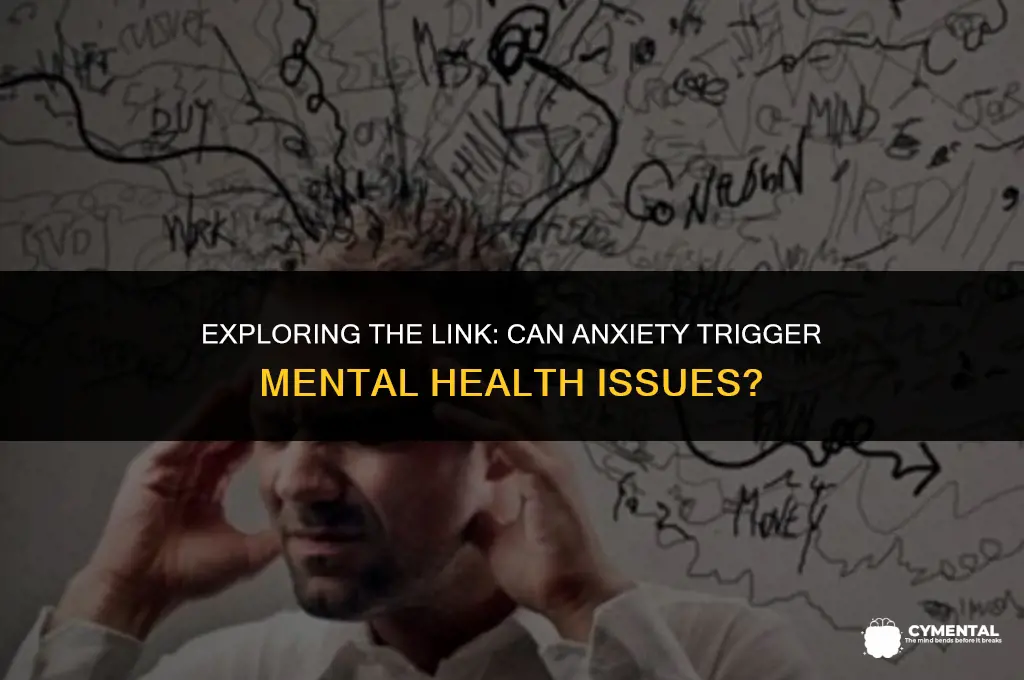
Anxiety is a common emotional response that can manifest as feelings of worry, fear, or apprehension. While it is a normal part of life, excessive or persistent anxiety can have significant implications for mental health. Research has shown that chronic anxiety can contribute to the development of various mental health disorders, including depression, panic disorder, and obsessive-compulsive disorder. The constant state of heightened alertness and stress associated with anxiety can lead to changes in brain chemistry and function, impacting mood regulation and cognitive processes. Furthermore, anxiety can interfere with daily life, relationships, and overall well-being, making it essential to address and manage effectively. Understanding the relationship between anxiety and mental health is crucial for developing strategies to prevent and treat anxiety-related disorders.
Explore related products


What You'll Learn
- Anxiety and Depression: Persistent anxiety can lead to depression, characterized by feelings of sadness and hopelessness
- Anxiety Disorders: Excessive anxiety can manifest as specific disorders, such as generalized anxiety disorder or panic disorder
- Impact on Cognitive Function: Anxiety can impair cognitive functions, including memory, attention, and decision-making abilities
- Physical Health Consequences: Chronic anxiety can contribute to physical health issues, like cardiovascular diseases and weakened immune systems
- Social Isolation: Anxiety may lead to social withdrawal, causing isolation and potentially exacerbating mental health issues

Anxiety and Depression: Persistent anxiety can lead to depression, characterized by feelings of sadness and hopelessness
Persistent anxiety can indeed lead to depression, creating a debilitating cycle of mental health challenges. This progression occurs when the body's stress response system is constantly activated, leading to emotional and physical exhaustion. Over time, the continuous release of stress hormones like cortisol can alter brain chemistry, contributing to the development of depressive symptoms.
One of the key mechanisms by which anxiety leads to depression is through the depletion of neurotransmitters such as serotonin and dopamine. These chemicals are crucial for regulating mood, motivation, and pleasure. When anxiety is chronic, the brain's demand for these neurotransmitters is heightened, leading to their eventual depletion. This depletion manifests as feelings of sadness, hopelessness, and a lack of interest in activities that were once enjoyable.
Moreover, anxiety often disrupts normal sleep patterns, leading to insomnia or hypersomnia, both of which are common symptoms of depression. Poor sleep quality can exacerbate feelings of anxiety and depression, creating a vicious cycle that is difficult to break. Additionally, chronic anxiety can lead to social isolation, as individuals may avoid social interactions due to fear or discomfort. This isolation can further contribute to depressive symptoms, as social support is a critical factor in maintaining mental health.
It is also important to consider the role of cognitive factors in the development of depression from anxiety. Negative thought patterns and catastrophic thinking, which are common in anxiety disorders, can reinforce feelings of hopelessness and helplessness. These cognitive distortions can make it challenging for individuals to see a way out of their struggles, leading to a deepening of depressive symptoms.
In conclusion, the relationship between anxiety and depression is complex and multifaceted. Persistent anxiety can lead to depression through a combination of physiological, psychological, and social factors. Understanding this relationship is crucial for developing effective treatment strategies that address both conditions simultaneously. By recognizing the signs and seeking appropriate help, individuals can break the cycle of anxiety and depression and regain control over their mental health.
Exploring the Emotional Turmoil: Can a Breakup Trigger Mental Illness?
You may want to see also
Explore related products


Anxiety Disorders: Excessive anxiety can manifest as specific disorders, such as generalized anxiety disorder or panic disorder
Excessive anxiety can manifest as specific disorders, such as generalized anxiety disorder or panic disorder. These conditions are characterized by persistent and overwhelming feelings of anxiety that interfere with daily life. Generalized anxiety disorder involves excessive worry about everyday things, while panic disorder is marked by sudden, intense panic attacks.
One unique angle to consider is the impact of anxiety disorders on physical health. Chronic anxiety can lead to a range of physical symptoms, including headaches, digestive issues, and sleep disturbances. These physical manifestations can further exacerbate the mental health challenges associated with anxiety disorders, creating a vicious cycle.
Another important aspect to explore is the role of environmental factors in the development of anxiety disorders. Traumatic events, such as natural disasters or personal losses, can trigger anxiety disorders in susceptible individuals. Additionally, ongoing stressors, such as financial difficulties or relationship problems, can contribute to the development and maintenance of anxiety disorders.
It's also crucial to discuss the various treatment options available for anxiety disorders. Cognitive-behavioral therapy (CBT) is a common and effective treatment, which helps individuals identify and change negative thought patterns. Medications, such as selective serotonin reuptake inhibitors (SSRIs), can also be beneficial in managing anxiety disorders. Lifestyle changes, including regular exercise, a healthy diet, and stress management techniques, can complement traditional treatments and improve overall well-being.
In conclusion, anxiety disorders are complex conditions that can have a significant impact on both mental and physical health. By understanding the specific manifestations, environmental factors, and treatment options associated with anxiety disorders, individuals can better navigate their journey towards recovery and improved quality of life.
Unveiling the Link: Allergies and Mental Fog Explored
You may want to see also
Explore related products


$24.91 $33.25


Impact on Cognitive Function: Anxiety can impair cognitive functions, including memory, attention, and decision-making abilities
Anxiety's impact on cognitive function is a critical area of study within the realm of mental health. Research indicates that anxiety can significantly impair various cognitive processes, including memory, attention, and decision-making abilities. This impairment can manifest in several ways, such as difficulty concentrating, forgetfulness, and an inability to make clear, rational decisions.
One of the primary mechanisms through which anxiety affects cognitive function is the body's stress response. When an individual experiences anxiety, the body releases stress hormones like cortisol and adrenaline. While these hormones are beneficial in acute stress situations, chronic exposure can have detrimental effects on the brain. Prolonged high levels of cortisol, for example, can damage the hippocampus, a region of the brain crucial for memory formation and retrieval.
Furthermore, anxiety can lead to a state of hypervigilance, where an individual is constantly on the lookout for potential threats. This heightened state of alertness can interfere with attention and concentration, making it difficult to focus on tasks that require sustained mental effort. Decision-making abilities can also be compromised, as anxiety may lead to a tendency to make impulsive decisions or to avoid making decisions altogether due to fear of negative outcomes.
The impact of anxiety on cognitive function can have significant implications for an individual's daily life and overall well-being. For instance, impaired memory and concentration can affect job performance and academic achievement, while difficulties in decision-making can lead to social and personal challenges. It is essential, therefore, to address anxiety not only as a mental health issue but also as a cognitive one.
In conclusion, anxiety's effects on cognitive function are multifaceted and can have far-reaching consequences. Understanding these impacts is crucial for developing effective treatment strategies that not only alleviate anxiety symptoms but also improve cognitive performance. By addressing both the emotional and cognitive aspects of anxiety, individuals can work towards achieving better mental health and overall quality of life.
Understanding Victim Mentality: The Impact of Controlling Behavior
You may want to see also
Explore related products


Physical Health Consequences: Chronic anxiety can contribute to physical health issues, like cardiovascular diseases and weakened immune systems
Chronic anxiety, a persistent state of heightened alertness and worry, can have far-reaching consequences beyond mental health. Research has shown that prolonged exposure to anxiety can contribute to a range of physical health issues, including cardiovascular diseases and a weakened immune system. This connection is rooted in the body's stress response, which, when activated repeatedly, can lead to long-term physiological changes.
One of the primary physical health consequences of chronic anxiety is its impact on the cardiovascular system. Studies have found that individuals with anxiety disorders are at a higher risk of developing heart disease, experiencing heart attacks, and suffering from strokes. This increased risk is attributed to the body's fight-or-flight response, which is triggered by anxiety. During this response, the heart rate increases, blood pressure rises, and blood is diverted to the muscles, preparing the body for action. However, when this response is activated repeatedly over time, it can lead to wear and tear on the cardiovascular system, increasing the likelihood of disease.
In addition to cardiovascular issues, chronic anxiety can also compromise the immune system. The immune system is responsible for defending the body against foreign invaders, such as bacteria and viruses. However, when the body is under chronic stress, the immune response is suppressed, making it more difficult for the body to fight off infections. This can lead to an increased susceptibility to illnesses, as well as a prolonged recovery time from infections.
Furthermore, chronic anxiety can contribute to other physical health problems, such as gastrointestinal issues, respiratory problems, and chronic pain. The persistent activation of the stress response can lead to inflammation, which is a known contributor to many of these conditions. Additionally, anxiety can lead to unhealthy coping behaviors, such as overeating, smoking, and substance abuse, which can further exacerbate physical health issues.
It is important to note that the physical health consequences of chronic anxiety can be mitigated through proper treatment and management of anxiety disorders. Cognitive-behavioral therapy, medication, and lifestyle changes, such as exercise and stress management techniques, can all play a role in reducing anxiety and its impact on physical health. By addressing anxiety early and effectively, individuals can reduce their risk of developing associated physical health problems and improve their overall well-being.
Exploring the Link Between Rough Births and Mental Health
You may want to see also
Explore related products


Social Isolation: Anxiety may lead to social withdrawal, causing isolation and potentially exacerbating mental health issues
Social isolation can significantly impact mental health, and anxiety often plays a pivotal role in this process. When individuals experience anxiety, they may feel overwhelmed by social interactions, leading to a withdrawal from social activities and relationships. This withdrawal can stem from a fear of judgment, embarrassment, or simply the inability to cope with the demands of social engagement. Over time, this social withdrawal can result in isolation, which can exacerbate existing mental health issues or even lead to the development of new ones.
One of the key mechanisms by which social isolation affects mental health is through the reduction of social support. Social support provides individuals with a sense of belonging, validation, and assistance during times of stress. When this support is lacking, individuals may feel more vulnerable and less able to cope with life's challenges. This can lead to increased feelings of loneliness, depression, and anxiety, creating a vicious cycle that is difficult to break.
Furthermore, social isolation can also impact cognitive functioning. Research has shown that social interaction plays a crucial role in maintaining cognitive health, particularly in older adults. When individuals are socially isolated, they may experience a decline in cognitive abilities such as memory, attention, and problem-solving. This decline can further contribute to feelings of anxiety and depression, as individuals may feel less capable of managing their daily lives.
In addition to these psychological effects, social isolation can also have physical consequences. Studies have linked social isolation to increased inflammation, higher blood pressure, and a weakened immune system. These physical changes can contribute to a range of health problems, including cardiovascular disease and chronic illnesses, which can in turn exacerbate mental health issues.
Breaking the cycle of social isolation and anxiety requires a multifaceted approach. One important step is to encourage individuals to seek professional help, such as therapy or counseling, to address underlying anxiety and develop coping strategies. Additionally, community-based initiatives that promote social engagement and support, such as social clubs, volunteer opportunities, and support groups, can play a vital role in reducing social isolation. By fostering connections and providing a sense of community, these initiatives can help individuals feel more supported and less alone, ultimately improving their mental health and well-being.
Exploring the Link: Constipation and Mental Confusion Uncovered
You may want to see also
Frequently asked questions
Yes, anxiety can cause mental health problems. Chronic anxiety can lead to conditions such as depression, substance abuse, and other mental health disorders. It's important to seek help if anxiety is impacting your daily life.
Common symptoms of anxiety include excessive worry, restlessness, fatigue, difficulty concentrating, irritability, and sleep disturbances. If you're experiencing these symptoms regularly, it may be a sign of an anxiety disorder.
There are several ways to manage anxiety, including practicing relaxation techniques, engaging in regular physical activity, maintaining a healthy diet, getting enough sleep, and seeking support from friends, family, or a mental health professional. Cognitive-behavioral therapy (CBT) and medication are also effective treatments for anxiety disorders.